Pronghorn on Saskatchewan’s Southwest Grassland
Hunting in Saskatchewan often brings to mind images of monstrous whitetail bucks skulking in the forest fringe or massive flocks of waterfowl descending on stubble fields. While these iconic hunts certainly define a large part of the province’s reputation, there’s another, equally thrilling pursuit that captivates a different kind of hunter: chasing pronghorn across the wide-open southwest grasslands. Many hunters initially feel daunted by the vast, treeless expanses, wondering how to even approach these incredibly wary animals. This guide is here to unravel the mysteries of Saskatchewan's pronghorn, diving deep into their habitat, unique behaviors, and the strategies needed to successfully hunt these magnificent speedsters.
The Unique Allure of Saskatchewan Pronghorn
For those accustomed to tracking deer through dense bush or waiting in a blind, the idea of hunting pronghorn in Saskatchewan's open country can feel like stepping onto an entirely different planet. These aren't just another plains animal; they are a marvel of evolution, perfectly adapted to their environment. Their sheer presence evokes a sense of wildness that’s truly unique to the prairie, challenging hunters in ways few other species can.
More Than Just Speed: Understanding Their Adaptations
When you think of pronghorn, the first thing that often comes to mind is speed. And for good reason – they are the fastest land mammal in North America, capable of bursts up to 60 miles per hour. This incredible velocity isn't just for show; it's a vital survival mechanism in a landscape where cover is scarce. Imagine being a small, deer-sized animal in a vast, open bowl. Your only defense against predators like coyotes or even golden eagles (especially for fawns) is to outrun them. Their long legs, light bones, and large lung capacity are all finely tuned for sustained bursts of speed, making them incredibly difficult to catch.
But their adaptations go far beyond mere speed. Pronghorn possess eyesight that is nothing short of phenomenal. With eyes set wide on the sides of their heads, they have an almost 360-degree field of view, and their vision is often compared to an 8x binocular. They can detect movement at incredible distances, often spotting a hunter long before the hunter ever spots them. This exceptional vision is their primary early warning system, allowing them to flee danger long before it becomes an immediate threat. They also have a unique communication system, flashing their bright white rump patch when alarmed, signaling danger to the entire herd, which then often bolts simultaneously in a stunning display of coordinated flight.
Pronghorn are also social animals, typically found in herds ranging from a handful to dozens of individuals, especially during the colder months. This herd structure adds another layer to their survival strategy; more eyes mean more vigilance. While one animal grazes, another might be scanning the horizon, creating a collective defense that makes them even more challenging for a lone hunter to approach. Their social dynamics are fascinating to observe, with bucks often forming bachelor groups or defending harems during the rut, all playing out on the vast, uncluttered stage of the prairie.
Distinguishing Them from Deer: Key Identifiers
At first glance, especially from a distance, it might be easy to mistake a pronghorn for a deer, particularly a mule deer given their similar range. However, a closer look reveals distinct differences that set pronghorn apart. Perhaps the most obvious difference lies in their headgear. Unlike deer, which grow and shed true antlers annually, pronghorn possess unique horns. These aren't bone like antlers; they are made of keratin, much like fingernails, and consist of a bony core covered by a sheath. What’s truly unique is that pronghorn shed these horn sheaths annually, usually in late fall or early winter, with new ones growing back rapidly. This makes them the only animal in the world to shed a horn sheath.
Their body shape also gives them away. Pronghorn are built for speed and endurance, appearing much more slender and leggy than deer. They lack the bulky, muscular build of a whitetail or the robust frame of a mule deer. Their coloration is another dead giveaway: a striking reddish-brown coat with distinct white patches on their belly, chest, throat, and, most famously, on their rump. This stark contrast makes them incredibly visible when they choose to be, especially when they flare their rump patches to signal alarm.
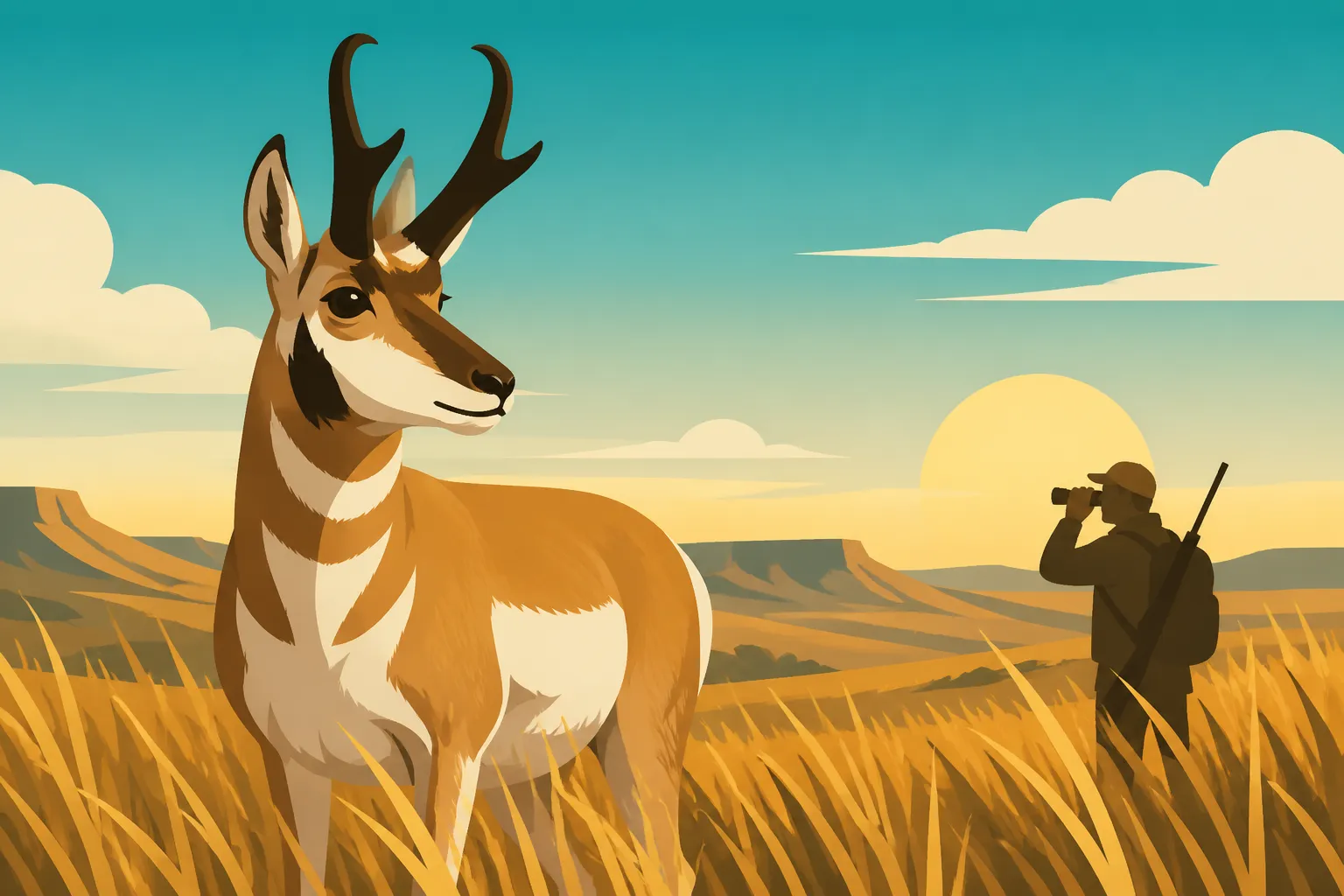
When you're trying to differentiate them, think of it this way: a pronghorn has large, dark, almost cartoonish eyes that truly stand out on its face, designed for scanning those endless horizons. Their ears are relatively short compared to a deer's, and they lack the "forked" antler appearance of a mule deer or the typical tines of a whitetail. Instead, their horns typically have a single forward-projecting "prong" or cusp, giving them their common name. Understanding these visual cues is crucial for a hunter, especially when trying to judge a buck from a doe at extreme distances, or simply for appreciating the unique creature you're observing.
Where the Prairies Meet the Pronghorn: Their Core Habitat
Saskatchewan is a vast province, and while pronghorn are often associated with its wide-open spaces, their presence isn't universal. They are highly specialized animals, requiring very specific habitats to thrive. Knowing where to focus your efforts is paramount for any hunter hoping to pursue them.
The Southwest Stronghold: Why They Thrive Here
The vast majority of Saskatchewan's pronghorn population is concentrated in the southwestern corner of the province. This region, characterized by its arid to semi-arid climate, rolling hills, and expansive native grasslands, provides the ideal conditions for these creatures. Areas like the Great Sand Hills Dunes, the dramatic landscapes of the Missouri Coteau, and the rugged coulees of the Big Muddy Badlands are prime pronghorn country. These unique geological formations offer a mosaic of habitats – from short-grass prairies where they graze to the broken terrain of coulees and draws that provide some semblance of cover from wind and weather, and crucial travel corridors.
Specific Wildlife Management Zones (WMZs) in the southwest are renowned for their pronghorn populations, often reflecting a higher chance of drawing a tag or simply better viewing opportunities. Zones in the vicinity of communities like Maple Creek, Swift Current, and Leader are often considered hotspots. The landscape here is a tapestry of natural rangeland, interspersed with some agricultural fields, but it’s the large tracts of unbroken grassland that truly sustain these animals. These areas are less affected by intensive cultivation, allowing the native vegetation that pronghorn rely on to flourish, and providing the vast, unobstructed views that cater to their incredible eyesight. It's a land where the horizon seems endless, and the sky feels impossibly huge – perfect for an animal built for speed and long-distance vision.
The Importance of Native Grassland and Sagebrush
Pronghorn aren't just grazers; they are selective foragers. While they will consume some grasses, their diet largely consists of forbs (broad-leafed plants) and shrubs, with sagebrush being a critical component, particularly in their winter diet. This preference dictates where they can truly thrive. The native grasslands of Saskatchewan's southwest are incredibly diverse, hosting a wide array of plant species that provide essential nutrition throughout the year. The presence of silver sagebrush, for instance, provides not only food but also crucial cover during fawning season and shelter from harsh winter winds.
The ongoing conversion of native prairie to cultivated farmland is a significant factor in pronghorn distribution and population health. While they might occasionally venture into agricultural fields, especially pea or lentil fields after harvest for residual grains, they generally do not thrive in heavily farmed landscapes. The lack of their preferred forage, combined with increased fencing and disturbance, makes these areas less suitable. Conservation efforts, often supported by groups like the Saskatchewan Wildlife Federation and ranchers who understand the value of healthy rangelands, are vital in protecting and restoring these critical native grassland habitats. These efforts help ensure that the unique ecosystems pronghorn depend on remain viable for future generations.
Life on the Open Range: Pronghorn Behavior and Movement
Understanding the daily and seasonal rhythms of pronghorn is key to hunting them successfully. They are creatures of habit, yet highly sensitive to environmental factors, making their movements both predictable and subject to sudden change.
Daily Rhythms and Seasonal Shifts
Pronghorn typically exhibit crepuscular activity patterns, meaning they are most active during dawn and dusk. This is when they are often seen feeding, moving from their bedding areas to prime foraging grounds. During the heat of the day, especially in the warm early fall, they will seek out what little shade or topographic relief the prairie offers, often bedding down on slight rises or in the lee of a coulee to escape the sun and wind.
Their seasonal movements, while not true migrations on the scale of caribou, do involve shifts in their home range. In summer, herds may be more dispersed, with does often seeking secluded areas to fawn. As fall approaches and the rut begins, bucks become more active, chasing does and defending territories. Come winter, especially during periods of deep snow, pronghorn will often concentrate in areas with less snow accumulation, more accessible forage (like sagebrush that protrudes above the snow), or in sheltered coulees. This can lead to larger herds forming, sometimes in unexpected locations, as they search for adequate feed and protection from the elements. Understanding How Pronghorn Survive a Prairie Winter is crucial, as severe winters can drastically impact their numbers.
The Role of Water and Topography
Water is a non-negotiable requirement for all wildlife, and pronghorn are no exception. While they are remarkably efficient at extracting moisture from their diet, they still need access to water sources. This often dictates their daily movements, as they will travel to dugouts, natural springs, or even small potholes. Identifying reliable water sources on a map, or through scouting, can be incredibly valuable in predicting where pronghorn might be. These watering holes can serve as natural pinch points where hunters might focus their glassing efforts.
Topography, even subtle changes in elevation, plays an enormous role in pronghorn behavior. On the seemingly flat prairie, a slight rise can offer a commanding view for these animals, allowing them to scan for miles. Conversely, these same subtle rises, along with deeper coulees and draws, become invaluable assets for a hunter attempting a stalk. Pronghorn will use these natural contours to travel, to bed, and to escape danger. A long, winding coulee, for example, might serve as a protected travel route that allows a herd to move from one feeding area to another without being exposed to predators or hunters. Mastering the art of using these natural features to break up your silhouette and hide your approach is the essence of a successful pronghorn hunt. Using tools like GoHunt can help identify these subtle topographical features that are often missed on conventional maps.
Navigating the Challenges: Pronghorn Population Dynamics
Saskatchewan's pronghorn populations are resilient, but they are also sensitive indicators of environmental health. Their numbers can fluctuate significantly due to factors that are often beyond human control, creating both opportunities and challenges for hunters and wildlife managers alike.
Winter Kill and Harsh Weather Impacts
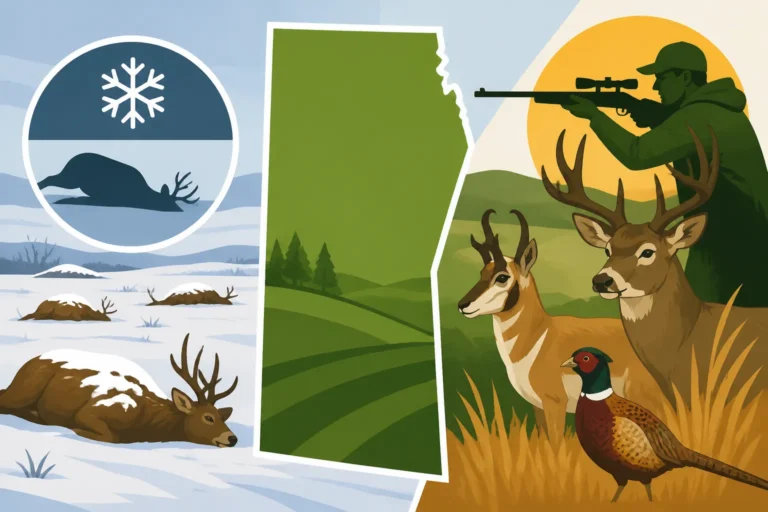
Perhaps the most significant factor affecting pronghorn populations in Saskatchewan is the severity of winter weather. Unlike white-tailed deer or moose that can often browse in deep snow, pronghorn are primarily reliant on foraging from the ground. Deep, crusted snow can make their primary food sources inaccessible, leading to starvation. Extreme cold, especially when combined with high winds, can also take a heavy toll. Historic "winter kill" events have decimated pronghorn herds in the past, sometimes reducing populations by half or more in a single harsh season.
Wildlife agencies closely monitor winter conditions, conducting aerial surveys after particularly severe winters to assess the impact on pronghorn numbers. These assessments directly influence the number of hunting tags issued in subsequent years. For hunters, a period of mild winters often means healthier, more abundant herds and potentially better draw odds, while a string of tough winters can lead to reduced tag allocations and fewer animals on the landscape. This cyclical nature is a harsh reality of hunting in a northern prairie environment.
Fences and Fragmentation: Barriers to Movement
The vast, open nature of pronghorn habitat means they often need to travel considerable distances to find food, water, or suitable wintering grounds. However, the modern prairie landscape is crisscrossed by countless fences – boundary fences, pasture fences, and more. While many fences don't pose an insurmountable barrier to deer or elk, Why Fences Are Hard on Pronghorn is a critical challenge. Pronghorn prefer to crawl under fences rather than jump over them. Standard barbed wire fences, especially those with low bottom strands, can trap or injure them, or simply block their access to vital resources.
This issue of habitat fragmentation, where continuous tracts of land are broken up by fences, roads, and agricultural development, is a major concern for pronghorn conservation. It can prevent them from reaching critical winter range or from dispersing effectively, leading to localized overpopulation in some areas and scarcity in others. Efforts are ongoing to mitigate these issues, including the modification of fences with smooth wire bottom strands or specialized "pronghorn-friendly" designs that allow easier passage. Hunters often play a role by identifying problematic fence lines and supporting initiatives that promote wildlife-friendly ranching practices.
Predator Pressure and Disease
While winter weather and habitat fragmentation are the primary drivers of pronghorn population fluctuations, predator pressure also plays a role, especially on fawns. Coyotes are the main predator of young pronghorn, and while healthy adult pronghorn can easily outrun a coyote, fawns are vulnerable. Golden eagles can also be a threat to very young fawns. The overall impact of predation on a healthy, robust pronghorn population is generally not considered a major limiting factor, but it can exacerbate declines when other stresses are present.
Compared to other big game species like deer and elk, pronghorn in Saskatchewan generally exhibit a lower prevalence of diseases like Chronic Wasting Disease (CWD). While CWD has been detected in pronghorn in other regions of North America, it has not had the widespread impact observed in deer and elk populations in Saskatchewan. Nonetheless, wildlife agencies monitor for CWD and other potential health issues, and hunters are encouraged to submit samples for testing, especially in designated CWD surveillance zones. This vigilance helps ensure the long-term health of the herd.
The Art of the Spot-and-Stalk: Hunting Saskatchewan Pronghorn
Hunting pronghorn in Saskatchewan is an exercise in patience, strategic thinking, and often, long-range marksmanship. Unlike hunting in the bush, where cover is abundant, the prairie demands a different set of skills centered around the "spot-and-stalk" method.
Scouting and Glassing Strategies
Your optics are your most important tool when hunting pronghorn. High-quality binoculars (10x or 12x) and a powerful spotting scope (20-60x or 20-70x) are absolutely essential. The vastness of the prairie means you'll be spending a significant amount of time glassing – meticulously scanning distant hillsides, coulee bottoms, and subtle rises for any sign of movement or a tell-tale white patch. Don't just scan quickly; sit down, get comfortable, and grid-search the landscape methodically. Often, what appears to be a rock or a distant clump of dirt will resolve into a pronghorn once you settle in and really pick apart the terrain.
Pre-season scouting is invaluable. Use maps and satellite imagery (apps like GoHunt are fantastic for this) to identify potential bedding areas, feeding grounds, and water sources. Look for subtle topographical features that could offer an advantage for a stalk. Driving secondary grid roads and county roads to cover ground and spot animals from a distance is common practice. Remember, you can often see pronghorn for miles, but they can see you for just as far. The goal is to spot them before they spot you, often using vehicle as mobile blind (while ensuring you are legally parked and not hunting from the vehicle).
Understanding where Hunting Saskatchewan's Southern Prairie offers the best opportunities will help you narrow your focus. Always be mindful of property boundaries and ensure you have secured Getting Private Land Permission in Saskatchewan if you intend to hunt on private land, which is often the case in prime pronghorn areas.
The Stalk: Closing the Distance
Once you've spotted a pronghorn you want to pursue, the real challenge begins: closing the distance. This is where the spot-and-stalk comes into its own. Pronghorn are incredibly wary, and the open terrain offers precious little cover. Your success hinges on using every undulation, every brush patch, and every coulee to your advantage. A successful stalk often involves long, circuitous routes, sometimes crawling on your hands and knees for hundreds of yards.
Wind direction is critical. Pronghorn have an excellent sense of smell, and while not as acute as a deer's, they will bust you if they scent you. Always approach from downwind. Your clothing should blend seamlessly with the prairie environment – muted browns, tans, and greens are your friends. Avoid bright colors or anything that stands out. When you reach a point where you believe you're within shooting range, often 200-400 yards, set up carefully. Be prepared for the animal to move, and take your time to ensure a steady, ethical shot. This is where practice with your rifle at extended ranges truly pays off. Stalking techniques used for Spot-and-Stalk Mule Deer in Saskatchewan can often be applied here, given the similar open environments.
Ethical Shot Placement and Recovery
Given the potential for long-range shots on pronghorn, precise shot placement is paramount. Their vitals are similar to a deer's, but their body mass is smaller. Aim for the heart-lung area, just behind the shoulder. A well-placed shot is essential for a clean kill and to prevent a lengthy, difficult recovery on the vast prairie. Practice shooting from various field positions – prone, kneeling with shooting sticks – to ensure you are comfortable and accurate when the moment of truth arrives.
After the shot, watch the animal carefully. Even a mortally wounded pronghorn can cover a lot of ground quickly. Mark the location of the shot and the animal's last known direction of travel. With little cover, tracking a blood trail on prairie grass can be challenging. If the animal disappears, wait a while before tracking, then systematically grid-search the area. Carry plenty of water and a GPS or compass to orient yourself, as it's easy to get disoriented in the endless expanse. Once recovered, swift field dressing is important, especially in warmer early fall temperatures, to ensure the quality of the meat. Meat Care in Saskatchewan's Cold Snaps offers useful advice, but warmer weather considerations are also vital for pronghorn.
| Characteristic | Pronghorn (Antilocapra americana) | White-tailed Deer (Odocoileus virginianus) | Mule Deer (Odocoileus hemionus) |
|---|---|---|---|
| Speed | Up to 60 mph (fastest in North America) | Up to 40 mph | Up to 35 mph |
| Eyesight | Exceptional, 8x magnification equivalent | Good, especially at detecting movement | Good, wide field of view |
| Headgear | Horns (bony core with keratin sheath) | Antlers (solid bone) | Antlers (solid bone) |
| Shedding | Sheds horn sheath annually | Sheds entire antler annually | Sheds entire antler annually |
| Rump Patch | Large, distinct white, flares when alarmed | Smaller white flag tail | White patch below tail |
| Ears | Short, pointed | Medium | Large, "mule-like" |
| Habitat | Open grasslands, sagebrush prairie | Forest edge, agricultural land, bush | Open plains, coulees, foothills, badlands |
| Movement | Runs, crawls under fences | Runs, jumps obstacles | "Stotting" (bouncing), jumps obstacles |
Pronghorn Hunting Seasons and Regulations in Saskatchewan
Hunting pronghorn in Saskatchewan isn't as straightforward as picking up an over-the-counter tag. It's a highly regulated pursuit, reflecting the need to carefully manage populations subject to environmental fluctuations. Understanding the rules and the application process is your first step.
Understanding the Draw System
For resident hunters in Saskatchewan, pronghorn hunting is typically managed through a provincial draw system. This means you must apply for a specific tag in a designated Wildlife Management Zone (WMZ), and successful applicants are chosen through a lottery. This system ensures that the number of hunters and the harvest align with the population objectives for each zone, preventing overharvest and promoting sustainable management.
The draw opens and closes at specific times of the year, usually in late May or early June. It's crucial to pay attention to these deadlines, as missing them means missing out on the opportunity to hunt that season. The draw can be competitive, especially in zones known for producing larger bucks or having higher pronghorn densities. Saskatchewan's Big Game Draw is a fundamental process for many species, and pronghorn are no exception. Your Saskatchewan's Draw Priority Pools status will also influence your chances; accumulating priority points increases your odds in subsequent years if you are unsuccessful in the current draw. Some hunters meticulously research draw odds for different WMZs using resources like GoHunt to strategically apply for zones where they might have a better chance.
Key Season Dates and Zone Considerations
Pronghorn seasons in Saskatchewan are relatively short, typically running from late September through mid-October. These dates are chosen to coincide with cooler weather, which aids in meat care, and often before the peak of the rut, though some rutting activity may be observed. The exact dates and permitted weapons (e.g., rifle, archery) will vary by WMZ, so always consult the current Saskatchewan Hunters' and Trappers' Guide for the most up-to-date information.
When applying for the draw, you'll need to select specific WMZs. As discussed earlier, the southwestern zones are your best bet. Zones like 1, 2, 3, 4, 5, 6, 7, and some adjacent areas historically have the best pronghorn populations. However, population fluctuations and draw success rates can change annually, so it's wise to do your homework each year. For comprehensive information on specific season dates across different species, refer to Saskatchewan Big Game Season Dates. Understanding Reading a Saskatchewan WMZ Map Before You Go is critical for planning your hunt, knowing the boundaries, and identifying potential hunting locations within your drawn zone. Remember that each zone has unique characteristics in terms of terrain, land ownership, and pronghorn density, so research thoroughly before making your application.
Conservation and the Future of Saskatchewan Pronghorn
The opportunity to hunt pronghorn in Saskatchewan is a privilege, underpinned by decades of wildlife management and conservation efforts. These "speed goats" represent a unique ecological heritage, and ensuring their future requires ongoing commitment from wildlife agencies, landowners, and hunters alike.
Ongoing Research and Monitoring Efforts
Saskatchewan's Ministry of Environment, in collaboration with various conservation groups, continuously undertakes research and monitoring programs to better understand pronghorn populations. This includes aerial surveys to estimate numbers, studies on movement patterns using GPS collars, and health assessments to monitor for disease and overall condition. Data collected from these efforts helps inform management decisions, such as setting tag quotas and identifying critical habitats that need protection or enhancement.
For instance, understanding What a Pronghorn Buck Weighs or How Pronghorn Survive a Prairie Winter comes directly from such research. These insights allow wildlife managers to adapt strategies to changing environmental conditions, whether it's adjusting tag numbers after a severe winter kill or identifying areas where habitat improvements (like fence modifications) would have the greatest benefit. These scientific approaches are vital for maintaining healthy, sustainable pronghorn populations across their range.
Hunter's Role in Stewardship
Hunters are often the most dedicated conservationists, and their role in the stewardship of Saskatchewan's pronghorn is indispensable. Through the purchase of hunting licenses and wildlife habitat certificates, hunters directly contribute funds that support habitat acquisition, research, and enforcement efforts. Beyond financial contributions, ethical hunting practices are paramount. This includes respecting landowners and their property, adhering strictly to all regulations, and ensuring clean, humane kills.
Reporting observations of sick animals, fence conflicts, or habitat degradation to wildlife authorities helps contribute to the collective knowledge base. Furthermore, participating in conservation initiatives, such as fence modification projects or grassland restoration, can make a tangible difference. By embodying responsible hunting ethics and actively engaging in conservation, hunters ensure that the thrill of chasing pronghorn across the Saskatchewan prairie remains a possibility for generations to come. It’s about being part of the solution, not just enjoying the pursuit.
Disclaimer
Please remember that hunting regulations, season dates, and specific requirements can change. Always consult the most current Saskatchewan Hunters' and Trappers' Guide and provincial government websites for the definitive and most up-to-date information before planning any hunting trip. This guide is for informational purposes only and does not supersede official regulations.