What Makes Saskatchewan’s Parkland So Productive
If you've spent any time hunting in Saskatchewan, you've likely heard whispers, or perhaps outright boasts, about the incredible productivity of the province's Parkland region. For many, it's almost mythical – a place where big game seems to flourish in abundance. But what exactly is it about this unique ecological zone that makes it such a powerhouse for wildlife, drawing hunters year after year? It’s not just one thing, but a fascinating blend of geography, climate, and human interaction that creates an unparalleled environment for a wide array of game species. This guide will peel back the layers to explore the specific ecological, agricultural, and geographical factors that combine to make Saskatchewan’s Parkland a truly special place for game animals to thrive.
The Ecological Sweet Spot: Where Forest Meets Prairie
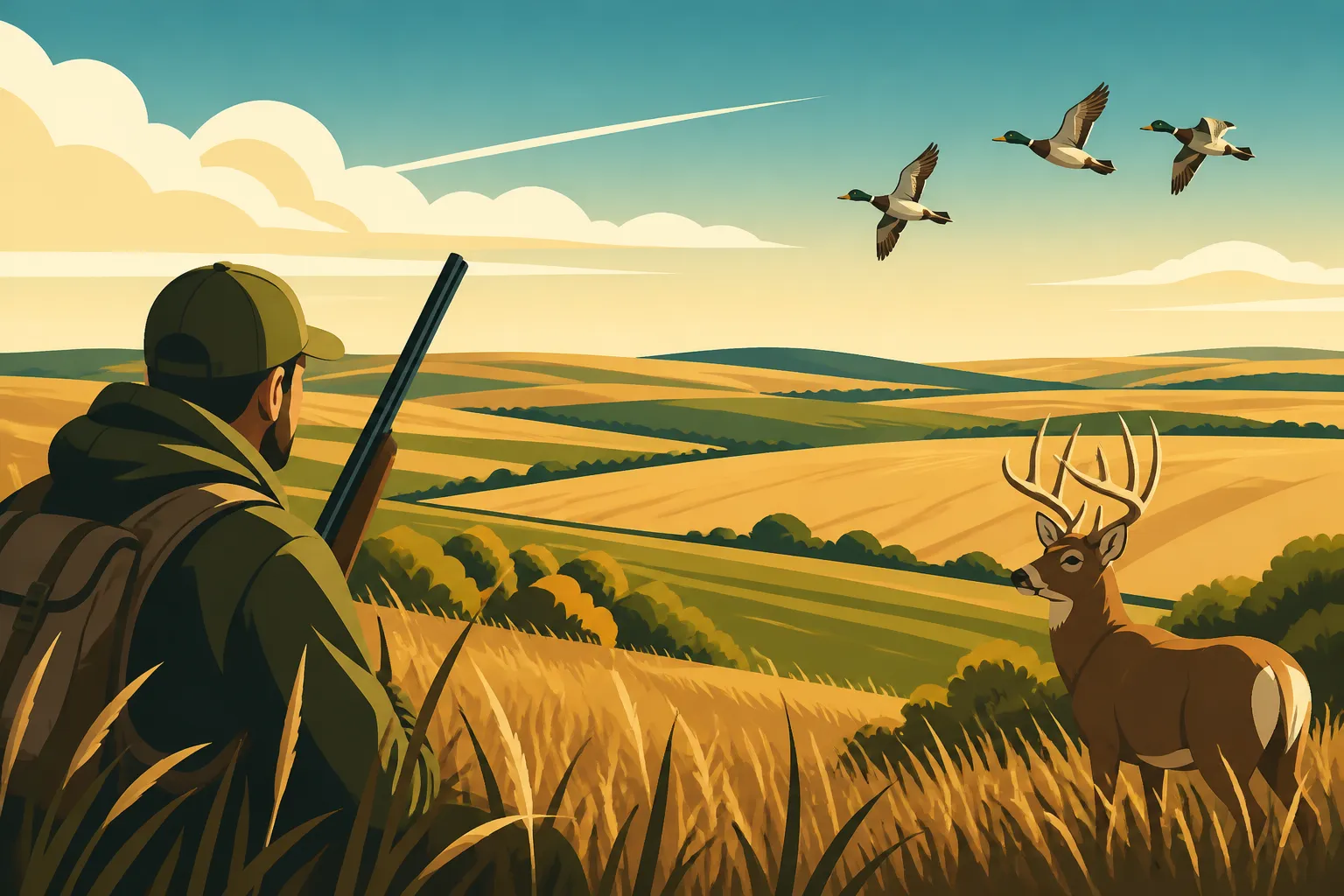
The Saskatchewan Parkland is often described as an "ecotone," a transitional zone where two vastly different ecosystems, the boreal forest and the open prairie, gracefully intertwine. This isn't just a simple line on a map; it's a dynamic, interwoven landscape of bluffs, sloughs, and treelines that creates a mosaic of habitats, each offering something crucial for wildlife. It’s this very blend, this edge effect, that forms the backbone of the Parkland's productivity.
Imagine standing on the edge of a vast golden stubble field, but just a stone's throw away, a dense bluff of aspen and willow rises, offering deep, tangled cover. This constant interspersion of open feeding grounds and secure bedding areas is a game animal's dream. Whitetail deer, in particular, are masters of utilizing these edges, moving between the security of the bush and the rich food sources of the fields with remarkable efficiency. They don't have to travel far, minimizing energy expenditure and exposure to predators. This ecological diversity means that animals aren't reliant on a single food source or a single type of cover. If one food source is scarce, another is often plentiful nearby. The sheer variety of plant life, from nutritious forbs and grasses in open areas to woody browse and aspen bark in the bush, ensures a consistent and varied diet throughout the seasons. This translates directly into healthy, robust animals, often with impressive body weights and antler growth.
The Parkland also boasts a higher density of water sources compared to the drier open prairie. Potholes, sloughs, and small streams are scattered throughout, providing essential drinking water for all species, as well as critical wetland habitat for waterfowl and furbearers. This constant access to water, especially during hot, dry periods, is a non-negotiable for large game, preventing dehydration and allowing them to focus on feeding and growth. The overall climate in the Parkland, influenced by both forest and prairie, tends to be less extreme than the deep boreal north or the exposed southern plains, offering a more moderate environment that further contributes to game animal health and survival. Hunting Saskatchewan's Aspen Parkland is a prime example of hunting this productive zone.
Agricultural Influence: A Buffet for Big Game
While the natural ecotone lays the groundwork, it's the widespread agricultural development within the Parkland that truly supercharges its productivity for big game. Saskatchewan is renowned for its vast grain fields, and a significant portion of the Parkland is dedicated to growing crops like wheat, barley, canola, and peas. For game animals, particularly deer, moose, and elk, these fields represent an almost inexhaustible buffet of high-energy, nutrient-rich food.
Think about it from an animal's perspective: a deer can spend a night in a standing canola field or a swathed barley field and consume an incredible amount of calories with minimal effort. These cultivated crops provide a concentrated food source far superior in nutritional value and quantity to most natural forage, especially during the fall and early winter. This abundance of high-quality feed directly contributes to the exceptional body condition and antler development that Saskatchewan is famous for. Bucks pack on pounds rapidly, fueling impressive growth and helping them survive the rigours of the rut and the harsh winter ahead. For larger animals like moose and elk that are increasingly finding their way into the Parkland, these fields provide an easy meal, supplementing their traditional browse diets. Moose in Saskatchewan's Farmland and Forest benefit greatly from this agricultural overlap.
The relationship between agriculture and wildlife isn't just about food; it's also about cover. Farmers often leave shelterbelts, bluffs, and slough edges undisturbed, creating crucial thermal cover and bedding areas right next to prime feeding grounds. A whitetail buck can bed down in a thick willow bluff, literally feet away from a field of peas, venturing out at dusk to feed without having to travel long distances or expose itself to open country for extended periods. This close proximity of food and cover is a key factor in the high deer densities observed in these areas. Modern hunters often leverage mapping apps like GoHunt to analyze these land features and understand the relationship between food sources and bedding cover on a specific quarter section, which is critical for successful scouting. The patterns of cultivation, harvest schedules, and crop rotation also influence game movement throughout the seasons, offering dynamic opportunities for hunters to adapt their strategies. Hunting a Standing Canola Field Edge or Hunting a Swathed Grain Field at Dusk are classic examples of capitalizing on this agricultural bounty.
Water, Topography, and Sanctuary: The Unseen Advantages
Beyond the obvious blend of forest and farm, the subtle characteristics of the Parkland's water features, topography, and pockets of sanctuary contribute significantly to its overall productivity. These elements often go unnoticed by the casual observer but are deeply understood by the animals that call this region home.
The Parkland is dotted with an incredible number of small wetlands, sloughs, and potholes. These aren't just puddles; they're vital water sources, especially during dry spells. For animals like moose, they provide cool mud wallows and aquatic vegetation. For deer, they are reliable drinking spots. Many sloughs are surrounded by thick cattails, willows, and reeds, offering excellent security cover and thermal protection from harsh winds and snow. These wetland fringes are often overlooked travel corridors and bedding sites, acting as natural sanctuaries within the agricultural landscape. Even a small willow ring around a pothole can hold several deer or a covey of Hungarian partridge.
The topography of the Parkland, while not as dramatic as mountainous regions, is far from flat. It's characterized by gently rolling hills, subtle draws, and bluffs, which create micro-climates and visual barriers. These variations in elevation offer animals natural travel corridors, screening their movements from predators and hunters. A deer can disappear into a shallow draw or navigate a series of bluffs with incredible stealth. These elevated ridges and depressions also provide thermal cover, shielding animals from biting winter winds or intense summer sun. Using a tool like GoHunt or similar mapping applications can help hunters identify these subtle topographical changes, revealing hidden travel routes and bedding areas that might otherwise be missed.
Crucially, the Parkland still retains numerous pockets of undisturbed land. These might be small parcels of untouched native prairie, dense river breaks, or larger blocks of Crown land. These areas, sometimes interspersed with private land that sees less human activity, act as crucial sanctuaries where animals can retreat from hunting pressure. This isn't just about escaping hunters; it's about providing undisturbed breeding grounds and wintering areas. Animals that feel safe are more likely to stay in an area, contributing to higher local populations. The ability for animals to move between these undisturbed areas and the rich agricultural feeding grounds is paramount to sustaining robust game populations. Hunting a Bluff Between Two Fields highlights the strategic importance of these varied land types.
Adaptability and Resilience of Game Species
The productivity of Saskatchewan's Parkland is also a testament to the remarkable adaptability and resilience of the game species themselves, particularly white-tailed deer, but also increasingly moose and elk. These animals haven't just survived in this blended environment; they've thrived by mastering its unique combination of resources.
White-tailed deer in the Parkland exemplify this adaptability. They have learned to seamlessly integrate into the agricultural landscape, utilizing crops as a primary food source while relying on the adjacent bluffs and treelines for cover. This learned behaviour allows them to maintain high population densities even in areas with significant human presence. The interspersion of cover and food means that deer have relatively small home ranges, leading to higher concentrations of animals in localized areas. This efficiency in resource utilization contributes to their overall health, fostering the growth of large body sizes and impressive antlers that Saskatchewan is known for. Why Saskatchewan Bucks Grow So Large is directly tied to this abundant food supply.
Moose, typically associated with the deeper boreal forest, have also expanded their range into the Parkland and even agricultural zones, taking advantage of the nutritious crops and ample water. While they still require larger blocks of treed cover, the abundance of food on the farm fringe offers them a substantial boost, allowing them to grow to considerable sizes. Similarly, elk herds, historically found in more specific forest ranges, are also expanding into Parkland fringes, leveraging crop damage permits and seeking out private land sanctuaries within this productive zone. Their ability to forage in fields at night and retreat to timbered areas during the day showcases their incredible flexibility.
The success of game species in the Parkland is not solely due to natural factors; it's also a testament to effective wildlife management strategies. Regulated hunting seasons, tag allocations, and hunter education requirements play a vital role in maintaining healthy, sustainable populations. By managing hunting pressure and encouraging responsible practices, the province helps ensure that the Parkland remains productive for generations to come. This careful balance allows the inherent productivity of the land, driven by its unique ecological and agricultural mix, to fully express itself in thriving game populations. Understanding Saskatchewan's Big Game Draw and its rules is part of ensuring this sustainable hunting future.
Key Factors in Parkland Productivity
| Factor | Description | Primary Benefit to Game | Key Species Benefiting |
|---|---|---|---|
| Ecotone Environment | Blending of boreal forest and open prairie, creating diverse habitats. | Varied food sources, dense cover, natural travel corridors. | Whitetail, Moose, Elk, Furbearers |
| Agricultural Fields | Vast acreages of grain and other crops (wheat, canola, peas, barley). | Abundant, high-energy food supply, rapid calorie intake. | Whitetail, Moose, Elk, Waterfowl, Deer |
| Numerous Water Sources | Abundance of sloughs, potholes, and small streams. | Consistent drinking water, wetland habitat, thermal cover. | Whitetail, Moose, Waterfowl, Beaver |
| Rolling Topography | Gentle hills, draws, and bluffs offering natural screening and elevation changes. | Security cover, natural travel routes, windbreaks. | Whitetail, Mule Deer (some areas), Elk |
| Undisturbed Sanctuaries | Pockets of dense bush, uncultivated land, river valleys. | Safe bedding areas, wintering grounds, reduced pressure. | All big game species |
The Saskatchewan Parkland truly is a marvel for hunters and wildlife enthusiasts alike. Its unique blend of transitioning ecosystems, bountiful agricultural lands, and diverse natural features create a landscape where game animals don't just survive – they truly flourish. It's a testament to nature's incredible adaptability and the careful balance that hunters and landowners strive to maintain, ensuring this productive paradise continues to offer exceptional opportunities for years to come.
Disclaimer
This article is for general informational purposes only and does not constitute professional advice. Laws, prices and regulations vary by location and change over time. Consult a qualified professional for guidance on your specific situation.