When the Whitetail Rut Peaks Here
Hunting the whitetail rut is arguably the most anticipated time of year for deer hunters, but trying to pinpoint that exact peak in Saskatchewan can feel like chasing a phantom. You’ve likely heard a million theories, seen varying advice online, and perhaps even experienced a rut that felt completely off compared to what you expected. It's a frustrating dance with Mother Nature, but understanding the core science and local nuances can dramatically improve your chances. This comprehensive guide will break down when Saskatchewan’s whitetail rut truly peaks, what influences it, and how you can maximize your time in the field.
Understanding the Whitetail Rut Cycle in Saskatchewan
The whitetail rut isn't just a single event; it's a dynamic, multi-stage process that plays out over several weeks. For hunters, knowing these stages is critical because deer behavior changes dramatically from one phase to the next. Understanding this cycle is the first step in unlocking success, especially in a region known for its incredible whitetails like Saskatchewan.
The Astronomical Clock vs. Local Factors
Many hunters focus solely on dates, assuming the rut happens like clockwork, year after year. While the moon phase and photoperiod (the amount of daylight) are indeed the primary drivers that trigger the deer's endocrine system, making them physiologically ready to breed, local environmental conditions can absolutely influence when and how intensely these behaviors manifest. The shortening days of autumn signal to deer that it's time to reproduce, but other factors fine-tune the timing.
For instance, a sudden cold snap can kick deer activity into overdrive, making it feel like the rut has "turned on" overnight, even if the underlying physiological peak hasn't shifted significantly. Conversely, unseasonably warm weather can make deer more nocturnal, appearing to delay the rut's visible activity. While the peak breeding activity is remarkably consistent thanks to the photoperiod, the peak hunting activity, characterized by frantic buck movement during daylight, can vary slightly. This is why you might hear hunters debating if the rut was "early" or "late" – they're often talking about perceived activity levels rather than the actual biological breeding window. This distinction is crucial for hunters who are trying to hit the perfect window for Hunting the Rut in Early to Mid November.
Phases of the Rut: Pre-Rut to Post-Rut Breakdown
To really grasp the rut, it's helpful to break it down into its distinct phases. Each phase offers unique hunting opportunities and demands different strategies.
The Pre-Rut (Late October – Early November): This is when things really start to heat up. Bucks are feeling their oats, moving more, and beginning to establish dominance. You’ll see the first serious rubs appearing, and scrapes will start to be refreshed regularly. Bucks are cruising, scent checking, and becoming more aggressive, but they aren’t yet fully committed to chasing does. Does aren't receptive yet, so buck movement is often about establishing territory and finding out who's around. This is a fantastic time to pattern deer movement and identify key travel corridors. You might see bucks shadowing does, but full-blown chases are rare. This phase is often when some of the biggest, most cautious bucks start to make mistakes in daylight as their hormones surge.
The Peak Breeding (Mid-November): This is the window everyone talks about. Does are finally coming into estrus, and bucks are losing their minds trying to find them. This is when you'll witness those frantic chases, bucks relentlessly pursuing does, and often paying little attention to their surroundings. This is the definition of high-risk, high-reward hunting. Bucks are moving at all hours, covering incredible distances, sometimes showing up in unexpected places. The intensity of this period can be astonishing. It’s also often coincided with significant drops in temperature and even early snowfall in Saskatchewan, which can concentrate deer and make them even more active during daylight hours as they seek out food and receptive does. If you’re planning a trip specifically for Rifle Hunting Saskatchewan's Whitetail Rut, this is likely the window you're targeting.
The Post-Rut (Late November – Early December): As the peak breeding subsides, many does have been bred. Buck activity starts to calm down, though you'll still find some "second rut" activity from does that weren't bred on their first cycle, or fawns coming into estrus for the first time. Bucks, however, are often exhausted, having burned through a massive amount of energy during the peak. They become more focused on feeding to recover lost weight and regain strength before winter. Hunting during this time requires a shift back to focusing on food sources and bedding areas, as bucks aren't randomly cruising as much. They're still callable, especially if a late-estrus doe is in the area, but the frantic, all-day movement decreases.
Pinpointing the Peak: Early to Mid-November
Ask any seasoned Saskatchewan hunter, and they’ll likely tell you the magic truly happens in November. While the pre-rut might tease you with increasing activity, it's those frosty mornings and shorter days in the middle of the month that usually deliver the goods. This is when the biological clock aligns perfectly with intense behavioral displays.
The Primary Breeding Window
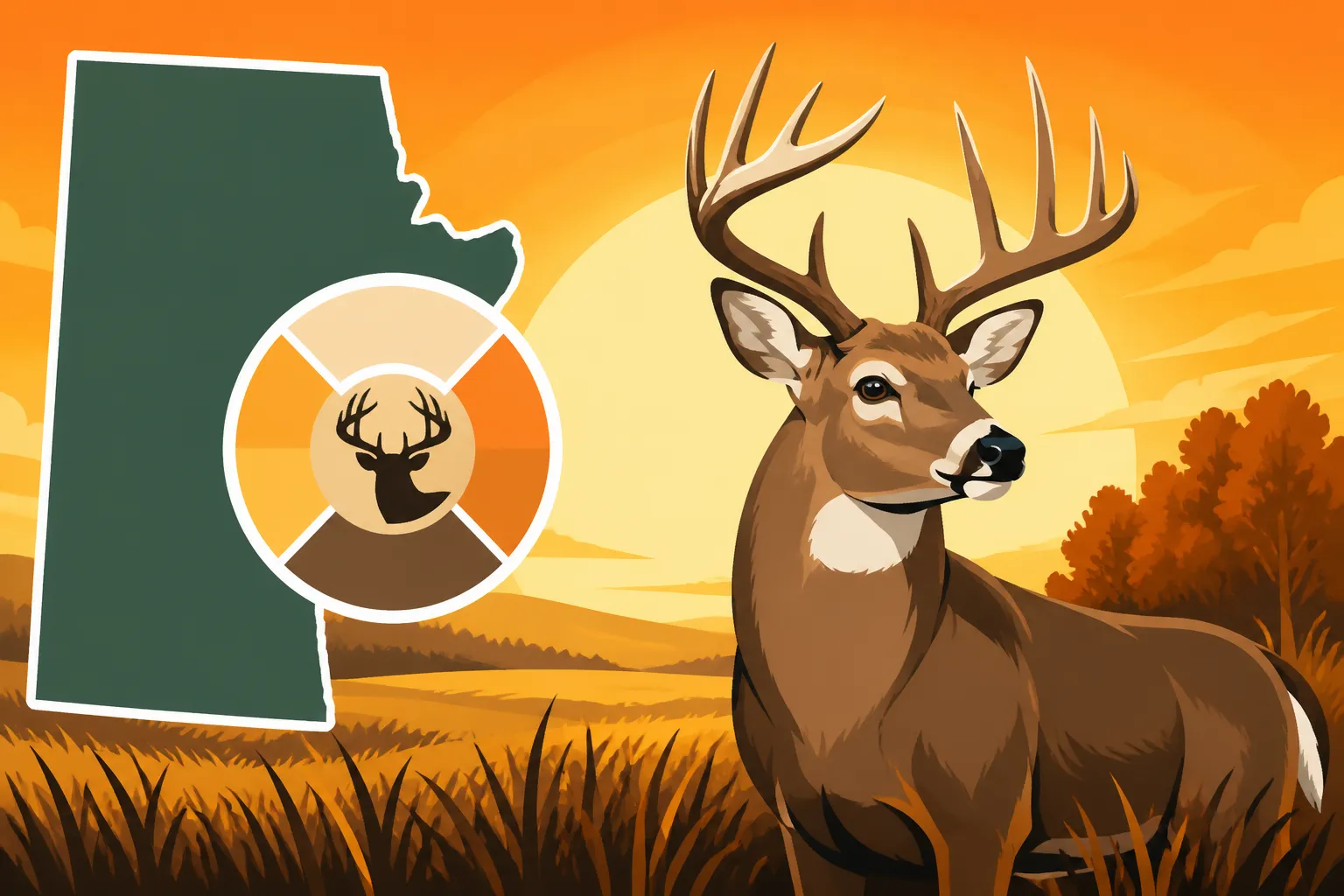
Based on decades of observation and biological studies, the primary breeding window for whitetail deer in Saskatchewan generally falls between November 5th and November 20th. This two-week stretch is when the vast majority of does come into estrus, and bucks are at their most active and vulnerable. This is the period when you'll see bucks scent-checking endlessly, chasing does through fields and bush, and engaging in aggressive sparring matches. Deer often drop their guard, driven by an instinct to breed that overrides their usual caution.
During this peak, bucks will push does until they are receptive, often leading to long, drawn-out chases that can cover significant ground. A buck might spend an entire day with a single doe or run himself ragged trying to find one. This is why those "all-day sits" become so critical, because deer movement is unpredictable and can occur at any hour. This intense activity is precisely why many hunters schedule their vacation time or guided hunts for this specific timeframe. Even if you only have a few days, stacking them within this two-week window gives you the highest statistical probability of encountering an active, mature buck in daylight.
Geographic Variations Across the Province
While the mid-November window holds true for most of the province, slight geographic variations can influence when the activity is most visible and how intense it feels. Saskatchewan is a massive province, stretching from open prairie in the south to dense boreal forest in the north, and these different habitats can play a role.
In the southern prairie and parkland regions, where visibility is often greater and deer densities can be very high, the rut activity might seem more pronounced. Bucks don't have as much dense cover to hide in, so their movements are more visible. Hunters often find success glassing open country or focusing on river valleys and coulees. Meanwhile, in the heavily treed areas of the provincial forest fringe and boreal forest, deer activity might be harder to observe, but it's happening just as intensely. Bucks might be moving through thick bush, using hidden trails and bedding in dense cover. The perception of activity can be influenced by how easily you can see the deer.
However, it's important to stress that these are subtle differences in perception and visibility, not usually a drastic shift in the biological peak. The photoperiod dictates the core timing. Hunters in the forest fringe might need to adapt their strategies, focusing more on Hunting the Forest Fringe for Big Bucks in pinch points and natural funnels, rather than relying on long-range glassing. Ultimately, regardless of where you are in Saskatchewan, if you’re hunting the second and third weeks of November, you're hunting during the peak.
Environmental Influences on Rut Timing and Intensity
While the photoperiod sets the stage, external environmental factors can act as a catalyst, making the rut feel more explosive or, conversely, making deer activity more subdued and nocturnal. Understanding these influences can help you predict daily deer movement and adjust your hunting strategy accordingly.
The Impact of Weather: Cold Snaps and Snowfall
Nothing gets bucks moving quite like a crisp, cold front during the rut. A sudden drop in temperature, especially after a period of mild weather, often kick-starts deer activity into high gear. The cold invigorates deer, making them more active to generate body heat and increasing their urgency to find food and breed. It's not uncommon for a cold snap to coincide with the peak rut, making for absolutely phenomenal hunting conditions.
Conversely, unseasonably warm temperatures can dampen daylight activity. Deer, especially mature bucks, are heavily insulated, and exertion in warm weather can quickly lead to overheating. During warm spells, you might find deer activity shifting more towards dawn, dusk, and even entirely nocturnal hours. This doesn't mean the rut isn't happening, but it means you might need to adjust your timing, focusing on the first and last hours of light, or even midday when temperatures might briefly dip.
Snowfall is another game-changer. A fresh blanket of snow not only makes deer sign incredibly visible – helping you identify active travel corridors and Reading Whitetail Sign in Saskatchewan Bluffs – but it also makes deer stand out against the white background, improving visibility for hunters. Crucially, deep snow can funnel deer into more confined areas, making them easier to pattern. It also encourages deer to move earlier and later in the day to feed, as finding forage becomes more challenging. Just remember, hunting in Hunting Saskatchewan Winter Weather Safely means being prepared for intense cold, which can often accompany those perfect snowy rut days.
Food Availability and Deer Movement
During the peak rut, bucks are often so consumed by breeding that they can go days with minimal feeding. However, the presence of attractive food sources can still be a major driver of doe movement, and where the does go, the bucks will eventually follow. Agricultural fields, particularly standing grain or stubble fields after harvest, provide essential calories for does, especially as they enter estrus and need to maintain energy.
In parts of Saskatchewan, you’ll find whitetails heavily utilizing diverse food sources. In the parkland and forest fringe, acorns, berries, and browse can be significant. In agricultural areas, standing corn, pea, or lentil fields will draw deer. During the rut, these areas become natural congregating points. Does will visit these areas to feed, and bucks will often patrol the edges, scent-checking for receptive does. Understanding where these preferred food sources are located in your hunting area is crucial for setting up a successful stand. A wise hunter using tools like GoHunt often looks for satellite imagery that highlights productive fields or dense timber pockets adjacent to these food sources, especially during the post-rut when deer are trying to recover weight. Being near a primary food source, especially in the afternoon, can be an excellent strategy for intercepting a cruising buck.
Reading the Signs: Deer Behavior During the Rut
The rut isn't just about dates; it's about deer behavior. Learning to interpret the subtle (and sometimes not-so-subtle) signs deer leave behind is like reading a story written in the woods. These clues tell you exactly what stage the rut is in and how intensely deer are moving.
Scrapes, Rubs, and Communication
Deer communicate extensively through scent, and during the rut, this communication goes into overdrive.
Rubs: These are visual markers where bucks scrape their antlers on small trees and saplings, typically removing bark and leaving behind scent from their forehead glands. Early in the pre-rut, bucks will start making "signpost rubs" – larger, more permanent rubs along primary travel corridors or territory boundaries. As the rut intensifies, bucks will make more numerous, smaller rubs as they cruise, leaving their calling card. A fresh, shiny rub with sap still weeping is a sure sign that a buck is actively using that area. Paying attention to the direction of these rubs can also tell you how a buck is traveling.
Scrapes: These are perhaps the most exciting sign during the rut. A scrape is an area of bare earth, typically 2-3 feet in diameter, where a buck has pawed away the leaves and debris, often directly under an overhanging branch (the "licking branch"). Bucks will urinate over their tarsal glands into the scrape, depositing scent, and also chew or rub their preorbital glands on the licking branch. Scrapes serve as communication hubs, with bucks and does visiting them to leave and check scent. During the pre-rut, scrapes appear and are visited intermittently. During the peak rut, active scrapes will be pawed up regularly, often multiple times a day. If you find a "community scrape" – a large, well-used scrape that shows signs of multiple deer visiting – you've found a hotspot. These are prime locations to set up a stand, as bucks are religiously checking them for receptive does. Look for clusters of scrapes along field edges or in timber where deer funnel.
Daylighting and Increased Activity
One of the most thrilling aspects of the peak rut is the increased daylight activity. Bucks that were strictly nocturnal for months suddenly appear in broad daylight, often oblivious to their surroundings, driven by the urge to breed. This is the period when you might catch a glimpse of that elusive monarch you’ve only seen on trail camera photos after dark.
You’ll observe bucks cruising endlessly, sometimes at a fast walk or even a trot, with their noses to the ground, searching for the scent of a hot doe. They might crisscross open fields, travel down logging roads, or follow fence lines without their usual caution. Chasing is also common, with a buck relentlessly pursuing a doe until she either stops or outruns him. These chases can be surprisingly long and loud, making it easier to pinpoint active deer. It's during this time that a hunter truly understands the value of Sitting All Day in a Saskatchewan Blind. Leaving your stand for lunch could mean missing the buck of a lifetime, as activity can peak at any point during the day. The sheer volume of movement and the distraction of does make bucks more susceptible to calls and rattling, which we'll discuss next.
Strategic Hunting Approaches During Saskatchewan's Peak Rut
When the rut is in full swing, your hunting strategy needs to evolve from passive observation to aggressive engagement. This isn't the time to be shy; it's the time to be present, persistent, and proactive.
All-Day Sits and Stand Placement
The single most important piece of advice for hunting the peak rut is to commit to all-day sits. Seriously. Forget the old adage about deer only moving at dawn and dusk. During the peak rut, a buck might get up from his bed at 10 AM, cruise until 2 PM, breed a doe, and then bed down again. Or he might chase a doe through the middle of a field at noon. If you’re not in your stand, you’re not in the game. You've invested time and effort; don't let a missed midday opportunity be your regret.
When it comes to stand placement, focus on high-traffic areas where does are likely to be, as well as natural funnels that bucks will use when searching. Think about:
- Pinch Points: Narrow strips of cover between open fields, timbered ridges that bottleneck into a small crossing, or even the small "bush bluffs" found in the parkland. These force deer into predictable travel paths.
- Edge Cover: The transition zone between dense cover (bedding) and open fields (feeding). Bucks will often cruise these edges, scent-checking for does.
- Near Active Scrapes and Rub Lines: As mentioned, these are communication hubs. Setting up downwind of a fresh scrape line can be deadly.
- Overlooking Doe Bedding Areas: If you know where does typically bed, setting up along the downwind side of a trail leading out of that area can intercept bucks checking for receptive females.
- Water Sources: Even in November, deer need water. A small pond, slough, or creek crossing can be a consistent draw, especially for deer pushing hard during the rut.
Remember, deer movement is often influenced by wind direction, so always set your stand to have the prevailing wind in your favor, blowing your scent away from where you expect deer to approach. GoHunt offers excellent mapping tools that allow you to analyze wind direction against terrain and potential deer movement, helping you fine-tune your stand locations.
Calling and Rattling Tactics
The rut is prime time for aggressive calling and rattling. Bucks are eager for interaction, either to find a receptive doe or to assert dominance over a perceived rival.
Rattling: This simulates two bucks fighting, which can pique the curiosity of a cruising buck or challenge a dominant one. During the pre-rut, softer rattling sequences might work. As the rut heats up, you can become more aggressive. Use real antlers or quality synthetic rattling horns for a realistic sound.
- Technique: Start with light sparring, gradually increasing in intensity to simulate a full-blown fight, then back off. Incorporate grunts, snorts, and even foot stomps to make it sound incredibly realistic.
- Timing: Rattle for 30-60 seconds, then wait quietly for 15-20 minutes, scanning all around you. Bucks might come in silently or circle downwind to get a sniff. This is especially effective in open country where sound carries well, and deer can hear it from a distance. In areas with dense cover, you might need to rattle more frequently. Learn how to adjust your Rattling Volume in Open Parkland versus tighter bush.
Grunt Calls: A deer grunt call mimics the sound of a buck or a doe.
- Buck Grunts: Short, deep grunts can simulate a buck cruising or trailing a doe. These are often used to stop a moving buck for a shot or to draw attention.
- Estrus Bleats/Bawls: These are doe vocalizations indicating she is ready to breed. A dominant buck hearing this could come charging in.
- Timing: Start with soft grunts, escalating if there's no response. Combine grunts with rattling or estrus bleats to create a more compelling scenario. Don't be afraid to experiment with Grunt Calls Late in Saskatchewan's Rut, as secondary rut activity can still draw in bucks.
Practice these calls before the season, and always be ready with your bow or rifle when calling, as a deer could appear out of nowhere.
Preparing for Your Peak Rut Hunt
Successful rut hunting in Saskatchewan isn't just about showing up; it's about meticulous preparation, especially given the challenging conditions you might encounter. The best way to increase your odds is to plan thoroughly and ensure you have the right gear and knowledge.
Gear Essentials for Cold Weather Hunting
November in Saskatchewan can be brutally cold. You absolutely cannot afford to be underdressed. Sitting still for hours in freezing temperatures is a test of endurance, and if you're shivering uncontrollably, your focus will be shot, and you'll likely leave your stand prematurely. Investing in high-quality cold-weather gear is non-negotiable.
- Layering System: This is key. Start with moisture-wicking base layers (merino wool or synthetic, never cotton). Add insulating mid-layers (fleece or down) and finish with a waterproof, windproof outer shell. Consider a "system" from brands like Sitka or Kuiu that are designed to work together.
- Extreme Cold Parka and Bibs: For sitting motionless, you need serious warmth. Insulated parkas and bibs designed for extreme cold are essential. Look for high fill power down or advanced synthetic insulation.
- Head and Hand Protection: A warm wool or fleece toque (beanie) is critical, as you lose a significant amount of heat through your head. Hand muffs with hand warmers are often preferred over thick gloves, allowing for better dexterity when shooting.
- Footwear: Insulated, waterproof boots are paramount. Look for boots rated for extreme cold (e.g., -40°C or colder) and make sure they are a size or two larger than your normal shoe size to allow for thick wool socks and air circulation. Consider pack boots with removable liners. Staying warm during Hunting Whitetails at Thirty Below requires serious commitment to proper gear.
- Portable Heater/Blind Heater: For enclosed ground blinds, a portable propane heater can be a lifesaver, making those all-day sits much more tolerable. Ensure proper ventilation if using one.
Beyond clothing, remember essentials like a high-quality thermos with hot coffee or soup, chemical hand/foot warmers, and sufficient food and water to last a full day in the stand.
Utilizing Technology and Scouting Tools
Modern hunting offers incredible technological advantages that can dramatically improve your scouting and in-field decision-making. Don't leave home without these tools:
- Mapping Apps (e.g., GoHunt, onX Hunt): These are indispensable. Use them pre-season to identify potential bedding areas, food sources, pinch points, and travel corridors. GoHunt, for example, allows you to overlay satellite imagery with public/private land boundaries, helping you identify prime areas and access points. During the hunt, they allow you to pinpoint your stand location, track deer movement, and navigate unfamiliar terrain. You can even mark fresh sign like rubs and scrapes to build a real-time picture of deer activity. When Scouting With Satellite Imagery in Saskatchewan, these apps are your best friend.
- Trail Cameras: Deploy trail cameras strategically along rub lines, scrape lines, and funnel points. They provide invaluable intelligence on buck activity, travel patterns, and specific times of movement, giving you real-time insight into what's happening when you're not there. Cellular cameras, while an investment, can provide instant updates directly to your phone.
- Rangefinder: Essential for ethical shot placement. Practice with it beforehand to ensure quick and accurate ranging in field conditions.
- Binoculars/Spotting Scope: High-quality optics are critical, especially for glassing open country or identifying deer in dense cover. For prairie hunting or long-range observation, a spotting scope can be incredibly useful.
- Weather Apps: Stay on top of the forecast. Knowing when a cold front is coming, or if strong winds will pick up, can help you adjust your hunting plan for the day.
Leveraging these tools effectively can give you a significant edge, turning guesswork into informed decisions and making your peak rut hunt more efficient and successful.
Disclaimer
Please note: Hunting regulations and seasons can change. Always consult the most current Saskatchewan Hunters' and Trappers' Guide for up-to-date information before planning your hunt. Safety should always be your top priority in the field.