How Heavy a Northern Wolf Gets
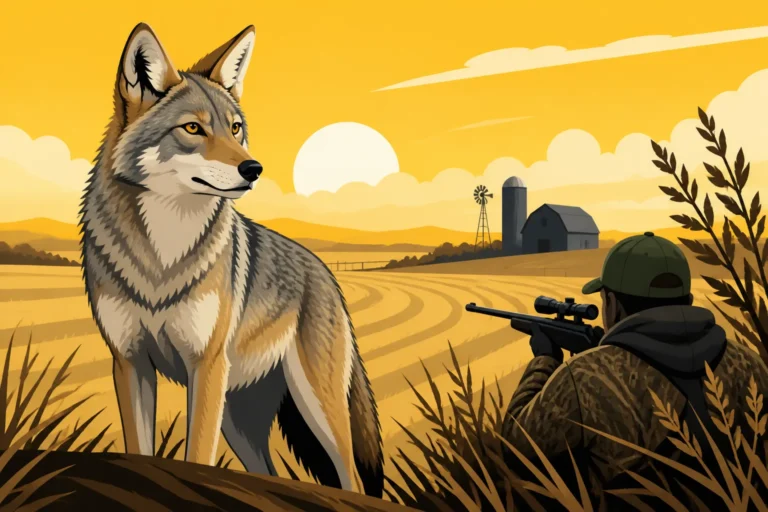
The sheer size of a northern wolf is something that truly captivates the imagination, especially for those of us who spend time in Saskatchewan's vast wilderness. Many hunters wonder exactly how much these apex predators can weigh, and let me tell you, it's a question rooted in the awe they inspire. This guide will delve deep into the factors that contribute to a northern wolf's formidable size and give you a realistic idea of what to expect when you encounter these magnificent animals in our wild spaces.
What Influences a Northern Wolf's Weight
When we talk about how heavy a wolf gets, it's not a single, simple answer. Just like deer or moose, a wolf's weight is influenced by a complex interplay of factors, from its genetic makeup to the bounty of its hunting grounds. Understanding these elements helps paint a more complete picture of why some wolves are truly giants of the boreal forest.
Age and Sex Differences in Wolf Size
Generally speaking, male wolves tend to be larger and heavier than females, a common pattern seen across many large mammal species. A young wolf, even a male, won't carry the same heft as a fully mature adult. It takes several years for a wolf to reach its peak physical development, filling out its frame and building muscle mass. A two-year-old wolf might be sexually mature, but a five or six-year-old alpha male is often a completely different beast in terms of size and presence. Females, while smaller, are still incredibly powerful and vital to the pack's success. It’s a common misconception that all wolves are massive, but it's usually the older, dominant males that reach those impressive weights we hear stories about.
Prey Abundance and Diet's Role
This is perhaps one of the most significant drivers of wolf size. Northern Saskatchewan is renowned for its robust populations of large ungulates, particularly moose and whitetail deer. A territory rich in these calorie-dense prey animals means wolves have consistent access to a high-quality diet, allowing them to grow larger and healthier. When their primary food source is plentiful, wolves don't have to work as hard or travel as far to find sustenance, meaning more energy can go towards growth and maintaining a larger body mass. Think about it: a wolf pack feasting regularly on prime moose in the deep bush will naturally be more robust than one struggling on smaller prey in a more marginal habitat. This abundance directly impacts individual wolf health and, subsequently, their maximum potential size. Do Wolves Affect Saskatchewan Moose Numbers? is a question often linked to this dynamic.
Geographic Variation in Saskatchewan's Wolf Populations
Saskatchewan is a vast province, and the landscape changes dramatically from the southern prairies to the far northern boreal forest. These distinct environments support different prey bases and present unique challenges, which in turn affect wolf populations. Wolves in the deepest, most remote parts of the boreal forest, where moose and caribou might be the primary diet, often grow larger. They typically face less human pressure, can roam larger territories, and benefit from a more stable and less fragmented ecosystem. In contrast, wolves found closer to the forest fringe or even venturing onto agricultural lands might have a more varied diet, including deer, elk, and even smaller game or livestock. While still formidable, these wolves might not always reach the same colossal sizes as their counterparts in the untouched wilderness.
Typical Weight Ranges for Saskatchewan Wolves
Alright, let's get down to the numbers. While exact weights can vary wildly based on the individual animal and the conditions of its environment, we can provide some general ranges for what you might expect from a northern wolf in Saskatchewan. These aren't just guesses; they come from years of observation by hunters, trappers, and wildlife biologists who have encountered these animals firsthand.
Average Weights for Mature Adult Wolves
For a mature adult grey wolf (the species found in Saskatchewan), the average weight can typically fall between 70 to 110 pounds (around 32 to 50 kilograms). However, for those robust northern individuals, especially the dominant males that have survived several seasons, it's not uncommon to see them pushing the upper end of that range, or even exceeding it. A large, healthy male wolf in the northern boreal forest might easily weigh 120 to 140 pounds (55 to 64 kilograms). Females, while still powerful, are usually on the lighter side, averaging perhaps 60 to 90 pounds (27 to 41 kilograms).
It's truly a magnificent sight to witness a full-grown wolf, even from a distance, and their size can often be deceiving. They are lean, muscular machines built for endurance and power, not necessarily for sheer bulk like a grizzly bear. When you see one loping through the snow, its long legs and deep chest become apparent, hinting at the power within.
The Exceptional Specimens: Truly Massive Wolves
Now, this is where the stories begin. While the averages are important, there are always those exceptional individuals that defy expectations. We hear tales, and occasionally see evidence, of truly massive wolves taken in Saskatchewan's north. These are the wolves that might weigh in at 150 pounds, 160 pounds, or even more. Some reports from trappers in the deepest reaches of the northern bush have spoken of wolves approaching or even exceeding 170 pounds (77 kilograms). These are the truly rare, old alpha males, often solitary or leading small, highly efficient packs, that have had a lifetime of successful hunts and ample food. They've navigated harsh winters and intense competition, proving their resilience.
It's important to remember that these giants are not the norm, but they certainly exist, adding to the mystique of hunting or trapping in our northern wilderness. When you're out Hunting Wolves in the Northern Bush, every track in the snow or howl on the wind could belong to one of these incredible animals.
Here's a general overview of wolf weights in Saskatchewan's northern zones:
| Category | Typical Weight Range (Pounds) | Typical Weight Range (Kilograms) | Notes |
|---|---|---|---|
| Mature Adult Female (Average) | 60 – 90 | 27 – 41 | Lean, agile, often smaller than males. |
| Mature Adult Male (Average) | 80 – 120 | 36 – 55 | Strong, powerful, common in healthy populations. |
| Large Northern Male | 120 – 150 | 55 – 68 | Exceptionally well-fed, older, dominant males from prime territories. |
| Exceptional Specimen | 150+ | 68+ | Very rare, old alpha males; the subject of many hunter and trapper stories. |
Why Northern Wolves Often Outweigh Their Southern Cousins
The term "northern wolf" isn't just a geographical descriptor; it often implies a difference in size and stature. There are tangible reasons why wolves inhabiting the colder, wilder regions of Saskatchewan tend to be larger and heavier than those found further south, or in less pristine environments elsewhere. It's a testament to adaptation and the specific conditions of their habitat.
Harsh Climate and Survival of the Fittest
The brutal winters of northern Saskatchewan are no joke. Temperatures can plummet, and snow depths can be extreme. In such a demanding environment, natural selection favours animals with larger body masses. A larger animal has a smaller surface area to volume ratio, which helps it conserve heat more efficiently in the cold. It also has greater energy reserves to draw upon during lean times, and simply more physical power to navigate deep snow and tackle large prey. Only the strongest and most well-adapted wolves survive and thrive in these conditions, leading to a population of generally larger, hardier individuals over generations. The wolves you find deep in the boreal are truly built for the cold.
Richer, More Diverse Prey Base
As mentioned earlier, food availability is paramount. The northern regions of Saskatchewan, particularly the boreal forest and its fringes, are prime habitat for species like moose, elk, and healthy populations of whitetail deer. This rich larder provides a consistent and high-quality food source that fuels the growth and maintenance of large wolves. Compare this to areas where prey might be smaller, more scattered, or heavily impacted by human development. Wolves in a productive ecosystem, such as those found around the Hunting Saskatchewan's Northern Lake Country, have a distinct advantage. Many dedicated hunters, especially those exploring vast northern territories, rely on robust mapping and scouting tools like GoHunt to understand game distribution and habitat features that support large prey animals, which in turn influences wolf size. Understanding the dynamics of What a Bull Moose Weighs in the North directly relates to the energy intake available to a wolf pack.
Less Human Pressure in Remote Areas
The further north you go in Saskatchewan, the less fragmented the landscape becomes by human activity. There are fewer roads, less development, and vast expanses of uninterrupted wilderness. This means wolves have larger territories to roam, experience less direct disturbance, and often face less hunting or trapping pressure compared to populations closer to settled areas. Reduced human impact allows individual wolves to live longer, reach their full genetic potential, and simply grow bigger over time. Older wolves, having survived many years, have had more opportunities to grow and accumulate mass. This undisturbed environment is a key factor in nurturing the truly massive wolves that call our north home.
How Hunters and Wildlife Managers Estimate Wolf Size
For those of us observing or pursuing wolves, accurately judging their size in the field can be quite a challenge. Their lean build and deceptive speed can make them appear smaller or larger than they actually are. However, both hunters and wildlife managers employ various methods to estimate and, eventually, confirm the weight of these magnificent predators.
Field Judgement and Its Challenges
When you're glassing a wolf from a distance, perhaps during a hunt or just observing nature, judging its exact weight is incredibly difficult. Factors like the distance, the terrain, the angle, and even the amount of snow can play tricks on your eyes. A lone wolf often looks bigger than it is, while a wolf running alongside a moose can look smaller by comparison. Look for broad shoulders, a deep chest, and a large head with thick neck fur. The length of its legs relative to its body can also be an indicator; truly large wolves tend to have powerful, substantial limbs. Observing a wolf's tracks can also give you a clue to its size. A track that is significantly larger than your hand is a good sign you're dealing with a substantial animal. Comparing tracks and scat can also give you clues, and combined with advanced mapping applications like GoHunt, you can start to build a picture of the overall predator activity in an area.
Post-Harvest Measurement and Data Collection
The most accurate way to determine a wolf's weight is, of course, after it has been harvested. Hunters and trappers who legally take a wolf often weigh the animal, either in the field with a portable scale or at a local butcher or processing facility. This data is incredibly valuable for wildlife managers. Consistent weight measurements, along with sex and age data, help biologists track population health, understand environmental impacts, and monitor trends in wolf size over time. This information contributes to a broader understanding of the ecosystem dynamics and the effectiveness of management strategies. When planning your hunting season, considering the overall health and size of the game in specific zones can be helpful, and tools like GoHunt can aid in scouting these areas. This contributes to the overall knowledge base of how many wolves Saskatchewan holds and their ecological impact. For those serious about understanding the ecology of these magnificent animals, or for planning a hunt, resources like GoHunt offer invaluable data on landscape features and potential game hotspots.
Disclaimer
This article is for general informational purposes only and does not constitute professional advice. Laws, prices and regulations vary by location and change over time. Consult a qualified professional for guidance on your specific situation.