Which Saskatchewan Species Test Positive Most
One of the most pressing concerns for many hunters across Saskatchewan is the shadow of Chronic Wasting Disease (CWD). It's a truly disheartening reality to think about, and it naturally leads to questions about which species are most affected and what that means for our hunting experiences and for the health of our cherished wildlife populations. This guide aims to shed light on which Saskatchewan species unfortunately show the highest positive rates for CWD, helping you understand the landscape of this disease.
The Unfortunate Reality: Whitetail Deer and CWD Prevalence
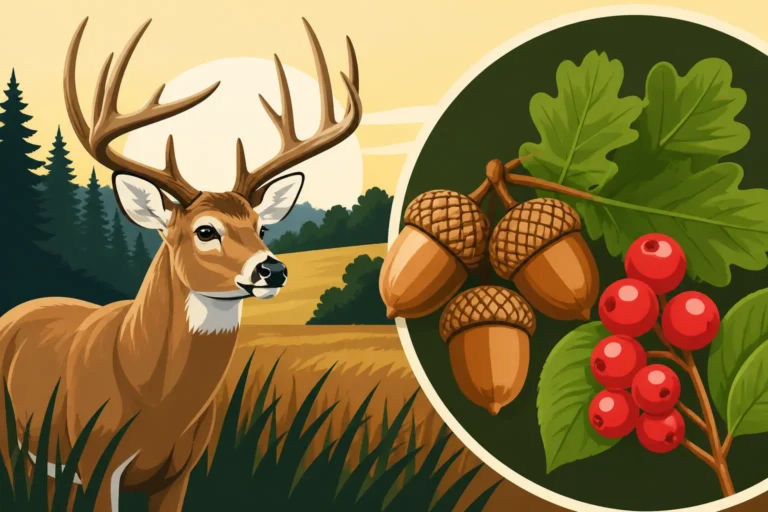
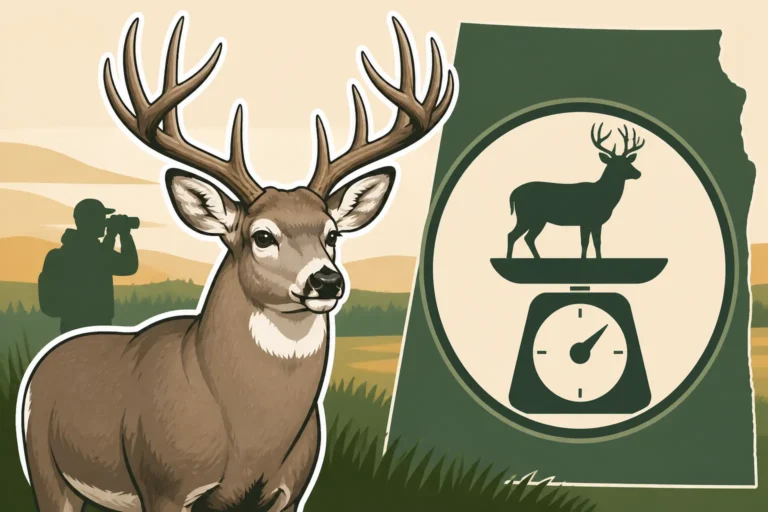
It's tough to hear, but across Saskatchewan, and indeed much of North America where CWD is present, white-tailed deer are consistently the species with the highest observed prevalence of Chronic Wasting Disease. This isn't just a random occurrence; there are several biological and ecological factors that contribute to this unfortunate reality.
Understanding Whitetail Vulnerability
White-tailed deer are incredibly adaptable creatures, thriving in a wide range of habitats from dense boreal forests to open prairie farmlands and even close to human settlements. This adaptability often leads to higher population densities, especially in productive areas like Saskatchewan's parkland and forest fringe. When deer congregate more frequently, whether at natural food sources, supplemental feeding sites, or even simply within their social groups, the chances of CWD transmission increase dramatically. The disease spreads through direct contact with infected animals' bodily fluids, but also indirectly through contaminated environments, such as soil or vegetation where infected deer have deposited prions. Given their relatively high population numbers and often localized social structures, whitetails provide more opportunities for the disease to take hold and spread within a herd. You might be watching a group of deer using a field edge every evening, and while it's a great sign for hunting, it's also a vector for potential disease transmission among them.
Think about how often you see multiple whitetails together – a doe with her fawns, a bachelor group of bucks, or deer congregating on a prime food plot or wintering area. Each of these interactions, while normal for deer, also presents a chance for prions to be exchanged. This is especially true during the rut, when bucks are actively seeking does and covering significant ground, potentially spreading the disease across wider areas. The more deer in a given area, the more "contact points" there are for CWD to move from one animal to the next. For those who track deer movement patterns, perhaps using digital tools like GoHunt, understanding where deer concentrate can also unfortunately highlight areas of potential CWD concern.
Regional Differences in Whitetail Prevalence
While CWD is unfortunately widespread across Saskatchewan, its prevalence in white-tailed deer isn't uniform. There are certain Wildlife Management Zones (WMZs) where the disease has been detected earlier and where positive rates are consistently higher. Generally, the southern and central parts of the province, particularly in the agricultural and aspen parkland regions, tend to report higher numbers of positive cases in whitetails. These are often areas where deer populations are robust, and there's a good mix of cover and food sources, leading to those higher densities we just talked about. When you review CWD surveillance maps from Saskatchewan, you'll often see these zones highlighted, indicating ongoing efforts to monitor the disease. Understanding How Many Saskatchewan Zones Have CWD is crucial for any hunter.
For instance, a hunter pursuing a whitetail buck in a thick bush bluff bordering a pea field near Yorkton might find themselves in a higher prevalence zone compared to someone hunting further north in the deep boreal forest. It's not to say CWD isn't a concern everywhere, but the sheer numbers of whitetails and their habitat use in these productive zones unfortunately create a more fertile ground for the disease. Hunters are strongly encouraged to submit heads for testing, especially from these known higher-risk areas. Submitting a head isn't just a requirement in some zones, it's a vital part of helping the province track and understand the disease's spread. It also provides peace of mind regarding the animal you've harvested. Knowing Which Saskatchewan Zones Require CWD Testing is a must.
Beyond Whitetails: CWD in Mule Deer and Elk
While whitetails often lead the unfortunate count, other cervid species in Saskatchewan are also susceptible to CWD. Mule deer are another species that can show significant positive rates, particularly in areas where their range overlaps with whitetails. Elk, too, have been identified with CWD, though generally at much lower rates than deer.
Mule Deer: A Close Second in the Prairies
Mule deer, especially those residing in the prairie and parkland regions of Saskatchewan, also exhibit a notable susceptibility to CWD. Their positive rates are typically lower than whitetails but are still significant enough to warrant serious attention from hunters and wildlife managers. One of the main reasons for this is the significant habitat overlap mule deer share with white-tailed deer in many areas of the province. Where you find whitetails in the coulees and brush of southern Saskatchewan, you'll often find mule deer right alongside them. This shared environment facilitates the potential for disease transmission between the two species, or through contaminated environments they both utilize.
Mule deer also exhibit social behaviors, forming herds, though perhaps not as tightly clustered as some whitetail groups, especially during certain times of the year. During harsh winters, they might congregate in sheltered coulees or river bottoms, increasing potential contact. A hunter glassing a Saskatchewan coulee for mule deer, for example, might also be observing whitetails in the same general area, unknowingly observing a shared risk. Being aware of What CWD Has Done to Saskatchewan Deer is vital. Tools like GoHunt can help visualize terrain and potential game concentrations, which, while beneficial for scouting, also reminds us of areas where CWD might be more prevalent due to deer activity.
Elk and Moose: Lower, But Present Risks
Elk, being herd animals that often move over larger territories, can also contract CWD. However, observed prevalence rates in Saskatchewan elk populations are generally much lower than those found in either white-tailed or mule deer. This could be attributed to several factors, including different social dynamics, typically lower population densities in some areas, and perhaps genetic differences in susceptibility. That said, CWD positive elk have certainly been detected, particularly in areas where elk ranges overlap with deer populations that have higher CWD rates. Hunters pursuing elk in areas like the Porcupine Hills or Moose Mountain, where deer populations are strong, should certainly remain vigilant.
Moose, on the other hand, appear to have the lowest susceptibility among the cervids in Saskatchewan. Positive CWD cases in moose are rare, both in Saskatchewan and in other jurisdictions. This could be due to their more solitary nature compared to deer and elk, their distinct habitat preferences, which often keep them away from high deer concentrations, and potentially some genetic resistance to the disease. While the risk is exceedingly low, it's not zero, and continued surveillance is important. It's truly a relief for those who pursue these magnificent animals to know the risk is so minimal, but it doesn't mean we can drop our guard completely regarding cervid health in general.
Here's a simplified look at the relative prevalence in Saskatchewan:
| Species | CWD Prevalence (Relative Risk) | Key Factors |
|---|---|---|
| White-tailed Deer | High | High population densities, social behavior, wide habitat adaptability, overlap with agricultural areas. |
| Mule Deer | Moderate to High | Significant habitat overlap with whitetails, social groups, often concentrated in coulees or sheltered areas. |
| Elk | Low to Moderate | Herd animals, but generally lower densities than deer in many areas, specific ranges may see higher rates. |
| Moose | Very Low | More solitary nature, distinct habitat preferences, potentially genetic resistance. |
| Caribou | Not Detected/Extremely Low | Very distinct habitat, often isolated populations in northern boreal regions. |
| Pronghorn | Not Susceptible (Non-Cervid) | Not a cervid, therefore not susceptible to CWD. |
What These Numbers Mean for Hunters
Understanding which species are most affected by CWD is more than just academic knowledge; it has real, practical implications for every hunter heading out into the Saskatchewan landscape. It empowers you to make informed decisions about hunting locations, meat handling, and your overall role in wildlife management.
Making Informed Decisions in the Field
Knowing that white-tailed and mule deer have higher CWD prevalence means hunters targeting these species, especially in known higher-risk zones, should be particularly diligent. This starts with scouting. When using mapping applications or platforms like GoHunt, pay attention not just to deer sign but also to any provincial CWD surveillance information available for that specific Wildlife Management Zone. If you're hunting in a zone with a history of CWD positives, it's wise to plan on getting your animal tested, regardless of whether it's mandatory. Many hunters, especially those with families, find great peace of mind in waiting for a negative test result before consuming the meat. Think of it as an extra step in your Meat Care in Saskatchewan's Cold Snaps routine.
If you harvest a deer or elk, consider separating the skull, brain, and spinal cord from the meat in the field. This minimizes the risk of contaminating the meat if the animal were to test positive. Always wear gloves when field dressing, and avoid cutting through the brain or spinal column. While there's no evidence of CWD transmission to humans, caution is always the best approach, especially when dealing with prions. Don't waste game meat, but if an animal tests positive, follow the recommendations provided by provincial wildlife authorities for disposal, which generally means not consuming it and disposing of it carefully to prevent environmental contamination. Knowing Whether CWD Meat Is Safe to Eat becomes less of a worry if you're prepared.
The Role of Surveillance and Hunter Participation
Hunter participation in CWD surveillance is absolutely critical to understanding and managing this disease. Every head submitted for testing, whether voluntarily or as part of a mandatory program, provides invaluable data to wildlife biologists. This data helps track the disease's spread, identify hot spots, and inform management strategies aimed at mitigating its impact on Saskatchewan's cervid populations. Without hunters actively participating, our understanding of CWD would be severely limited, making it much harder to protect the future of hunting in the province.
It's a collective responsibility, really. When you take the time to submit a head at a designated drop-off location or by working with a local biologist, you're contributing to a much larger effort. This proactive involvement not only helps protect the health of the herd but also ensures that future generations can continue to enjoy the rich hunting traditions Saskatchewan offers. Resources outlining Saskatchewan's CWD Testing Rules are readily available and should be reviewed by all hunters. Your commitment helps ensure that Saskatchewan remains a premier destination for White-Tailed Deer, Saskatchewan's Signature Animal and other species.
Frequently Asked Questions About CWD in Saskatchewan
Navigating the complexities of Chronic Wasting Disease can lead to many questions. Here are some of the most common inquiries hunters have when considering CWD in Saskatchewan.
Is CWD Spreading Rapidly Across All Species?
While CWD is unfortunately widespread across Saskatchewan's deer populations, its spread is not uniform across all cervid species, nor is it necessarily rapid in every area. As discussed, white-tailed deer generally show the highest and most consistent rates of increase and detection, followed by mule deer. Elk populations have shown lower, more localized prevalence, and moose remain largely unaffected with very few positive cases reported. The rate of spread can vary significantly by Wildlife Management Zone, influenced by factors like deer density, habitat type, and migration patterns.
For example, a zone with high deer numbers and consistent deer movement across the landscape might see a more pronounced spread than a more isolated area with lower densities. The province's ongoing surveillance efforts, largely supported by hunters submitting samples, are crucial for tracking these trends and identifying areas where CWD is emerging or intensifying. This allows for targeted management efforts and helps hunters make informed decisions about where and how they hunt. Staying informed through provincial wildlife resources, perhaps even cross-referencing with data visualizations found on platforms like GoHunt, is a key part of staying ahead of this disease.
What Should I Do If I Harvest an Animal in a CWD Positive Zone?
If you harvest any cervid in a zone identified with CWD, particularly a white-tailed or mule deer, it is highly recommended to have the animal tested, even if it's not a mandatory testing zone. This provides you with peace of mind regarding the safety of the meat and contributes vital data to provincial surveillance programs. You should familiarize yourself with Saskatchewan's CWD Testing Rules and the locations of CWD head drop-off sites before your hunt. Always wear gloves during field dressing and avoid contact with the brain, spinal cord, and lymph nodes.
When transporting the animal, understand the rules regarding carcass movement, especially between CWD-positive and CWD-negative zones, to prevent inadvertently spreading the disease. Typically, only de-boned meat, cleaned skull plates, and capes are allowed to cross certain boundaries. For hunters needing to move an animal across zones, especially if coming from a mandatory testing zone, following these guidelines is not just recommended, it's legally required. By taking these precautions, you are acting as a responsible hunter and helping to protect Saskatchewan's wildlife resources.
Are There Any Species That Are Immune to CWD?
Currently, there are no known cervid species that are completely immune to CWD. While some species like moose exhibit very low susceptibility and positive cases are rare, it doesn't mean they are entirely immune. It simply means the disease appears to be far less prevalent in their populations, potentially due to differences in genetics, social structure, and habitat use that reduce exposure or resistance to the prion protein.
Non-cervid species, such as pronghorn antelope, are not susceptible to CWD as it is a disease specific to the cervid family (deer, elk, moose, caribou). This is why pronghorn are not included in CWD surveillance programs in the same way deer and elk are. For hunters, this means while you should always practice good game handling and hygiene, the specific concern for CWD applies only to the cervid species you are pursuing. Understanding these distinctions helps focus our efforts where they are most needed.
Disclaimer
This article is for general informational purposes only and does not constitute professional advice. Laws, prices and regulations vary by location and change over time. Consult a qualified professional for guidance on your specific situation.