Saskatchewan’s Record Black Bear
It’s easy to feel like the truly legendary animals, the ones that grace the record books, are out of reach for the average hunter. We all dream of that once-in-a-lifetime buck or bull, but what about the silent giants of the boreal forest? Saskatchewan is renowned for its big game, and while whitetails often steal the spotlight, the province also boasts some truly immense black bears, including an incredible record animal. This guide dives deep into the story of Saskatchewan's record black bear, exploring what makes our province a haven for these colossal creatures and how its legacy continues to inspire hunters today.
The Allure of Saskatchewan's Black Bears
Saskatchewan might be famous for its vast prairie landscapes, but head north, and you'll find expansive boreal forests, rich in biodiversity and home to a thriving black bear population. These aren't just any bears; many hunters consider Saskatchewan a top destination for genuinely large, trophy-calibre black bears. The sheer size and colour variations of bears harvested here are often astounding, leading to many successful hunts and unforgettable stories. The idea of pursuing an animal that could potentially measure up to or even exceed the provincial record is a powerful draw, showcasing the wild heart of our northern wilderness.
Why Saskatchewan Produces Giants
There are several compelling reasons why black bears in Saskatchewan grow to such impressive sizes. It’s not just luck; it's a combination of habitat, diet, genetics, and hunting pressure. Our northern forests provide an abundance of nutrient-rich food sources that are critical for bears to pack on the pounds year after year. Think about the vast berry patches, the early spring greens, and the mast crops that fuel their growth and sustain them through the long winters. This rich diet, combined with ample space and relatively low hunting pressure in many remote areas, allows bears to live longer and reach their full genetic potential. When you compare it to other regions, the conditions here are almost tailor-made for producing bears with serious body mass and skull size. It truly is a testament to the health of our northern ecosystems.
Beyond the food, genetics play a significant role. Saskatchewan's black bear population has a strong genetic base for large individuals, passed down through generations. These bears are survivors, perfectly adapted to the challenges of the northern environment. The relatively undisturbed nature of vast tracts of boreal forest means that older, larger bears aren't constantly being removed from the population, allowing them to continue to grow. This combination of factors creates a unique environment where the average bear size is already impressive, and the potential for a true giant is always present. For hunters using resources like GoHunt to scout prime areas, understanding these ecological advantages is key.
Understanding Black Bear Habitats
To understand why Saskatchewan grows record black bears, you need to understand where they live. Our province transitions from the agricultural plains in the south to the aspen parkland, and then sharply into the vast, dense boreal forest and Canadian Shield country in the north. This boreal region, characterized by its mixedwood forests of spruce, pine, and poplar, interspersed with wetlands, muskeg, and numerous lakes and rivers, is prime black bear habitat. These areas offer everything a bear needs: dense cover for security, abundant water sources, and a diverse larder of food. You’ll often find bears frequenting areas where different habitat types meet, such as the edge of a cutline and thick bush, or along river valleys. For a comprehensive look at their domain, check out Black Bears in Saskatchewan's Boreal Forest.
During the spring, bears are often found along south-facing slopes, old logging roads, and cutlines, where the first green-up occurs. They're looking for fresh grasses, sedges, and other herbaceous plants to kickstart their metabolism after denning. As summer progresses, their diet shifts to berries – saskatoons, blueberries, cranberries, and pincherries are all high on the menu. Then, in the fall, they'll gorge on hazelnuts, acorns (where available), and anything else high in calories to build up fat reserves for winter hibernation. Understanding these seasonal food preferences and the corresponding habitats is crucial for successful bear hunting, whether you're setting baits or planning a Spring Bear Hunting Saskatchewan's Cutlines expedition. Hunters who study these patterns are often the ones who find the biggest bears.
Chasing the Record: What Makes a Trophy Bear
When we talk about a "record" black bear, we're usually referring to its skull size as measured and entered into a record-keeping system like the Boone and Crockett Club. Unlike antlered game where the rack is the focus, bears are judged by the circumference and length of their skull. A truly exceptional bear, one that makes the record books, isn't just big in body; it has a massive head to match. It’s a testament to its age, its genetics, and the richness of its environment. This pursuit of a record animal adds another layer of challenge and excitement to an already thrilling hunt, pushing hunters to understand every detail of bear biology and behaviour.
The Boone and Crockett Club and Bear Scoring
The Boone and Crockett Club is the gold standard for North American big game records. Their system provides a standardized, objective way to measure and compare the size of game animals. For black bears, the score is determined by adding the greatest length of the skull to the greatest width, both measured to the nearest sixteenth of an inch. These measurements are taken after a mandatory drying period to account for any shrinkage. It's a precise process designed to ensure fair comparison and to recognize truly exceptional specimens. Many hunters consult their guide or official measuring stations after a successful hunt to see if their bear has what it takes.
The significance of a Boone and Crockett entry isn't just about bragging rights; it's also a valuable indicator of wildlife health and management success. A high-scoring animal often comes from a healthy, well-managed population with good genetics and abundant habitat. Saskatchewan's consistent production of large bears speaks volumes about the quality of its black bear resource. Knowing this context helps hunters appreciate the true value of their pursuit, whether they're aiming for a record or simply a fulfilling experience in the woods. This meticulous record-keeping is part of what elevates hunting from a pastime to a conservation effort, celebrating the magnificent animals we are privileged to pursue.
Key Characteristics of a Record Bear
So, what does a black bear need to be considered a record contender? Beyond just the skull measurements, there are some visual cues and biological factors that often correlate with a trophy-class animal. First, age is paramount. A record bear is almost always an old bear, typically a male (boar) that has survived many hunting seasons and natural challenges. These bears have had more time to grow, both in body size and skull development. You'll often see distinct physical traits on older boars: a blocky, massive head, a thick neck, and broad shoulders that give them a heavy, powerful appearance.
Secondly, diet and habitat directly influence growth. Bears from areas with consistently rich food sources will generally develop larger bodies and skulls. Think of the bears found deep in the boreal forest where competition might be lower and natural food sources are abundant. Body weight can be a good indicator, as a bear with significant mass is likely an older, healthier animal. While not a direct scoring factor, a bear's body size gives a strong hint about its potential skull size. Hunters often estimate What a Northern Black Bear Weighs and look for signs of a mature animal, like worn teeth or a grizzled muzzle, which also suggest age. These are the characteristics that make a hunter’s heart pound, knowing they might be looking at a true giant.
Saskatchewan's Legendary Bear and Its Legacy
While many large black bears are harvested in Saskatchewan each year, one stands out as the official provincial record. This particular animal serves as a benchmark, a symbol of the immense potential of Saskatchewan's wilderness. Its story isn't just about a measurement; it's about the landscape, the conditions, and the dedication of the hunter that led to its discovery. The very existence of such a giant bear solidifies Saskatchewan's reputation as a world-class destination for black bear hunting.
Details of the Record Bear
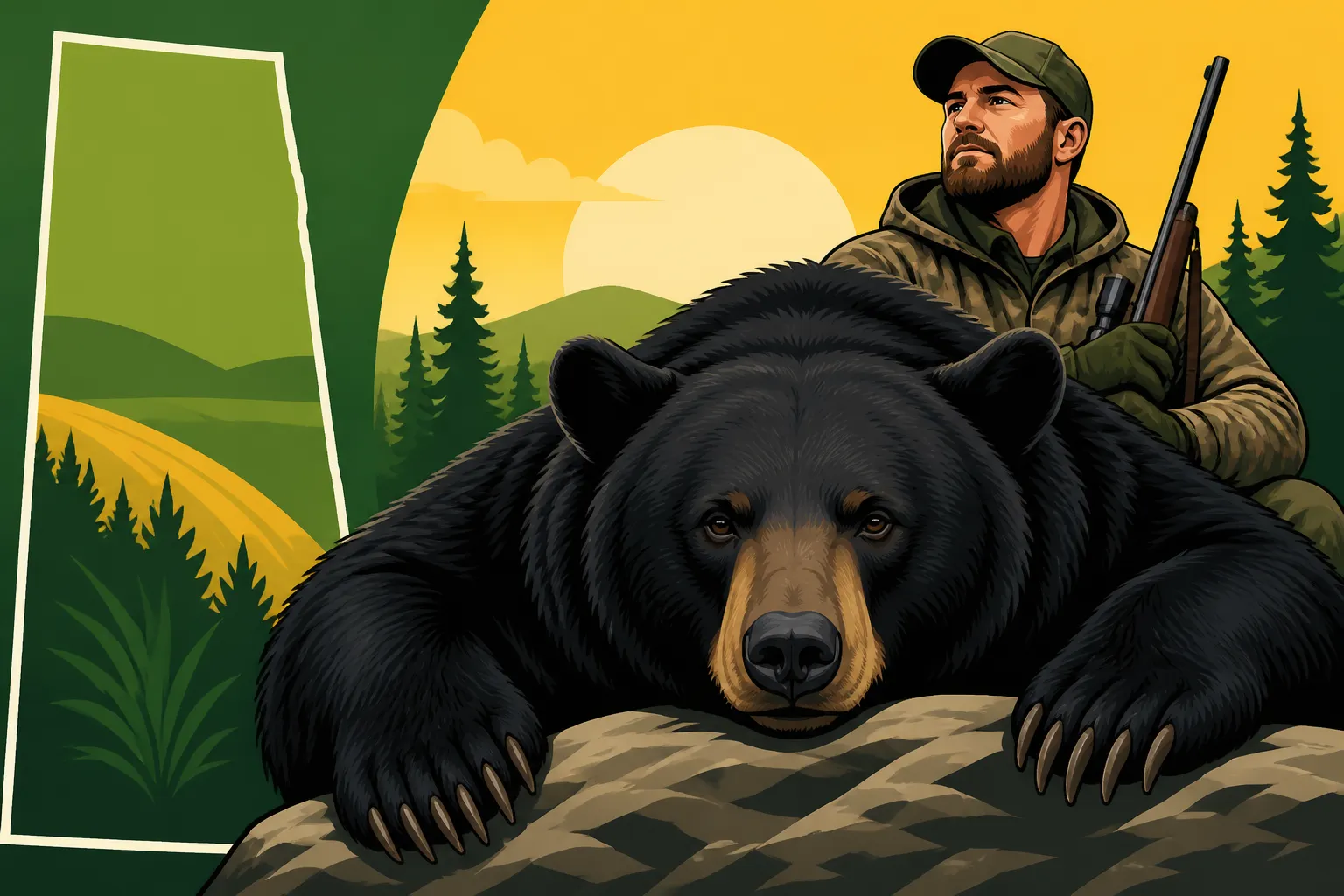
The current provincial record black bear in Saskatchewan, recognized by the Boone and Crockett Club, is a colossal animal that scored an incredible 22 8/16 inches. This magnificent boar was taken by James Holbrook way back in 1966, a testament to the long-standing potential of Saskatchewan's bear country. Imagine the thrill of encountering such a creature in the wild, knowing that it represents the absolute peak of its species in terms of size. It's a number that speaks to an animal that likely lived a long, healthy life, navigating the challenges of the northern bush, and feasting on the bounty that our forests provide.
This bear's skull size places it among the largest ever recorded anywhere, not just provincially. Its legacy highlights that Saskatchewan has always been a place where giant bears roam, not just in recent years but for generations. While the exact location of such a historical animal often becomes part of hunting lore, the fact remains that such an animal was produced here. For current hunters, it’s proof that there are still monsters out there, quietly growing in the vastness of the boreal forest, just waiting to be discovered. This remarkable record continues to draw hunters from far and wide, hoping to encounter their own piece of history.
The Impact on Saskatchewan's Hunting Reputation
Saskatchewan's record black bear has an indelible impact on the province's hunting reputation, drawing attention from across North America and beyond. It serves as a powerful testament to the health and vitality of our bear population and the quality of our wild spaces. When hunters think of trophy black bears, Saskatchewan consistently ranks high on the list, and records like Holbrook's bear are a major reason why. This reputation is well-earned, built on consistent harvests of large animals and the widespread recognition that this province offers exceptional opportunities.
This record, along with the consistent production of other large bears, helps cement Saskatchewan as a premier destination for Black Bear Hunting in Saskatchewan. Outfitters and guides proudly highlight the potential for record-book animals when talking to prospective clients. It's a source of pride for resident hunters as well, knowing that their home province harbors such magnificent wildlife. This reputation also drives conservation efforts, as the value of such an incredible resource is understood and appreciated by hunters, landowners, and wildlife managers alike. Knowing that such giants exist motivates us all to protect the habitats that allow them to thrive.
Strategies for Hunting Big Bears in Saskatchewan
Hunting big, mature black bears in Saskatchewan is a pursuit that requires patience, skill, and a deep understanding of bear behaviour. These aren't easy animals to fool; the biggest bears have survived multiple hunting seasons and are often the most reclusive and wary. While luck always plays a part, success often comes down to meticulous scouting, strategic setup, and knowing when and where to be. Whether you prefer the classic baiting approach or the challenge of spot-and-stalk, Saskatchewan offers diverse opportunities to target these impressive animals.
Baiting vs. Spot-and-Stalk
When it comes to hunting black bears in Saskatchewan, two primary methods stand out: baiting and spot-and-stalk. Both have their proponents and their own unique set of challenges and rewards.
Baiting is a very popular and effective method, especially for targeting larger, nocturnal bears. The premise is simple: establish a consistent food source in an area with good bear sign and wait for bears to become accustomed to visiting it during shooting hours. This method allows hunters to observe bears, identify mature boars, and ensure a clean, ethical shot. Setting up a successful bait site involves careful planning, consistent refreshing, and placing it in an area where bears feel secure enough to visit during daylight. For more detailed insights, you might want to read Baiting Black Bear in Saskatchewan or Setting a Bear Bait Site in Saskatchewan. The patience required for bait hunting can be immense, but the payoff of watching a massive bear approach your stand is unparalleled.
Spot-and-stalk hunting, on the other hand, offers a more active and physically demanding experience. This method involves covering ground, often along cutlines, logging roads, or in open clearings, using binoculars or a spotting scope to locate bears feeding or moving. Once a bear is spotted, the challenge lies in planning and executing a successful stalk to get within shooting range. This requires excellent woodsmanship, an understanding of wind direction, and the ability to move silently through the bush. It's a method particularly suited for areas where baits might not be as effective or simply for hunters who prefer the thrill of the chase. Both methods, when executed ethically and skillfully, can lead to incredible opportunities for a trophy bear. For those looking for prime areas, GoHunt often provides mapping tools that can help identify potential spot-and-stalk country in the boreal forest.
Seasonality and Prime Hunting Times
Timing is everything when it comes to hunting big black bears in Saskatchewan. The province offers both spring and fall bear seasons, each with its own advantages and characteristics that can influence your success.
The spring bear season (typically late April through June) is incredibly popular. Bears are emerging from hibernation, often hungry, and are actively seeking food. This is also when the breeding season (rut) for bears occurs, meaning boars are often on the move, covering significant territory in search of sows. This increased movement can make them more visible, especially in areas with early green-up. Hunters often focus on cutlines, clearings, and logged areas where fresh vegetation appears first. For specific guidance on this period, check out Timing a Saskatchewan Spring Bear Hunt. The lack of dense foliage in early spring can also aid in visibility, making spotting easier.
The fall bear season (typically September through October) offers a different dynamic. Bears are in hyperphagia, a period of intense feeding to build up fat reserves for winter. They might be found gorging on berry patches or mast crops, often becoming less predictable in their movements than during the spring rut. Fall hunting can be challenging due to denser foliage, but bears are typically at their heaviest, making for impressive trophies. If you’re thinking about Hunting Saskatchewan's Fall Bear Season, be prepared for potentially cooler weather and thicker cover, but also for the chance at a truly colossal, fat bear. Knowing the nuances of each season and focusing on Where the Highest Bear Densities Are during those times will significantly increase your chances of finding that record-worthy bear.
Disclaimer
This article is for general informational purposes only and does not constitute professional advice. Laws, prices and regulations vary by location and change over time. Consult a qualified professional for guidance on your specific situation.