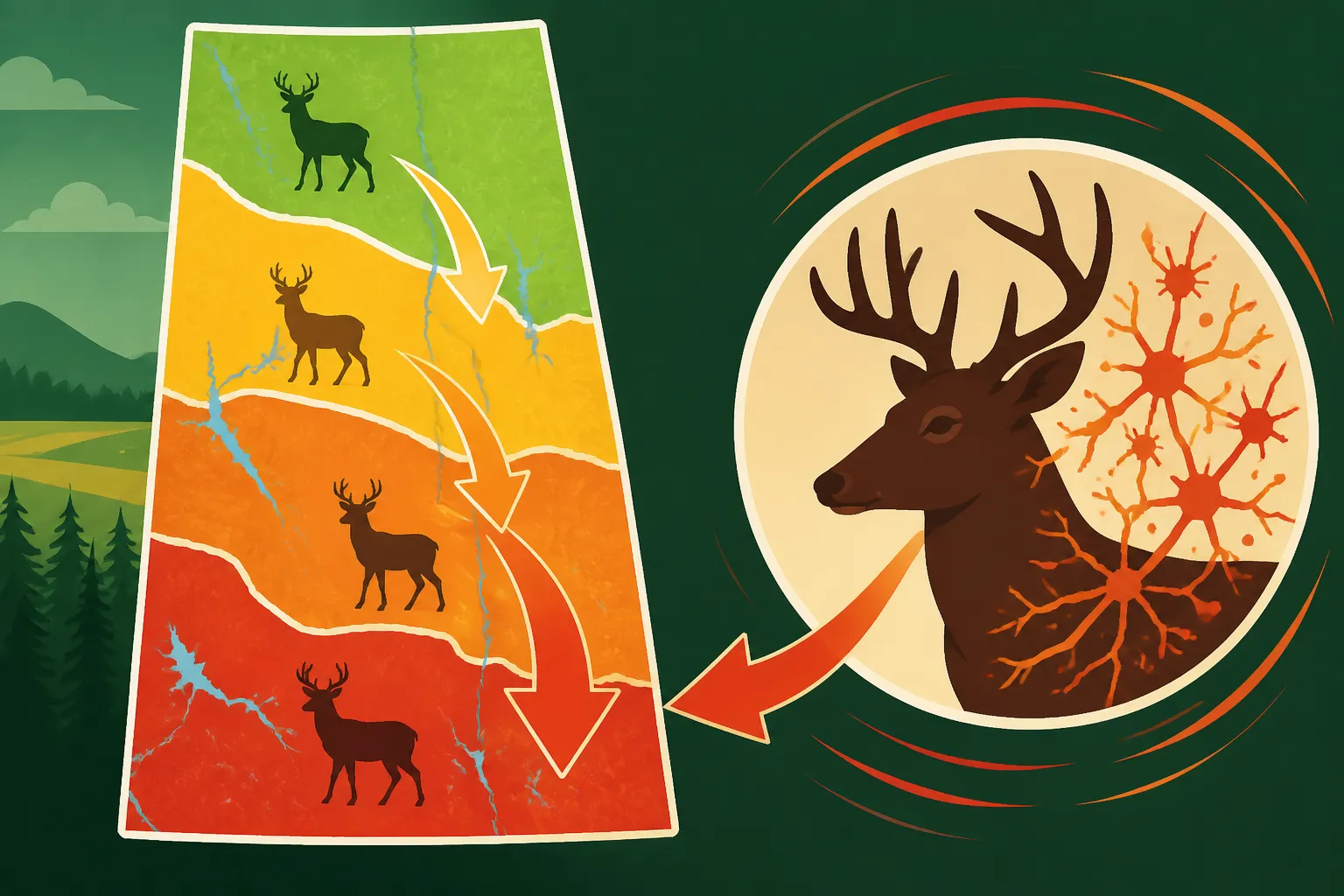
How CWD Spread Across Saskatchewan Zones
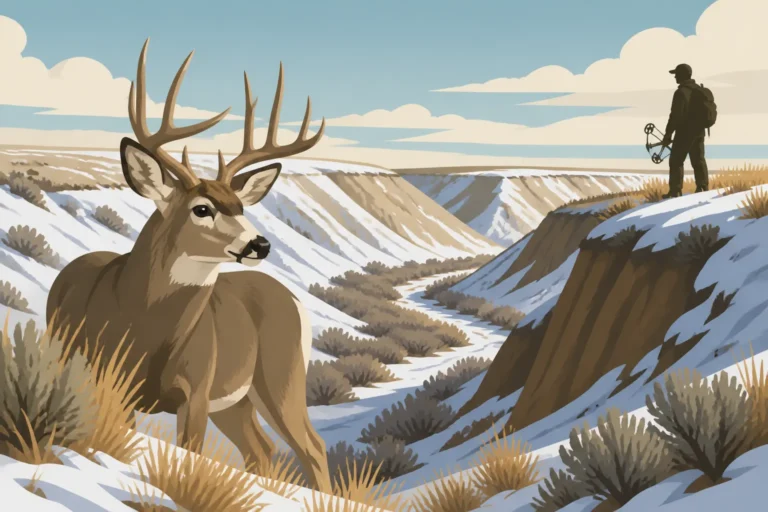
The presence of Chronic Wasting Disease (CWD) casts a long, unsettling shadow over hunting in Saskatchewan, stirring real anxiety among those of us who cherish our wild game. It’s a frustrating and complex challenge, and frankly, many hunters feel a bit lost in understanding how this insidious disease has managed to creep across our beautiful province, impacting the very animals we pursue. This guide aims to pull back the curtain on CWD, delving into how it spreads across Saskatchewan's diverse zones and what it means for our hunting future.
What is CWD and Why it Matters to Saskatchewan Hunters
Chronic Wasting Disease is a fatal neurological illness that affects cervids – that's deer, elk, moose, and even caribou. Unlike a bacterial infection or a virus, CWD is caused by abnormal proteins called prions. These prions essentially turn an animal's brain into a sponge-like consistency over time, leading to severe weight loss (hence "wasting"), abnormal behavior, drooling, and eventually, death. There is no known cure, and it's always fatal for the infected animal. This makes it a particularly concerning disease for wildlife populations.
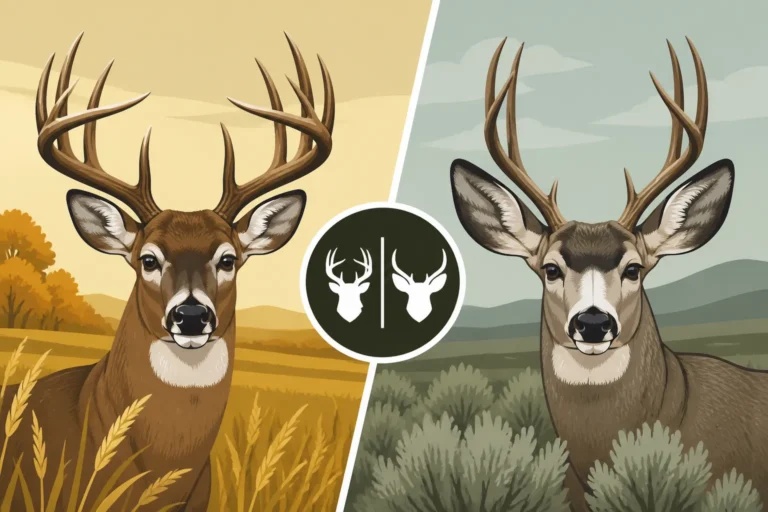
For us as hunters, CWD isn't just a biological curiosity; it strikes at the heart of our tradition. There's a profound concern about the long-term health of our beloved whitetail and mule deer populations, and indeed, all cervids. We worry about what this means for future hunting opportunities, the resilience of herds facing harsh winters or other stressors, and the overall ecological balance of Saskatchewan's wildlife. It's a heavy thought to consider that the very animals we respect and pursue could be carrying a disease that slowly degrades their health and threatens their numbers.
The emotional and practical impact on hunters is significant. We're talking about the food we put on our tables, the satisfaction of a clean harvest, and the trust we place in the health of wild game. While current scientific consensus indicates no known risk of CWD transmission to humans, the recommendation from health officials is to avoid consuming meat from CWD-positive animals. This means mandatory testing in some areas, the burden of proper carcass disposal, and the gut-wrenching decision to discard a harvest if it tests positive. It changes how we view and prepare for a hunt, adding layers of responsibility that were less prominent just a few decades ago. It's truly a situation that calls for vigilance and understanding from every hunter.
The Initial Footprint: Tracing CWD's Arrival and Early Expansion in Saskatchewan
To understand how CWD spread across Saskatchewan, we first need to look at its origins. CWD was first identified in captive deer in Colorado in the late 1960s, and then in wild deer in the 1980s. Its initial presence in North America was largely concentrated in the western US states. It's believed that the disease eventually made its way into wild populations through interactions with or escapes from captive cervid facilities, where the disease can unfortunately become established and amplified more easily. The movement of live animals, even legal movements, played a part in its journey across the continent.
Saskatchewan wasn't immune to this insidious spread. The disease was first detected in wild deer in the province in the late 1990s. These initial detections were primarily in the southwestern parts of Saskatchewan, particularly in zones bordering other jurisdictions known to have CWD, like Montana and Alberta. It wasn't a sudden explosion, but rather a quiet, almost unnoticed arrival, likely carried by individual deer moving naturally across landscapes, perhaps following river valleys or migrating between summer and winter ranges.
From these initial hotspots, the disease began its slow but persistent expansion. Deer populations, especially bucks during the rut, are known to travel considerable distances. This natural movement, combined with high deer densities in certain areas, allowed the prions to establish themselves in new pockets of the landscape. Imagine a young buck dispersing from a CWD-infected area, heading out to find new territory; he carries the disease with him, potentially contaminating new ground through his bodily fluids or eventual death. This is how the disease began to "jump" from one area to another, progressively encompassing more and more wildlife management zones.
The challenge in those early days was immense because CWD has a long incubation period. An animal can be infected for months, or even years, before showing any visible symptoms. This means the disease was likely spreading undetected for quite some time before a sick animal was noticed or a hunter-harvested deer tested positive. This stealthy nature of CWD meant that by the time wildlife managers fully understood its presence and initial distribution, it had already secured a foothold in several areas, making containment incredibly difficult from the outset.
Mechanisms and Pathways: How CWD Continues to Move Through Saskatchewan's Landscape
The spread of CWD is a multifaceted issue, driven by both the biology of cervids and the unusual persistence of the prions themselves. It primarily occurs through two main routes: direct and indirect transmission. Direct transmission happens when infected animals come into close contact with healthy ones – think of deer grooming each other, sparring during the rut, or even just sharing space at a feeding site. The prions are shed through saliva, urine, and feces, making any shared interaction a potential point of transfer. During the breeding season, when bucks are covering vast territories and interacting aggressively, this direct spread can accelerate significantly.
However, the more insidious and challenging pathway is indirect transmission, which occurs through environmental contamination. CWD prions are notoriously resilient. They can persist in soil, water, and even on plants for years, even decades, resisting decomposition, heat, and disinfectants. This means that if an infected animal dies or sheds prions in a particular area, that spot can remain an infectious hotbed for a very long time. Healthy deer, elk, or moose grazing on contaminated forage, or drinking from a shared water source, can then ingest these prions and become infected themselves. This environmental persistence makes containing CWD incredibly difficult, as the landscape itself becomes a reservoir for the disease. Hunters using modern scouting tools like GoHunt to track deer movement patterns can often visualize the natural corridors and high-traffic areas where this indirect transmission is most likely to occur.
Another critical factor in the continuing spread is the natural movement patterns of cervids and their population densities. Young bucks, for instance, often disperse miles from their birth territory to establish new home ranges, potentially carrying CWD prions with them into previously unaffected areas. The vast, open landscapes of Saskatchewan, interspersed with river valleys and forest fringes, offer ample opportunities for animals to travel widely. Where deer populations are particularly dense, the frequency of both direct and indirect interactions increases exponentially, creating ideal conditions for rapid local transmission. A higher concentration of animals means more shedding of prions into the environment and more chances for a healthy animal to encounter them.
Finally, and this is a sensitive point for hunters, human-related activities can inadvertently contribute to CWD spread, particularly through the movement of infected carcasses. If an animal harvested in a CWD-positive zone is transported to an uninfected area for processing, and parts like the brain, spinal cord, or lymph nodes are improperly disposed of, it could establish new environmental contamination. This is precisely why regulations around Moving a Carcass Between Zones are so crucial. Similarly, leaving an infected carcass in the field after gutting, especially if the internal organs contain high concentrations of prions, could also contribute to localized environmental contamination. This emphasizes the critical responsibility of every hunter to understand and adhere to proper carcass handling and disposal guidelines to protect our wild populations.
Mapping the Challenge: CWD Distribution and Ongoing Management Efforts
Today, CWD is no longer confined to a few isolated pockets in Saskatchewan's southwest. Its footprint has undeniably expanded. While specific prevalence rates can fluctuate year to year and zone to zone, the general trend has shown CWD becoming more established in various wildlife management zones across the southern and central regions of the province. It's not a uniform spread; some zones show higher rates of infection than others, often those with higher cervid densities, or where the disease has had more time to become entrenched. The disease is consistently found in zones that initially reported cases and has gradually expanded into adjacent areas, making it a widespread concern for many hunters. You can often find general maps that indicate How Many Saskatchewan Zones Have CWD online, showing the general areas of concern.
Hunter surveillance remains our most vital tool in understanding CWD's current distribution and prevalence. Saskatchewan's wildlife agencies rely heavily on hunters submitting heads from harvested animals for CWD testing. This data is invaluable, helping biologists track the disease, identify new hotspots, and monitor its progression over time. Participating in these programs, whether mandatory or voluntary, is a critical civic duty for every hunter. Services like GoHunt often feature updates on where and when to submit heads, making it easier for hunters to comply. Understanding Saskatchewan's CWD Testing Rules and the designated drop-off locations is paramount, especially if you harvest an animal in one of the Mandatory CWD Testing Zones.
Management strategies are constantly evolving, focused primarily on slowing the rate of spread and, where possible, reducing prevalence in heavily affected areas. These strategies include strict carcass transport regulations, promoting responsible disposal of animal remains, and ongoing public education campaigns to raise awareness among hunters and landowners. In some cases, targeted harvest recommendations for certain populations might be implemented to help manage deer densities, which can be a factor in disease transmission. It’s a challenging balancing act, as interventions must be practical and have a tangible impact on disease progression.
Ultimately, CWD is a long-term challenge that demands continuous cooperation and adaptation from the entire hunting community. It's likely that CWD will remain a fixture in Saskatchewan's wildlife landscape, meaning we must learn to hunt and manage our resources effectively with its presence in mind. Knowing What to Do With a Positive Result from a CWD test is an unfortunate but necessary piece of knowledge for any modern hunter. By remaining informed, responsible, and proactive in our roles as stewards of wildlife, we can help mitigate the impacts of CWD and ensure that hunting in Saskatchewan remains a vibrant tradition for generations to come.
Disclaimer
This article is for general informational purposes only and does not constitute professional advice. Laws, prices and regulations vary by location and change over time. Consult a qualified professional for guidance on your specific situation.