What Bovine Tuberculosis Means for Hunters
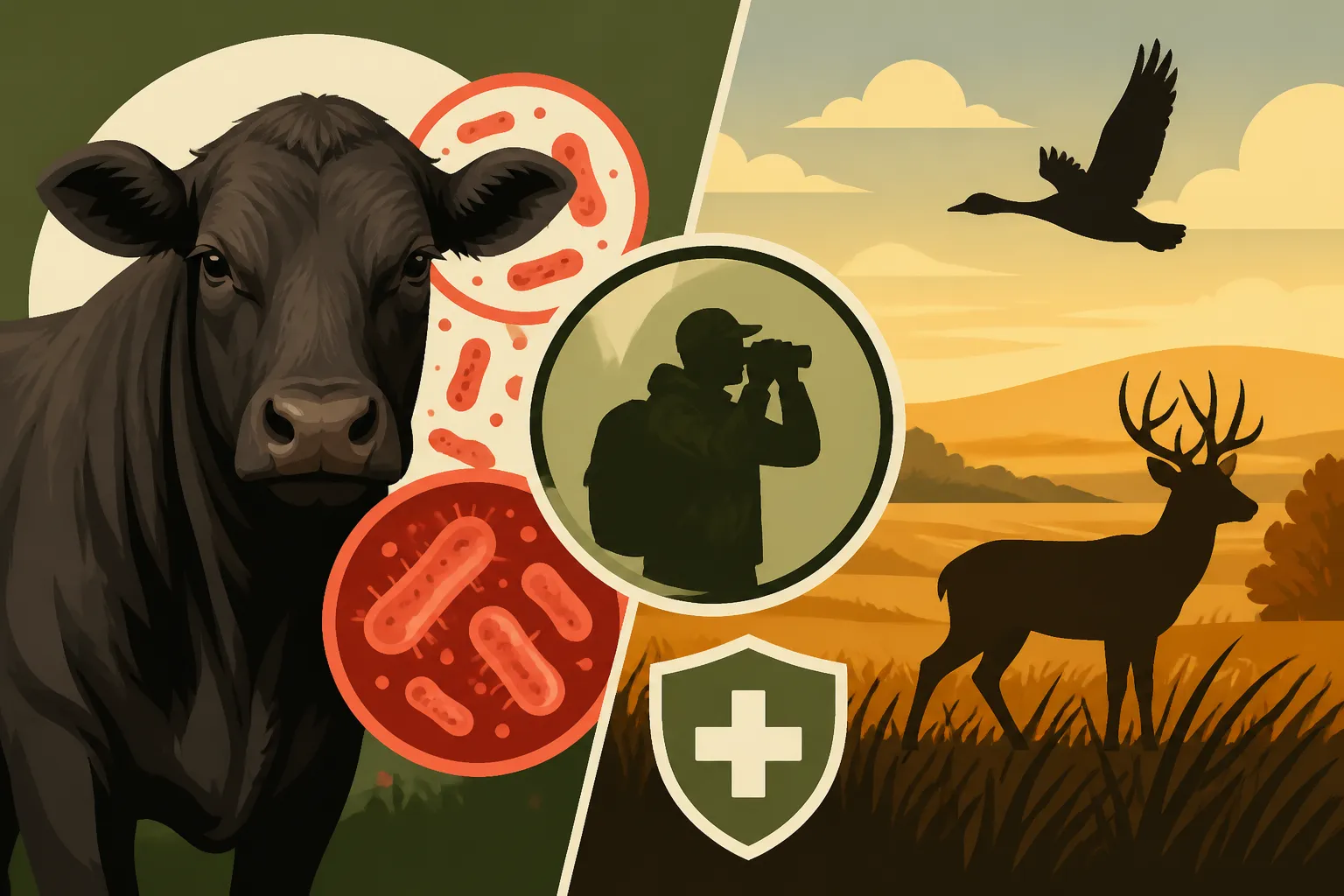
One of the concerns that can weigh on a hunter's mind, beyond the thrill of the chase, is the health of the game they pursue and, by extension, the safety of the meat they bring home. Bovine Tuberculosis (BT) is a serious bacterial disease that, while primarily affecting cattle, can also be found in wildlife populations, and understanding its implications is crucial for any responsible hunter in Saskatchewan. This guide will walk you through what Bovine TB means for you as a hunter, how to identify potential signs, and what steps you can take to ensure a safe and ethical hunting experience.
Understanding Bovine Tuberculosis in Wildlife
Bovine Tuberculosis, often just called BT, is a chronic bacterial disease caused by Mycobacterium bovis. While its name implies a connection to cattle, this disease can affect a wide range of mammals, including humans, and critically for us, many species of wildlife. In Saskatchewan, the primary concern for hunters revolves around the potential presence of BT in our wild herds, particularly species like elk and deer, which can act as reservoirs for the disease.
What is Bovine Tuberculosis?
BT is a slow-progressing disease that typically affects the respiratory system but can spread to other organs. Animals infected with BT may not show any outward signs for a long time, making it particularly insidious in wildlife populations. It's not like a deer that's obviously limping or emaciated from an injury. The bacteria cause lesions, or "tubercles," in the tissues, especially in the lungs and lymph nodes. These lesions can look like abscesses, and they contain the bacteria. Transmission usually occurs through close contact between infected and susceptible animals, often through respiratory droplets when animals cough or sneeze, or by ingesting contaminated feed or water.
Why Should Hunters Care About BT?
As hunters, we have a vested interest in the health of our wildlife. Healthy herds mean sustainable hunting opportunities for generations to come. Beyond that, there's the very real concern for public health. While rare, humans can contract BT, typically through consuming unpasteurized dairy products from infected cattle or by direct contact with infected animal tissues during activities like field dressing. For hunters, this means being aware of the risks and knowing how to protect yourself and your family. Discovering BT in a wild population can lead to significant management challenges, including targeted culls or movement restrictions, which directly impact hunting seasons and opportunities. You want to contribute to disease monitoring, not unknowingly spread it or put yourself at risk.
How Bovine TB is Monitored in Saskatchewan
Saskatchewan, like other jurisdictions with livestock and wildlife, takes BT seriously. The province has active surveillance programs in place to monitor for BT in both domestic animals and wild populations. These programs are vital for early detection, which is key to containing any potential outbreaks and protecting both agricultural and wildlife resources.
Surveillance Programs and Hunter Involvement
The provincial government works closely with federal agencies and local stakeholders to monitor for diseases like BT. This often involves regular testing of livestock and opportunistic testing of wildlife. For hunters, this is where you become part of the solution. When you harvest an animal, you are often the first line of defense in spotting unusual signs. Many jurisdictions, including Saskatchewan, encourage hunters to report any abnormal findings in game animals. This could be anything from unusual growths in the lungs or liver to abscesses in the lymph nodes. Your observation and willingness to report can provide critical data for wildlife health officials.
For instance, after a successful hunt, perhaps you're using a mapping tool like GoHunt to mark your retrieval point and you notice something unexpected during field dressing. Taking a moment to document it, even with a photo, can be incredibly helpful. Getting familiar with what to look for is paramount. When in doubt, it's always better to err on the side of caution and reach out to the appropriate authorities.
Key Species for Monitoring
While any mammal can theoretically contract BT, certain species are considered more susceptible or more likely to act as maintenance hosts in the wild. In Saskatchewan, elk are often highlighted in discussions about BT due to their herd dynamics and potential for interaction with cattle. Deer, particularly whitetails, are also important to monitor. These animals tend to congregate, especially in winter feeding areas or near agricultural lands, which increases the likelihood of disease transmission. Moose, while less often implicated in BT cycles in some regions, are still monitored due to their broad range and potential for interaction. Knowing which species are under particular scrutiny can help hunters be more vigilant.
Hunter Responsibilities and Safe Practices
Knowing about BT isn't just academic; it demands practical action from hunters. Your role in preventing the spread of the disease and ensuring the safety of your harvest is significant. This includes everything from proper field dressing techniques to understanding reporting requirements.
Identifying Potential Signs in the Field
When you're field dressing an animal, take the time to inspect the internal organs, especially the lungs, liver, and lymph nodes. These are the most common sites for BT lesions. What are you looking for?
- Lungs: Look for firm, yellowish-white nodules or abscesses, ranging in size from a pea to a golf ball or larger. These lesions might be gritty when cut.
- Lymph Nodes: Pay close attention to the lymph nodes, particularly those in the chest cavity (bronchial and mediastinal lymph nodes) and around the head and neck. They might be enlarged and contain similar caseous (cheesy) or gritty lesions.
- Liver and Spleen: While less common, similar lesions can sometimes be found in the liver and spleen.
It's important to remember that not all lesions are BT. Many things can cause abnormal growths or abscesses in wildlife, from parasites to other bacterial infections. However, if you see anything that looks suspicious, it's best to treat it with caution.
Here’s a quick overview of what to look for:
| Organ | Common BT Signs |
|---|---|
| Lungs | Firm, yellowish-white nodules/abscesses; gritty when cut |
| Lymph Nodes | Enlarged, containing caseous/gritty lesions (especially chest, neck) |
| Liver/Spleen | Occasional yellowish-white nodules/abscesses |
| General | Unexplained emaciation, poor coat (less common, advanced stage) |
Safe Handling and Carcass Disposal
If you do encounter an animal with suspicious lesions, safe handling is paramount. Wear gloves during field dressing, always. This isn't just for BT, but for general hygiene and protection against other potential pathogens. If you find suspicious lesions:
- Do not consume the meat from affected areas or organs. If the lesions are extensive, or if you're unsure, it's best to discard the entire carcass.
- Contact local wildlife authorities. In Saskatchewan, this would typically be your local Ministry of Environment office or a Conservation Officer. They can advise you on submission of samples for testing and further steps.
- Clean and disinfect your tools thoroughly. Use a strong disinfectant on knives, saws, and any surfaces that came into contact with the animal.
- Properly dispose of the carcass. Bury or burn the affected carcass and any potentially contaminated offal. Do not leave it accessible to scavengers or other wildlife, which could help spread the disease.
- Wash your hands thoroughly with soap and hot water after handling the animal, even if you wore gloves.
Remember, the goal is to break any potential chain of transmission. Being proactive protects both yourself and the wider wildlife population. For situations where you're deep in the bush, a tool like GoHunt might not directly help with disease reporting, but it's invaluable for accurately marking your location should authorities need to investigate the area.
Reporting Suspect Animals
Your eyes and observations are crucial for wildlife management agencies. If you encounter an animal, whether harvested or found dead, that exhibits signs consistent with BT, report it. There’s often a dedicated phone line or online portal for wildlife health reporting. Providing detailed information, including the specific location (GPS coordinates are excellent, which you can easily get from a mapping app), the species, and a description of the lesions, is incredibly helpful. This is also why having a solid grasp of Reading a Saskatchewan WMZ Map Before You Go can be so important, as knowing your exact location within a zone aids reporting greatly. These reports help authorities track the disease, understand its prevalence, and implement targeted management strategies.
Impact on Saskatchewan's Wildlife and Hunting
The presence or potential presence of Bovine Tuberculosis in Saskatchewan's wildlife populations has tangible impacts, not just on individual animals but on herd health, hunting regulations, and the overall hunting experience.
Herd Health and Management Strategies
BT can be devastating to a wildlife herd. It's a chronic disease that can weaken animals, making them more susceptible to other illnesses, predation, and the harsh Saskatchewan winters. A prolonged struggle with BT can reduce reproductive success, lower overall population numbers, and ultimately diminish the health and vitality of a species in a given area. When BT is detected, wildlife managers often have to make tough decisions. These can range from increased surveillance and testing to localized culls aimed at reducing herd density and breaking the transmission cycle. Such measures, while necessary for long-term herd health, can be difficult for hunters to see implemented, especially if it affects a favorite hunting area. For example, some management strategies might mirror those used for Saskatchewan's CWD Testing Rules, with mandatory submissions in specific zones.
Effects on Hunting Regulations and Zones
If BT becomes established in a particular wildlife management zone (WMZ), it can lead to changes in hunting regulations. This might include:
- Mandatory testing: Similar to CWD, hunters might be required to submit samples from harvested animals for BT testing in specific zones.
- Increased harvest quotas: In some cases, managers might increase antlerless quotas to reduce herd densities, aiming to limit disease transmission.
- Movement restrictions: While less common for hunters, in severe cases, there could be restrictions on moving carcasses or specific animal parts out of an affected zone.
- Season length adjustments: Though less likely, extreme situations could theoretically lead to shortened or modified seasons.
These measures are implemented to protect the health of both wildlife and domestic livestock, and ultimately, to preserve hunting opportunities for the future. Understanding the rationale behind these rules is key, and resources like How Saskatchewan's Zones Set Your Season can provide valuable context for how management decisions are tied to specific geographical areas.
Long-Term Outlook for Hunters
The long-term outlook for BT in Saskatchewan's wildlife largely depends on continued vigilance, effective surveillance, and the cooperation of hunters. Diseases like BT underscore the importance of responsible hunting practices that go beyond simply filling a tag. By being informed, practicing safe handling, and reporting any suspicious findings, hunters contribute directly to the health of the resource we all cherish. It's a powerful reminder that we are not just consumers of wildlife, but stewards of it. Taking the extra steps, even when using a tool like GoHunt to plan your next venture, to keep an eye out for wildlife health issues is part of being a complete hunter. It ensures that when you're out Whitetail Hunting in Saskatchewan or Moose Hunting Saskatchewan's Farmland and Forest, you're doing so responsibly and sustainably.
Disclaimer
This article is for general informational purposes only and does not constitute professional advice. Laws, prices and regulations vary by location and change over time. Consult a qualified professional for guidance on your specific situation.