Whether Saskatchewan Has Wild Boar
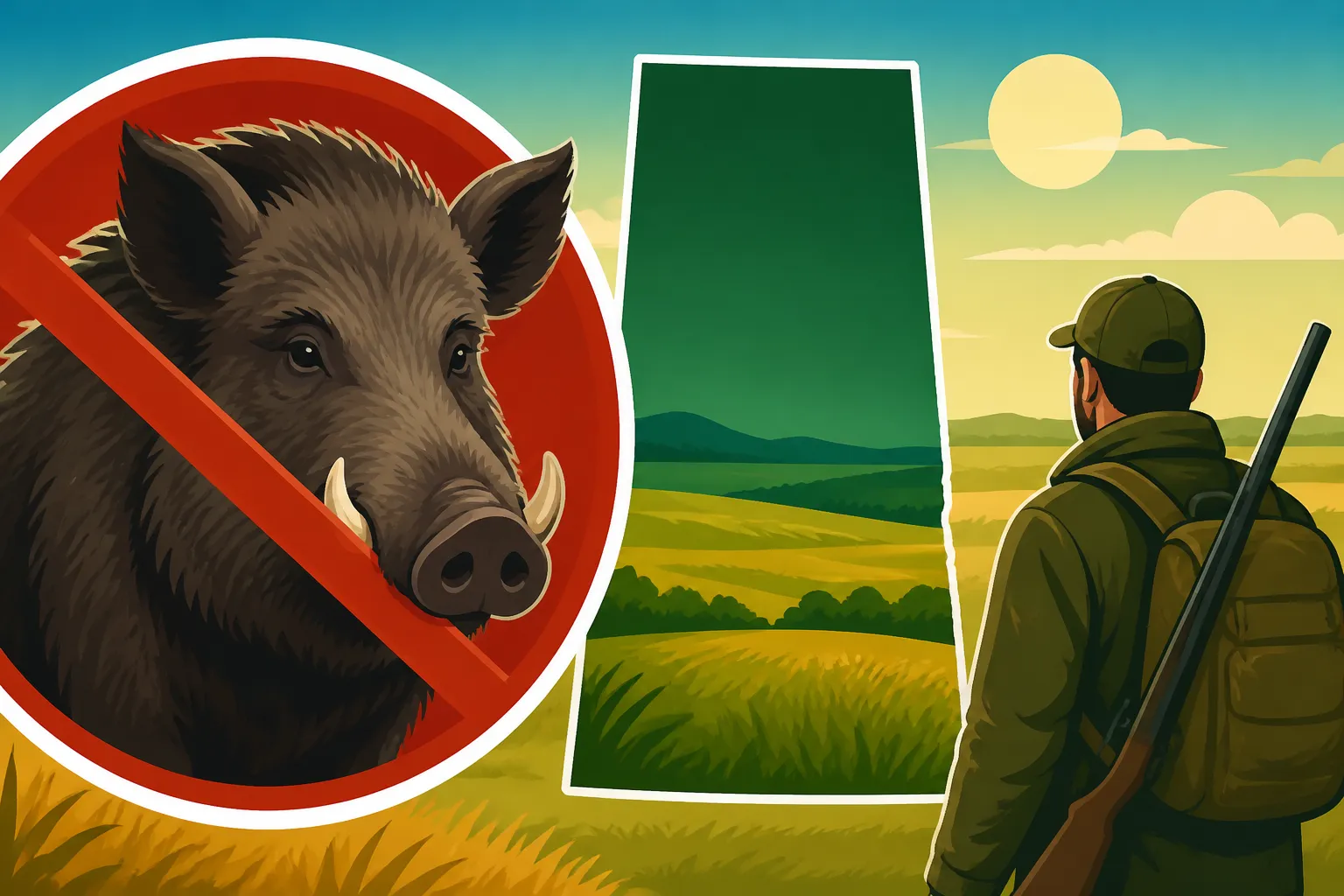
The notion of "wild boar" running around Saskatchewan can feel a bit like a tall tale from some other part of the world, a creature more at home in European forests or southern states. But here's the stark reality, and it's one that causes a lot of headaches for landowners, wildlife managers, and even hunters: Saskatchewan absolutely has wild boar, and their presence is a growing problem that demands our attention and understanding. This guide will walk you through their unwelcome arrival, their rapid spread, the significant damage they inflict on our cherished landscape and agricultural economy, and what you, as a hunter and concerned citizen, can do to help manage this invasive challenge.
The Unwelcome Truth: Yes, Saskatchewan Has Wild Boar
It's not a myth, a rumour, or an isolated incident anymore. Feral swine, often referred to as wild boar or wild pigs, are a confirmed and increasing presence across Saskatchewan. For many, the idea of these animals roaming free sounds almost exotic, something you'd see in a documentary, not something impacting your local hunting grounds or the farmer's fields down the road. But these aren't native animals that have always been here; they are a relatively new, invasive species that has established a firm foothold, and their numbers continue to grow.
The confusion sometimes arises because when people think of "wild boar," they might picture the large, hairy European purebreds. While some of our feral populations likely trace their lineage back to those animals, what we're dealing with today is often a mix, a hybrid of escaped domestic pigs and purebred wild boar. These animals possess an incredible resilience and adaptability, making them perfectly suited to survive and thrive in Saskatchewan's diverse environments. From dense bush country to river valleys, and especially around agricultural lands, they are finding everything they need to multiply and spread. This isn't just a concern for biologists; it's a real-world problem impacting our wildlife, our ecosystems, and the livelihoods of our agricultural community.
Where Did They Come From and How Do They Spread So Fast?
The story of how wild boar arrived in Saskatchewan is a classic tale of unintended consequences. These aren't indigenous creatures to North America; their journey here began with human intervention. During the late 1980s and early 1990s, European wild boar were imported into Canada, including Saskatchewan, primarily for agricultural diversification and to be raised on game farms. The idea was to create a new market for specialty meats or provide unique hunting opportunities in controlled environments.
However, the nature of these animals — their intelligence, strength, and remarkable ability to adapt — meant that containment was often easier said than done. It wasn't long before some of these animals, either through accidental escapes or, in some cases, deliberate releases, found their way out of their enclosures and into the wild. Once free, they quickly realized Saskatchewan's varied landscape offered abundant food, water, and cover, creating perfect conditions for survival and reproduction.
The speed at which these animals reproduce is truly astonishing and is the primary reason for their rapid spread. Unlike many native species, wild boar can breed at a very young age, sometimes as early as six months old. Sows can have multiple litters a year, often producing litters of 4 to 10 piglets at a time. This incredible reproductive rate means that even a small founding population can explode into unmanageable numbers in just a few years. One study estimated that it might only take a single breeding pair to establish a population that could grow to over 100 animals in just a few years under ideal conditions. This rapid proliferation makes control incredibly difficult once they establish themselves.
Their intelligence and adaptability also play a huge role. They learn quickly, are highly wary of humans, and can modify their behaviour to avoid detection. They can eat almost anything – crops, roots, insects, small animals, even carrion – making them highly resilient to food scarcity. They can thrive in extreme cold, burrowing into snow or dense cover to stay warm, making them well-suited to Saskatchewan's harsh winters. This combination of high reproduction, intelligence, and adaptability has allowed them to colonize new areas at an alarming rate, quickly moving from initial escape sites into adjacent bush, then into river valleys, and eventually out onto the agricultural landscape. The provincial government has recognized this grave threat and has initiated Saskatchewan's Wild Boar Eradication Effort to try and curb their numbers and spread.
The Devastating Impact of Feral Pigs on Saskatchewan's Landscape
The presence of wild boar in Saskatchewan is far more than just a curiosity; it's a profound threat to the province's natural ecosystems, agricultural industry, and even native wildlife populations. Their destructive behaviour leaves a trail of damage that is both economically costly and ecologically harmful. Understanding these impacts helps underscore the urgency of their management.
Agricultural Damage: A Farmer's Nightmare
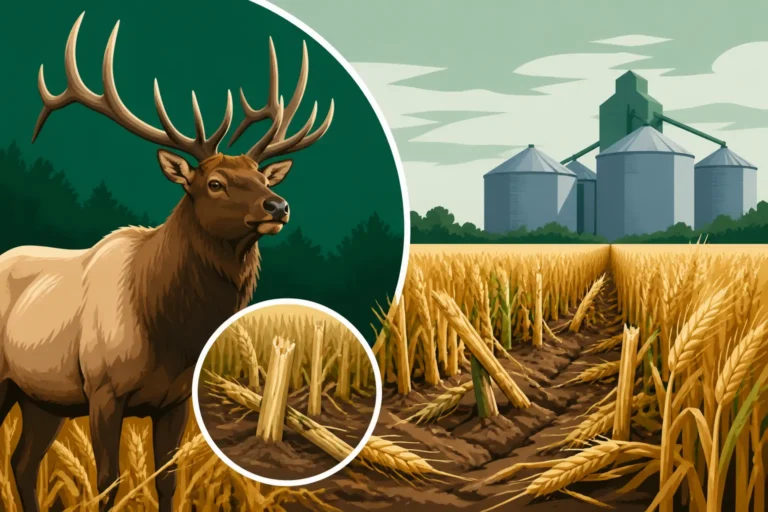
For farmers, wild boar are nothing short of an absolute menace. These animals are powerful rooters, using their strong snouts to dig up vast swathes of land in search of roots, tubers, insects, and fallen grains. This rooting behaviour devastates crops like canola, wheat, lentils, and peas, often destroying entire fields overnight. Imagine the frustration of a farmer waking up to find a significant portion of their hard work, their livelihood, literally torn to shreds by a sounder of pigs. They also trample crops, creating pathways and wallows that compact soil and interfere with machinery during harvest.
Beyond field crops, wild boar also cause significant damage to hayfields and pastures, reducing forage for livestock and native grazers. They can tear up fences, allowing domestic livestock to escape or mingle with wildlife, increasing the risk of disease transmission. The economic losses for individual farmers can be substantial, often running into thousands of dollars in damaged crops and infrastructure each year. These impacts go beyond just lost revenue; they represent lost time, increased stress, and a significant burden on the rural community.
Ecological Threat: Competitors and Predators
The ecological impact of wild boar is equally, if not more, concerning. As an invasive species, they directly compete with native wildlife for vital resources. Their broad diet means they are constantly foraging, reducing the availability of food for deer, moose, elk, and various small mammals and birds. They can quickly deplete local food sources, forcing native animals to spend more energy searching for sustenance, which can weaken them, especially during harsh winters.
Furthermore, wild boar are opportunistic predators. They will readily prey on the eggs of ground-nesting birds, including many of our cherished waterfowl species and upland birds like sharp-tailed grouse and Hungarian partridge. They also predate on fawns of white-tailed and mule deer, as well as the young of other small mammals. This predation adds significant pressure to already vulnerable populations of native species. Hunters who rely on strong local game populations see this as a direct threat to the very wildlife we cherish and work to conserve.
A major concern is their role as potential disease carriers. Feral swine can carry a host of diseases and parasites, many of which can be transmitted to domestic livestock and native wildlife. Diseases like African Swine Fever (though not yet in North America, its potential arrival is a huge concern), classical swine fever, foot-and-mouth disease, and Bovine Tuberculosis in Saskatchewan Wildlife are serious threats. Imagine the devastation if a highly contagious disease were to spread through our livestock herds or wild populations. We've seen the serious impact of diseases like What CWD Has Done to Saskatchewan Deer, and the potential for wild boar to introduce or amplify such threats is a constant worry for wildlife managers and agricultural producers.
Water Quality and Soil Erosion
The destructive rooting and wallowing behaviours of wild boar also have broader environmental consequences. Their constant digging disturbs soil, leading to increased erosion, especially along waterways. This not only degrades soil quality but also introduces sediment and nutrients into rivers, streams, and wetlands, negatively impacting water quality and aquatic ecosystems. Their wallowing in muddy areas creates stagnant pools, which can further spread disease and disrupt sensitive wetland habitats. It's a cascading effect that degrades the very land and water resources that are foundational to Saskatchewan's environment.
What Hunters Can Do: Reporting, Eradication, and Responsible Action
Dealing with wild boar in Saskatchewan isn't just the government's problem; it's a collective responsibility that hunters and rural residents can significantly contribute to. Your actions, or inactions, can have a real impact on the success of eradication and control efforts.
The Critical Importance of Reporting Sightings
This is, without a doubt, the single most important thing you can do. Every sighting, every sign of wild boar activity – whether it's tracks, rooting damage, or a direct animal encounter – needs to be reported. Why? Because accurate data on their location and spread is absolutely crucial for wildlife managers to understand the scope of the problem and plan targeted control measures. Without knowing where they are, it's impossible to effectively manage them.
If you're out scouting for deer, setting up a stand, or just driving the backroads, keep an eye out. If you see something, take a picture if it's safe to do so, note the exact location (GPS coordinates are best!), date, time, and number of animals seen. Then, report it to the provincial authorities. Your local conservation officer or the Ministry of Environment are the best points of contact. There are often dedicated hotlines or online forms for reporting invasive species like wild boar. Don't assume someone else will report it; every piece of information helps build a clearer picture. Think of it as your duty to protect our native species and agricultural lands.
Hunting as a Tool: Controlled vs. Recreational
This is a nuanced topic, and it's essential to understand the difference between uncoordinated recreational hunting and structured, targeted eradication efforts. While it might seem intuitive to simply "shoot on sight" any wild boar you encounter, unregulated hunting can actually be counterproductive. Wild boar are intelligent and can quickly adapt to hunting pressure. When a sounder is shot at, the surviving animals often disperse widely, spreading the problem to new areas and making them even harder to track and control. This "scatter effect" can accelerate their colonization of new ground.
However, coordinated hunting efforts, often led or directed by provincial authorities, can be a vital component of a comprehensive eradication strategy. These efforts typically involve highly trained professionals or specific groups of hunters working under strict guidelines to remove entire sounders, rather than just individual animals. The goal is complete removal from an area, not just reduction. If you're interested in being part of such an effort, reach out to your provincial wildlife agency for information on approved programs or guidelines. Tools like GoHunt can provide useful information and maps that help visualize wildlife management zones and potential problem areas, but always cross-reference with official provincial sources for regulations on invasive species.
Preventative Measures and Responsible Land Use
Beyond reporting and participating in sanctioned control efforts, there are crucial preventative steps. The most important is never, under any circumstances, to release domestic pigs into the wild. What might seem like a humane act or a way to get rid of unwanted animals is actually an incredibly irresponsible and damaging contribution to the feral pig problem. These animals can quickly revert to wild behaviours and contribute to the population boom.
For landowners, securing fences around livestock operations is paramount to prevent escapes that could contribute to the feral population. Staying informed about wild boar activity in your area, perhaps by regularly checking platforms that provide insights into wildlife trends and land characteristics, can help you be proactive. For hunters accessing private land, always ensure you have Saskatchewan Landowner Permission Law understood and respect the property you are on.
Another consideration, especially for hunters, is carcass disposal. If you happen to harvest a wild boar (where legally permitted and advised by provincial guidelines), proper disposal of the carcass is crucial to prevent the spread of diseases and parasites. Follow any specific instructions from wildlife officials regarding testing or disposal, especially concerning diseases like Saskatchewan's CWD Testing Rules.
Table: Key Differences: Wild Boar (Feral Swine) vs. Native Saskatchewan Wildlife (General)
| Feature | Wild Boar (Feral Swine) | White-Tailed Deer / Mule Deer | Moose / Elk |
|---|---|---|---|
| Origin | Invasive species, introduced from Europe, often hybridized with domestic pigs | Native to North America | Native to North America |
| Diet | Omnivorous: roots, crops, insects, eggs, small animals, carrion, highly destructive | Herbivorous: browse, forbs, grasses, agricultural crops | Herbivorous: browse, aquatic vegetation, grasses |
| Reproduction Rate | Very high: multiple litters/year, large litter sizes (4-10+ piglets), early sexual maturity | Moderate: typically 1-2 fawns/year (occasionally 3), breed once a year | Low: typically 1 calf/year (occasionally twins), breed once a year |
| Habitat Impact | Extensive rooting, wallowing, soil disturbance, crop destruction | Browsing, minor soil disturbance from trails/beds | Browsing, minor soil disturbance from trails/beds |
| Disease Vector Risk | High for many livestock/wildlife diseases (e.g., ASF, TB, brucellosis) | Moderate for specific diseases (e.g., CWD, EHD) | Moderate for specific diseases (e.g., CWD, meningeal worm) |
| Social Structure | Sounders (family groups) of varying sizes | Solitary or small maternal groups, bucks often solitary except during rut | Solitary or small family groups |
| Management Goal | Eradication/Control due to invasive status | Sustainable harvest/population management | Sustainable harvest/population management |
Supporting Eradication Efforts
It's vital for the hunting community to stand united in supporting official eradication efforts. Wild boar are not just another game animal to be managed; they are a threat to the very foundation of our hunting heritage in Saskatchewan. When you are out in the field, even if you are focused on Hunting Whitetails in Saskatchewan's Forest Fringe or Hunting Farmland Moose in Saskatchewan, always be mindful of the potential for wild boar. Your awareness and responsible actions contribute directly to the health of our native wildlife populations and the sustainability of our agricultural sector.
By working together, reporting sightings, and supporting coordinated management strategies, we can all play a part in addressing this serious challenge. This invasive species poses a unique threat that requires a united front, blending the knowledge of wildlife biologists, the hard work of farmers, and the vigilance of hunters. Stay current on the regulations for your specific Saskatchewan Wildlife Management Zone and contribute to the effort. Even when conditions get tough, like Hunting Saskatchewan Winter Weather Safely, knowing what to look for and reporting it makes a difference.
Disclaimer
This article is for general informational purposes only and does not constitute professional advice. Laws, prices and regulations vary by location and change over time. Consult a qualified professional for guidance on your specific situation.