Ptarmigan Colour Change Through the Season
Hunting ptarmigan in Saskatchewan’s vast northern stretches can feel like chasing ghosts. One day you see a flash of white against the snow, perfectly camouflaged; the next, it's a mottled brown patch blending seamlessly into melting tundra. This isn't magic, of course, but a remarkable feat of natural adaptation that helps these hardy birds survive the extreme swings of our northern seasons. Understanding how and why ptarmigan change their colours throughout the year is absolutely key to finding them and appreciating their incredible resilience in such a demanding landscape.
The Master of Seasonal Camouflage: Why Ptarmigan Change Colour
The world of a ptarmigan in northern Saskatchewan is one of constant threat and dramatic environmental shifts. From the relentless white of winter to the muted greens and browns of a brief summer, their habitat is a canvas that changes entirely, often within weeks. For a bird that spends most of its life on the ground, being invisible is not just a preference; it’s the ultimate survival strategy. This incredible ability to transform their plumage is a testament to evolution's genius and a critical lesson for anyone hoping to understand or hunt these fascinating birds.
Evolutionary Necessity and Survival
Imagine being a ground-dwelling bird in a world full of keen-eyed predators like gyrfalcons, snowy owls, arctic foxes, and even wolves. These hunters aren't just looking for movement; they're scanning for anything that stands out from the background. If you’re a ptarmigan, and the landscape is stark white with snow, a patch of brown plumage screams "free meal" to a predator circling overhead or patrolling the drifts. Conversely, a pure white bird hopping across exposed, rocky tundra in July would be a beacon of deliciousness.
This pressure from predators has driven ptarmigan to become absolute masters of disguise. Their seasonal colour change isn't just for show; it's a life-or-death adaptation. Each feather, each pigment, is a tiny piece of their survival puzzle, allowing them to disappear into their surroundings, whether it's the endless snows of January or the patchy, lichen-covered rocks of August. Without this ability, their populations simply wouldn't thrive in such harsh and dynamic environments. It's a constant, silent battle for survival, and their plumage is their primary weapon.
Hormonal Triggers and Photoperiod
You might think that the ptarmigan's colour change is triggered by temperature, but it's actually much more sophisticated than that. While temperature certainly plays a role in the overall environment, the primary driver for this spectacular transformation is the changing length of daylight—what scientists call the photoperiod. As the days lengthen in spring and shorten in fall, these shifts in light trigger hormonal responses within the bird's body. These hormones then dictate when old feathers are shed and new, differently pigmented feathers begin to grow.
This internal biological clock is incredibly precise, allowing the ptarmigan to anticipate the coming season and begin its transformation even before the snow truly melts or the first flakes fall. It’s a carefully timed process, ensuring that the bird is never caught too far off-colour for the prevailing conditions. This means that a ptarmigan in northern Saskatchewan might start to develop its winter white plumage in late September or early October, even if a warm spell means there’s no snow on the ground yet. Their bodies are responding to the sun's rhythm, not just the thermometer, making them remarkably prepared for whatever the northern climate throws at them. This mechanism is crucial for species that live in areas with extreme seasonal shifts, allowing them to stay one step ahead of environmental challenges and ever-present predators.
Tracking the Transformation: Ptarmigan Plumage Stages in Saskatchewan
Saskatchewan's northern reaches, particularly the expansive boreal forest and the tundra further north, are prime habitat for ptarmigan. Knowing what to look for, colour-wise, can dramatically increase your chances of spotting these elusive birds. Each season brings a distinct look, sometimes a blend, and understanding these phases is like learning the secret code of their survival.
The Crisp White of Winter
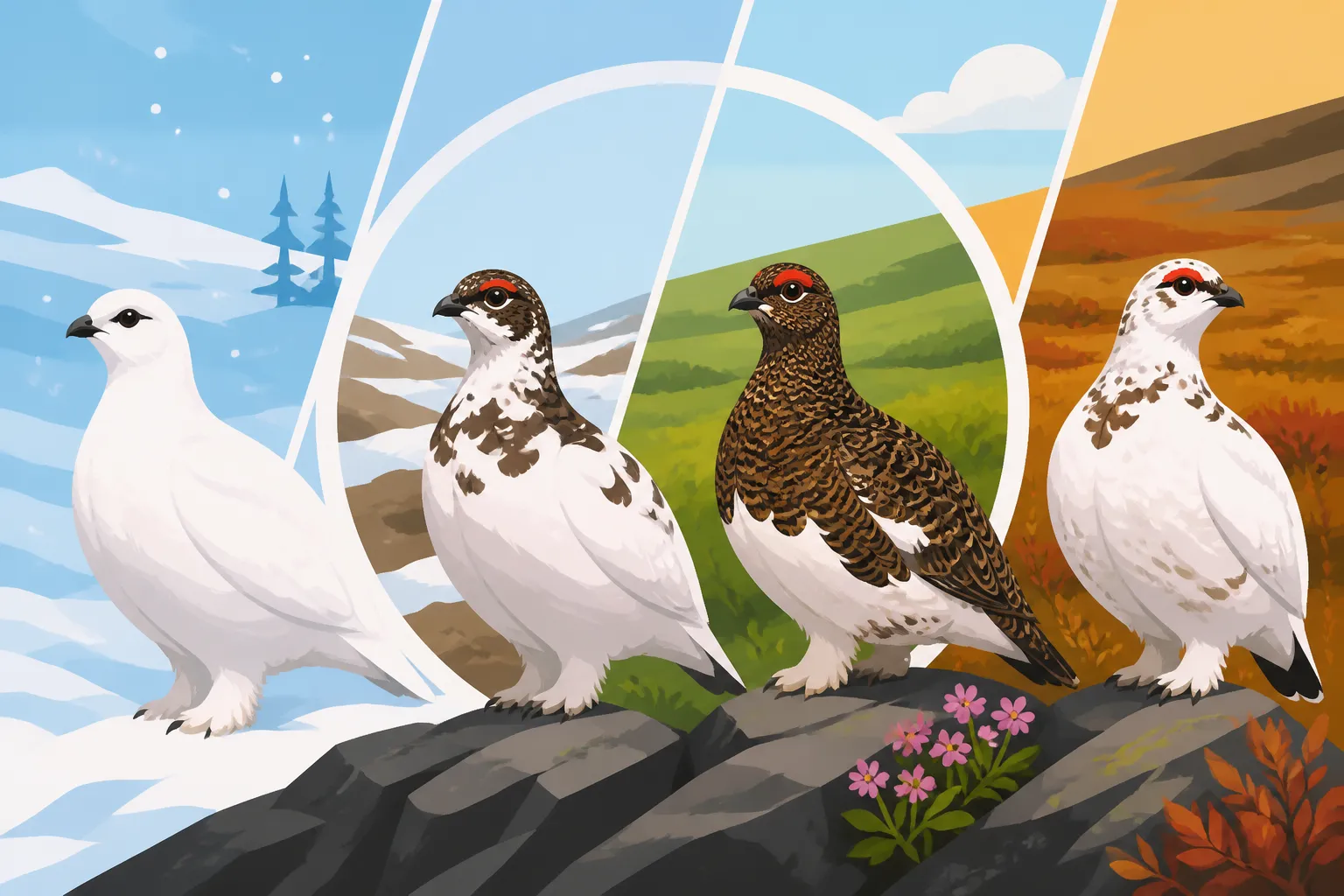
When the northern winds howl and the snow blankets everything from the smallest shrub to the tallest spruce, the ptarmigan becomes a ghost. From late fall through the deep freeze of winter, typically November to April, these birds are almost entirely pure white. It’s a breathtaking sight if you’re lucky enough to spot one against a backdrop of fresh snow, their outline barely discernible. This immaculate white plumage isn't just for camouflage; it's also incredibly dense, providing superior insulation against the bitter cold. Beneath those pristine outer feathers, they have a thick layer of down that traps air, creating an insulating barrier against temperatures that can plummet to extreme lows.
Their legs and feet are also heavily feathered, acting like snowshoes and providing extra warmth. This winter coat makes them virtually undetectable in a snow-covered landscape. A hunter might walk right past a feeding flock nestled in a snowdrift without ever knowing they were there. For those braving the elements to go Ptarmigan Hunting in the Far North, seeing these birds blend so perfectly with their environment is a stark reminder of nature's ingenious design. It's during this time that tracking becomes so important; a pure white bird leaves tell-tale tracks in the pristine snow, often the only sign of their presence.
The Mottled Transition of Spring
Spring in the North is a messy affair, a glorious but often unpredictable thaw. As the days begin to lengthen, typically from late April through May, the ptarmigan starts its gradual transformation from winter white to summer brown. This is perhaps the most challenging time for the birds, as they often find themselves in a patchy landscape of melting snow, exposed rocks, and emerging vegetation. Their plumage during this period reflects this chaotic environment: a beautiful, but somewhat mismatched, blend of white feathers still clinging on and new brown and grey feathers pushing through.
You might see a bird with a white belly, mottled brown back, and white wing patches. This "salt and pepper" or "patchwork quilt" look is the ptarmigan's best attempt to blend into a world that's half winter, half spring. It's a period of vulnerability for them, as their camouflage isn't quite perfect for either extreme. For hunters, spotting a ptarmigan during this transition can be particularly tricky. They don't stick out completely white, nor do they fully blend brown. You're looking for movement, or that specific mottled pattern that just doesn't quite match the ground. This transitional period highlights the constant adaptation these birds must undertake to survive.
The Earthy Browns and Greys of Summer
By June, July, and August, the northern landscape has shed its icy grip. The snow is gone, replaced by vibrant green mosses, low-lying shrubs, lichens, and exposed rocks. This is when the ptarmigan dons its summer attire: a palette of earthy browns, greys, and sometimes rufous tones, speckled and barred to mimic the rugged ground. The specific shade can vary slightly depending on the species – for example, Willow Ptarmigan often lean a bit more towards a rufous brown, especially the males, while Rock Ptarmigan tend to be greyer.
This summer plumage is exquisitely designed to disappear against the tundra's varied textures. From a distance, they can look like just another rock or a clump of low bush. This makes them incredibly difficult to spot when they're hunkered down, relying entirely on their camouflage. During summer, their primary concern is raising chicks, and staying hidden from aerial predators like eagles and falcons is paramount. The dense underdown is also shed for a lighter, more breathable coat, though they retain some insulation. If you're out exploring the far north in summer, trying to spot a ptarmigan in its full summer colours is a true test of observation. Even when they move, their broken patterns help them blend as they scurry through the sparse vegetation.
The Speckled Return to White in Fall
As summer wanes and the northern air begins to carry a crisp chill, usually from late August through October, the cycle starts anew. The shortening days trigger the hormonal response, and the ptarmigan begins its reverse transformation back to its winter white. This fall transition is another period of mottled beauty, much like spring, but in reverse. You'll see patches of white emerging on their wings and belly, contrasting with their summer browns and greys.
This transitional plumage is perfectly timed to coincide with the first dusting of snow and the gradual onset of winter. The landscape in early fall can be a patchwork of golden tundra, dark rock, and intermittent snowfalls, and the ptarmigan's speckled coat allows them to blend remarkably well into this changing scenery. It’s a beautiful dance with the environment, as they shed old feathers and grow new ones, becoming progressively whiter as the snow deepens. For hunters aiming for Upland Bird Hunting in Saskatchewan, especially in the northern zones, understanding these transitional periods can be key to differentiating a ptarmigan from its rocky backdrop. Just as in spring, this mixed plumage makes them challenging targets, as they rely heavily on their ability to become almost invisible.
Hunting Considerations and Species Variations in Saskatchewan
When you head north to pursue ptarmigan in Saskatchewan, it's not just about the challenging terrain or the vastness of the wilderness; it's also about truly understanding the birds themselves. Their incredible camouflage is a huge part of the challenge and the allure. Knowing the nuances of their seasonal colour changes and the subtle differences between species can make all the difference in your hunt.
Identifying Ptarmigan Species by Colour
Saskatchewan is home primarily to two species of ptarmigan: the Willow Ptarmigan (Lagopus lagopus) and the Rock Ptarmigan (Lagopus muta). While both species are masters of seasonal camouflage, their plumages, especially during the summer and transitional periods, have subtle distinctions that can help you tell them apart. It's not always easy, but paying close attention can be rewarding.
The Willow Ptarmigan tends to be found in areas with more brush, willows, and dwarf birch – hence its name. In summer, the male Willow Ptarmigan typically has a more rufous (reddish-brown) body plumage, often with a prominent red comb above its eye, which is especially noticeable during breeding season. The female is generally a paler, more yellowish-brown. During the spring and fall transitions, their mottled pattern might appear richer in brown tones compared to their rock-dwelling cousins.
The Rock Ptarmigan, on the other hand, prefers more barren, rocky, and higher-elevation tundra. In summer, both sexes tend to be greyer and more finely barred, blending seamlessly with lichen-covered rocks and gravelly terrain. The male Rock Ptarmigan has a black line that runs from the eye to the bill, and their comb is generally smaller than that of the Willow Ptarmigan. These differences, while subtle, are important for proper identification, especially when species-specific limits or seasons might apply. For a hunter using tools like GoHunt to understand habitat mapping, these small visual cues, combined with the landscape, become invaluable. Knowing which species you’re looking for can help you target specific areas, as their preferred habitats often differ.
Scouting and Spotting Strategies Throughout the Seasons
Understanding the ptarmigan's colour changes isn't just for academic interest; it's a fundamental part of successful scouting and hunting. You can't just walk out into the vast northern landscape and expect to stumble upon them. Strategy is key.
In winter, when they are pure white, forget trying to spot them with your eyes alone, unless they move. Instead, focus on finding their tracks in the snow. Look for distinct three-toed tracks, often with feather impressions, indicating where they’ve been feeding or roosting. Their droppings, which are often cylindrical and dark, can also be a dead giveaway on the white snow. If you find tracks leading into a willow thicket or a sheltered draw, you know you're in a good spot to flush them. Hunting Saskatchewan Winter Weather Safely often involves looking for these subtle signs.
During the spring and fall transition periods, when they are mottled, spotting them becomes a game of pattern recognition. Instead of looking for a perfectly camouflaged bird, look for something slightly off – a patch of white that shouldn't be there, or a brown shape that doesn't quite conform to a rock. They often hunker down when disturbed, relying on their partial camouflage, so you have to train your eyes to pick out those imperfect blends. This is where patience and methodical searching really pay off.
In summer, with their earthy brown and grey plumage, ptarmigan blend so well with the tundra that it's incredibly difficult to see them before they flush. Your best bet is to cover ground methodically, perhaps walking into the wind, and rely on flushing them. Using a good pointing dog can be a huge advantage in this season, as the dog's nose can locate birds that your eyes simply cannot detect. Pay attention to areas with good cover like willow patches and rocky outcrops, particularly where they might find berries or other food sources. These birds love areas with low, dense vegetation that offers both food and shelter from aerial predators.
Seasonal Challenges and Opportunities for Hunters
The ptarmigan's remarkable seasonal colour change presents both significant challenges and unique opportunities for hunters venturing into Saskatchewan's far north. It’s a game of wits against an animal that has perfected the art of invisibility.
One of the biggest challenges is simply seeing the birds. In winter, they are practically invisible until they flush. This means you need to be acutely aware of your surroundings, listening for the tell-tale cackle as they burst from the snow, or watching for subtle movements. It often requires walking up birds, rather than spotting them from a distance. The same holds true for their summer and transitional phases; their camouflage is so effective that you'll frequently flush them before you ever see them on the ground. This demands a readiness to shoot quickly and accurately once a bird takes flight.
However, these challenges also create incredible opportunities. For example, in the dead of winter, when other game species might be harder to access or hunt, ptarmigan offer a unique experience. Tracking them through fresh snow, reading their movements, and the sheer joy of seeing these hardy birds in their pristine white coats makes for a memorable hunt. The transition periods, while frustrating for spotting, offer a chance to witness nature's artistry firsthand – seeing a bird in its half-white, half-brown state is a beautiful thing.
Moreover, understanding their seasonal diet and habitat preferences, combined with their colour changes, allows you to become a more effective hunter. Knowing that Willow Ptarmigan favour willow thickets and often change colour slightly differently than Rock Ptarmigan means you can tailor your approach. For instance, you might focus on areas with more dense cover for Willows, and more open, rocky ground for Rocks. This blend of biological knowledge and practical fieldcraft elevates the hunt beyond just pulling a trigger; it becomes a deep engagement with the ecosystem itself. Whether you’re chasing Ruffed Grouse Hunting Saskatchewan's Bush Trails or the more open country species, the challenge of the hunt is in the details.
Here’s a quick overview of the ptarmigan's seasonal colour changes:
| Season | Approximate Months (Saskatchewan North) | Dominant Plumage Colour | Camouflage Purpose | Hunter's Challenge/Opportunity |
|---|---|---|---|---|
| Winter | November – April | Pure White (with dense underdown) | Blends seamlessly with snow; excellent insulation. | Near invisible; focus on tracks and flushing. |
| Spring | April – May | Mottled White and Brown/Grey | Matches patchy melting snow and emerging ground. | Confusing blend; look for "off" patterns, movement. |
| Summer | June – August | Earthy Browns, Greys, Rufous (speckled) | Mimics rocks, soil, low vegetation; lightweight. | Extremely well-hidden on ground; rely on flushing or dogs. |
| Fall | September – October | Mottled Brown/Grey and White | Blends with patchy early snow and autumn foliage. | Similar to spring, but reversing; train eyes for mixed patterns. |
Disclaimer
This article is for general informational purposes only and does not constitute professional advice. Laws, prices and regulations vary by location and change over time. Consult a qualified professional for guidance on your specific situation.