Bovine Tuberculosis in Saskatchewan Wildlife
Hunting in Saskatchewan often brings us close to nature's raw beauty, but it also comes with responsibilities, especially regarding wildlife health. The thought of diseases like Bovine Tuberculosis impacting our wild herds can be unsettling, raising questions about safety and the future of our game. This guide will delve into what Bovine Tuberculosis is, how it affects Saskatchewan's wildlife, and what hunters need to know to stay informed and contribute to wildlife health efforts.
Understanding Bovine Tuberculosis: The Basics
When we talk about Bovine Tuberculosis, or BTB, it can sound pretty technical and maybe a little scary, especially when it involves the wild animals we pursue. At its heart, BTB is a chronic, infectious bacterial disease caused by Mycobacterium bovis. It's not a new disease, having been around for a long time, affecting a wide range of mammals, including cattle, deer, elk, bison, and yes, even humans if exposed. For us hunters, understanding the basics of BTB is less about becoming a veterinarian and more about being a responsible steward of the land and its creatures.
What is Bovine TB and How Does it Manifest?
Imagine a persistent, sneaky infection that primarily targets the respiratory system and lymph nodes of an animal, but can also spread to other organs. That's essentially BTB. The "tuberculosis" part refers to the characteristic lesions, or tubercles, that form in infected tissues. These are typically firm, yellowish, and often found in the lungs and associated lymph nodes, but they can appear anywhere. In the early stages, an animal might show no visible signs at all, making it incredibly difficult to detect in the wild. This is why it's such a challenge for wildlife managers to track and contain.
As the disease progresses, an infected animal might start to look unwell. You might observe a general decline in body condition, a persistent cough, difficulty breathing, or enlarged lymph nodes, especially around the head and neck. These symptoms, however, are not exclusive to BTB and can be indicative of other ailments. This ambiguity is precisely why hunters must remain vigilant and report any unusual observations. It’s never about diagnosing in the field, but about recognizing when something is off and involving the experts.
How Bovine TB Spreads Among Animals
The primary route of BTB transmission among wild animals is through close contact with infected individuals. Think about a group of elk feeding in a tight herd or deer congregating at a popular water source. Respiratory droplets from coughing or sneezing by an infected animal can easily be inhaled by others nearby. It's a bit like how the common cold spreads in a crowded office, but with far more severe consequences for wildlife populations. Shared feeding and watering sites are particularly risky, as saliva and nasal discharges can contaminate these areas.
Another significant pathway for spread can be through ingesting contaminated food or water. If an infected animal has coughed or expelled bacteria onto forage, other animals grazing that area could pick up the infection. This is a big concern in areas where animals concentrate, whether due to natural conditions like a sparse winter range or human-made attractants. This slow, insidious spread makes BTB a formidable foe to manage, as it can quietly take hold in a population before anyone is even aware of its presence. It's a stark reminder that what happens with one animal can quickly affect many.
Bovine TB's Presence in Saskatchewan Wildlife
Saskatchewan is a vast province with diverse ecosystems, home to an incredible array of wildlife. While Bovine Tuberculosis isn't rampant across all our game species, understanding its potential presence and the specific species it tends to affect is crucial. Wildlife health is a dynamic landscape, and what might be a minor concern today could become a more significant issue tomorrow, particularly with increased animal movements and environmental shifts.
Key Wildlife Species Affected in Our Province
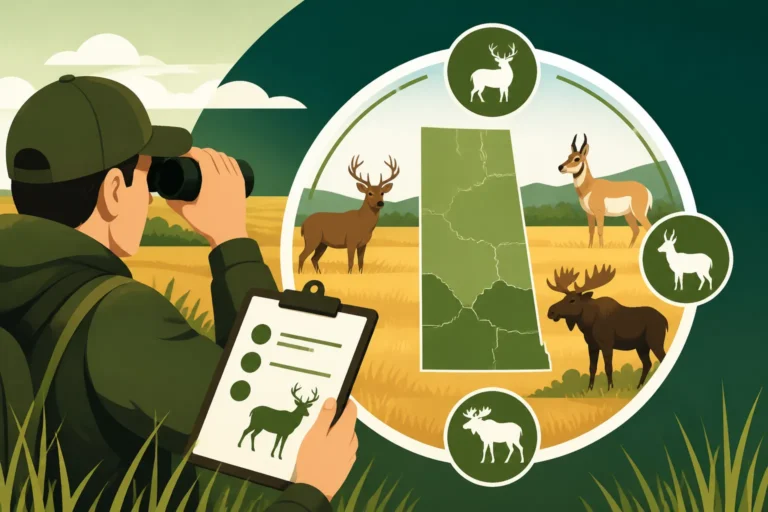
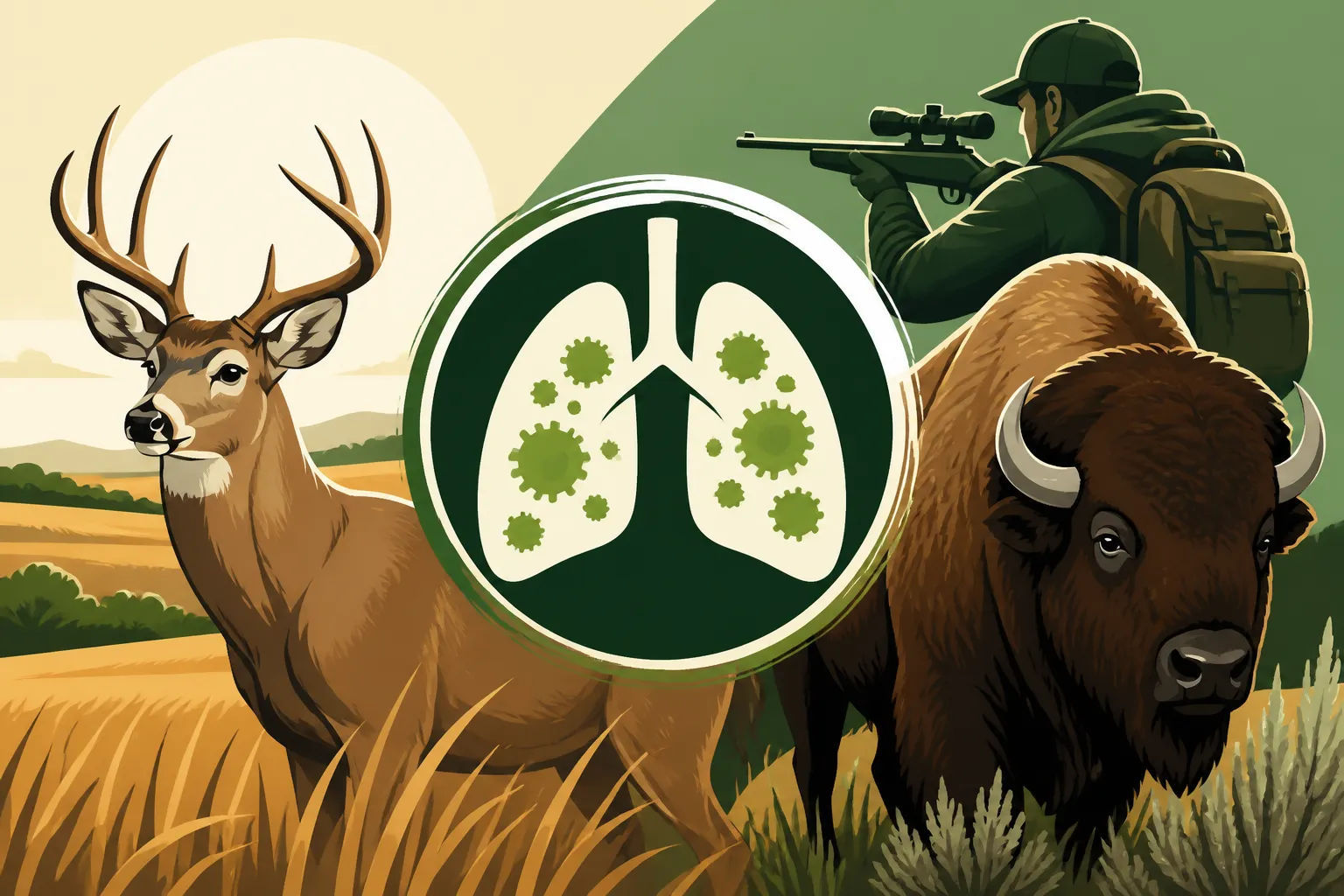
Historically, BTB has been a concern in North American wildlife, with particular attention paid to certain populations. In Saskatchewan, like other jurisdictions, the primary species that wildlife managers keep a close eye on for BTB are ungulates such as Moose in Saskatchewan's Farmland and Forest, elk, and deer. Bison herds, particularly those that might range near cattle operations, have also been a focus due to their susceptibility and potential to act as a reservoir. The disease doesn't discriminate much among these species, finding a host in any susceptible animal it encounters.
The impact can vary. A large elk herd, for instance, might experience higher transmission rates simply because of their social structure and tendency to gather in larger groups. Conversely, a solitary animal like a moose might be less likely to spread it widely, but could still be an individual carrier. This highlights why broad surveillance across various species is so important. The focus isn't just on what's sick, but what's potentially sick and how it interacts with the broader ecosystem, including domestic livestock.
Historical Context and Monitoring Efforts
Saskatchewan has a robust system in place for monitoring wildlife health, largely driven by the experiences with diseases like Bovine TB and, more recently, Chronic Wasting Disease. While we haven't seen widespread BTB outbreaks in wild populations recently, the province has proactive surveillance programs. These often involve testing harvested animals from specific regions, or animals found dead, to keep an ear to the ground, so to speak. This vigilant approach helps ensure that any re-emergence or localized spread is detected early.
These monitoring efforts are a continuous dance between wildlife managers, veterinarians, and yes, us hunters. Information gathered from hunter-harvested animals, especially through programs like those for Saskatchewan's CWD Testing Rules, often provides invaluable data points. The samples collected help build a comprehensive picture of wildlife health across Saskatchewan's Wildlife Management Zones. It’s a collective effort, emphasizing that every hunter who follows protocols contributes directly to the long-term health and management of our treasured game populations.
Transmission and Risks: How It Spreads and What It Means for Hunters
Understanding how Bovine Tuberculosis spreads isn't just academic; it directly impacts how we behave in the field and what precautions we should take. While the risk to hunters from BTB is generally considered low, it's not zero, and responsible practices are always the best defence. The last thing any of us wants is to accidentally contribute to a disease spread or, worse, put ourselves or our families at risk.
Pathways of Transmission from Wildlife to Humans
The primary way BTB can transmit from an infected animal to a human is through direct exposure to infected tissues or fluids, most commonly during the field dressing or processing of a harvested animal. Imagine you're field dressing an elk, and you come across abnormal lesions in the lungs or lymph nodes. If these tissues are handled without proper protection, such as gloves, and you have cuts or abrasions on your hands, the bacteria could potentially enter your system. Ingesting raw or undercooked meat from an infected animal is another potential, though less common, route, especially if the meat itself is contaminated with bacteria from the lesions.
This isn't meant to scare anyone away from processing their own game. On the contrary, it's about empowering you with knowledge. The key here is proper hygiene: wearing gloves, washing hands and tools thoroughly with soap and hot water, and cooking meat to a safe internal temperature. These are standard practices we should all follow anyway, for both food safety and disease prevention. The good news is that Mycobacterium bovis is killed by thorough cooking, so a well-prepared meal of wild game is generally safe.
Assessing the Risk for Hunters and Their Dogs
For hunters, the overall risk of contracting BTB from wild game is quite low, especially if you follow basic hygienic practices. Most cases of human BTB in recent history are linked to exposure to infected domestic animals or unpasteurized dairy products, rather than wild game. However, it's always wise to err on the side of caution. If you're field dressing an animal and notice anything unusual – lesions, abscesses, or any organs that just don't look right – it’s a red flag. Don't touch these areas with bare hands, and consider submitting samples for testing if the situation warrants it.
Hunting dogs are also susceptible to BTB, particularly those that retrieve game or may have direct contact with infected carcasses or tissues. Dogs can pick up the bacteria by sniffing or consuming infected material. While less common, it’s another reason to be mindful of what your hunting companion is exposed to in the field. If you’re using a dog for Upland Bird Hunting in Saskatchewan or to retrieve waterfowl, ensure they're kept away from suspicious carcasses, and always wash your dog's mouth and face after a hunt, especially if they’ve been in close contact with game. Being proactive about animal health extends to our loyal four-legged partners too.
| Feature | Bovine Tuberculosis (BTB) | Chronic Wasting Disease (CWD) |
|---|---|---|
| Type of Pathogen | Bacteria (Mycobacterium bovis) | Prion (abnormally folded protein) |
| Symptoms in Wildlife | Lesions in lungs/lymph nodes, coughing, emaciation, weakness, difficulty breathing | Emaciation, drooling, abnormal behavior, blank stare, tremors |
| Transmission | Direct contact, respiratory droplets, contaminated feed/water | Direct contact, contaminated environment (soil, saliva, urine, feces) |
| Affected Species (SK) | Moose, elk, deer, bison (primary concern) | White-tailed deer, mule deer, elk (primary concern) |
| Human Risk | Low, primarily through direct contact with infected tissues or consumption of undercooked, infected meat. Killed by cooking. | No known direct human transmission, but health authorities recommend against consuming meat from CWD-positive animals. |
| Testing | Lab culture/PCR of tissue samples (lymph nodes, lungs) | Lab test of brain stem and lymph node tissue |
| Meat Handling | Use gloves, good hygiene, cook thoroughly. Discard affected parts. | Use gloves, good hygiene. Strongly advised to avoid eating meat from positive animals. |
| Management Focus | Surveillance, testing, herd reduction in affected areas, domestic animal control | Surveillance, testing, harvest management to reduce prevalence, carcass disposal rules |
Saskatchewan's Approach to Managing Bovine TB
Saskatchewan takes wildlife health seriously, and the management of diseases like Bovine Tuberculosis is a multi-faceted endeavour. It involves more than just reacting to outbreaks; it's about proactive surveillance, public education, and collaboration between various agencies and, importantly, the public. The goal is always to protect both our wild populations and, by extension, our domestic livestock industry and public health.
Surveillance and Prevention Programs
The province maintains ongoing surveillance programs for diseases of concern, including BTB. This means keeping an eye out for any signs of the disease in wild populations. Hunters play a critical role here. When you submit samples for other diseases, like the Mandatory CWD Testing Zones for deer, elk, and moose, wildlife agencies gain valuable insights into the general health of game animals. While specific BTB testing might not be mandatory for every harvested animal, the data from general health monitoring helps inform where to focus more targeted BTB surveillance if a risk factor emerges.
Prevention is also key. This involves educating landowners and hunters about practices that minimize disease transmission, such as avoiding the congregation of wildlife with domestic livestock, and proper disposal of carcasses. Sometimes, it's about minimizing the chances for wildlife to concentrate unnaturally, which can inadvertently create hotbeds for disease spread. It’s not always a quick fix, but a sustained, diligent effort to maintain ecological balance and health.
What Happens if a Case is Detected
Should a case of Bovine Tuberculosis be detected in Saskatchewan wildlife, it triggers a very specific and thorough response. The first step is confirmation through laboratory testing to ensure it is indeed BTB. Once confirmed, a detailed investigation would commence. This involves identifying the extent of the infection, tracing potential sources, and determining the movement patterns of affected animals. This is where geographical information, often gleaned from hunter reports or wildlife surveys, becomes incredibly useful.
Depending on the scale and location of the detection, various measures could be implemented. This might include increased surveillance in the surrounding areas, targeted testing of additional animals, or, in rare severe cases, specific management actions to reduce the spread. The goal is containment and eradication if possible, always with the least impact on the broader ecosystem. Communication to stakeholders, including hunters, landowners, and the agricultural community, would be paramount to ensure everyone is informed and understands their role in managing the situation. This proactive management is vital to maintaining the health of our wildlife and protecting agricultural interests.
Your Role as a Hunter: Detection, Reporting, and Safety
As hunters, we spend more time in the field, observing wildlife up close, than almost anyone else. This unique position makes us invaluable allies in the ongoing effort to monitor and manage wildlife health in Saskatchewan. Your observations, responsible actions, and adherence to guidelines are critical components of a healthy ecosystem. Being prepared and knowing what to do can make a real difference.
Recognizing Suspect Animals and Carcasses
The most immediate and impactful role you have is detection. When you’re out Hunting Whitetails in Saskatchewan's Forest Fringe or Spot-and-Stalk Mule Deer in Saskatchewan, you're not just looking for antlers; you're observing animal behaviour and condition. An animal infected with BTB might appear unusually thin, lethargic, or have a persistent cough. While these aren't definitive signs of BTB, they are certainly indicators that something isn't right. Similarly, if you come across a dead animal, take note of its condition. Are there any obvious lesions? Does it look emaciated? Any findings that are out of the ordinary should pique your interest.
During field dressing, pay close attention to the internal organs, especially the lungs and lymph nodes. Look for any abnormal lumps, yellow masses, or abscesses. Healthy organs generally look clean and uniform. If you see anything suspicious, remember the phrase, "When in doubt, cut it out" – referring to the diseased tissue, not the entire animal! Better yet, if you encounter such anomalies, consider whether you should process the animal further or contact authorities. This vigilance directly contributes to the early warning system for wildlife health issues.
Reporting and What Information is Needed
If you encounter a suspect animal, either alive or as a harvested carcass, reporting it is crucial. Don't assume someone else will. The province has channels for reporting sick or diseased wildlife. Often, the Saskatchewan Ministry of Environment or local conservation officers are the first point of contact. You can usually find contact information in the annual hunting guide or on the government website. When you report, be ready to provide specific details.
What information is helpful?
- Exact Location: GPS coordinates are best, but a clear description of landmarks, roads, and quarter sections is also valuable. Platforms like GoHunt often have mapping features that can help pinpoint locations accurately.
- Date and Time of Sighting/Harvest: This helps establish a timeline.
- Species and Sex of Animal: Knowing if it was a deer, elk, or moose, and if it was a buck, cow, or calf, matters.
- Observed Symptoms/Lesions: Describe what you saw in as much detail as possible – e.g., "emaciated deer with a cough" or "golf-ball sized yellow lesions in the lung cavity of a harvested elk."
- Your Contact Information: So officials can follow up if they need more details or want to collect a sample.
If you harvested the animal and noticed suspicious lesions, remember to keep the affected parts separate, or ideally, leave them in place and call for advice. Officials may wish to examine the carcass or collect specific samples. This helps ensure proper diagnosis and prevents the spread of potential pathogens. It's an important part of Saskatchewan Hunter Education Requirements to understand this kind of responsibility.
Safe Handling and Carcass Disposal Guidelines
Even without suspicion of disease, proper field dressing and meat care are paramount. Always wear gloves when field dressing any animal, and wash your hands thoroughly with soap and water after handling game. For your tools, a good scrub with hot, soapy water, followed by a bleach solution, is recommended. These are just good practices for Meat Care in Saskatchewan's Cold Snaps anyway.
If you do encounter lesions or other suspicious signs in a harvested animal:
- Wear Gloves: Double up if necessary.
- Avoid Contamination: Try not to rupture lesions, and keep affected tissues isolated from meat meant for consumption.
- Contact Authorities: Before proceeding with processing or disposal, call the provincial wildlife health line or a conservation officer. They can advise on whether samples are needed and how to proceed safely.
- Proper Disposal of Carcass Waste: If the animal is suspected or confirmed to have BTB, special disposal methods may be recommended to prevent further spread. Generally, burying deep or ensuring thorough incineration are preferred methods over simply leaving parts exposed, especially if lesions are present. This also ties into the general rules for Rules on Wasting Game Meat and proper carcass management. Do not move suspect carcasses between Saskatchewan's Wildlife Management Zones, as this could aid in disease transmission.
- Cook Thoroughly: Regardless of suspicion, always cook wild game meat to an internal temperature of at least 74°C (165°F) to kill any potential bacteria or parasites.
By following these steps, you not only protect yourself and your family but also actively participate in safeguarding Saskatchewan's incredible wildlife heritage. Your diligence in the field is a powerful tool in keeping our wild herds healthy.
Disclaimer
This article is for general informational purposes only and does not constitute professional advice. Laws, prices and regulations vary by location and change over time. Consult a qualified professional for guidance on your specific situation.