Why Burned Ground Grows Big Bulls
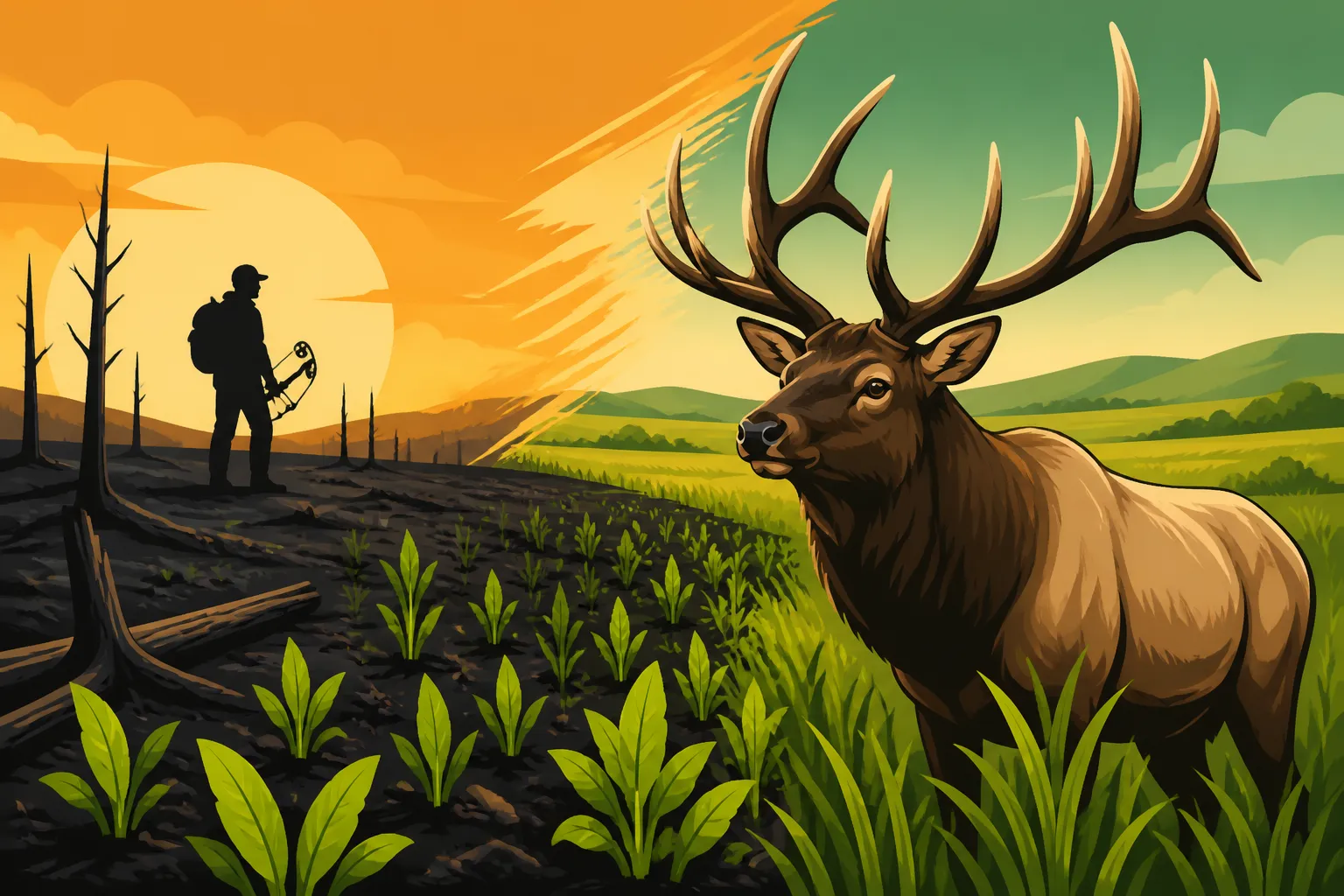
It's a common observation among seasoned hunters in Saskatchewan, isn't it? You see a major wildfire sweep through a region, leaving what looks like absolute devastation, and then, a few years down the road, the word starts to spread: "The bulls in that burn are giants." It might seem counterintuitive at first – how can a landscape that looks so scorched and barren become a hotspot for massive elk? But there's a fascinating ecological story behind this phenomenon, and understanding it can completely change how you approach scouting and hunting in these dynamically changing Saskatchewan landscapes. This guide will walk you through the science and the strategy of hunting elk in post-fire environments, helping you understand why these areas often produce some truly exceptional bulls.
Understanding Forest Fires and Ecological Renewal in Saskatchewan
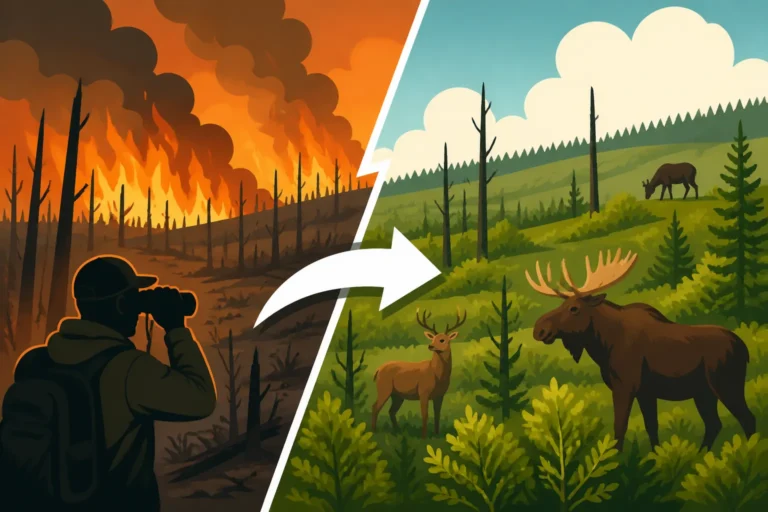
When you fly over or drive through a recently burned area in Saskatchewan, especially in the boreal forest or forest fringe zones, the initial impression can be one of stark desolation. Blackened trees, scorched earth, and a quiet eeriness. It's easy to assume that all life has been wiped out. However, what we're actually witnessing is nature's most dramatic form of reset – a powerful, albeit destructive, catalyst for profound ecological renewal. Forest fires, particularly those of moderate to high intensity, play a critical role in the natural cycle of many ecosystems, including those where Saskatchewan's elk herds thrive.
The immediate impact of a fire is, of course, the destruction of existing vegetation. Older, diseased, or less vigorous trees and shrubs are often consumed, clearing out dense undergrowth and opening up the forest canopy. This might seem like a negative, but for many plant species that have adapted to fire, it's an essential part of their life cycle. Their seeds might require smoke or heat to germinate, or they simply need the intense competition from established plants to be removed. Think of it less as an ending and more as a violent, yet necessary, new beginning.
The Immediate Aftermath: Ash and Opportunity
Once the smoke clears and the ground cools, the residual ash might look like little more than dust. But this ash isn't just inert charcoal; it's a potent cocktail of concentrated nutrients that were locked up in the consumed biomass. As rain and snow begin to fall, these nutrients – particularly potassium, calcium, and magnesium – are leached into the soil. This sudden flush of readily available minerals acts like a powerful fertilizer, supercharging the growth of new plants. The soil's pH can also shift, creating conditions favorable for different types of vegetation than what was present before the fire.
Moreover, the removal of the dense forest canopy means a dramatic increase in sunlight reaching the forest floor. This is a game-changer for many light-loving plants that were previously suppressed by shade. Where a mature forest floor might have been dark and sparsely vegetated, a post-fire landscape becomes a sun-drenched canvas ready for new growth. This combination of increased sunlight and nutrient-rich soil sets the stage for an explosion of early successional plants, many of which are highly palatable and nutritious for elk and other wildlife. It's a prime example of How Wildfire Changes Northern Game Range in the most fundamental way.
Pioneer Species and Early Successional Growth
Within just a year or two, sometimes even months, after a significant burn, the landscape begins to transform. The first plants to colonize these open, nutrient-rich areas are often referred to as "pioneer species" or "early successional species." These are typically fast-growing forbs (non-woody plants), grasses, and shrubs that thrive in disturbed environments. In Saskatchewan's forest fringe and boreal regions, you'll start to see a proliferation of species like fireweed, various native grasses, willow, aspen suckers, and berry bushes.
Aspen, for example, is a fire-adapted species that regenerates aggressively from root suckers after a fire. A single aspen tree can have an extensive root system that sends up hundreds of new shoots once the main trunk is destroyed and sunlight hits the forest floor. Willows also quickly establish themselves in moist areas, providing dense, nutritious browse. These rapidly growing plants offer an abundance of high-quality forage that simply wasn't available in the same quantity or quality in the mature, pre-fire forest. For elk, these areas become incredibly attractive feeding grounds, drawing them in from surrounding unburned habitats.
The Nutritional Goldmine in Post-Fire Habitat
The rapid resurgence of plant life in burned areas isn't just about quantity; it's profoundly about quality. The specific types of plants that flourish in these conditions are often far more nutritious for grazing and browsing animals like elk than the vegetation found in older, more stable forest ecosystems. This nutritional boost is the key factor in why these areas are known for producing larger, healthier animals, including those impressive "big bulls."
Consider the typical diet of an elk in a mature forest. They might browse on various shrubs and forbs, but the overall nutritional content can be lower, and the density of highly palatable forage might be patchy. In a burn, however, the landscape becomes a buffet. The plants growing there are often packed with protein, minerals, and digestible energy – precisely what a growing bull needs to pack on body mass and develop impressive antler growth.
High-Protein Browse and Forage
The young shoots of aspen, willow, and other deciduous shrubs that sprout up after a fire are particularly high in protein and readily digestible nutrients. These young plants put a lot of their energy into rapid growth, resulting in tender, succulent stems and leaves that are a far cry from the tougher, less digestible older growth. Fireweed, a vibrant purple wildflower often one of the first to appear, is another excellent source of nutrition.
This abundance of high-quality forage means that elk don't have to expend as much energy searching for food. They can graze and browse efficiently, consuming more nutrients in less time. This surplus energy isn't just converted into body fat; it directly fuels antler development. A bull's antlers are one of the fastest growing tissues in the animal kingdom, requiring a tremendous amount of calcium, phosphorus, and protein. When a bull has access to a continuous supply of nutrient-dense forage throughout the spring and summer growing season, he has the building blocks necessary to grow a bigger, denser, and potentially more symmetrical rack. It's truly a powerful phenomenon that contributes to Why Saskatchewan Bucks Grow So Large in these types of regenerating areas, even if we're talking about elk here.
Mineral-Rich Soil and Water Sources
The mineral content of the soil, as mentioned earlier, is significantly enhanced by the ash from the fire. This isn't just about general fertility; it’s about the specific trace minerals that are crucial for antler growth and overall animal health. Calcium and phosphorus are obviously vital, but other elements like zinc, copper, and selenium also play a role. When these minerals are readily available in the soil, they are absorbed by the plants, and then ingested by the elk. This direct pathway ensures that the animals are getting a complete dietary package.
Furthermore, fire can sometimes expose new or altered water sources, or make existing ones more accessible. While not as dramatic as the forage change, easier access to water, especially in drier periods, can also contribute to the overall health and vigor of an elk herd. A healthy, well-hydrated animal is better equipped to utilize the available forage and put those nutrients towards growth. Hunting a Beaver Dam Crossing in an old burn can be particularly productive as new growth around the edges provides both food and water access.
| Habitat Feature | Pre-Fire (Mature Forest) | Post-Fire (Early Succession) | Impact on Elk |
|---|---|---|---|
| Vegetation Density | Dense canopy, sparse understory | Open canopy, abundant ground vegetation | Easier movement, more sunlight for forage |
| Forage Quality | Mature, woody browse, lower protein | Young, tender shoots, high protein/mineral content | Superior nutrition for body and antler growth |
| Nutrient Availability | Locked in biomass, slower cycling | Ash-enriched soil, rapid nutrient flush | Direct access to essential minerals like calcium, phosphorus, potassium |
| Sunlight | Limited to forest floor | Abundant on forest floor | Promotes growth of light-loving pioneer species |
| Cover Type | Dense timber, limited sightlines | Mix of standing snags, new shrubs, open areas | Diverse cover options, often easier to spot animals, but still security |
| Predator Pressure | Potentially higher due to dense cover | Varying; open areas make predators visible, but new growth offers hiding | Can shift predator movement patterns |
| Elk Preference | Often transitional, seeking openings | Highly attractive for feeding, bedding, and calving | Increased usage, higher elk densities in favorable areas |
How Elk Utilize Burned Areas for Growth
It's not just the availability of food; it's how elk intelligently use these burned landscapes that contributes to their impressive growth. They are highly adaptable creatures, and post-fire environments offer a unique combination of sustenance and security that perfectly aligns with their needs, particularly during the critical antler-growing season. You can often see the impact of these changes on their population trends and distribution, which is something you might track with tools like GoHunt when looking at historical data for different zones.
When you're looking for elk in Saskatchewan, whether it's Elk in the Moose Mountain Country or Elk Hunting in Saskatchewan, understanding their movement patterns in relation to habitat is crucial. Burned areas provide both the groceries and, eventually, enough cover to make them feel secure while they feed and rest.
Increased Foraging Efficiency
Picture an elk moving through a dense, unburned forest. It has to navigate thick underbrush, often stretching its neck to reach browse, and constantly be on alert. Now imagine that same elk in a regenerating burn. The ground is often more open, with new, succulent growth sprouting everywhere. It can move more freely, see further, and fill its belly more quickly and efficiently. This reduced effort means more calories are directed towards growth and health rather than simply maintaining its energy balance.
The mosaic pattern that fires often create – pockets of unburned timber next to regenerating burn areas – is also ideal. Elk can feed heavily in the open, nutritious burn, then quickly retreat to the safety of nearby unburned timber for bedding and security. This edge habitat is always highly prized by wildlife, and fire naturally creates and enhances these edges on a grand scale. It's why Hunting the Forest Fringe for Big Bucks is so effective for whitetails, and the same principles apply to elk in these dynamic burn zones.
Cover and Security in a Regenerating Landscape
While a freshly burned landscape might initially seem too open for security, the rapid regrowth of pioneer species quickly provides ample cover. Young aspen and willow stands, often growing in incredibly dense thickets, become excellent bedding and hiding spots. The standing dead timber, or "snags," can also offer a visual barrier and, surprisingly, even some thermal protection in colder weather.
As the landscape matures over several years, this dense, regenerating shrub and young tree growth becomes almost impenetrable in places, offering fantastic security. This allows elk to utilize the area for longer periods, feeling safer while they consume the abundant forage. They might still seek out unburned islands or adjacent timbered areas for deep bedding, but the burn itself becomes a vital part of their daily and seasonal movements. Knowing this, when you're glassing and scouting, you're not just looking for elk, you're looking for where they feel most comfortable to spend their time feeding and resting. That's why tools like GoHunt can be so valuable in helping you visualize these areas from a broader perspective.
Hunting Considerations in Saskatchewan's Burned Landscapes
Hunting in a burned-over area presents both unique challenges and incredible opportunities. It's not like hunting in a traditional mature forest, and successful hunters need to adapt their strategies, gear, and scouting efforts to these dynamic environments. The rewards, however, can be truly exceptional – a chance at one of those big bulls that have capitalized on the post-fire abundance.
Before you even step foot in a burn, extensive scouting is paramount. Satellite imagery, which can be found on apps like GoHunt or other mapping platforms, becomes an invaluable tool. Look for the mosaic patterns, the interface between the burned and unburned areas, the pockets of dense regrowth, and potential travel corridors. Pay attention to how the fire moved; did it create fingers of burn into otherwise mature timber? These can be elk highways. Scouting With Satellite Imagery in Saskatchewan is more crucial than ever in these areas.
Scouting and Accessing Burned Zones
Access can be a major hurdle. Old logging roads or trails might be impassable due to fallen snags or new growth. Be prepared for difficult travel on foot. Snags can fall unexpectedly, especially in windy conditions, so safety is a serious concern. Wear durable clothing, and good quality, sturdy boots are an absolute must. You'll be crossing uneven ground, stepping over logs, and pushing through thick brush. Consider carrying a satellite communication device, as cell service can be spotty, particularly in the more remote northern burns. What to Do If You Get Stuck in the Bush becomes a very real consideration here.
When you're on the ground, look for fresh sign: tracks in the ash, rubbed trees, fresh droppings. Elk will often follow the easiest paths through the new growth, creating discernible trails. Focus your efforts on the transition zones – the edges where the burn meets unburned forest. These are often high-traffic areas as elk move between feeding and bedding. Don't be afraid to walk a little further, get off the beaten path; often, the biggest bulls will be in the thicker, less accessible parts of the burn.
Strategy for Hunting Elk in Burns
Hunting strategy in a burn will often depend on the stage of regrowth. In very recent burns (1-3 years), the cover might still be relatively open. This can make spot-and-stalk tactics effective, especially if you can get high on a ridge and glass extensive areas. However, as the new growth becomes denser (4-10+ years), it can become incredibly thick, turning into still-hunting or stand-hunting territory, much like Hunting a Burned-Over Boreal Block.
Calling can be highly effective in burned areas, particularly during the rut. The more open landscape allows sound to travel further, and elk are often more vocal. Set up near dense pockets of regrowth or unburned timber, as these offer a sense of security for an incoming bull. Wind direction is critical; in open burns, your scent can carry for long distances. Always play the wind.
Remember that these big bulls are typically older, wiser animals. They've survived multiple hunting seasons and understand pressure. They will use the terrain, the cover, and the wind to their advantage. Patience, meticulous scouting, and adapting to the unique challenges of a burned landscape are your best bets for encountering one of Saskatchewan's magnificent post-fire elk. You might not see as many animals as in other areas, but the quality of the bulls can be astounding, making all the extra effort worthwhile. Always ensure you have your Saskatchewan Big Game Season Dates confirmed for the specific zone you plan to hunt.
Disclaimer
This article is for general informational purposes only and does not constitute professional advice. Laws, prices and regulations vary by location and change over time. Consult a qualified professional for guidance on your specific situation.