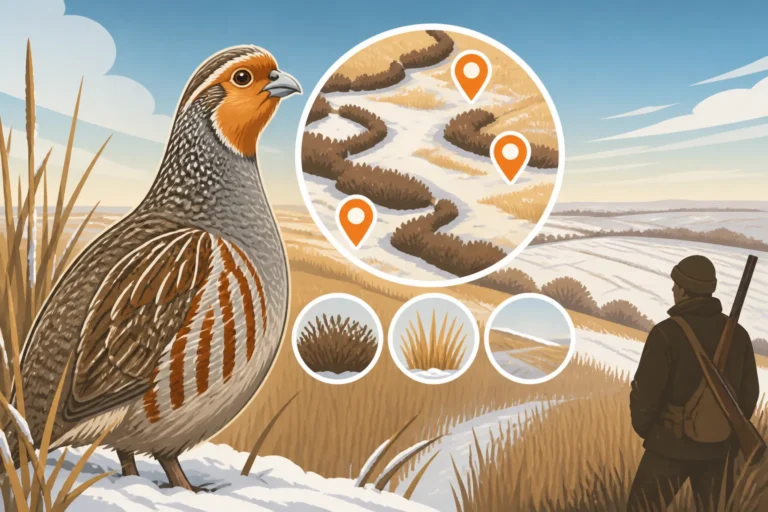
The Top Pronghorn Ever Scored in Saskatchewan
When you dream of wide-open spaces and the thrill of the chase, Saskatchewan's rolling prairie often conjures images of majestic whitetails or sturdy mule deer. But for those in the know, the province is also home to some truly exceptional pronghorn, those incredible speedsters of the plains. If you're wondering what it takes for a pronghorn to earn a spot in the record books in Saskatchewan, or perhaps even become the top-scoring buck, you're tapping into a hunter's deepest curiosity about these unique animals. This guide dives into what makes a record-book pronghorn in this province, the habitat that grows them, and the dedicated pursuit required to find one of these prairie giants.
Understanding Pronghorn Scoring and Trophy Standards
When we talk about "scoring" a pronghorn, we're usually referring to the standardized measurement systems used by organizations like Boone and Crockett or Pope and Young. These systems are crucial for comparing trophies fairly across different regions and eras, and they allow us to recognize truly exceptional animals. For pronghorn, the focus is squarely on the horns – their length, the circumference at various points, and the unique development of the prongs. It's a meticulous process that hunters often find fascinating, as it really highlights the unique anatomy of these incredible animals.
The scoring system looks at several key aspects. First, you have the length of the main horn, measured along the outer curve from the tip to the base. Then, the length of the prong itself is measured. After that, four circumference measurements are taken along each horn, ensuring the horn's mass is accounted for. The spread between the horns is also noted, though it's typically only added to the final score in specific situations. All these measurements are then tallied, and any asymmetry between the left and right horns results in deductions for "non-typical" characteristics, leading to a net score. For many hunters, just understanding these intricate details is part of the journey. It's not just about the numbers, but appreciating the symmetry and sheer size of an old, dominant buck's headgear. To truly grasp what makes a trophy animal, you really need to delve into What Counts for a Saskatchewan Trophy Record.
What separates a good pronghorn from a truly exceptional, record-book animal often comes down to a combination of incredible length and, critically, outstanding mass throughout the horn. Many bucks might have decent length, but to carry that thickness all the way up, even past the prong, is what pushes them into the higher echelons. It indicates an older, healthier animal that has had excellent nutrition and favorable growing conditions for many years. When you're out glassing those vast Saskatchewan prairies, training your eye to pick out that exceptional mass can be incredibly challenging, but also immensely rewarding.
Factors Contributing to Saskatchewan's Top Pronghorn
Saskatchewan is renowned for producing trophy big game, and pronghorn are no exception. The conditions here conspire to create an environment where these animals can truly thrive and grow impressive headgear. It’s not just luck; it’s a specific blend of habitat, genetics, and age that comes together.
Rich Prairie Habitat and Nutrition
The southwestern portion of Saskatchewan, where pronghorn are most prevalent, boasts vast tracts of native prairie grassland. This isn't just empty land; it's a diverse ecosystem rich with the forbs and grasses that pronghorn depend on for their diet. Unlike deer, pronghorn are primarily browsers, and they seek out specific plants that offer high nutritional value, especially during the crucial horn-growing season in spring and summer. A wet spring, for instance, means an abundance of lush, nutrient-dense forage, directly translating into better horn growth for the bucks. Areas like the Great Sand Hills or the Missouri Coteau are prime examples of landscapes that consistently offer this high-quality sustenance, allowing bucks to reach their full genetic potential. Think of areas near Swift Current or along the Frenchman River Valley; these regions are well-known for their healthy pronghorn populations.
Genetics and Age Structure
Just like any other species, genetics play a significant role in antler and horn development. Some populations simply have the genetic predisposition to grow larger, denser horns. Combined with adequate nutrition, these superior genetics can lead to truly monumental trophies. However, genetics alone aren't enough. Age is arguably the most critical factor. Pronghorn don't fully mature and express their maximum horn potential until they are several years old, often in the 5-7 year range. In areas with less hunting pressure or ample escape cover, bucks have a better chance of surviving to these older ages. A stable population with a good age structure means more older, larger-horned bucks are available, increasing the odds of a truly exceptional animal emerging. Hunters often speak of "management units" or zones that have these ideal conditions, and these are often the same zones that are highly sought after in the draw. Understanding How Pronghorn Survive a Prairie Winter also gives insight into the resilience and health of these animals, directly impacting horn growth year after year.
Weather Patterns and Winter Survival
While rich habitat provides the baseline, specific weather patterns year-to-year can have a profound impact. Mild winters, for example, reduce stress on the herd, allowing bucks to carry more body mass into the spring, which then fuels robust horn growth. Conversely, a severe winter with deep snow and prolonged cold can take a heavy toll, reducing the overall health of the herd and diminishing horn development in the following year. A sequence of several mild winters followed by wet, productive springs can set the stage for a truly banner year for trophy pronghorn. When you see a buck that carries immense mass and length, it's often a testament to not just its age and genetics, but also years of favorable environmental conditions. These animals are truly products of their environment, and Saskatchewan's prairie ecosystem provides a unique crucible for growing big pronghorn.
Saskatchewan's Trophy Pronghorn Legacy
Saskatchewan has a proud history of producing world-class big game, and pronghorn are definitely a part of that legacy. While specific details of the absolute "top" pronghorn ever scored in the province might reside in the hallowed halls of record books or the memories of local hunters, what's clear is that the province consistently yields animals that impress. Hunters from all over North America recognize Saskatchewan as a premier destination for pronghorn, particularly for those looking for a buck that will make the record book.
When you look at the trophy records, you’ll find that many of the largest pronghorn taken in Saskatchewan have come from the southwest and west-central regions. These are areas characterized by vast, unbroken prairie, often with minimal human disturbance and excellent forage. The very nature of these landscapes means pronghorn have ample room to roam, find the best feed, and avoid excessive pressure, allowing them to age gracefully and develop those truly impressive horns. Resources like GoHunt are invaluable for researching these historical trends and understanding which wildlife management zones (WMZs) consistently produce top-end animals. It's not just about one lucky find; it's about a sustained environment that fosters these giants.
The pursuit of a record-book pronghorn in Saskatchewan is often a test of patience, meticulous scouting, and precise execution. These animals possess incredible eyesight, making close approaches a significant challenge. Many hunters spend countless hours glassing, often covering dozens of square miles with binoculars and spotting scopes, just to locate a buck with the potential to be a record. When they do find one, the stalk can be long, arduous, and frustrating, often spanning hours under the relentless prairie sun, utilizing every fold and crease in the landscape for cover. The reward for such dedication, when a truly exceptional buck is finally harvested, is immense, cementing Saskatchewan's reputation as a prime location for these magnificent prairie speedsters. It's a journey that links closely with the effort involved in Stalking Pronghorn Across Open Ground or Glassing Saskatchewan Prairie for Pronghorn.
Strategies for Pursuing a Record-Book Pronghorn
Hunting record-book animals isn't just about showing up; it's about strategy, dedication, and a deep understanding of the animal and its habitat. For a Saskatchewan pronghorn, this means combining meticulous planning with exceptional field skills.
Intensive Scouting and Research
The first step to finding a top-tier pronghorn is extensive scouting, often long before the season even opens. This means driving secondary roads, glassing potential habitat from afar, and identifying movement patterns and preferred bedding areas. Top hunters use high-quality optics and spend hours behind the glass, looking for those specific horn characteristics that indicate a mature, trophy-class animal. Utilizing digital mapping tools, some of which are integrated into platforms like GoHunt, allows hunters to identify public lands, potential access points, and terrain features like coulees or low rises that might offer cover for a stalk. Understanding the lay of the land, knowing where the animals typically feed, water, and bed, is paramount. This deep dive into the terrain and animal behaviour is essential, much like understanding Reading Whitetail Sign in Saskatchewan Bluffs for deer hunting.
Patience and Persistence in the Field
Pronghorn are notoriously difficult to hunt due to their incredible eyesight and tendency to inhabit wide-open spaces. A successful hunt for a record-book animal demands an extraordinary amount of patience. This often means spending full days, from first light to last, glassing for miles, waiting for the perfect opportunity. You might spot a great buck in the morning, only for it to disappear over a ridge or bed down in an unapproachable location. The truly dedicated hunter will either attempt a very long, careful stalk or relocate and return later, sometimes even the next day, hoping to catch the animal in a more favorable position. There's no rushing a pronghorn hunt; it's a game of chess played out on the vast prairie, where every move must be calculated and deliberate.
Ethical Hunting Practices and Shot Placement
When you've finally put in the effort, made the stalk, and a trophy pronghorn is in range, ethical hunting practices come to the forefront. This means taking a clean, humane shot that ensures a quick harvest. Due to their smaller body size and the open environment, precise shot placement is critical. Practicing shooting from various field positions and at extended ranges is essential. After the shot, quick and efficient field dressing is important, especially in the warm early season, to preserve the meat and, crucially, the cape and horns for potential taxidermy and scoring. Learning how to properly cape an animal for a shoulder mount or a European skull mount is a skill that pays dividends, ensuring your hard-earned trophy is prepared correctly. For those considering taxidermy, exploring Getting a European Mount Done can provide valuable insights.
Navigating the Draw and Access
Saskatchewan utilizes a draw system for many of its big game species, including pronghorn, to manage populations and hunting pressure. Successfully drawing a tag in a premium zone known for trophy potential is a critical step in the journey. This often involves accumulating priority points over several years. Once you have a tag, understanding Saskatchewan's Big Game Draw becomes vital. Gaining access to productive private land can also be a game-changer, as some of the best habitat is often privately owned. Building relationships with landowners and respecting their property is not just good etiquette, it’s often the key to accessing those prime areas that hold the biggest bucks. While some Crown land holds good animals, private land often offers less pressure and higher quality animals due to better habitat management.
| Scoring Category | Typical Hunter's Goal | Record Book Quality (Saskatchewan Potential) | What It Means |
|---|---|---|---|
| Horn Length | 12-14 inches | 16+ inches | Indicates older age and consistent growth. |
| Prong Length | 4-5 inches | 6+ inches | Significant flare and definition, often proportional to horn length. |
| Circumference (Mass) | 5-6 inches (base) | 7+ inches (base), holding mass throughout | Crucial for high scores; shows exceptional horn density and health. |
| Symmetry | Generally symmetrical | Near-perfect symmetry is ideal (fewer deductions) | Reflects consistent growth and health, less injury. |
| Overall Score | Good animal | 80+ B&C points | Combination of all factors, signifying an exceptional trophy. |
Disclaimer
This article is for general informational purposes only and does not constitute professional advice. Laws, prices and regulations vary by location and change over time. Consult a qualified professional for guidance on your specific situation.