What a Hard Saskatchewan Winter Culls
When a deep chill settles over the vast prairies and boreal forests of Saskatchewan, and the snow piles up relentlessly, it's more than just an inconvenience for us humans. For the province's incredible wildlife, a truly harsh winter can be a life-or-death gauntlet, leading to what we call a "winter cull." This guide is all about understanding how these brutal cold snaps impact the game animals we pursue, what makes some species more vulnerable than others, and how these natural events shape the hunting opportunities for years to come.
The Relentless Grind of a Saskatchewan Winter
There's a reason Saskatchewan hunters talk about "tough winters" with a mix of dread and resignation. It's not just the temperature that drops to eye-watering lows; it's the combination of persistent extreme cold, deep, crusty snow, and prolonged periods where natural forage becomes locked away or completely depleted. This isn't a quick event; it's a slow, grinding attrition that tests the limits of every wild creature.
Energy Depletion and Starvation
Imagine burning through your savings account just to stay alive, day after agonizing day. That's essentially what our wild game animals are doing during a harsh winter. They enter the cold season with fat reserves built up during the bountiful summer and fall. These reserves are their fuel. Every movement through deep snow, every degree of body heat maintained against the biting wind, costs precious calories. When food is scarce or difficult to access – think about deer trying to reach browse buried under several feet of crusted snow – they burn through those reserves faster than they can replenish them.
The problem compounds when temperatures remain frigid for weeks on end. Animals have to expend even more energy simply to stay warm. If their fat stores run out before spring green-up, they begin to metabolize muscle tissue, leading to a state of emaciation and, ultimately, starvation. This is especially true for species like whitetail deer, which are adapted to browsing on woody vegetation, much of which becomes inaccessible under deep snow. You might see deer with ribs showing, their coats dull and ruffled, a clear sign they are losing the fight.
Increased Predation Pressure
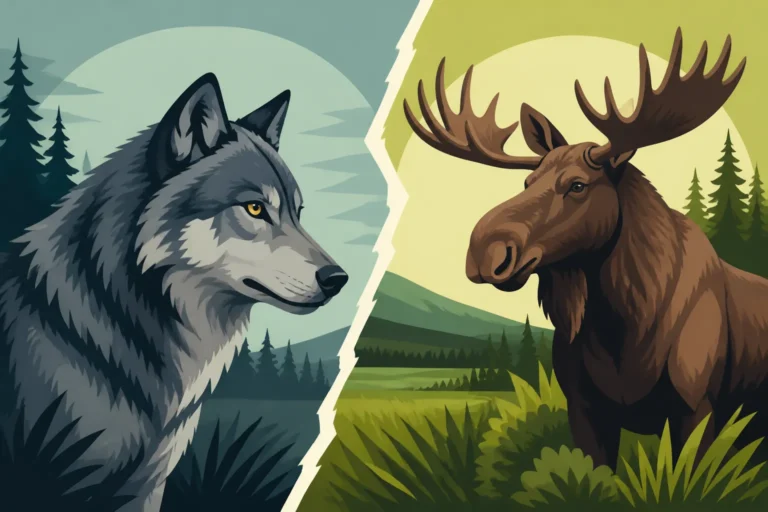
A winter cull doesn't just involve the elements directly; it amplifies the role of predators. Wolves and coyotes, always on the lookout for an easy meal, capitalize on weakened prey. When deer or moose are struggling to move through deep snow, their natural escape mechanisms are severely hampered. They become slower, more vulnerable, and easier to corner. A healthy, robust animal might outrun or outwit a predator, but an exhausted, half-starved one stands little chance.
This is a natural, albeit brutal, part of the ecosystem. Predators, in a way, assist the culling process by removing the weakest individuals from the herd. This can have a long-term benefit for the species by strengthening the gene pool of the survivors, but in the short term, it adds another layer of mortality to an already struggling population. We often see evidence of this increased predation in the spring, with more carcass remains found in areas where winter-stressed animals were concentrated. Hunters familiar with the areas might note how a fresh snow can reveal these grim tales, as discussed in Reading Sign After Fresh Saskatchewan Snow. The tracks tell a story of a chase, often with a tragic end for the prey.
Disease Susceptibility
Just like us, animals under extreme stress are more susceptible to illness. A depleted immune system leaves them vulnerable to various diseases and parasites that a healthy animal might easily fight off. This can include anything from respiratory infections to the proliferation of internal parasites. In some cases, chronic wasting disease (CWD) can be more impactful on already weakened animals, as their bodies are less able to cope with its degenerative effects.
The combination of cold, hunger, and disease creates a vicious cycle. An animal that is ill is less likely to forage effectively, further depleting its energy, which in turn makes it even sicker. This is a quiet, often unseen, aspect of the winter cull, but it contributes significantly to overall mortality rates. After a particularly brutal winter, conservation authorities often pay close attention to disease prevalence as they assess the overall health of game populations.
Specific Vulnerabilities of Game Species
Not all game animals in Saskatchewan face the winter equally. Their size, metabolism, diet, and habitat preferences all play a role in their ability to withstand prolonged cold and deep snow.
Whitetail Deer: The Bellwether of Winter Hardship
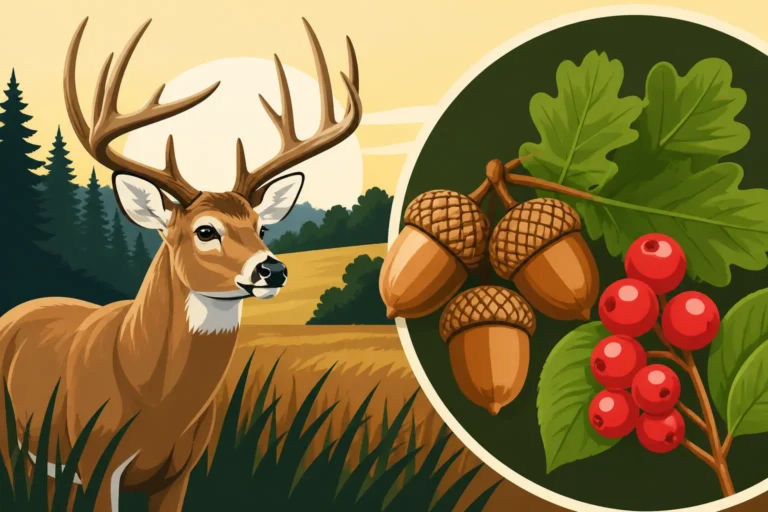
Whitetail deer are often the first species to show the signs of a hard winter, making them a kind of bellwether for the overall impact on game. Their relatively small body size compared to moose or elk means they have a higher surface area to mass ratio, making heat retention more challenging. Furthermore, their primary winter diet consists of browsing on woody vegetation. When snow depths exceed 18-24 inches, it becomes incredibly difficult for them to move and access these food sources.
Young fawns born the previous spring are particularly vulnerable. They haven't had as much time to build up substantial fat reserves, and their smaller stature makes navigating deep snow an immense energy drain. Older deer, especially those with worn teeth or underlying health issues, also struggle immensely. A severe winter can decimate a fawn crop and significantly reduce the number of older, trophy-class bucks. We often find that in the forest fringe or areas with dense cover, deer can shelter more effectively, but even there, food access remains a critical factor. Understanding Where Saskatchewan Whitetails Bed in Snow can give you an idea of the types of cover they rely on.
Mule Deer: Prairie Survivors with Limits
Mule deer, often found in the more open prairie and badlands country, have their own set of challenges. While they can sometimes use their larger bodies to "plow" through snow more effectively than whitetails, deep, crusted snow can still be a major barrier. They often seek shelter in coulees and river bottoms, which can offer some protection from wind and snow, but these areas can also become snow traps.
The ability of mule deer to migrate to more favorable winter ranges plays a big role. However, if winter hits early and hard, or if migration routes are blocked by human development or deep drifts, they can become trapped in less hospitable areas. Their diet is more varied than whitetails, including a higher proportion of forbs and shrubs, but if these are buried, they face similar struggles for food. Hunters scouting with tools like GoHunt can often see the patterns of How Mule Deer Use Coulees in Winter to survive.
Pronghorn: The Prairie's Most Vulnerable
Of all Saskatchewan's big game species, pronghorn are arguably the most vulnerable to a harsh winter. These speed demons of the prairie are not built for deep snow. Their small hooves and relatively thin legs make it incredibly difficult for them to move through anything more than a few inches of powder. When snow piles up, they can become effectively trapped.
Compounding this is their preference for open, windswept country. While wind can clear some areas of snow, it also offers little shelter from extreme cold. Perhaps the greatest challenge for pronghorn in deep snow is their tendency not to jump fences. Instead, they try to crawl under them. In deep snow, this becomes impossible, and they can literally become fenced in, unable to reach crucial food sources or escape predators. Many hunters have seen the tragic consequences of Why Fences Are Hard on Pronghorn during severe winters. This can lead to localized mass die-offs, especially in areas with extensive fencing.
Moose and Elk: More Resilient, But Not Immune
Moose and elk, being significantly larger and hardier than deer or pronghorn, generally fare better in severe winters. Their size allows them to push through deeper snow, and their long legs give them a height advantage for reaching browse. Moose, in particular, are well-adapted to deep snow and cold, often thriving in boreal forest environments where heavy snowfall is common. Their diet of woody browse, often accessible higher up, also gives them an advantage.
However, even these giants are not completely immune. Extreme, prolonged cold combined with exceptionally deep snow can still take a toll, especially on calves and older, weaker animals. For elk, large herds can quickly deplete local food sources, making movement to new areas crucial. If they are confined by deep snow or other barriers, even elk can suffer. What a Bull Moose Weighs in the North highlights their impressive size, which is a major asset in winter survival, but even then, a brutal season will test their limits.
How Hunters Can Adapt to Winter Cull Effects
Understanding the impact of a winter cull is crucial for responsible hunting and for shaping your expectations for upcoming seasons. These natural cycles are part of the challenge and reward of hunting in Saskatchewan.
Adjusting Expectations for the Season Ahead
After a truly brutal winter, the first thing a hunter needs to do is adjust their expectations. You simply cannot expect to find the same numbers or quality of animals as after a mild winter. Deer populations, especially whitetails, can see significant drops. The mature, older bucks – often those that are harder to come by even in good years – may have succumbed to the elements, as their bodies were likely pushed to the limit during the rut and then faced the winter.
This doesn't mean hunting will be impossible; it just means the landscape has changed. Focus shifts from finding a specific "trophy" to the challenge of locating healthy, mature animals that survived. It's an opportunity to hone your scouting skills and appreciate the resilience of the animals that made it through. Many hunters use tools like GoHunt to analyze habitat and identify areas that might offer better winter survival, like south-facing slopes or thick cover. This helps them understand where to concentrate their efforts post-cull.
Ethical Considerations and Conservation
A winter cull also brings ethical considerations to the forefront. If you're encountering animals that appear stressed or in poor condition, consider passing on them. While taking an animal for meat is always a valid goal, choosing to harvest a healthy animal over a struggling one is a practice that contributes to the long-term health of the herd. The cull has already removed many of the weakest; targeting stronger animals helps maintain a robust population.
Furthermore, game recovery becomes even more critical. Animals are already weakened, so a poorly placed shot can lead to prolonged suffering and difficulty in recovery. Take extra care to ensure a clean, ethical shot, and be diligent in tracking. Cold weather, while helpful for Meat Care in Saskatchewan's Cold Snaps, can also make tracking more challenging if snow is crusted or blowing. Be prepared to put in the effort to retrieve your animal swiftly and humanely.
Scouting for Survivors and New Patterns
Paradoxically, a hard winter can also create new opportunities for astute hunters. The survivors, often concentrated in prime wintering areas, might establish new travel patterns or become more predictable as they seek out remaining food sources. After the snow melts and spring arrives, paying close attention to these areas – particularly south-facing slopes, dense willow bottoms, or areas with persistent browse – can reveal where the surviving animals have congregated.
Using satellite imagery and mapping tools, like those found in GoHunt, can help identify these "winter refugia" that might have offered crucial protection and food. These areas might become hotspots in the following hunting seasons. Look for signs of heavy browsing, concentrations of tracks (once the snow is gone), and areas where game trails converge. The animals that make it through are tough, and finding them is a testament to your own hunting prowess and perseverance. It can also be insightful to see how game shifts after a hard winter, moving from typical fall patterns to areas that offered more winter protection, like Hunting a Saskatchewan Bush Bluff or Hunting a Frozen Slough Crossing.
Long-Term Ecological Effects and Recovery
While a winter cull can feel devastating in the short term, it's a natural and often necessary part of ecological balance. The long-term effects can actually strengthen game populations and reshape the landscape.
Herd Health and Genetic Resilience
One of the most significant long-term effects of a winter cull is the improvement of overall herd health and genetic resilience. By naturally removing the weakest, sickest, and oldest animals, the population that survives is, by definition, stronger and more adaptable. These survivors are the ones best equipped to pass on their genes, leading to a more robust and hardy future generation.
While it's tough to witness, this "survival of the fittest" mechanism ensures that the animals populating Saskatchewan's wilderness are those with the best chances of thriving in its challenging environment. It's a harsh lesson from nature, but one that ultimately contributes to a more sustainable and healthy game population in the years to come.
Habitat Shifts and Management Adjustments
Severe winters can also lead to temporary or even long-term shifts in how game animals utilize their habitat. Areas that once provided adequate winter shelter might have been overbrowsed, forcing survivors to seek new ranges. Or, certain cover types might prove to be more effective winter havens, leading to a greater concentration of animals in those locations in subsequent years. This might mean areas historically less productive for hunting could become more appealing if they offered better wintering conditions.
Wildlife management agencies closely monitor game populations following severe winters. They will conduct aerial surveys and ground counts to assess mortality rates and adjust future hunting licence allocations accordingly. This might mean fewer tags for certain species or in specific zones for a few seasons, allowing the herds time to recover. These adjustments are a critical part of ensuring sustainable hunting opportunities for the long haul. Understanding How Saskatchewan Counts Its Game Animals and Where Saskatchewan Game Surveys Are Flown helps hunters appreciate the science behind these decisions.
Recovery and the Cycle of Nature
The good news is that game populations, especially resilient species like whitetail deer, can recover remarkably quickly from a winter cull, given a few mild years and favorable conditions. With fewer animals competing for resources, the surviving does can have higher fawn survival rates, and the population can rebound. It's a powerful testament to nature's ability to self-regulate and restore balance.
For hunters, this means that while a hard winter might make one or two seasons tougher, the long-term outlook is often positive. It's part of the cycle of hunting in Saskatchewan: sometimes abundant, sometimes challenging, but always a reflection of the wild landscape and the forces that shape it. The experience teaches patience, adaptability, and a deeper respect for the animals we pursue and the environment they call home.
Disclaimer
This article is for general informational purposes only and does not constitute professional advice. Laws, prices and regulations vary by location and change over time. Consult a qualified professional for guidance on your specific situation.