Hunting a Pipeline Right-of-Way
Finding prime hunting spots in Saskatchewan can often feel like searching for a needle in a haystack, especially when you're trying to escape the crowds or locate those elusive mature animals. Many hunters spend countless hours scouring timber pockets, creek bottoms, and field edges, sometimes overlooking a highly productive, man-made feature that cuts right through the landscape: the pipeline right-of-way. This guide will walk you through how these linear clearings can be incredible hunting grounds and the best ways to approach them.
Why Pipeline Rights-of-Way Are Hunting Hotspots
Pipeline rights-of-way are essentially long, cleared strips of land maintained for underground pipelines. While they might seem like barren industrial corridors at first glance, for many species of game in Saskatchewan, they are vital pathways and feeding areas. Understanding why they attract animals is the first step to hunting them effectively.
Natural Travel Corridors
Think of a pipeline right-of-way as a highway for wildlife. In dense boreal forest or thick aspen parkland, these cleared strips offer an easier path of travel compared to pushing through heavy cover. Deer, moose, and even bears will often utilize these clearings to move from bedding areas to feeding zones, or simply to traverse their territories with less effort. They provide unobstructed routes, allowing animals to move more quickly and, perhaps, more cautiously, as they have better visibility. This is especially true where a pipeline cuts through a large, otherwise impenetrable block of bush, creating natural funnels where game is almost guaranteed to pass. Even in open prairie country, a pipeline right-of-way might offer a slightly different vegetation type that animals prefer for quick dashes between coulees or bluffs.
Edge Habitat and Food Sources
The act of clearing and maintaining a pipeline right-of-way creates classic "edge habitat" – the transition zone between two different ecosystems. This edge is incredibly valuable for wildlife. Sunlight reaches the ground, stimulating new growth of grasses, forbs, and succulent browse species that animals, particularly whitetails and moose, absolutely crave. These areas often feature a mix of early successional plants, berries, and young shrubs that provide high-quality forage. Where the forest meets the clearing, there's often a rich variety of food and cover. Furthermore, the edge itself provides security, allowing animals to feed on the tender growth within the right-of-way while staying just a few steps away from the safety of the dense cover. This makes them ideal locations for animals to stage before entering open fields or retreating to bed.
Strategic Vantage Points
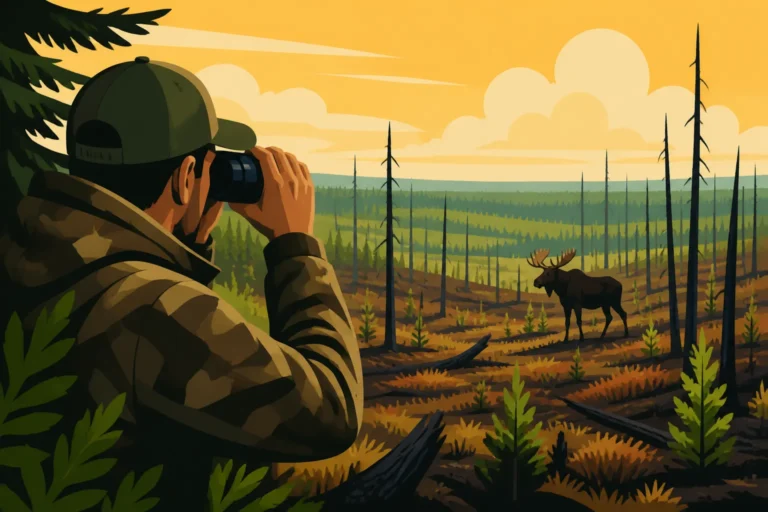
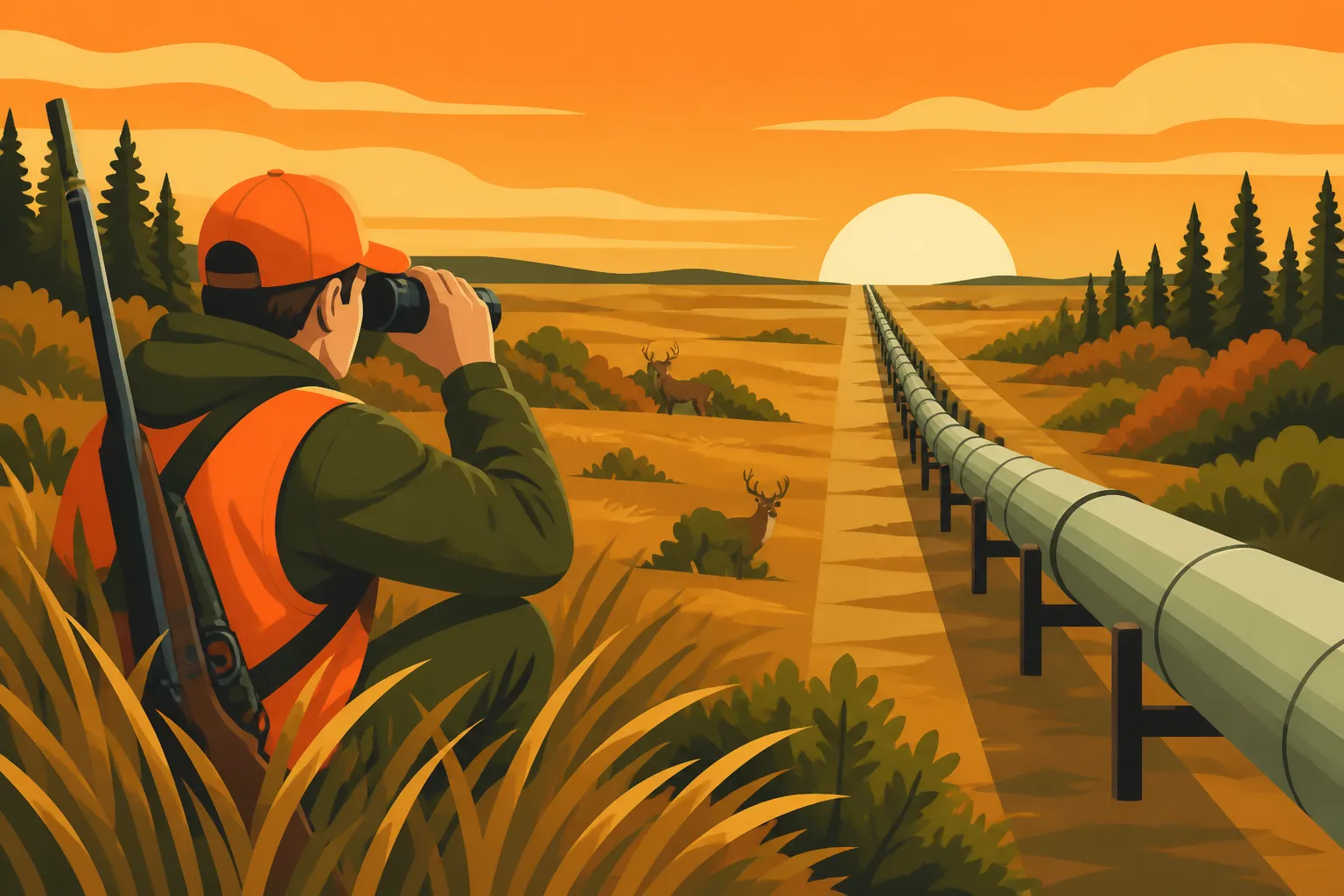
From a hunter's perspective, these clearings offer a significant advantage: visibility. In heavily treed areas, spotting game can be incredibly challenging. A pipeline right-of-way, however, gives you an extended line of sight, allowing you to glass long stretches of terrain. This can be particularly useful when Hunting Saskatchewan's Forest Fringe where the mix of forest and open areas is ideal for game. You can often see animals crossing, feeding along the edges, or even bedding down at a distance, providing opportunities for a spot-and-stalk approach or setting up a strategic ambush. This increased visibility aids in identifying game, judging antlers, and planning your approach, all of which are much harder in dense bush.
Scouting Your Pipeline Right-of-Way Effectively
Effective scouting is paramount to success when hunting a pipeline right-of-way. It’s not enough to simply know a pipeline exists; you need to understand how animals are using it, when they're using it, and where the best opportunities lie.
Pre-Season Digital Reconnaissance
Before you even step foot in the field, modern technology can give you a massive head start. Tools like GoHunt or other satellite mapping applications are indispensable for identifying pipeline routes. Zoom in and look for the tell-tale straight lines cutting across the landscape. Pay close attention to where these lines intersect natural features like bush bluffs, river breaks, or large agricultural fields. These intersections often create funnel points or key crossing areas. Use the mapping layers to identify public versus private land—this is critical for avoiding trespass. Many apps also show topographic changes, which can indicate natural draws or ridges that game might prefer. I always recommend spending a few evenings before the season really digging into these maps, marking potential entry and exit points, and noting any adjacent cover that looks promising. This digital legwork helps you prioritize areas for on-the-ground scouting.
Boots-on-the-Ground Exploration
Once you’ve done your digital homework, it’s time to hit the ground. When scouting a pipeline right-of-way, you're looking for fresh sign that indicates active use. Tracks in soft earth, especially at crossings or where the right-of-way enters or exits heavy cover, are a dead giveaway. Look for rub lines on small trees or shrubs along the edges, indicating bucks are working these areas. Scrapes, droppings, and fresh browsing on vegetation within the clearing or along its immediate edge are all critical clues. Pay attention to how game animals are interacting with the terrain. Are there subtle dips or rises in the right-of-way that they use for concealment while crossing? Are there specific points where they seem to enter or exit cover, creating natural pinch points? These "choke points" are ideal locations for a ground blind or treestand. Understanding Reading Whitetail Sign in Saskatchewan Bluffs can provide valuable context even when you're focused on a man-made feature.
Understanding Land Ownership and Access
This is perhaps the most crucial aspect of scouting any hunting ground in Saskatchewan, and pipeline rights-of-way are no exception. Just because a pipeline exists doesn't mean the land it crosses is public. Pipelines often traverse private agricultural land, provincial Crown land, or even federal lands. You absolutely must verify land ownership before hunting. For private land, obtaining explicit permission from the landowner is non-negotiable. This usually means knocking on doors and having a polite conversation, well in advance of the season. Never assume permission. For Crown land, ensure you understand the specific rules for that Wildlife Management Zone (WMZ), as access and vehicle use can vary. Many hunters rely on mapping apps like GoHunt that overlay land ownership boundaries, making it much easier to identify legal hunting areas. Familiarize yourself with Saskatchewan Landowner Permission Law to ensure you're always on the right side of the regulations.
Effective Hunting Strategies for Pipeline Rights-of-Way
Once you've scouted your pipeline right-of-way and secured access, it's time to devise your hunting strategy. The open nature of these areas allows for various tactics, depending on the game you're after and the surrounding environment.
Stand Hunting and Ambush Points
One of the most effective ways to hunt a pipeline right-of-way, especially for whitetail deer or moose, is from a stationary stand. This could be a treestand positioned strategically along the edge of the clearing, or a ground blind tucked into a thicket that offers a clear view of a crossing point. The key is to position yourself where you anticipate animals will cross or feed, taking into account prevailing wind directions. You want your scent to blow away from the right-of-way, not down it. Identify pinch points where the clearing narrows or where a natural feature like a creek or dense timber forces animals into a smaller area. Early mornings and late evenings are often the most productive times, as animals are typically moving between bedding and feeding areas. Placing a stand overlooking a section where the pipeline meets a field edge or a thick willow run can be particularly deadly, as these are natural transition zones. Consider using pop-up blinds if setting up a treestand isn't feasible or permitted.
Spot-and-Stalk Opportunities
For those who enjoy a more active hunting style, pipeline rights-of-way can present excellent spot-and-stalk opportunities, particularly for species like mule deer on the prairie or even Hunting Farmland Moose in Saskatchewan that might be crossing. The long lines of sight allow you to glass large sections of the right-of-way and its edges from a distance. Once you spot an animal, the challenge becomes using the surrounding terrain and cover to close the distance undetected. This often means staying within the denser tree line parallel to the pipeline, using small rises or changes in vegetation for cover, or even crawling through low brush. Success in spot-and-stalk relies heavily on patience, precise movement, and an intimate understanding of wind direction. It's a game of chess with the animal, using every available piece of cover to your advantage. Remember to have your rifle or bow ready, as shots can often be presented quickly and at varying distances.
Driving or Still-Hunting the Edges
In some situations, particularly in more expansive or less pressured areas, a slow and deliberate still-hunt or a coordinated drive can be effective. When still-hunting, you move slowly and quietly along the edge of the pipeline, just inside the tree line, constantly scanning both the clearing and the denser cover. This method works well when hunting a Saskatchewan bush bluff or where the pipeline cuts through varied terrain. You're essentially moving through the animal's natural travel corridor, hoping to catch them moving or bedding. For a drive, a group of hunters can strategically push an area, moving animals towards standers positioned further down the right-of-way or at key intersections. This requires careful planning, clear communication, and an understanding of the terrain to ensure safety and effectiveness. Always wear ample blaze orange, especially during a drive, and ensure everyone knows the Saskatchewan Blaze Orange Rules and safe shooting lanes.
Safety and Ethical Considerations
Hunting on or around pipeline rights-of-way comes with specific safety and ethical considerations that all hunters must respect. It's not just about hunter safety, but also about protecting vital infrastructure and maintaining a positive image for hunters.
Respecting Infrastructure
Pipelines are critical pieces of infrastructure that transport valuable resources. It is absolutely essential to treat the pipeline and any associated equipment (valves, markers, access roads, pump stations) with the utmost respect. Never shoot at, damage, or disturb any pipeline infrastructure. This includes driving off designated access roads unless explicitly permitted, or parking in a way that blocks access for maintenance crews. Look for signs indicating the presence of a pipeline, which often also carry warnings or contact information. Any damage or suspicious activity should be reported to the appropriate authorities. Being mindful and respectful of these areas ensures continued access for hunters and prevents dangerous situations.
Visibility and Hunter Orange
While pipeline rights-of-way offer good visibility for spotting game, they can also be areas where multiple hunters might converge, especially if they are well-known hot spots. Because of the linear nature and often clear sightlines, wearing sufficient hunter orange is not just a legal requirement but a critical safety measure. Ensure you are visible from all directions, especially if you are still-hunting or participating in a drive. Always identify your target positively and be absolutely sure of your background before taking a shot. Remember, safety always comes first, and a visible hunter is a safer hunter.
Navigating Terrain and Weather
The terrain along a pipeline right-of-way can be surprisingly varied. While cleared, it might still have uneven ground, hidden obstacles, muddy sections, or steep inclines. Always be aware of your footing, especially when carrying a firearm. In Saskatchewan, weather can change quickly and dramatically, turning a clear path into a treacherous one. A dry right-of-way can become a muddy mess after rain, making vehicle access impossible and walking difficult. In winter, snow can accumulate deeply, making travel on foot or by ATV challenging. Always plan for the conditions, dress appropriately, and be prepared for changes. Knowing What to Do If You Get Stuck in the Bush or understanding Quad and Side-by-Side Rules on Crown Land become particularly relevant when hunting these remote, linear corridors.
Table: Pros and Cons of Hunting Pipeline Rights-of-Way
| Feature | Pros | Cons |
|---|---|---|
| Visibility | Excellent long sightlines for spotting game. | Can make it difficult for hunters to remain concealed. |
| Travel | Easy movement for game and hunters. | Can attract other hunters, leading to more pressure. |
| Food Sources | Promotes new growth, attracting browse-dependent game. | Limited dense cover within the right-of-way itself. |
| Predictability | Funnels game movement, creating predictable crossing points. | Animals can become nocturnal or wary if pressure is high. |
| Access | Often have service roads or easy walking. | Access roads may be restricted or require specific permits. |
| Safety | Clear shooting lanes. | Increased chance of encountering other hunters, requiring vigilance. |
Hunting pipeline rights-of-way can be an incredibly rewarding experience, offering unique advantages to hunters willing to put in the scouting effort and hunt strategically. By understanding how animals utilize these linear features and applying sound hunting practices, you can unlock some truly fantastic opportunities in Saskatchewan's diverse landscape.
Disclaimer
Hunting is an inherently dangerous activity. This guide provides general information and recommendations. Always consult the official Saskatchewan hunting regulations for the current season, obtain all necessary licenses and permits, and adhere to all local, provincial, and federal laws. Hunter safety, ethical conduct, and respect for wildlife and landowners are paramount. The author and publisher are not responsible for any accidents, injuries, or legal issues that may arise from hunting activities.