Hunting a Community Pasture Edge
Hunting the expansive landscapes of Saskatchewan often brings hunters to the edges of community pastures, a place where private agriculture meets managed public or semi-public grazing land. It's a fantastic, yet often misunderstood, habitat that can hold incredible game. The challenge many hunters face is knowing how to effectively approach these transitional zones – how to gain access, what to look for, and how to hunt smart without disturbing livestock or other land users. This guide will walk you through the nuances of hunting a community pasture edge in Saskatchewan, helping you unlock its full potential for a successful and respectful hunt.
Understanding Saskatchewan's Community Pastures
Community pastures in Saskatchewan are unique ecosystems that offer distinct hunting opportunities. They're often large tracts of native or tame grassland, managed primarily for cattle grazing, but also serve as vital wildlife habitat. The edge of these pastures, where they meet cultivated fields, treelines, or other forms of cover, creates a dynamic environment that game animals frequently utilize.
What Defines a Community Pasture?
In Saskatchewan, community pastures have a long history, often originating from lands too marginal for cultivation or designated for specific management purposes. Today, they fall under various management structures, including federal (formerly PFRA pastures), provincial (Saskatchewan Ministry of Agriculture), and patron-owned or co-operatively managed lands. Despite their varied administration, they share a common purpose: sustainable grazing. These pastures are typically vast, often comprising several sections or even townships, providing large, relatively undisturbed areas. The "edge" we're talking about could be a fence line bordering a private canola field, a natural transition into a poplar bluff, or a creek bottom that marks the pasture's boundary. Understanding this distinction is crucial; while the interior of a pasture might be open and sparsely vegetated, these boundary areas are often pockets of diverse cover and food sources.
When you're looking at a map, don't confuse them with standard Crown land. While some aspects of Crown land access might apply, the presence of active cattle operations adds another layer of consideration for hunters. Unlike purely wild areas, these pastures are working landscapes. For example, a federal community pasture might be managed by a local board with specific rules, while a provincial pasture could have different guidelines altogether. Hunters need to be aware that these aren't just empty fields; they're bustling with life, both domestic and wild, and respecting the land's primary use is paramount.
Accessing Community Pastures for Hunting
Gaining legal and ethical access to hunt community pasture edges is the first, and arguably most important, step. Unlike some other forms of public land, community pastures, especially those actively grazed, require more than just knowing it's public. For example, federal community pastures, managed by local associations, generally require permission from the pasture manager before hunting. Provincial pastures often have more straightforward public access, but it's still best practice to confirm with the local office or even the pasture manager if one is designated. The rules can vary slightly depending on the specific pasture and its local management, making it essential to do your homework. You can learn more about Hunting a Saskatchewan Community Pasture by checking out our detailed guide on the topic.
The critical thing to remember is that even if the land itself is accessible Crown land, the adjacent private land often requires explicit permission. An "edge" hunt means you'll be constantly aware of where those lines are drawn. You might be hunting a deer moving from a grain field onto the pasture or vice-versa. Always carry your maps, whether paper or digital, and know exactly where you are. Tools like GoHunt can be invaluable here, offering detailed land ownership overlays that clearly show pasture boundaries, adjacent private lands, and other pertinent information. It’s also wise to check for any special conditions, like temporary closures due to fire hazards or specific livestock movements, especially during sensitive times like calving season.
The Ecosystem of a Pasture Edge
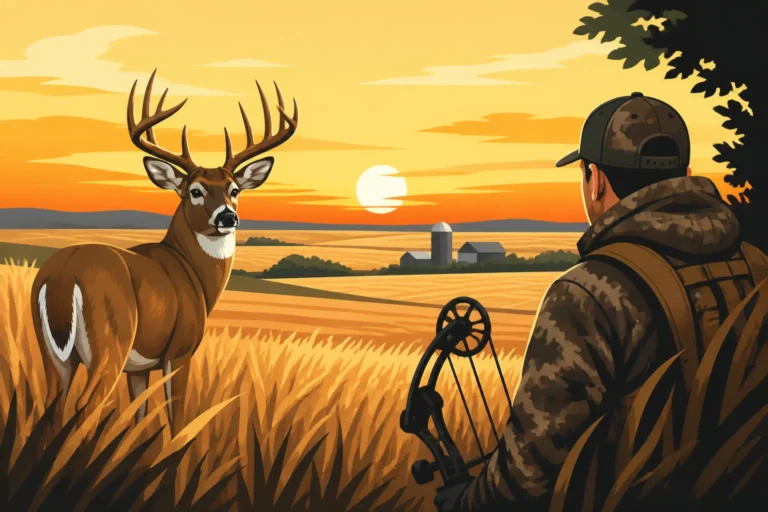
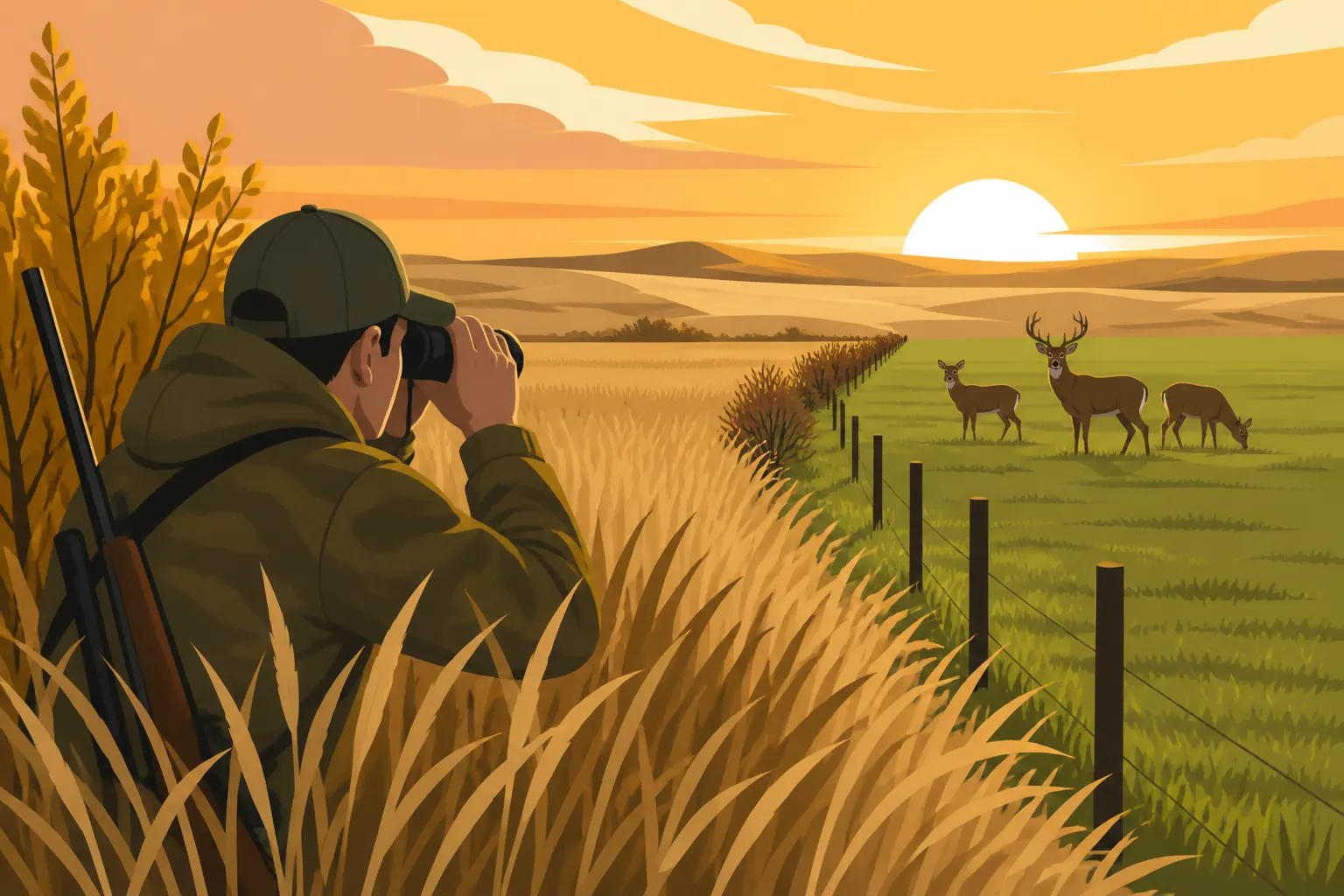
The edge of a community pasture is a vibrant transition zone, often far more productive for wildlife than the open pasture or the monoculture of a distant grain field. This "ecotone" effect means you'll find a greater diversity and abundance of game here. Think about it: a shelterbelt separating a wheat field from a pasture provides cover, browse, and a travel corridor. A willow-choked slough ring just inside the pasture boundary might offer bedding cover and water. This is where big bucks in particular spend a lot of time, moving between food sources and secure bedding.
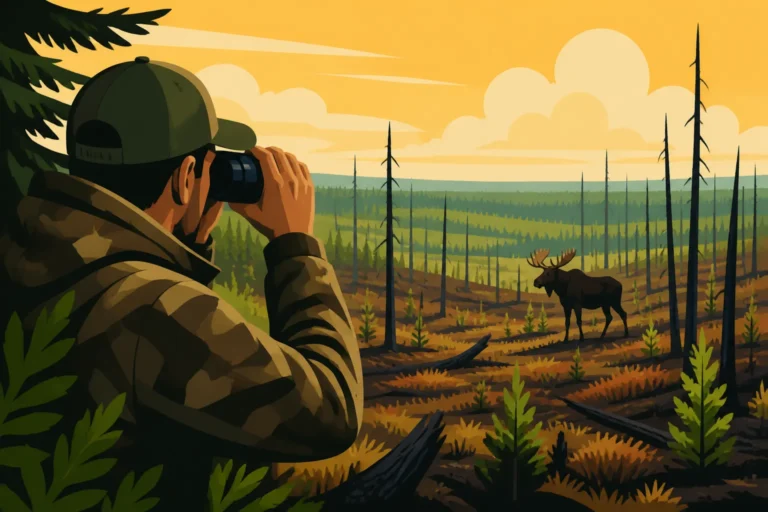
Deer, moose, and even elk often use these edges as travel routes, especially during the rut or when moving between different feeding areas. The pasture provides wide-open spaces for grazing, while the adjacent bluffs, coulees, or croplands offer concealment and richer forage. Predator species like coyotes also frequent these edges, ambushing rodents or fawns. Hunters need to visualize these movement patterns and identify key transition points. Look for where a long point of bush juts into the pasture, or where a deep draw comes out of the cropland and cuts into the grazing area. These are prime locations for intercepts. Our guide on Hunting a Slough Edge for Whitetails can offer further insights into targeting similar transitional habitats.
Scouting and Planning Your Hunt
Effective scouting is the backbone of any successful hunt, and it's especially crucial when hunting community pasture edges. These areas can be vast and subtle, demanding a keen eye and smart use of technology. Don't just show up on opening day; dedicate time to understanding the landscape and the animals that call it home.
Interpreting Topography and Cover on the Edge
Before you even set foot on the ground, spend some serious time with maps. Topographical maps and satellite imagery (many hunters find the satellite views in GoHunt to be incredibly detailed) will reveal subtle elevation changes, drainage patterns, and vegetation types that might not be obvious from the road. Look for natural funnels where game animals would be forced to travel, such as a narrow neck of bush between two open fields, or a low saddle connecting two bluffs. These are classic ambush points. Deep coulees that cut into the prairie, even if they only contain scattered willows, can offer significant cover and travel routes for deer and even moose moving onto the pasture.
Pay close attention to changes in vegetation. Where the native grass transitions to thicker brush, or where a dense spruce bluff meets open pasture, these are natural edges that game will work. For example, a patch of standing poplars at the corner of a pasture might be a primary bedding area, while a nearby swale of long grass could be a staging point before deer move out to graze. Windbreaks, old farmsteads, and even abandoned railway lines that run along the pasture's perimeter can provide excellent cover and elevated vantage points for animals. Understanding how these features interact with the wind and sun throughout the day will inform your hunting strategy significantly.
Reading Sign and Animal Movement
Once you're on the ground, diligent sign reading becomes paramount. The edges of community pastures are often riddled with animal sign, given they are high-traffic zones. Look for well-worn trails leading from heavier cover onto the open pasture or into adjacent crop fields. These trails will tell you where animals are moving. Pay attention to rubs and scrapes, especially during the rut, which indicate male deer are marking their territory and actively seeking does. Understanding Reading Whitetail Sign in Saskatchewan Bluffs can be highly beneficial here, as similar signs will be present along pasture edges.
Droppings can give you clues about what animals are eating and how recently they've been in the area. Look for bedding areas – depressions in taller grass or under thick brush, often with fresh droppings nearby. Consider the time of day and typical animal behavior. Deer often bed in cover during the day and move out to feed on the open pasture or in adjacent fields at dusk and dawn. Moose might use thicker willow bottoms along the edge for bedding and browsing. Observing these patterns helps you predict where and when to focus your efforts. A fresh track crossing a dusty trail at dawn tells a very different story than an old, weathered one.
Leveraging Technology for Scouting
Modern hunting involves modern tools, and for hunting Saskatchewan's community pasture edges, technology can be a game-changer. As mentioned, mapping apps are invaluable. GoHunt, for example, often provides public land boundaries, landowner information (which is useful for understanding adjacent private parcels), and detailed satellite imagery. This allows you to identify potential travel corridors, bedding areas, and feeding zones from the comfort of your home, reducing wasted time in the field. You can mark waypoints for potential stand locations, observe pinch points, and even analyze prevailing wind directions relative to specific terrain features. For more advanced scouting techniques, consider our guide on Scouting With Satellite Imagery in Saskatchewan.
Beyond mapping, trail cameras are excellent for monitoring game movement along these edges. Place them on well-used trails, near rub lines, or at the entrance to known bedding areas. They can tell you what animals are present, their approximate size, and their travel patterns, including the time of day they are most active. This information is crucial for planning when and where to be. However, always ensure your trail cameras comply with local regulations, especially on public or community pasture lands, and be mindful of privacy. Respect the land and other users, and use technology as an enhancement, not a replacement, for good old-fashioned woodsman skills.
Hunting Strategies for Community Pasture Edges
Once you've done your homework and identified promising areas, it's time to put a hunting strategy into action. The unique characteristics of community pasture edges demand a thoughtful approach, blending ambush tactics with careful movement and a deep understanding of the elements.
Stand Placement and Ambush Tactics
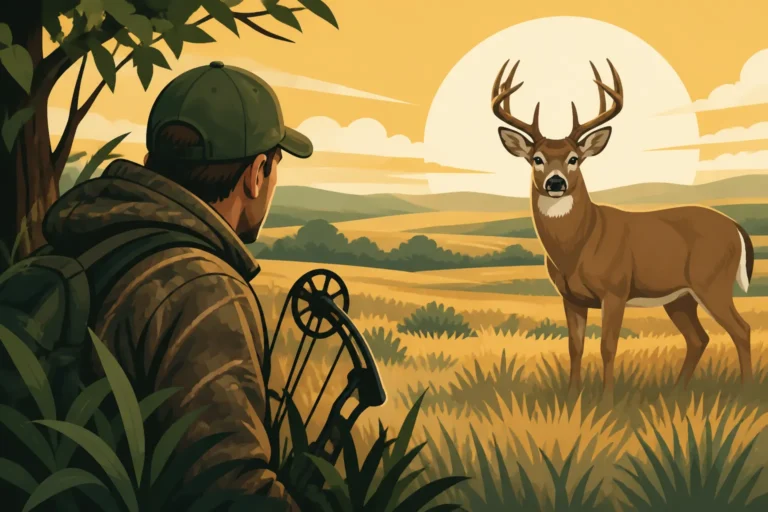
For deer hunting, especially during the rut, setting up a stand along a pasture edge can be incredibly effective. Look for natural funnels where deer are forced to travel, such as a narrow strip of trees connecting two bluffs, or a bottleneck created by terrain features. A tree stand or elevated blind offers a wider view and helps keep your scent off the ground. Place your stand downwind of expected travel routes, considering prevailing winds and thermals. The edge of a poplar bluff, where it meets the open pasture, is a classic location. Our guide on Hanging a Stand on a Saskatchewan Bush Edge provides excellent detail on effective setup in such environments.
Ground blinds can also be highly effective, especially in areas with limited trees, or if you prefer a warmer, more concealed setup during colder weather. A ground blind nestled into a willow clump or along a fence line covered in tall grass can offer excellent concealment. Remember to brush it in thoroughly to break up its outline. Always think about your approach and exit routes to avoid spooking game. If you're targeting a whitetail buck moving from a bedding area on the pasture into a pea field at dusk, you want to be in place well before sunset, and leave quietly after dark. Patience is key; an all-day sit can often pay off in these transition zones, particularly during peak movement times.
Still-Hunting and Stalking the Edge
Still-hunting the edge of a community pasture is another highly effective strategy, especially if you enjoy covering ground and interacting with the landscape directly. This involves moving slowly and deliberately, stopping frequently to glass, listen, and observe. The uneven terrain, small bluffs, and scattered patches of cover along these edges provide excellent opportunities for a stealthy approach. Focus on moving into the wind or crosswind, utilizing any available cover – a row of willows, a fence line, even tall grass – to break up your silhouette.
For mule deer, which might be found in more open prairie community pastures, spot-and-stalk is a favored method. Use binoculars or a spotting scope from a vantage point (like a low rise or hill) to glass the pasture and its edges for animals. Once a target is spotted, plan a careful stalk, using terrain features to stay out of sight. Remember that mule deer are known for their keen eyesight. The key is to be constantly aware of your surroundings, moving only when animals are looking away or obscured by cover. You might spend an hour covering only a few hundred yards, but those slow, deliberate movements increase your chances of spotting game before it spots you.
Considering Wind and Weather
Wind direction is arguably the most critical factor in hunting pasture edges, especially in open Saskatchewan landscapes. Your scent will carry, and game animals, particularly deer and moose, rely heavily on their sense of smell. Always try to hunt with the wind in your face or quartering across you, never from behind. This means having multiple stand or ambush locations for different wind directions, or being prepared to adjust your still-hunting path accordingly. What might be a perfect setup for a north wind will be useless, or even detrimental, with a south wind.
Weather conditions also play a huge role. A crisp, cool morning after a light snowfall can be magical, as fresh tracks are easily visible and animals are often active. Conversely, high winds can make detection difficult, both for you and the animals, and can make calling less effective. Rain can dampen scent trails but also quiet your approach. Extreme cold, especially late in the season, will often drive animals to seek high-calorie food sources and thicker cover, concentrating them along these protected pasture edges. If you're out Hunting Saskatchewan Winter Weather Safely, remember that animals are also contending with the elements, and their patterns will shift to conserve energy and find sustenance.
Common Challenges and Best Practices
Hunting community pasture edges comes with its own set of challenges, distinct from hunting deep wilderness or private land. Being prepared for these nuances and adhering to best practices ensures a safe, respectful, and ultimately more successful hunting experience.
Dealing with Livestock and Other Users
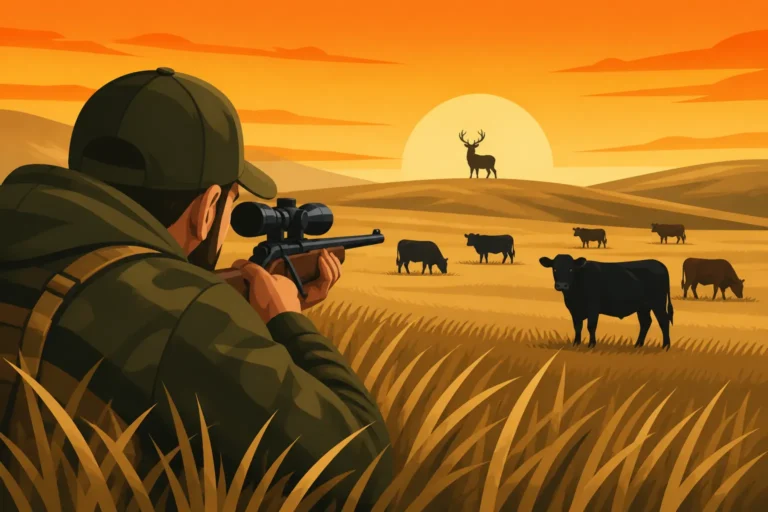
One of the primary challenges on community pastures is the presence of livestock, mainly cattle. You absolutely cannot shoot towards or near livestock. Not only is it unethical and dangerous, but it's also illegal and could result in severe penalties. Always identify your target clearly, ensuring there are no domestic animals in your line of fire or in the background. If cattle are present in your intended hunting area, either move to a different spot or wait until they have naturally dispersed.
Beyond livestock, community pastures are also used by ranchers for operations, and sometimes by other recreational users like bird watchers or hikers. Be mindful and respectful of all users. If you see ranching operations happening, give them a wide berth. Avoid driving on wet trails or areas that could be damaged. When approaching gates, always leave them as you found them – if it was closed, close it behind you. A good rule of thumb is to operate under the assumption that you are a guest, even if it's public land. You are representing the hunting community, and positive interactions help foster better relations with landowners and managers for all hunters.
Respecting Boundaries and Landowner Relations
Knowing and respecting property boundaries is non-negotiable. The "edge" implies proximity to private land, and accidentally trespassing is a surefire way to burn bridges for yourself and other hunters. Use your mapping tools extensively, such as those found in GoHunt, to confirm your exact location. Always have landowner permission for any private land you intend to hunt or even cross to access public land. For more on this, our guide on Saskatchewan Landowner Permission Law is an essential read.
If you are hunting an edge that borders private land, consider knocking on the landowner's door even if you're only hunting the pasture side. Introduce yourself, explain your intentions, and ask if they have any concerns. Sometimes, simply knowing a hunter is in the area can put their mind at ease. You might even gain permission to retrieve a downed animal from their side of the fence, which is crucial if your shot carries an animal onto private property. Always retrieve game promptly and efficiently, demonstrating respect for the animal and the land. In the rare event you can't get permission to retrieve, contact the local conservation officer.
Safety First on Pasture Lands
Hunting on community pastures, like any hunting activity, requires a strong emphasis on safety. Always wear adequate blaze orange as per Saskatchewan regulations, especially during rifle season. This is crucial for visibility among other hunters and pasture users. Be extra cautious when walking through tall grass or dense cover, especially near livestock, as visibility can be limited. Always handle your firearm responsibly, with the muzzle pointed in a safe direction, and be sure of your target and what lies beyond it.
Carry a well-stocked first aid kit, and let someone know your hunting plans, including your exact location and expected return time. Cell service can be spotty in some of Saskatchewan's more remote pastures, so don't rely solely on your phone for emergencies. Dress appropriately for the weather, layer up, and bring extra food and water. If you get a large animal like a moose down, remember the challenges of Field Dressing in Saskatchewan's Deep Cold and the physical exertion required for quartering and packing it out. These safety measures are not just recommendations; they are vital for ensuring you have a safe and enjoyable hunt on Saskatchewan's community pasture edges.
| Aspect | Open Pasture Interior | Pasture Edge (Transition Zone) |
|---|---|---|
| Game Activity | Grazing (day/night), travel | Bedding, feeding, travel, breeding |
| Cover | Limited, low grass | Varied: bluffs, coulees, willows, crops |
| Food Sources | Grasses, some forbs | Diverse: crops, browse, berries, forbs |
| Visibility for Hunter | High, but can be limited by terrain | Varied, can be excellent for ambush |
| Scouting Focus | Wide scans, water sources | Funnels, bedding, rub/scrape lines |
| Hunting Strategy | Spot & stalk, long range shots | Ambush from stands/blinds, still-hunt |
| Interaction with Livestock | High, throughout | Moderate, as game moves in/out |
| Potential Game Species | Mule Deer, Pronghorn, Elk (sometimes) | Whitetail, Mule Deer, Moose, Elk |
Disclaimer
The information provided in this guide is for general informational purposes only and does not constitute legal advice. Hunting regulations, land access rules, and specific pasture management policies in Saskatchewan can change. Always consult the most current Saskatchewan Hunters' and Trappers' Guide and obtain all necessary permissions before hunting. It is your responsibility to understand and adhere to all applicable laws and regulations.