Hunting a Saskatchewan River Valley
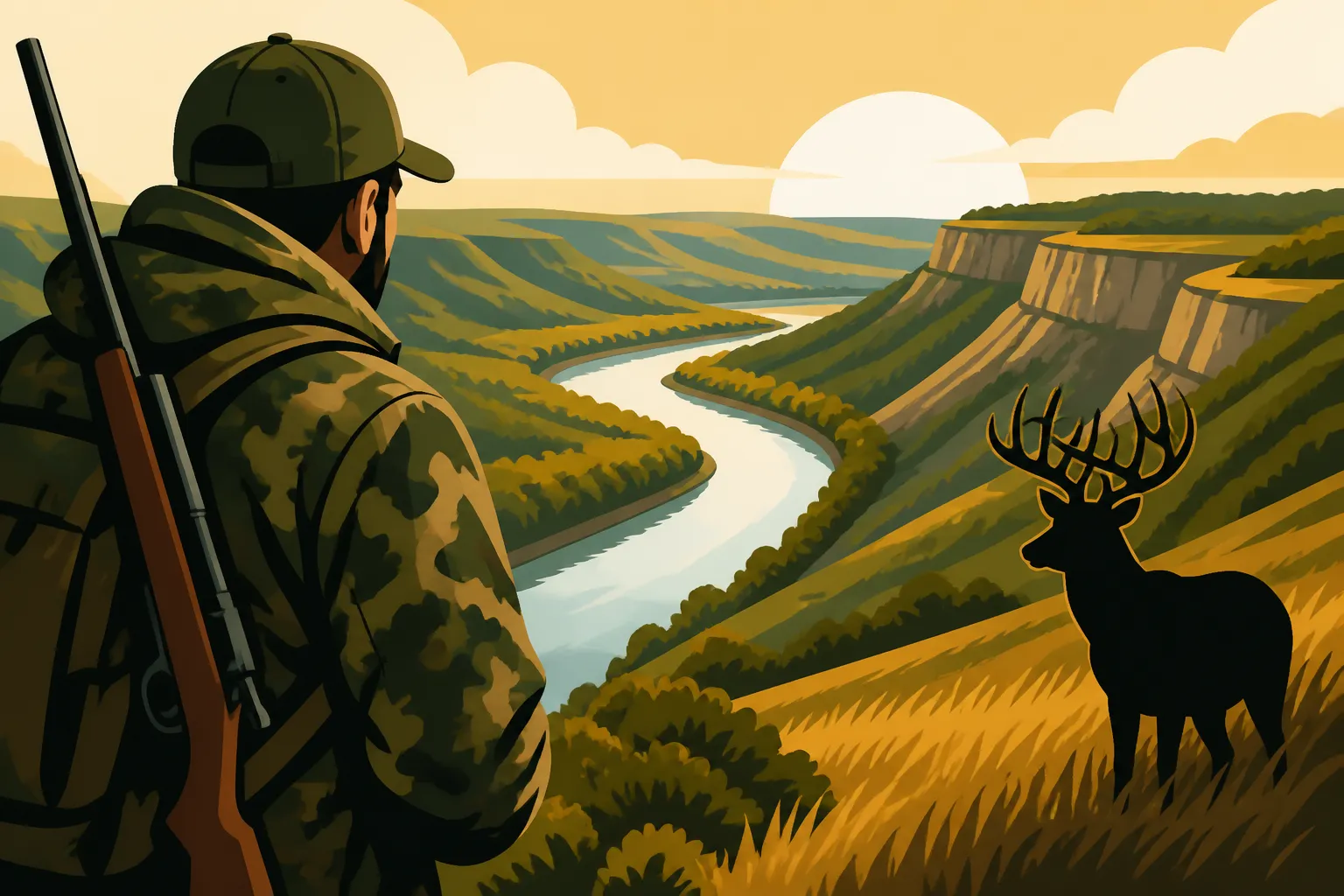
Hunting a river valley in Saskatchewan presents a unique blend of challenge and immense reward, often feeling like you've stepped into a completely different hunting world than the open prairies or dense boreal forest. Many hunters struggle to effectively navigate the steep slopes, hidden pockets of cover, and ever-present water features, leading to frustration and missed opportunities. This guide will walk you through the intricacies of successfully hunting these dynamic landscapes, helping you understand game movement, master scouting techniques, and apply effective strategies to fill your tag.
Understanding Saskatchewan River Valley Dynamics
River valleys are ecological powerhouses, natural magnets for wildlife across Saskatchewan's diverse landscape. From the deep cuts of the Qu'Appelle Valley to the lesser-known river systems winding through the parkland, these areas offer a critical combination of cover, food, and water that draws in everything from whitetails and mule deer to moose and bears. It's a complex environment where the rules of the game often shift dramatically compared to the surrounding terrain.
The Unique Ecosystems of River Valleys
Saskatchewan's river valleys are far more than just ditches with water; they are rich, diverse ecosystems that act as arteries of life through the province. The vegetation can change dramatically from the high, open banks to the fertile valley floor. You’ll often find a mix of dense willow thickets, towering stands of poplar, and even pockets of spruce or other conifers, especially on north-facing slopes that retain moisture longer. These diverse plant communities provide year-round food sources, from browse in the winter to lush forage in spring and summer. The constant presence of water, even in drier years, makes these valleys vital for all wildlife, serving as natural oases in an otherwise varied landscape.
Moreover, the topography itself creates microclimates. The valley bottom can be sheltered from harsh winds, providing a warm bedding area in winter or a cool retreat in summer. The steep, often broken slopes offer exceptional cover and vantage points for animals. Game uses these varied habitats for different purposes throughout the day and year, making understanding these nuances key to successful hunting. You might find deer bedding high on a south-facing slope to catch the morning sun, only to descend into a sheltered draw to feed later in the day.
How River Valleys Serve as Game Corridors
Think of a river valley as a natural highway for wildlife. Animals, especially big game, instinctively use these sheltered routes for travel, not just within the valley itself but also to move between different larger habitats. They provide consistent cover from predators and weather, allowing animals to move with a sense of security. Whether it's a whitetail buck cruising for does during Hunting the Rut in Early to Mid November or a moose shifting between feeding grounds, the valley offers a protected path.
These corridors are particularly crucial during severe weather. When blizzards sweep across the open prairie or deep snow accumulates, game will often funnel into the relative shelter of a valley bottom or its leeward slopes. This concentration of animals can create incredible hunting opportunities, but it also means hunters need to be extra vigilant about disturbance. Understanding these seasonal and weather-driven movements is paramount. Animals might travel many kilometers along a valley system, using subtle trails and natural funnels to get from one section to another. They also serve as escape routes, allowing game to quickly drop out of sight when pressured on the surrounding uplands.
Scouting and Locating Game in River Valleys
Hunting a river valley without proper scouting is akin to stumbling blindfolded through a maze. The dense cover, varied terrain, and often limited visibility demand a strategic approach to locating game. This isn't a place where you can just walk and hope; you need a plan based on evidence.
Pre-Season Scouting Strategies for Valleys
Before you ever step foot in the valley with your weapon, dedicate significant time to pre-season scouting. Start by getting a bird's-eye view. Utilizing tools like GoHunt or other satellite imagery applications is incredibly helpful for this. You can identify potential access points, thick bedding areas, natural funnels created by the topography, and likely water crossings. Look for changes in vegetation density, subtle benches on steep slopes, or areas where tributaries feed into the main river—these are often hotspots. From a distance, use quality binoculars and spotting scopes to glass the valley from high vantage points on the surrounding uplands. Do this at dawn and dusk to spot animals moving to and from feeding or bedding areas. This long-distance observation allows you to gain intel without disturbing the area.
Once you have a general idea, consider boots-on-the-ground exploration, but do so judiciously to avoid pressuring game too early. Focus on finding major trails, especially those that show consistent use. Pay close attention to pinch points where the valley narrows, or where an animal is forced to cross open terrain briefly. These are prime locations for ambushing. Look for old rubs and scrapes from previous seasons, which can indicate historical rutting activity and consistent buck travel. Understanding Reading Whitetail Sign in Saskatchewan Bluffs can give you an edge in deciphering these clues.
Reading Sign and Animal Movement Patterns
In the labyrinthine environment of a river valley, reading sign is an art form. Fresh tracks in mud along the river's edge or across a sandy bottom are obvious indicators. But also look for more subtle clues: browse lines on willows and young poplars, especially higher up on the slopes where deer might be feeding. Shed antlers from previous seasons can tell you where bucks wintered or frequented. Focus on finding well-worn trails that connect distinct areas: bedding cover on a steep, south-facing bank to feeding areas in the valley bottom, or a water source at the river's edge.
Pay attention to thermal currents and how they might influence game movement. In the morning, warm air rises from the valley bottom, carrying scent upwards. In the evening, cool air descends. Animals often use these thermals to their advantage, bedding higher up in the morning and descending as thermals switch in the evening. This means your approach and stand placement must account for shifting winds and scent dispersal. During hunting season, fresh droppings and rubs become crucial. A fresh rub could indicate a buck has just passed through or is actively working that area. A heavily used trail leading to a specific bench could be a primary travel route. Understanding How Deep Snow Moves Deer Into Cover is also important; when heavy snow hits, animals will stick to areas offering cover and easier travel, often concentrating them in valleys.
Utilizing Technology for Valley Hunting
Modern technology has revolutionized scouting, and it's particularly useful in complex terrain like river valleys. As mentioned, GoHunt and similar mapping applications are indispensable for initially breaking down the landscape. Layers showing topography, satellite imagery, and even public/private land boundaries (always double-check with local land registries, of course) can reveal hidden benches, steep drop-offs, and dense timber pockets that are impossible to see from ground level. You can mark potential bedding areas, travel corridors, and stand sites digitally, saving countless hours of physical scouting.
Trail cameras, if used legally and ethically, can provide invaluable real-time intelligence. Place them on well-used trails leading into or out of the valley, near suspected bedding areas, or at natural funnels. They can help you identify specific animals, their travel times, and preferred routes, allowing you to fine-tune your hunting strategy. Always be mindful of local regulations regarding trail camera use on public lands. Another excellent resource is Scouting With Satellite Imagery in Saskatchewan, which dives deeper into how to effectively use these tools to uncover hidden gems in the landscape before your boots even hit the ground.
Effective Hunting Techniques for River Valleys
The varied terrain of a river valley requires a flexible approach to hunting. What works on a flat stubble field won't necessarily translate to a steep, brushy draw. You need a diverse set of tactics in your toolkit, adaptable to the specific conditions of the day and the target species.
Stand and Still-Hunting Approaches
For many, stand hunting is the bread and butter of big game hunting, and it can be incredibly effective in river valleys. The key is strategic placement. Look for locations that offer commanding views of travel corridors, feeding areas, or suspected bedding zones, while also accounting for wind direction. Often, setting up on a bench partway down a slope can put you in a prime position to intercept animals moving up or down the valley. Funnels where animals are forced into a narrow path are also ideal. When Hanging a Stand on a Saskatchewan Bush Edge, consider not just the immediate cover but also the approach and exit to avoid spooking game. Due to the shifting thermals, having multiple stand options for different wind conditions is almost a necessity.
Still-hunting, or slow-stalking, is another potent tactic, especially in dense valley bottoms or along meandering creek beds. This involves moving incredibly slowly, pausing frequently to observe and listen. Focus on controlling your scent and movement. Use the natural undulations of the terrain, dense cover, and the sound of the wind or trickling water to mask your presence. This method is particularly effective when you suspect game is bedded in a specific area, or when you're exploring new ground. It requires immense patience and keen observation skills, but it allows you to adapt to new information as you move, a crucial advantage in such dynamic environments.
Driving and Pushing Small Pockets
Sometimes, the dense cover of a river valley can make it nearly impossible to still-hunt or draw an animal into a stand. In these situations, especially if you have a hunting partner or two, small drives or pushes can be very effective. This isn't about running animals out into the open; it's about gently nudging them towards a waiting shooter or through a known escape route. The success of a drive hinges on intimate knowledge of the terrain and game movement. Identify a thicket or pocket of cover where you suspect animals are bedded. Station a quiet, hidden "stander" or two at the most likely exit points or along escape corridors. Then, one or two "pushers" slowly and deliberately walk through the cover, making just enough noise to encourage the game to move.
Safety is paramount during any drive. Everyone involved must know each other's positions, wear blaze orange (as required by Saskatchewan Blaze Orange Rules), and have a clear understanding of shooting lanes and safe backstops. River valleys often have many natural features that dictate animal movement, like steep banks or water crossings, which can be used to your advantage in setting up a drive. This tactic can be particularly effective for species like whitetails and even moose that prefer to remain in heavy cover.
Calling and Rattling in Valley Settings
Calling and rattling can be incredibly effective in river valleys, but the acoustics of the terrain require a thoughtful approach. The echoes and sound dispersion within a valley can make it difficult for animals to pinpoint the source of a call, or for hunters to judge distance. Therefore, volume and frequency need to be adjusted. For whitetails, soft grunts and doe bleats can work wonders, especially in the early season or when trying to draw a curious deer closer. During the rut, Rattling Volume in Open Parkland can be a useful technique, but in a valley, you might need to tone it down slightly to sound more realistic.
For moose, cow calls and bull grunts can be powerful attractants, particularly when Calling a Bull Moose in the Rut. The sheer size of a moose means its calls are naturally louder and carry further. The key is to project the sound in a way that travels effectively through the valley's contours without sounding artificial. Often, positioning yourself on a bench or point that allows the sound to carry both up and down the valley is ideal. Always incorporate long periods of silence between calling sequences, as big game animals are notoriously patient and will often approach very cautiously, trying to locate the source visually before committing. Sometimes, subtle calling is all it takes to pique an animal's curiosity and draw it out of a thicket.
Navigating Challenges and Ensuring Safety in River Valleys
While incredibly productive, hunting Saskatchewan river valleys is not without its difficulties. The terrain itself can be demanding, and the weather can add layers of complexity. Being prepared for these challenges is essential for a safe and successful hunt.
Dealing with Steep Terrain and Thick Cover
River valleys mean elevation changes, and often, those changes are steep and relentless. Navigating these slopes can be physically demanding, especially when carrying gear or, even more so, packing out game. Proper footwear with excellent ankle support and traction is non-negotiable. Trekking poles can be a lifesaver, providing stability and reducing strain on your knees and back, particularly when descending. Be mindful of loose rock, slippery mud, or frosted ground, which can turn a simple walk into a dangerous slide.
The dense cover that makes river valleys so attractive to game can also make moving quietly and seeing far incredibly difficult for hunters. Visibility might be limited to mere yards in thick willow or hazel brush. This is where patience, slow movement, and good situational awareness become paramount. Learn to use the cover to your advantage for concealment, but also recognize when it's safer to move around a particularly dense patch rather than push through it blindly. Always consider your shot lanes; a big buck can appear and disappear in an instant in such an environment. If you're carrying a rifle, ensure you are familiar with Legal Firearms and Bows for Big Game regulations, and choose a firearm that allows for quick target acquisition in close quarters, while still having enough power for a clean kill at potential longer ranges across a valley.
Weather and Environmental Considerations
Saskatchewan weather is famously unpredictable, and its impact is often amplified in river valleys. Rain can turn trails into slick, muddy hazards. Early season snow can create beautiful hunting conditions but also make footing treacherous and quickly obscure subtle game trails. Crucially, late-season hunting often means extreme cold, and Hunting Saskatchewan Winter Weather Safely becomes a serious concern. Frostbite and hypothermia are real risks if you're not properly dressed in layers of warm, moisture-wicking clothing, and you must carry emergency supplies.
The cold can also turn small streams into icy crossings or make the main river a potentially dangerous obstacle. Always test ice thickness carefully or plan routes that avoid open water. Heavy snow can also impede travel, making access to certain valley sections difficult or even impossible without a snowmobile or quad. Even then, know the rules for Quad and Side-by-Side Rules on Crown Land. Be prepared for rapid changes in temperature and conditions. A warm, sunny morning can quickly give way to a biting wind and snowfall. A sturdy winter truck kit is also essential for any late-season hunt in this kind of terrain. Understanding how these elements affect game movement is also key; animals will seek shelter from strong winds or deep snow, often concentrating them in the most protected parts of the valley.
Ethical Considerations and Game Retrieval
Ethical hunting dictates that you take responsible shots and make every effort to recover wounded game. In a river valley, this commitment is tested. The thick cover and uneven terrain can make tracking a wounded animal incredibly difficult. Always take the time to ensure a clean, ethical shot. If an animal is hit, mark the spot thoroughly and give it ample time before starting the track. Bring a good flashlight, even during the day, as trailing into dense cover can quickly become dark. When tracking, move slowly and deliberately, looking for every drop of blood, disturbed leaves, or broken branches.
Once an animal is down, the hard work truly begins. Retrieving game from the bottom of a steep river valley is arguably the biggest physical challenge of this type of hunt. You'll need a solid plan for field dressing and quartering your animal, especially if it's large like a moose or an elk. Consider the best route out, whether it involves hauling, packing, or using mechanical aids. If hunting alone, quartering in place is often the only realistic option, and knowing how to do it efficiently, like described in Quartering a Moose Alone in the Bush, is a vital skill. Remember that meat care is paramount, especially in warmer early season conditions, or if the cold isn't consistent enough for Meat Care in Saskatchewan's Cold Snaps. The sheer effort involved in retrieval means you need to be physically prepared and have the necessary tools (sharp knives, game bags, rope, perhaps a pack frame) on hand.
Hunting a Saskatchewan river valley offers an incredible, immersive experience. It's a place where big game thrives, and with the right preparation and strategies, you can unlock its secrets and create lasting memories. Remember to always respect the land, the wildlife, and the regulations. Consider getting familiar with Reading a Saskatchewan WMZ Map Before You Go to understand specific zone boundaries and rules for your chosen valley system.
| Hunting Method | Best for Valley Terrain | Pros | Cons |
|---|---|---|---|
| Stand Hunting | Key travel corridors, pinch points, feeding areas, overlooking bedding. | Allows for patient observation, controlled scent, can intercept cruising animals. | Requires pre-scouting, limited visibility/shot angles, thermals can be tricky. |
| Still-Hunting | Dense cover, creek bottoms, benches. | Highly adaptable, allows for active scouting, great for pressured game. | Physically demanding, requires extreme patience and quiet movement, limited range of vision. |
| Small Drives/Pushes | Thick pockets of cover, steep draws. | Effective for extracting bedded game from dense areas. | Requires multiple hunters, critical for safety communication, can over-pressure game if done improperly. |
| Calling/Rattling | Open timber, edges of thickets, during the rut. | Can attract wary animals, works well when animals are active and cruising. | Sound can echo strangely in valleys, requires understanding animal vocalizations, may alert other hunters. |
Disclaimer
Hunting involves inherent risks, including but not limited to adverse weather, dangerous terrain, and wildlife encounters. Always prioritize safety, understand and adhere to all local, provincial, and federal hunting regulations. Ensure you have the proper training, licensing, and equipment before venturing into the field. The information provided in this guide is for informational purposes only and should not replace professional advice or official government regulations.