Crossing the Border With a Rifle
Bringing a hunting rifle across the Canadian border into Saskatchewan requires the Non-Resident Firearm Declaration Form.
Book the hunt, not the brochure.
Guided, semi-guided, and drop-camp options, which outfitters work which units, guide licensing requirements, booking timelines, and what a deposit actually covers.
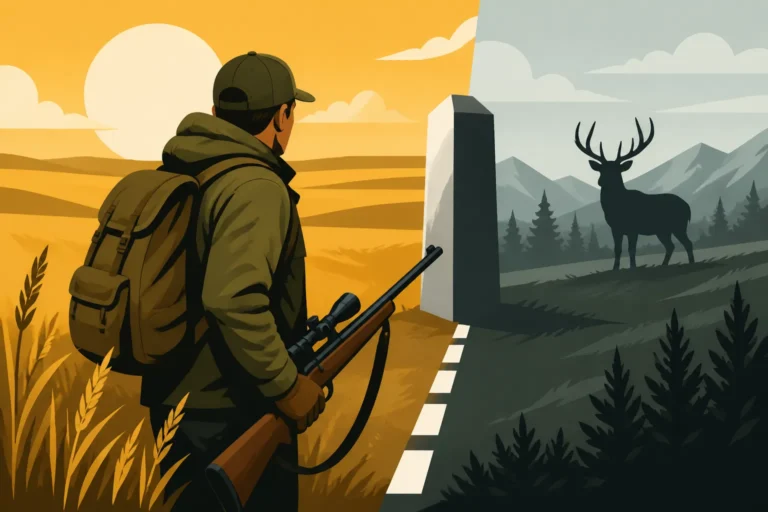
Bringing a hunting rifle across the Canadian border into Saskatchewan requires the Non-Resident Firearm Declaration Form.
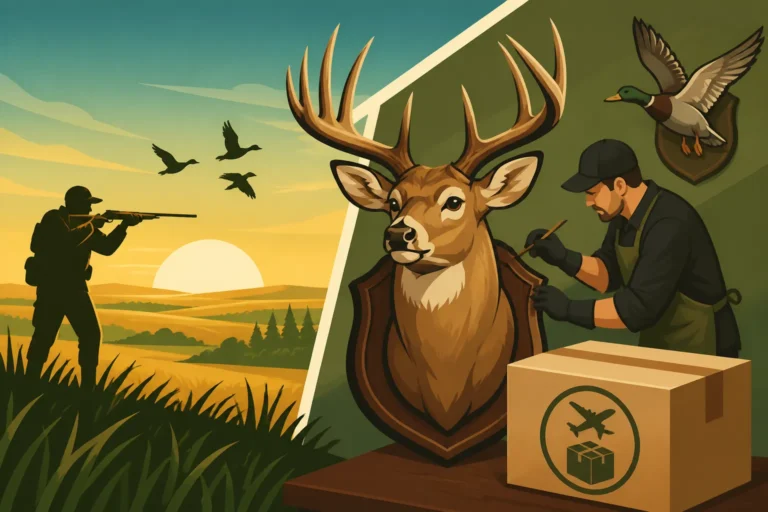
Saskatchewan trophy shipping and taxidermy preparation details field care, caping methods, and protecting antlers for transport.
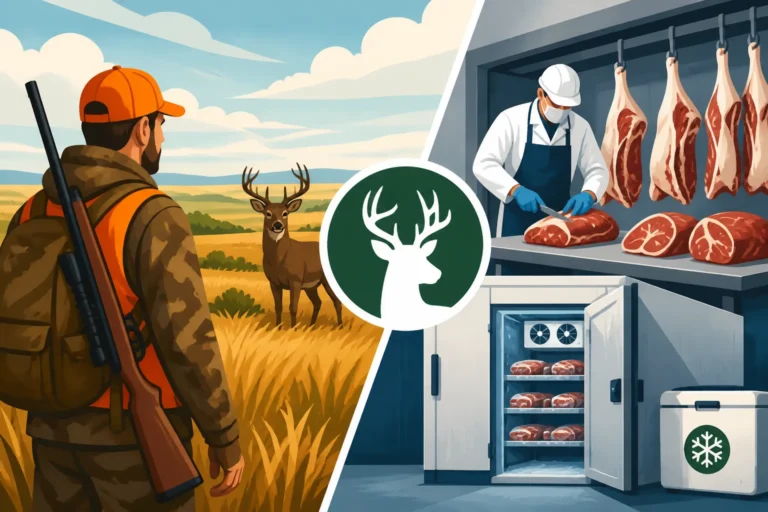
Saskatchewan game meat processing and cold storage instructions explain field dressing, cooling carcasses, and protecting harvested animals during transport.
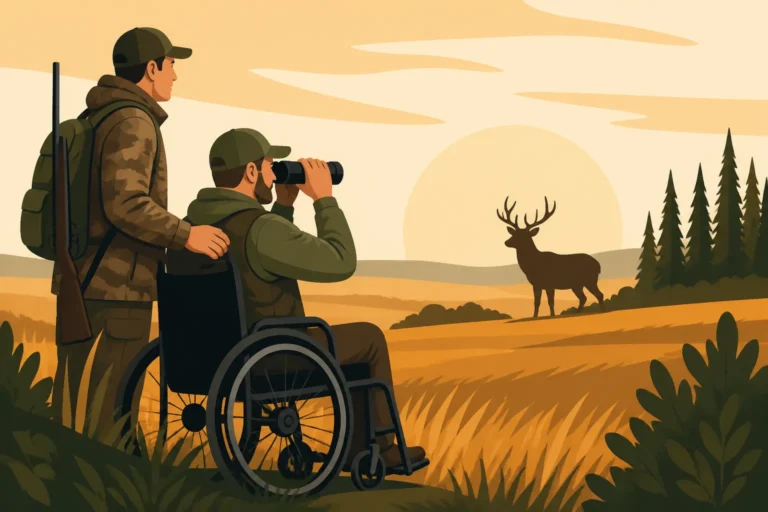
Saskatchewan disabled hunter permits and specialized outfitters provide accessible big game and bird hunting opportunities.
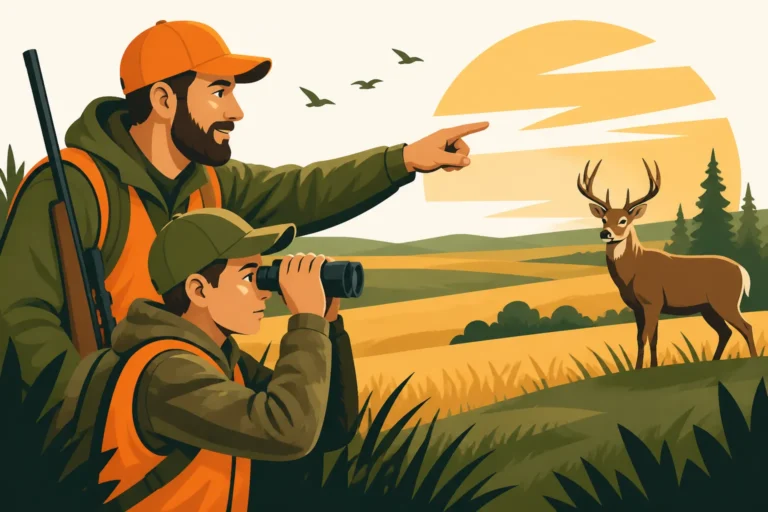
Guided Saskatchewan hunts provide youth and beginners with expert mentorship, safety, and help with complex provincial regulations.
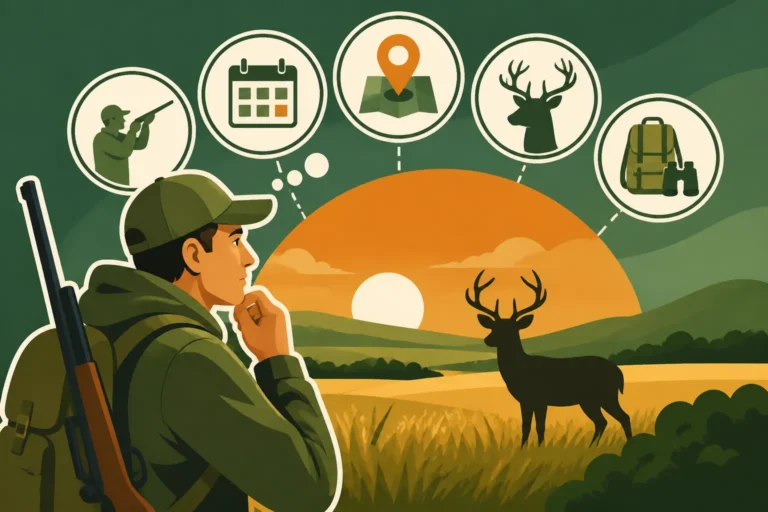
Saskatchewan hunting outfitters require specific questions about expectations, species, and seasons before clients book guided trips.
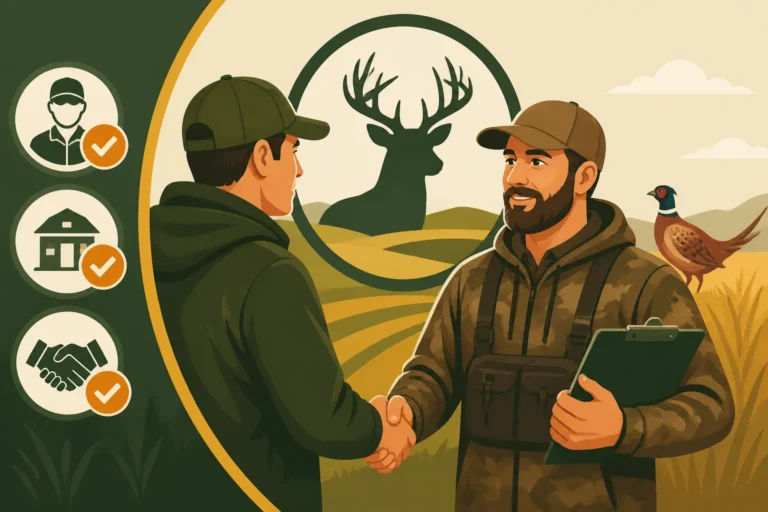
Thorough vetting of a Saskatchewan hunting outfitter protects your financial investment and ensures safety during the trip.
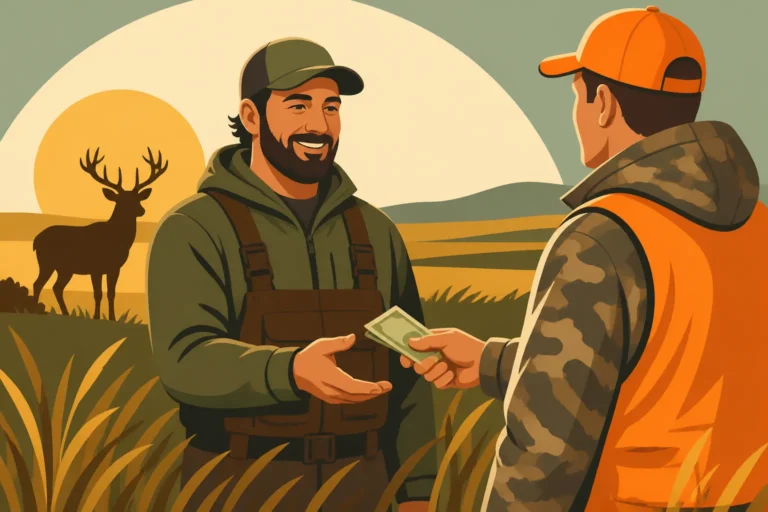
Tipping a Saskatchewan hunting guide depends on service quality, with industry standards ranging from ten to twenty percent.
Saskatchewan hunting deposit and cancellation terms explain payment structures, outfitter costs, and how hunters protect financial investments.
Saskatchewan hunting day rates and full packages differ in cost, guiding services, lodging, meals, and logistics planning.