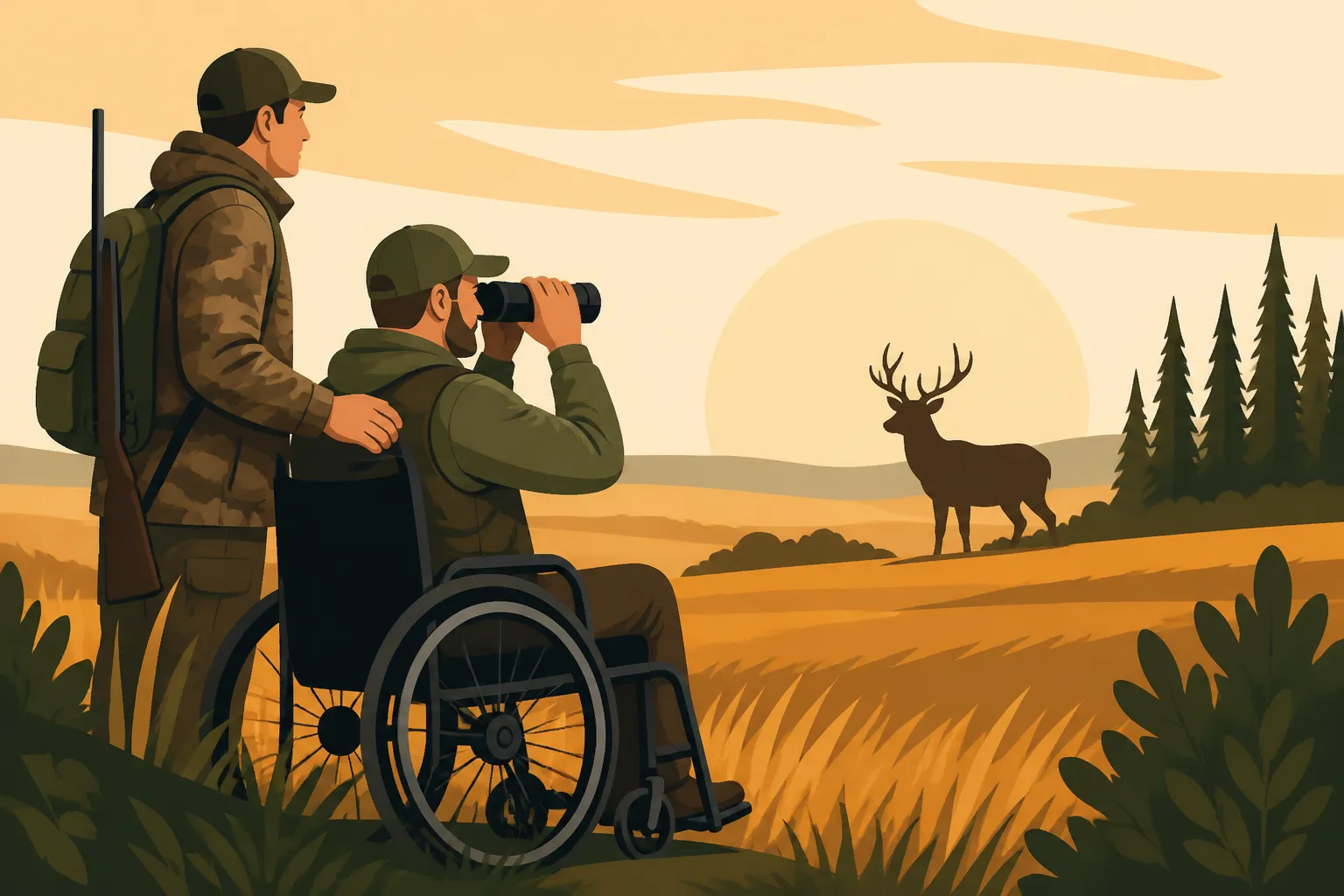
Saskatchewan Guided Hunts for Disabled Hunters
For many passionate hunters facing physical challenges, the dream of a challenging big game or bird hunt in a place like Saskatchewan can feel out of reach, burdened by logistical nightmares and the fear of encountering inaccessible terrain or unequipped outfitters. This comprehensive guide aims to illuminate the path forward, offering practical advice and insights for disabled hunters looking to experience the thrill of a guided hunt in the diverse landscapes of Saskatchewan.
Understanding the Challenges and Opportunities for Disabled Hunters
Hunting is a deeply personal and often physically demanding pursuit, and for individuals with disabilities, these demands can be amplified. However, the hunting community, including many outfitters in Saskatchewan, is increasingly recognizing the importance of accessibility, opening doors to experiences that were once considered impossible.
The Unique Hurdles Faced by Hunters with Disabilities
When we talk about hunting with a disability, we're discussing a broad spectrum of challenges. It's not just about mobility; it can involve visual impairments, hearing loss, dexterity issues, or other health conditions that impact stamina, balance, or the ability to navigate rugged terrain. Imagine trying to get into a treestand if you rely on a wheelchair, or stalking a whitetail through deep snow with limited mobility. The frustrations are real, and they can often deter individuals from even considering a hunt. Many hunters worry about being a burden, or about the safety implications of being in remote areas without adequate support. From getting into and out of a blind, to simply travelling across a field, every aspect of a traditional hunt can present a significant obstacle. This isn't about giving up the challenge; it's about finding the right support and environment to meet those challenges head-on.
Beyond the physical, there are also mental and emotional hurdles. The fear of failure, the potential for embarrassment, or the concern about holding up a hunting party can weigh heavily. It's vital to acknowledge these feelings, but also to understand that with the right planning and the right outfitter, these concerns can be mitigated. The goal isn't to diminish the hunter's ability, but to enhance their opportunity to participate fully and safely in the outdoor experience they cherish. Outfitters who specialize in accessible hunts understand these nuances and work to create an inclusive environment where the focus remains on the hunt itself, not on the disability.
Saskatchewan's Commitment to Accessible Hunting
Saskatchewan has long been known as a premier hunting destination, and there's a growing awareness within the province's hunting regulations and outfitter community to make these experiences available to all. While there isn't a single, universally applied "disabled hunter" licence that radically changes all rules, the provincial regulations do offer specific provisions and considerations that can greatly assist. For instance, Saskatchewan Disabled Hunter Permits exist, offering specific accommodations or exemptions depending on the nature of the disability. This could range from allowing the use of certain equipment that might otherwise be restricted, to permitting assistance in ways that adhere to safety and ethical hunting practices.
Furthermore, many outfitters, driven by personal experience or a commitment to inclusivity, have proactively adapted their operations. They've invested in specialized equipment, accessible camp facilities, and trained guides who understand the specific needs of disabled hunters. This commitment extends beyond just meeting basic requirements; it’s about fostering an environment where every hunter feels valued and capable. Organizations like the Saskatchewan Wildlife Federation also advocate for accessible hunting opportunities, often partnering with groups to facilitate hunts and raise awareness. This collective effort ensures that Saskatchewan remains a welcoming destination for hunters from all walks of life, eager to experience its abundant wildlife.
Types of Guided Hunts and Accessibility Considerations
When planning a guided hunt, especially with specific accessibility needs, it’s crucial to understand that not all outfitters are created equal, and not all hunts are suitable for every type of disability. The key is finding the right match between your needs, the outfitter's capabilities, and the kind of hunting experience you're seeking.
Evaluating Outfitter Services for Physical Accommodations
The first step in choosing a guided hunt is a thorough evaluation of an outfitter's physical accommodations. This goes far beyond just asking if they have a ramp. You need to consider the entire hunting experience:
- Lodging: Is the camp wheelchair accessible? Are bathrooms equipped with grab bars, wider doorways, and roll-in showers? Are beds at an appropriate height?
- Transportation: How will you get to and from hunting areas? Are their vehicles, such as trucks, quads, or side-by-sides, adapted for easy entry and exit? For those hunting remote areas, consider if Quad and Side-by-Side Rules on Crown Land permit the use of such vehicles for access, and if the outfitter’s equipment meets these rules while also being adaptable to your needs. Some outfitters have UTVs with custom lifts or ramps.
- Blinds and Stands: This is often the biggest hurdle. Are ground blinds large enough for a wheelchair or other mobility aids? Are they heated and comfortable for longer sits? If treestands are used, are there specialized, accessible stands available? Some outfitters construct permanent ground blinds specifically designed with wider doors and interior space for ease of movement.
- Terrain: What is the typical terrain like in their hunting area? Is it flat farmland, rolling parkland, or dense boreal forest? A hunt for Mule Deer Across Saskatchewan's Prairie might involve less challenging terrain than a hunt for Moose in Saskatchewan's Farmland and Forest in thick bush, but even prairie can have deep coulees or uneven stubble fields. Be explicit about your mobility levels and ask for detailed descriptions, or even photos or videos, of the actual hunting locations.
It's absolutely essential to have a frank and detailed conversation with the outfitter about every aspect of physical access. Don't assume anything. Ask specific questions about how they manage hunters with needs similar to yours. A reputable outfitter will be transparent and willing to discuss their capabilities and any limitations upfront, ensuring that both parties have realistic expectations for the hunt. If they hesitate or are vague, it's often a red flag.
Specialized Equipment and Support for Disabled Hunters
Beyond basic accessibility, many outfitters and individual hunters employ specialized equipment to make hunting possible and enjoyable. This could include:
- Adaptive Shooting Rests and Mounts: For hunters with limited arm strength or dexterity, custom shooting rests, mechanical arms, or even mouth-operated triggers can be game-changers. Some outfitters may have these available, or you might need to bring your own. Discuss this with them well in advance to ensure compatibility with their blinds or stands.
- Motorized Wheelchairs or Track Chairs: These can significantly increase a hunter’s independent mobility in the field. If you plan to bring one, confirm with the outfitter that they can accommodate its transport and charging needs. Also, understand local regulations regarding their use on hunting lands.
- Enhanced Optics: For hunters with visual impairments, specialized binoculars or scopes with advanced magnification and stabilization can improve target acquisition. Similarly, electronic hearing aids or communication devices can assist those with hearing challenges, especially when coordinating with guides.
- Additional Guide Support: An accessible hunt often means more than just one guide. You might benefit from a second guide or a dedicated assistant whose sole job is to help with personal mobility, equipment handling, or other physical tasks, allowing your primary guide to focus on the actual hunt. Discuss the hunter-to-guide ratio and the level of assistance included in the package. A quality outfitter for Saskatchewan Guided Hunts for Disabled Hunters will highlight their commitment to providing adequate support staff.
It’s important to remember that some specialized equipment might require specific training or practice before your hunt. Ensure you are comfortable and proficient with any adaptive gear you plan to use. The goal is to make the hunt as seamless and successful as possible, and that starts with being prepared with the right tools and support system.
Finding and Vetting Accessible Outfitters in Saskatchewan
Locating an outfitter who genuinely caters to disabled hunters requires diligence. It's not always advertised prominently, so knowing what questions to ask and where to look is paramount.
Key Questions to Ask Prospective Outfitters
When you're reaching out to potential outfitters, don't be shy about asking direct and detailed questions. This isn't just about your comfort; it's about your safety and ensuring a successful experience. Here's a list of crucial questions to consider:
- Experience with Disabled Hunters: "Have you guided hunters with disabilities before? What specific types of disabilities have you accommodated?" Ask for references from past disabled clients if possible. Their past experience is often the best indicator of their capabilities and understanding.
- Accessibility Specifics: "Can you describe your camp facilities in detail, specifically regarding wheelchair accessibility for lodging, dining, and bathrooms? What about access to shower facilities?"
- Field Transportation: "How do you transport hunters to and from hunting areas? Are your vehicles adapted for easy entry/exit? Do you use specialized off-road vehicles like track chairs or UTVs with lifts, and how do you ensure safety during transport over uneven terrain?" This is where you might discuss if they accommodate personal specialized equipment like a particular motorized chair.
- Hunting Blinds/Stands: "What types of blinds or stands do you use? Are they permanent structures? Are they spacious enough to accommodate a wheelchair or other mobility aids? Are they heated or enclosed for comfort during long waits in Saskatchewan Winter Weather Safely?" Ask for photos or videos of the actual blinds.
- Guide Training and Support: "Are your guides trained in assisting hunters with disabilities? What is your typical hunter-to-guide ratio for clients with special needs? Is an additional assistant available if needed?" Clarify if extra staff comes with an additional cost.
- Emergency Preparedness: "What are your emergency protocols in case of a medical incident in the field? What is the nearest medical facility, and how quickly can you access it from your hunting areas?" Remote hunting often means longer response times, so this is critical.
- Game Retrieval: "How do you handle game retrieval and processing for a hunter with limited mobility? Do you have accessible methods for tracking and recovering animals?"
- Special Permits/Licences: "Are there any special permits or licences I need to apply for as a disabled hunter in Saskatchewan? Can you assist with that process?" Knowing about Saskatchewan Disabled Hunter Permits upfront is key.
A comprehensive outfitter will be ready to answer these questions transparently. Be wary of vague answers or an unwillingness to provide specific details or references.
Resources and Platforms for Booking Accessible Hunts
Finding the right outfitter can feel like searching for a needle in a haystack. Thankfully, there are resources designed to help.
- Specialized Hunting Organizations: Many non-profit organizations are dedicated to connecting disabled hunters with accessible opportunities. Groups like "Hunt of a Lifetime" or "Wounded Warriors Outdoors" often work directly with outfitters to arrange sponsored or subsidized hunts. Even if you're not looking for a sponsored hunt, these organizations can often provide lists of vetted outfitters who are known for their accessibility.
- Online Outfitter Directories and Booking Platforms: Websites like BookYourHunt and GoHunt are excellent starting points for researching outfitters. While they may not have a specific "disabled access" filter, you can search for Saskatchewan outfitters and then visit their individual profiles or websites to look for mention of accessibility. When contacting them through these platforms, use the detailed questions outlined above. These platforms often allow for direct messaging, which can streamline your initial inquiries.
- Saskatchewan Outfitter Associations: Organizations like the Saskatchewan Association of Rural Municipalities (SARM) or the Saskatchewan Outfitters Association (while often focused on advocacy and regulation) can sometimes provide lists or recommendations of member outfitters known for their accessible services. They might also be able to clarify any provincial regulations regarding special accommodations.
- Word of Mouth and Hunter Forums: Don't underestimate the power of personal recommendations. Online hunting forums, social media groups for disabled hunters, or local hunting clubs can be invaluable resources. Asking direct questions to other disabled hunters about their experiences with specific outfitters can provide honest and practical insights. They can share stories about outfitters who went above and beyond, or those who fell short.
- Direct Contact with Tourism Saskatchewan: While not a booking agency, Tourism Saskatchewan or the provincial Ministry of Environment (who oversee hunting regulations) might be able to point you towards resources or general information regarding accessible outdoor recreation in the province.
When using any of these resources, always remember to cross-reference information and conduct your own due diligence. No matter how an outfitter is recommended, a direct, detailed conversation about your specific needs is absolutely critical before booking.
| Aspect of Hunt | Standard Outfitter Approach | Accessible Outfitter Approach (Ideal) | Key Questions to Ask |
|---|---|---|---|
| Lodging | Standard cabins/rooms, stairs common | Ramps, wider doorways, grab bars, roll-in showers, adjustable beds | Are bathrooms ADA compliant? What are bed heights? |
| Transportation | Regular trucks, UTVs; some walking | Adapted vehicles (lifts/ramps), specialized off-road chairs, more frequent stops | Describe field vehicles. Can I bring my own mobility device? |
| Hunting Blinds | Elevated treestands, small ground blinds | Spacious ground blinds, heated, wheelchair-accessible, permanent structures | Dimensions of blinds? Photos available? Heating? |
| Guide Support | Standard 1:1 or 2:1 guide ratio | Often 1:1 or higher, dedicated personal assistant, specific training | What's the hunter-to-guide ratio for my needs? Is an aide available? |
| Game Retrieval | Manual dragging, ATV assistance | Accessible game carts, dedicated winch systems, direct vehicle access to kill site | How is game retrieved if I cannot assist? |
| Emergency Prep | Standard first aid | Enhanced first aid training, specific medical history awareness, quick access plan | What's the nearest medical facility? Response time? |
| Pre-Hunt Info | General gear list | Detailed accessibility checklist, personalized recommendations | Do you have a checklist for disabled hunters? |
Planning Your Accessible Saskatchewan Hunting Adventure
Once you've identified a promising outfitter, the real planning begins. This phase is critical to ensure a smooth, enjoyable, and safe hunting trip tailored to your specific needs.
Permitting, Licences, and Special Considerations
Navigating the licensing and permit process can be daunting for any hunter, but even more so when there are special considerations for accessibility. In Saskatchewan, like many jurisdictions, there are specific rules that apply to hunters with disabilities to ensure fair opportunity while upholding ethical hunting practices.
First, you'll need the standard Saskatchewan hunting licences, such as a Saskatchewan Resident Deer Licence Cost or a Game Bird Licence Cost and Permits, depending on what you plan to hunt. These are typically purchased through the Saskatchewan Hunting, Angling and Trapping Licence (HAL) system. If you haven't already, creating a Setting Up a Saskatchewan HAL Account is your first step. It’s also crucial to acquire the Wildlife Habitat Certificate, a mandatory purchase for all hunters in the province, which contributes to habitat conservation.
The critical aspect for disabled hunters, however, lies in understanding and applying for any specific permits or exemptions available. Saskatchewan offers a "Hunter with a Disability Permit" that can grant certain accommodations, such as permission to hunt from a stationary vehicle, or allowing a designated assistant to field dress and retrieve game when the disabled hunter cannot. This permit is usually tied to a medical certificate verifying the disability. It's imperative to apply for this well in advance of your hunt, as processing times can vary. Your chosen outfitter should be knowledgeable about these specific permits and be able to guide you through the application process, even helping with documentation. Discuss with them whether your specific needs will require these exemptions, or if their accessible setup already naturally accommodates your situation within standard regulations. Ignoring these permits could lead to legal issues in the field, so proper application is non-negotiable.
Pre-Trip Preparations and What to Pack
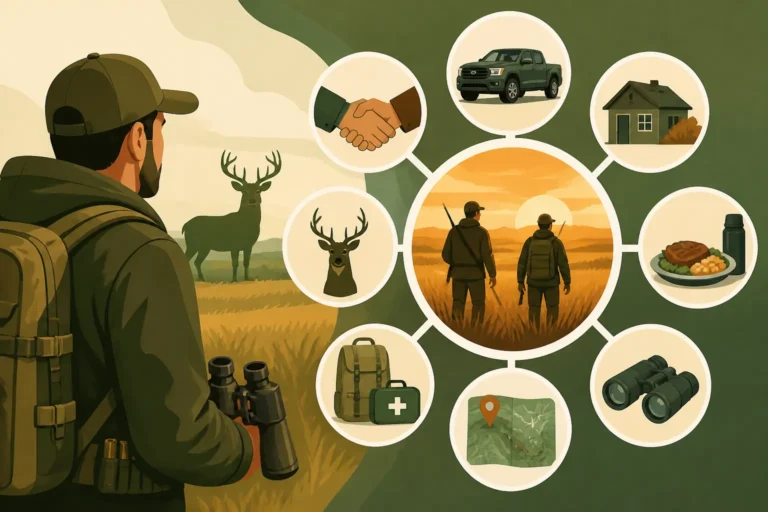
Preparation is key for any hunting trip, but for an accessible hunt, meticulous planning can make all the difference. This isn't just about packing clothes; it’s about anticipating every logistical detail.
Start with your medical needs. Ensure you have all necessary medications, enough for the duration of the trip plus a few extra days, stored safely and accessibly. Carry a detailed list of your medications, dosages, and any allergies. Share this information with your primary guide and trusted travel companions. Consider wearing a medical alert bracelet or tag. If you have specific dietary requirements, discuss these with your outfitter well in advance; reputable lodges are usually happy to accommodate.
Next, focus on hunting gear. While your outfitter might provide some specialized equipment, personal items like adaptive shooting rests, specialized seating cushions, or communication devices should be thoroughly checked and packed. Don't forget any mobility aids you might need, ensuring they are in good working order and fully charged, with backup batteries if applicable. Think about the cold. Dressing for Saskatchewan's November Cold is critical, and for those with limited mobility, staying warm while sitting still can be an even greater challenge. Layering is paramount, with high-quality base layers, insulating mid-layers, and a waterproof/windproof outer shell. Invest in warm boots designed for extreme cold, especially if you'll be stationary in a blind. Boots for Sitting Still in Deep Cold are a game-changer. Pack hand and foot warmers generously.
Finally, think about comfort and contingency. Bring personal hygiene items that are easy to use. Pack entertainment for downtime, as some accessible hunts might involve longer waits in a blind. Have a small, easily accessible bag with essential items (meds, snacks, water bottle, small tools) that can stay with you at all times, even in the blind. Double-check all travel arrangements, from flights (and policies for Flying to Saskatchewan With a Rifle) to ground transportation to camp, ensuring accessibility at every step. Confirm pick-up times and locations with your outfitter a few days before departure.
Maximizing Your Experience on an Accessible Hunt
The success of any hunt often boils down to preparation and communication. For disabled hunters, these elements are even more critical to ensure a fulfilling and safe experience in the field.
Communication and Collaboration with Your Guide
Your guide is not just there to find you game; they are your partner in this adventure. Open and honest communication is the cornerstone of a successful accessible hunt. Before you even set foot in the field, have a comprehensive discussion about your capabilities and limitations. Explain clearly what you can and cannot do, what assistance you need, and any potential physical triggers or concerns. Don't assume your guide knows your specific situation, even if they've guided disabled hunters before. Every individual is different.
During the hunt, maintain a constant dialogue. If you need a break, if you're uncomfortable, if you need to adjust your position, or if you feel unsafe, speak up immediately. A good guide will appreciate your honesty and will prioritize your well-being over pushing for a shot. Similarly, listen to your guide's advice on terrain, animal movement, and shot placement. They are the experts on the ground. Be specific when communicating your hunting preferences—are you looking for a trophy, or primarily for meat? Do you prefer longer sits in a blind, or more active, albeit slower, approaches? This collaboration ensures that the guide can tailor the experience to maximize your comfort, safety, and ultimately, your enjoyment and success. Remember, What Saskatchewan Guides Expect You to Shoot can vary, so ensure your expectations align.
Post-Hunt Logistics and Accessibility
The hunt doesn't end when the shot is fired. Post-hunt logistics, from game recovery to trophy care, can present their own set of challenges, and it's vital to have these planned for accessibility.
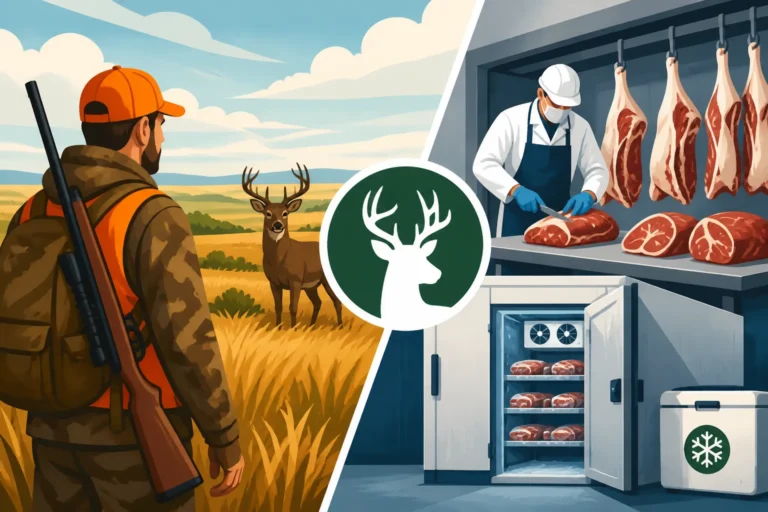
Game Recovery: This is often a significant concern. Discuss with your outfitter beforehand how they will ensure a timely and accessible game recovery. For many disabled hunters, physically tracking an animal through dense brush or across uneven fields is impossible. An accessible outfitter will have a clear plan, which might involve dedicated staff, accessible ATVs or side-by-sides capable of navigating rough terrain, or even specialized equipment like powered game carts or winches to retrieve animals to an accessible point. Ensure the process is respectful of the animal and efficient, regardless of your physical involvement.
Field Dressing and Processing: Again, direct involvement in field dressing might be difficult. Confirm that your guide and their team are fully prepared to handle all aspects of field dressing and quartering the animal. Ask about their methods for hygiene and meat care, especially in Saskatchewan’s variable fall temperatures where Meat Care in Saskatchewan's Cold Snaps is essential. Following field dressing, the game will need to be transported to a processing facility. Verify that the outfitter has accessible transport and partnerships with local butchers for Getting Meat Processed in Saskatchewan. They should be able to assist with packaging meat for transport home or arranging for a local butcher.
Trophy Care and Shipping: If you're fortunate enough to take a trophy animal, discuss caping, skull cleaning, and safe storage immediately. The outfitter should have a clear process for preparing capes and antlers for taxidermy, and they should be able to connect you with reputable taxidermists. Many hunters also need assistance with Shipping Meat Home From Saskatchewan or Shipping a Cape and Antlers Costs across borders. This can be complex, involving permits and specific packaging requirements. Your outfitter should be well-versed in these procedures and able to facilitate the necessary documentation and shipping arrangements to ensure your trophy and meat arrive safely at your home destination. Don't leave these details to chance; confirm everything before your hunt begins.
Disclaimer
This article is for general informational purposes only and does not constitute professional advice. Laws, prices and regulations vary by location and change over time. Consult a qualified professional for guidance on your specific situation.