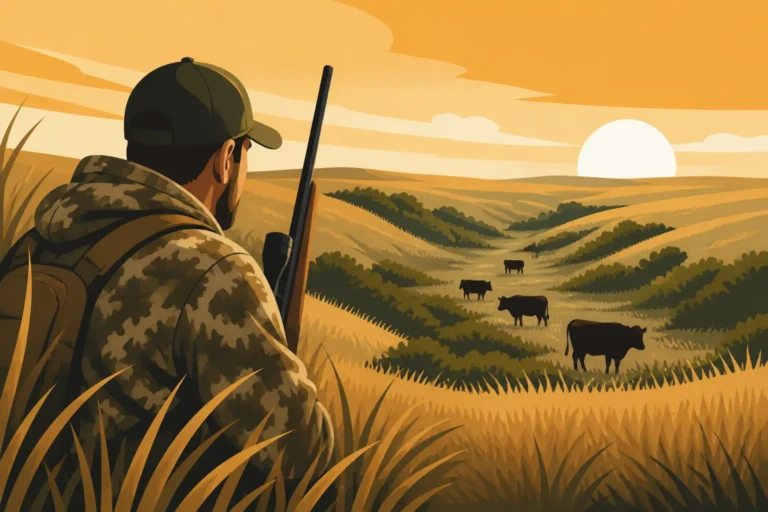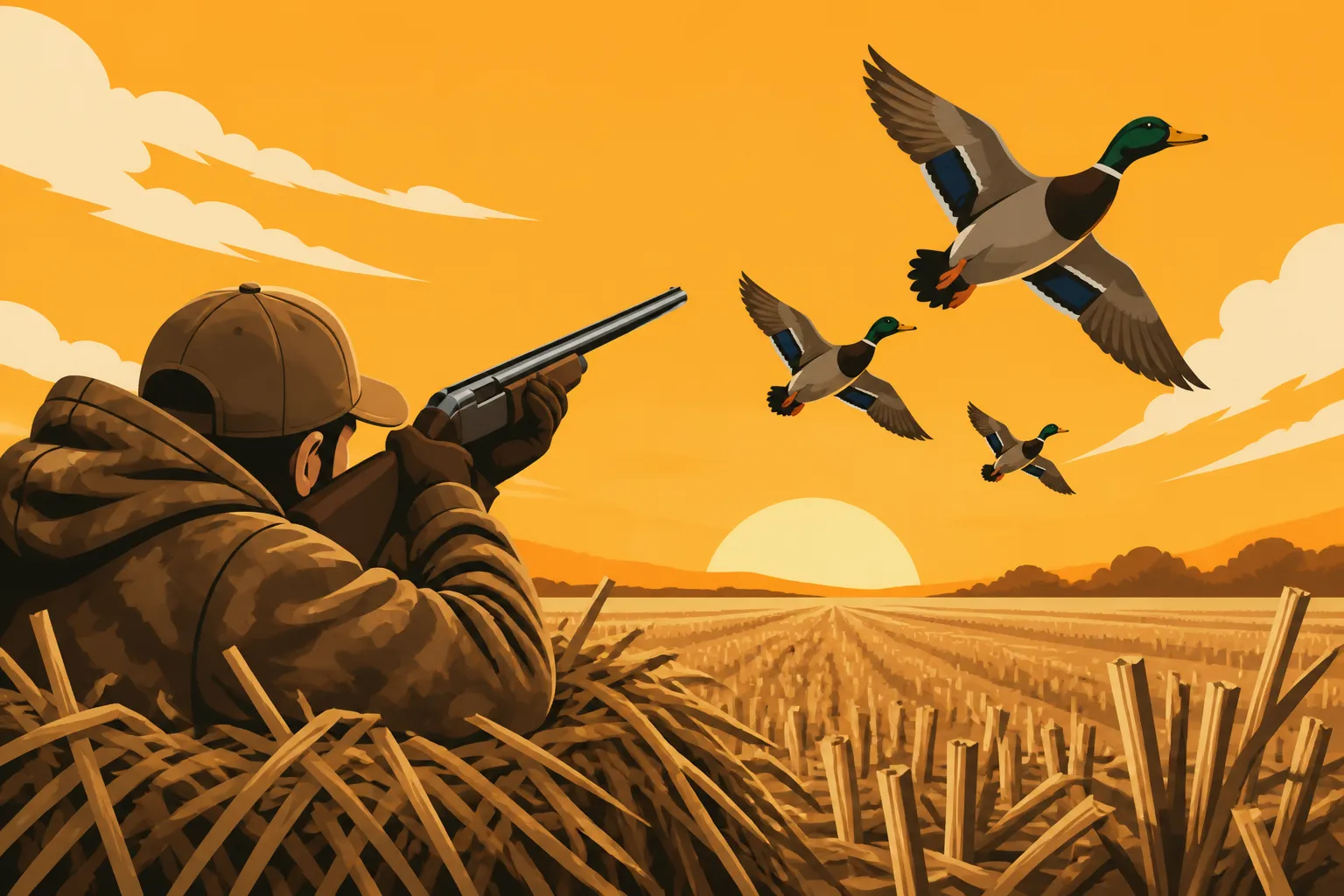
Hunting Ducks on a Saskatchewan Stubble Field
One of the most rewarding, yet often overlooked, waterfowl hunting experiences in Saskatchewan is pursuing ducks on stubble fields. Many hunters focus intensely on potholes or large water bodies, and while those spots certainly hold birds, missing out on the action in a prime grain field means leaving some incredible opportunities on the table. Ducks, especially the ever-popular mallards, are prolific field feeders, and understanding their patterns and preferences can transform your hunt. This comprehensive guide will equip you with the knowledge to successfully target ducks in Saskatchewan's stubble fields, from meticulous scouting to effective decoy spreads and cunning strategies.
The Dynamics of Ducks on Saskatchewan Stubble
Saskatchewan is renowned globally for its waterfowl hunting, and for good reason. The vast agricultural landscapes provide an endless buffet of high-energy waste grains – peas, barley, wheat, and lentils – that migrating ducks simply can't resist. While geese often dominate the conversation when it comes to field hunting, ducks, particularly mallards, are just as keen on these caloric goldmines, especially as the season progresses and they need to pack on fat for migration.
What sets ducks apart from geese in field hunting is often their flight patterns and overall cautiousness. Geese tend to commit to a field en masse, often circling high before dropping in. Ducks, however, especially the larger dabblers like mallards, can be a bit more finicky. They might make multiple passes, land short, or peel off if something doesn't feel right. They are also creatures of habit, often hitting the same fields day after day, sometimes even at the same time. This predictability, once deciphered, is what makes stubble field duck hunting so incredibly productive. Finding that "X" factor – the precise spot where they want to be – is the ultimate goal. Unlike water hunts where ducks might be spread out, in a field, they often concentrate in tight groups around the choicest feeding spots, making it possible to work entire flocks.
Scouting: The Absolute Key to Field-Feeding Ducks
You can have the most expensive decoys and the best calls, but if you're not in the right field, it's all for naught. Scouting is, without a doubt, the single most critical component of a successful stubble field duck hunt. It's not just about finding ducks, but understanding why they are there and when they are using the field.
Deciphering Duck Movement Patterns
Ducks, much like us, operate on a schedule driven by hunger and safety. They typically have a morning feed, often hitting fields shortly after first light. After filling up, they'll head to a nearby water body (a slough, river, or larger lake) to loaf, preen, and digest. Then, as evening approaches, they often return to the fields for a final feed before heading to their night roost on open water. Occasionally, you'll find them hitting fields mid-day, especially if weather conditions are particularly harsh or if the food source is exceptionally good. This dynamic means your scouting needs to cover multiple times of the day to get a complete picture.
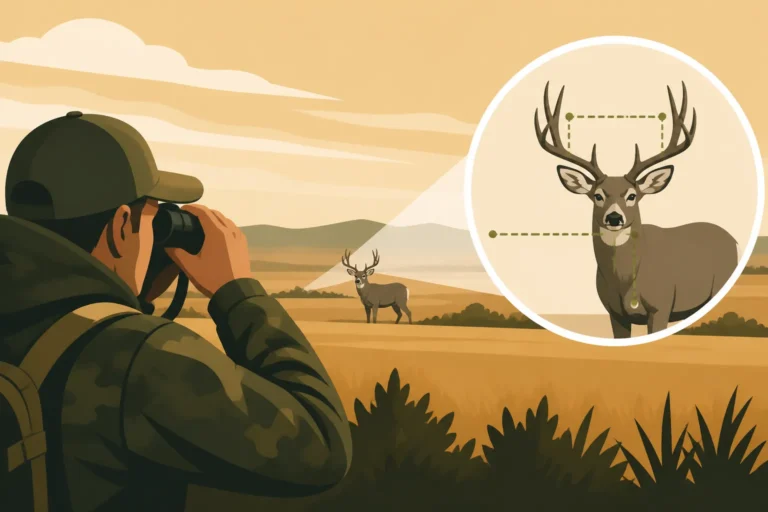
When you're scouting, it's not enough to just see ducks in a field. You need to identify the exact section of the field they're using. Look for concentrations of birds, note their entry and exit points, and pay close attention to the wind direction they prefer to land into. Observing these details will inform your blind and decoy placement on hunt day. Don't be afraid to drive around, glassing fields from a distance with good binoculars or a spotting scope. Sometimes, what looks like an empty field from a quarter-mile away might be teeming with ducks tucked down low, especially on windy days. If you're really serious about getting on the "X," it sometimes means watching a field for several hours over a couple of days.
Leveraging Technology for Effective Scouting
In today's hunting world, technology can be a massive advantage. While boots-on-the-ground scouting is irreplaceable, satellite imagery and mapping apps can help you narrow down potential areas significantly. Tools like GoHunt or other detailed mapping services allow you to scrutinize large areas from the comfort of your home. You can identify potential feeding fields, locate nearby water sources, and even pick out subtle topographical features that might influence how ducks approach a field or where they might prefer to sit. Remember, ducks like easy access to water, so fields adjacent to sloughs or within a short flight of a large lake are often prime candidates. For deeper insights into this approach, consider reviewing guides on Scouting With Satellite Imagery in Saskatchewan.
Beyond digital maps, keep an eye out for physical signs. Fresh droppings are the most obvious indicator of recent activity. Ducks leave smaller, more liquid droppings than geese, but if you see a concentrated area, you know you’re in the right neighborhood. Feathers, particularly breast feathers, can also indicate a frequent feeding or loafing spot. Pay attention to the type of crop. Fields of swathed barley, unharvested peas, or lentils are often duck magnets, as the waste grain is easily accessible.
The Indispensable Act of Gaining Permission
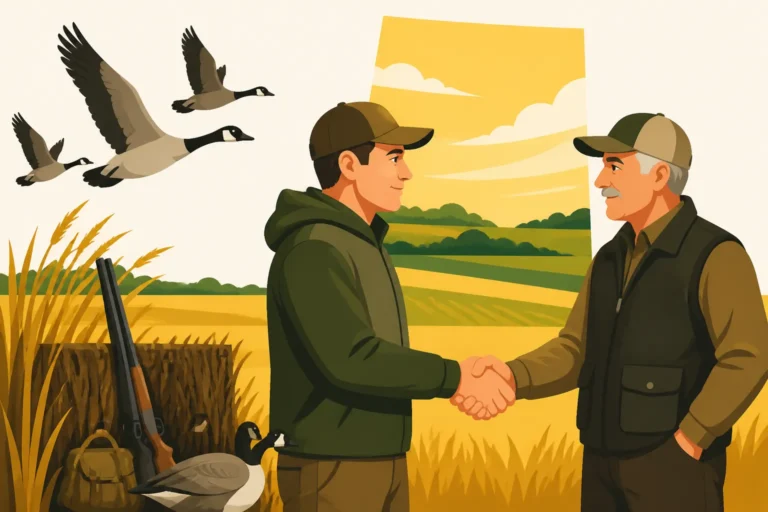
Perhaps even more important than finding the ducks is securing access to the land. In Saskatchewan, the vast majority of prime stubble fields are privately owned. This means you absolutely must obtain landowner permission before stepping foot on their property. This isn't just a courtesy; it's the law. Many of the principles for Getting Permission for a Goose Field apply directly to duck hunting. Be polite, respectful, and prepared. Introduce yourself, explain what you want to hunt, and offer to share some game. A little common courtesy goes a long way.
When you do get permission, ask about any specific rules or areas to avoid. Some landowners might have livestock, or specific areas they don't want disturbed. Always respect their wishes. Building a good relationship with landowners is a long-term investment that can lead to years of incredible hunting opportunities. Sometimes, a farmer might even point you to a field they've seen ducks in, giving you a huge head start.
Decoy Spreads and Blind Strategies for Field Ducks
Once you've scouted your field and secured permission, the next step is setting up a convincing spread and an undetectable blind. Ducks, especially late in the season, are incredibly wary, and any unnatural element will send them packing.
Building a Realistic Decoy Spread
When it comes to field ducks, realism often trumps sheer numbers. Full-body mallard decoys are the gold standard. They provide the most lifelike profile and are incredibly effective at drawing in wary birds. While you don't necessarily need a thousand decoys, having a few dozen high-quality full-bodies will serve you well. Supplementing these with shells or silhouettes can bulk up your numbers if you're trying to make a larger presence, but prioritize quality for your main focus birds.
Motion decoys, such as spinning-wing Mojos or other types of jerk strings and flyers, can be a game-changer for ducks. The flash of a spinning wing can grab a duck's attention from a long distance. However, they can also sometimes flare extremely wary birds, especially on calm, bright days. A good strategy is to start with motion, and if birds are flaring, turn them off or only use them intermittently. Place them strategically within your spread to mimic active feeding birds. Consider placing a spinning wing decoy or two in your landing zone to really draw their eye.
Unlike the precise "U" or "J" patterns often used for geese, duck spreads on fields can be a bit more fluid and natural. Think about how ducks actually feed: in loose family groups, often strung out as they move across a field. A good pattern might involve several smaller clusters of 6-12 decoys, with a clear, open landing zone in the middle. The "landing strip" concept, where you have two arms of decoys extending out from your blind, creating an alley for ducks to fly into, is highly effective. Remember to orient your spread so that ducks will be flying into the wind as they approach your landing zone, as this is their natural behavior. For a comparison, Setting a Goose Spread in Swathed Barley offers some similar principles you can adapt.
Here's a quick comparison of common decoy types for field hunting:
| Decoy Type | Pros | Cons | Ideal Use |
|---|---|---|---|
| Full-Body Ducks | Most realistic, durable, effective | Bulky, heavier to transport, more expensive | Main attraction, where realism is key |
| Duck Shells | Lighter, stackable, more affordable | Less realistic profile, less movement | Bulking up numbers, secondary clusters |
| Silhouettes | Very light, compact, inexpensive | Flat profile, no movement, limited realism | Adding perceived numbers, budget spreads |
| Spinning Wing | Excellent for attracting attention | Can flare wary birds, battery-dependent | Attention-getter, in landing zone (use wisely) |
Masterful Concealment with Blinds
Ducks have incredible eyesight, and you simply cannot hide by lying down in the open. Layout blinds are the absolute best choice for field hunting ducks. They keep you low to the ground, concealed, and comfortable, especially during those long waits. But merely having a layout blind isn't enough; you must brush it in meticulously. Use natural vegetation from the field itself – stubble, weeds, dirt clods – to break up the outline of your blind. A common mistake is to only brush the top, neglecting the sides. Ducks flying directly overhead will see the unbrushed sides of your blind sticking out like a sore thumb.
If layout blinds aren't an option, or if the field offers exceptional natural cover, you might be able to utilize hay bales or other agricultural structures. However, these require even more attention to detail to ensure they blend seamlessly with their surroundings. Regardless of your blind choice, make sure you have a clear line of sight for shooting and that your head can pop up without disturbing the surrounding cover too much. Pay attention to your face and hands – these are often the first things ducks see. Wear face masks and gloves that match your surroundings.
Mastering the Field Hunt: Techniques and Practical Tips
With your scouting done and your spread set, it’s time to focus on the actual hunting techniques that will put ducks in your bag.
The Art of Duck Calling
Unlike the loud, aggressive calling often associated with geese, duck calling for field birds often benefits from a more subtle approach. Short, sweet quacks, feeding chuckles, and greeting calls are typically more effective than long, drawn-out highballs. The goal isn't to blast them out of the sky, but to convince them that your spread is a safe, inviting place where other ducks are happily feeding.
Learn to read the birds. If they're locked up and coming in, often less calling is more. If they start to drift or look hesitant, a few soft quacks can pull them back in. Sometimes, simply letting the decoys do the work is the best calling strategy. Practice your calling, but more importantly, practice listening to real ducks and trying to mimic their natural sounds.
Stealthy Field Approach and Setup
This cannot be overstated: ducks are extremely sensitive to movement and noise. Arrive at your chosen field well before first light. The darker it is, the less chance you have of spooking birds that might already be in the field or flying into it. Drive slowly and quietly, and once you're near your setup spot, turn off your vehicle and proceed on foot if possible. Hunting a Swathed Grain Field at Dusk similarly emphasizes stealth and timing.
Set up your blind and decoys quickly and efficiently. Once everything is in place, get into your blind and stay still. Any unnecessary movement or noise can ruin the hunt before it even begins. Remember, you're trying to fool an animal with excellent vision and an ingrained sense of self-preservation.
Shot Placement, Safety, and Legalities
When ducks commit and come into your spread, wait for them to drop their feet and get within ethical shooting range. This often means waiting until they are directly over or slightly past your blind, giving you a clean shot at the bird's vitals. Resist the urge to sky-bust; it rarely works and often just educates the birds.
Safety is paramount. Always be aware of your hunting partners, property lines, and any livestock. Establish clear shooting lanes and know your firearm's range. Remember that in Saskatchewan, Non-Toxic Shot for Saskatchewan Waterfowl is required for all migratory bird hunting. This means steel, bismuth, or other approved alternatives, not lead. Make sure your shotgun is patterned for your chosen non-toxic shot type.
It's also crucial to be aware of Saskatchewan Duck Season Dates and Duck Daily Bag Limit by Species. These regulations change, so always consult the most current Saskatchewan hunting guide to ensure compliance.
Battling the Elements: Weather's Impact
Weather can be your best friend or worst enemy in the field. Wind is almost always a benefit for field hunting ducks. It makes your motion decoys more effective, gives your static decoys a lifelike wobble, and often forces ducks to fly lower and more predictably as they fight the gusts. Always set up with the wind at your back, so ducks are flying into it as they approach your spread.
Rain and snow can also improve field hunting. Nasty weather often pushes ducks off large water bodies and into fields seeking shelter and easy food. Ducks are less wary in a blizzard or heavy rain, making them more likely to commit. However, hunting in harsh conditions requires proper gear. Dress in layers, wear waterproof outerwear, and protect your hands and feet. For tips on dealing with the cold, refer to advice on Hunting Saskatchewan Winter Weather Safely or Hunting the December Late Season Cold.
Retrieving Birds and Post-Hunt Considerations
Once the shooting is done, the work isn't over. Efficiently retrieving downed birds is crucial to prevent waste and to respect the game. A well-trained retrieving dog is an invaluable asset for field hunting. They can quickly locate birds that fall in thick stubble or sail a distance. If you don't have a dog, carefully mark each bird's fall, and walk directly to that spot. Using a Flushing Dog in Thick Cover can offer insights into working dogs in dense environments, which might apply to heavy stubble.
After your hunt, remember to clean up all your decoys, blind material, and any trash. Leave the field as clean, if not cleaner, than you found it. This respects the landowner and helps maintain a positive image for all hunters. Transport your game legally and properly, ensuring you comply with all tagging and possession regulations.
Field hunting for ducks in Saskatchewan is an experience that truly connects you with the province's incredible waterfowl resources. By dedicating yourself to thorough scouting, intelligent decoy setups, and patient execution, you'll open up a whole new world of exciting hunting opportunities, often contrasting with Pothole Hunting Prairie Ducks. It's challenging, rewarding, and offers memories that will last a lifetime.
Disclaimer
Hunting is an activity that carries inherent risks. Always prioritize safety, adhere to all local, provincial, and federal hunting regulations, and ensure you have the necessary licenses and permits. The information provided in this guide is for informational purposes only and should not replace professional instruction or official government publications.