Hunting a Saskatchewan Quarter Section
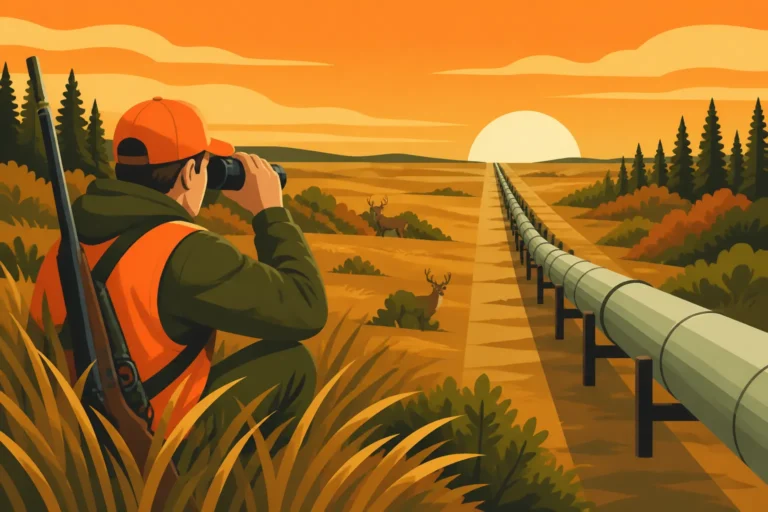
Hunting a small parcel of land, like a single quarter section in Saskatchewan, can feel like trying to find a needle in a haystack, especially when you know the big, sprawling areas hold so much game. Many hunters get discouraged, thinking 160 acres isn't enough to hold a trophy, or even a meat animal, consistently. But I'm here to tell you that these smaller, often overlooked gems can be incredibly productive if you approach them with the right mindset and a solid strategy. This guide will dive deep into how to effectively scout, strategize, and hunt these smaller, often underestimated grounds, turning them into your own little honey holes.
Understanding the Quarter Section Landscape
Before we even think about stepping foot onto a quarter section, it's crucial to understand what we're working with. These aren't vast tracts of wilderness, but rather condensed pockets of habitat that require a very specific approach.
What Exactly is a Quarter Section?
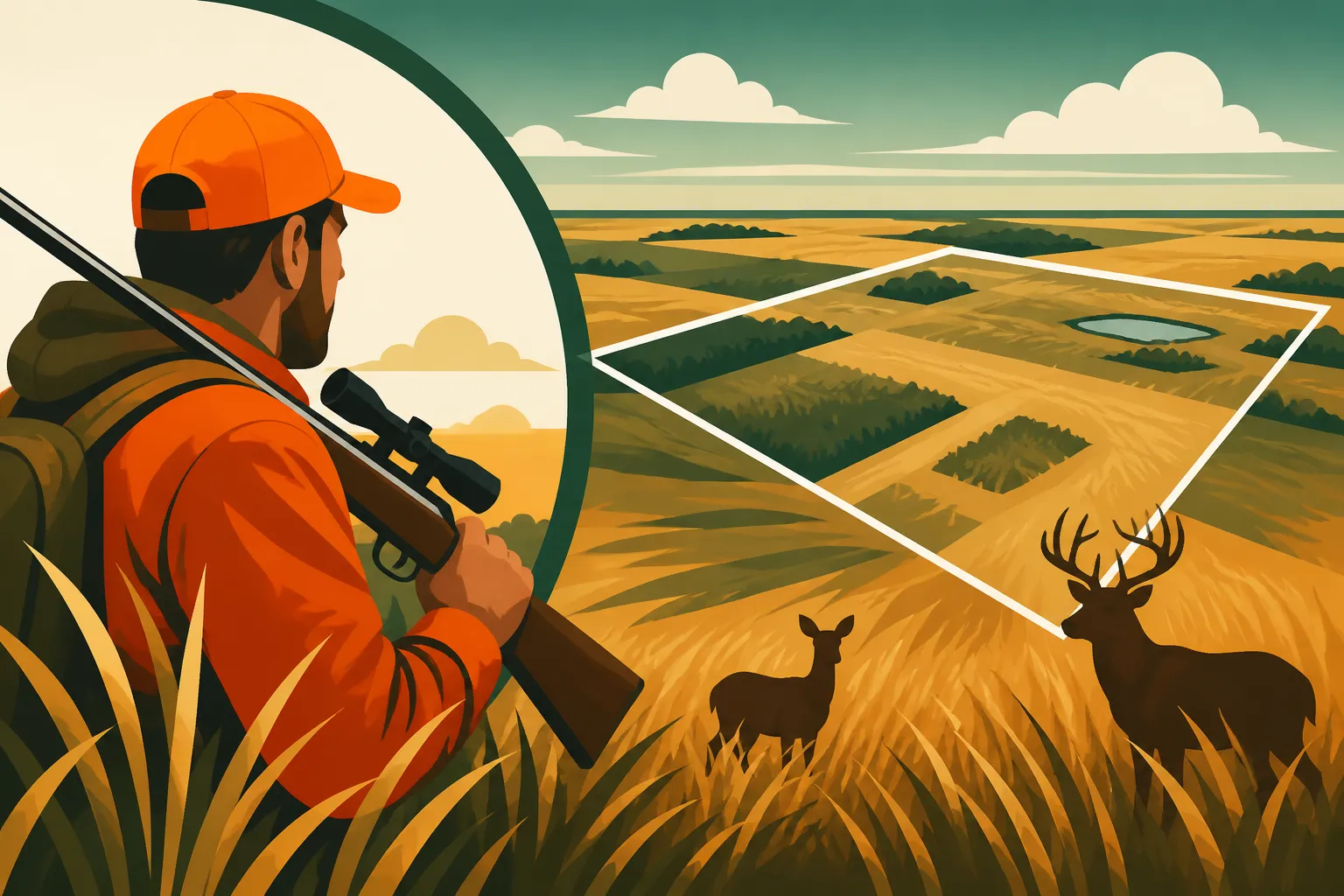
In Saskatchewan, like much of the Canadian prairies, land is divided into a grid system based on the Dominion Land Survey. A "quarter section" refers to a quarter of a full section of land. A full section is typically one square mile, which is 640 acres. So, a quarter section is generally 160 acres, measuring half a mile by half a mile, or approximately 800 meters by 800 meters.
While 160 acres might not sound like much when you're dreaming of endless bush or vast prairie, it's a significant piece of ground. For many, it represents the backbone of their hunting efforts, particularly in agricultural zones where private land dominates. These parcels are often bordered by roads, other fields, or different types of private land, which can define how game moves through them. Sometimes, you might encounter a "fractional quarter," which is slightly smaller or larger due to geographical features or survey discrepancies, but the principle of hunting a confined area remains the same. The key is to think of it not as a limitation, but as a defined ecosystem you can learn intimately.
Identifying Key Features and Cover
The true value of a quarter section isn't just its size, but the diversity of habitat it offers, or how it acts as a corridor between larger pieces. Even a seemingly small 160-acre block can be incredibly rich if it boasts a variety of natural features. I've seen quarter sections that hold everything from dense willow bluffs and poplar stands to reedy sloughs, deep coulees, and even small patches of mature timber. These varied habitats provide essential bedding, thermal cover, and escape routes for game, particularly whitetail deer, but also moose and elk that might be passing through.
Consider a typical quarter section on Saskatchewan's farmland fringe. It might have a productive grain field on one side, a brushy shelterbelt running through the middle, and a wet slough or cattail marsh on the other end. This combination creates a perfect microcosm where deer can feed in the crops, bed down in the thick cover of the shelterbelt, and access water from the slough. Or perhaps it's a quarter section dominated by native prairie grass with a deep coulee cutting through it, offering mule deer excellent thermal cover and travel routes. Understanding these features is paramount, as they dictate where and when animals will be present and how they'll move across the property.
Strategies for Scouting and Gaining Access
Hunting a quarter section effectively begins long before the season opens, with meticulous scouting and, often, the crucial step of gaining permission. Without these foundational elements, even the most skilled hunter will struggle.
Getting Permission on Private Land
This is where the rubber meets the road for many Saskatchewan hunters. The vast majority of prime hunting land, especially in the productive farmland and parkland zones, is privately owned. The frustration of driving past amazing-looking cover only to see "No Hunting" signs is something every hunter here has experienced. But don't despair! Knocking on Doors in Saskatchewan Farm Country remains one of the most effective, albeit intimidating, ways to secure access.
Approaching landowners requires respect, patience, and a genuine willingness to build a relationship. Don't just show up a week before the season with your rifle. Start months in advance, well before fall seeding or harvest. Introduce yourself, explain your intentions clearly, and always offer to share some of your harvest if successful. Many landowners appreciate a responsible hunter who will help with predator control, watch for trespassers, or even assist with small tasks around the farm. Tools like GoHunt can be invaluable here, allowing you to quickly identify landownership and sometimes even contact information, giving you a head start before you even knock on their door. Always be mindful of the Saskatchewan Landowner Permission Law, ensuring you understand your rights and responsibilities, and those of the landowner.
Detailed Pre-Season and In-Season Scouting
Once you have permission (or if you're hunting a rare piece of public quarter section), it's time to become a detective. Small properties demand incredibly detailed scouting because every square foot matters. Start with a bird's-eye view. Satellite imagery, often available through apps like GoHunt or other mapping platforms, is your best friend. Look for patterns: where are the thickest cover patches? Are there obvious travel corridors or funnels between fields? Where are the potential water sources? Identifying these features before you even step on the property can save you countless hours. This type of analysis is crucial for Scouting With Satellite Imagery in Saskatchewan.
When you finally put boots on the ground, move slowly and deliberately. Look for fresh tracks, rub lines, scrape areas, and bedding sites. On a small parcel, deer won't move far from bedding to feeding, so understanding these core areas is vital. Pay close attention to subtle terrain changes – a slight rise, a hidden depression, a tight corner of bush – as these often act as natural pinch points where deer feel secure. During the season, use trail cameras sparingly to monitor activity without over-pressuring the area. Focus on edges: Reading Whitetail Sign in Saskatchewan Bluffs will tell you a lot about how bucks use the heavier cover, while tracks leading into a standing crop field after dusk are clear indicators of feeding patterns. Every sign tells a story, and on a quarter section, you need to read every chapter.
Effective Hunting Tactics for Small Parcels
Hunting a quarter section isn't about covering vast distances; it's about precision, patience, and minimizing your impact. These smaller areas can be incredibly productive, but they're also sensitive to pressure.
Minimizing Pressure and Maximizing Stealth
This is arguably the most critical aspect of hunting a small property. On 160 acres, every wrong move, every careless entry or exit, can alert game to your presence and push them off the property or make them nocturnal. Deer, especially mature bucks, have an uncanny ability to know when they're being hunted. Your goal is to be a ghost.
One of the biggest mistakes hunters make on small parcels is walking straight through the middle of prime bedding areas to get to their stand. Always plan your entry and exit routes meticulously, prioritizing wind direction above all else. Use terrain features like ditches, fence lines, or the edge of a standing crop field to shield your movement. Enter well before daylight and leave well after dark to avoid bumping animals. Scent control is paramount; dress in clean clothes, use scent-eliminating sprays, and avoid strong-smelling foods or colognes. If you suspect you've pressured a quarter section, consider giving it a few days, or even a week, to cool down. Sometimes, the best hunt is the one you don't make, allowing the game to settle back into their natural patterns.
Stand Placement and Hunting Methods
Strategic stand placement is absolutely key when you're working with limited space. You want to intercept game without intruding on their core sanctuary areas. On a quarter section, edges are almost always your best bet. Think about the transition zones: where a bush bluff meets a crop field, where a slough funnels into a narrow willow run, or where a shelterbelt provides cover along a field edge. These are natural travel corridors. Consider hanging a stand on Hunting a Saskatchewan Bush Bluff that overlooks an adjacent field, or in a tree line for Hunting a Standing Canola Field Edge or Hunting a Shelterbelt Between Two Fields.
For smaller, thicker pieces of cover, consider a ground blind, especially if there are no suitable trees for a treestand. A pop-up blind can be set up quickly and offers excellent concealment. Don't be afraid to hunt different wind directions on different sides of the property. If the quarter section has a good slough, a setup on Hunting a Slough Edge for Whitetails can be incredibly effective, especially in the late season when water sources become crucial. Still hunting or slow stalking can also be effective methods in appropriate cover, but only if you have a deep understanding of the property and move with the utmost stealth. Remember, the goal is to make yourself invisible in a very visible space.
Here’s a look at some common stand locations and their strategic value on a quarter section:
| Location Type | Pros | Cons | Ideal Conditions | Game Targeted |
|---|---|---|---|---|
| Field Edge Stand | Access to feeding areas, good visibility, can see game entering/leaving. | Exposed to wind, deer might be skittish if pressured, limited cover. | Early morning/late evening, calm winds. | Whitetail, Mule Deer, Elk (feeding) |
| Brushy Slough Edge | Excellent cover, water source, natural funnel for game movement. | Can be wet, limited shooting lanes, dense cover might obscure game. | All day, especially during the rut. | Whitetail, Moose (water source) |
| Shelterbelt/Bush Line | Provides cover, acts as a travel corridor, good ambush spot. | Game might move quickly, difficult to predict exact crossing points. | Anytime, especially during transitions. | Whitetail, Mule Deer, Coyotes |
| Coulee Bottom/Draw | Natural bedding and travel, protected from wind, thermal cover. | Steep access, limited visibility in deep parts, can be tricky wind. | Cold days, mid-day bedding movement. | Mule Deer, Whitetail, Elk |
| Pinch Point/Funnel | High traffic area, maximizes chances of intercepting game. | Can be over-pressured if not hunted carefully, requires precise entry. | All day, especially during the rut. | Whitetail, Mule Deer, Moose |
What to do when you fill your tag on a quarter section
Congratulations! Taking an animal on any hunt is a rewarding experience, but doing it on a well-studied quarter section can feel like a special victory. Now, the next steps are crucial for both animal recovery and maintaining your access.
Recovering and Processing Your Game
Once you've made a successful shot, the priority is a quick and quiet recovery. On a small parcel, this is doubly important. A wounded animal running off the property onto land where you don't have permission can create a very difficult situation. Always wait a reasonable amount of time before tracking, especially for deer, to allow the animal to expire nearby. When you do track, move silently and efficiently to avoid disturbing any other game that might be in the area. The less commotion you make, the better the chances that other animals will remain calm and continue to use the quarter section.
Once the animal is recovered, field dressing should be done respectfully and, if possible, out of sight of roads or neighbouring properties. You want to leave as little trace as possible. If the weather is cold, which is often the case during Saskatchewan's hunting seasons, proper Meat Care in Saskatchewan's Cold Snaps is essential to prevent spoilage. Have a plan for getting the animal out of the field, whether that's with a game cart, a small ATV (with landowner permission), or good old-fashioned muscle. The less impact you leave on the land and the fewer disturbances you cause, the more likely you are to maintain that valuable permission.
Maintaining Landowner Relationships
This final step is paramount for any hunter who wishes to enjoy continued access to private land. A successful hunt should always be followed by a sincere thank you to the landowner. This isn't just common courtesy; it's an investment in your future hunting opportunities. Call or visit them shortly after your hunt, whether you were successful or not.
If you harvested an animal, offering to share some of the meat is a fantastic gesture that many landowners genuinely appreciate, especially if they don't hunt themselves. Providing photos of your successful hunt, particularly if it was a good buck, can also be a nice touch. Help out with a chore if you see one that needs doing, or just stop by for a friendly chat occasionally, even outside of hunting season. These relationships are built on trust and mutual respect. Show them that you are a responsible, ethical hunter who respects their land and their generosity, and you might just secure a hunting spot for years to come on that productive little quarter section.
Disclaimer
Hunting is an activity that carries inherent risks. Always prioritize safety, adhere to all provincial and federal hunting regulations, and ensure you have the necessary licenses and permits. This guide is for informational purposes only and does not replace official hunting regulations or professional advice. Always gain explicit permission before hunting on private land.