Saskatchewan Taxidermists and Wait Times
You’ve just made the shot of a lifetime, or maybe you’ve had a successful season and brought home a magnificent animal from the Saskatchewan bush or prairie. The adrenaline is still coursing, and the memories are fresh. But as the initial excitement settles, a new question often arises: how do you preserve this incredible memory? You want that trophy to last forever, but navigating the world of taxidermy – especially understanding wait times – can feel like another hunt in itself, full of unknowns and a fair bit of patience. This guide is here to demystify the process, from initial field care to the moment you finally bring your finished mount home.
The Initial Rush: Post-Harvest Care for Your Saskatchewan Trophy
The journey of your trophy from the field to a taxidermist's shop begins the very second your animal is down. How you handle it in those critical first hours can make all the difference between a pristine mount and a piece that challenges even the most skilled artist. Think of it as the foundation of your trophy – a strong start is paramount.
Field Care: The First Critical Steps
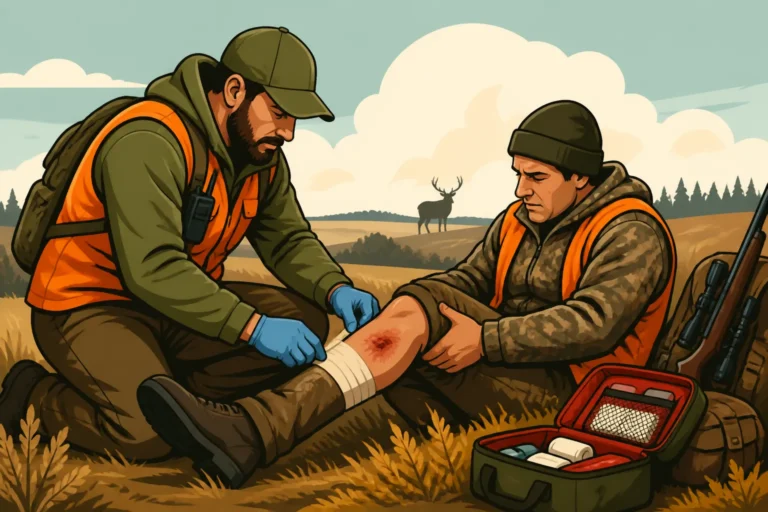
Once your animal is harvested, particularly big game like a whitetail, moose, or bear, immediate care is crucial. The goal is to cool the animal down as quickly as possible and prevent spoilage. This means getting it gutted promptly. For a shoulder mount, you'll need to know how to properly cape the animal, ensuring you leave ample hide for the taxidermist to work with. A common mistake is cutting the cape too short, especially around the brisket area, which can make it incredibly difficult for the taxidermist to create a natural-looking pose. Don't worry if you're not an expert; there are plenty of online resources and even local hunter education courses that cover proper field dressing and caping techniques. But generally, when in doubt, leave more hide rather than less. If you're planning a black bear rug, the entire hide needs meticulous care. Getting the hide off the carcass, cleaning off any excess meat or fat, and getting it cooled or salted quickly prevents hair slippage, which is every taxidermist's nightmare.
Proper drainage of blood is also vital. Whether it's a deer in the Saskatchewan's Aspen Parkland or a bear deep in the Saskatchewan's Boreal North, laying the animal in a way that allows blood to drain away from the hide, especially the head and neck area, helps prevent staining and further deterioration. This initial effort might seem like extra work in the cold or after a long retrieve, but it's an investment in the quality of your future mount.
Getting Your Trophy to a Processor or Taxidermist
Once your animal is field-dressed and ideally caped, the clock starts ticking for getting it to a proper facility. In Saskatchewan, especially during the warmer early seasons like September archery or early fall, this window can be quite short. Even in colder Hunting Saskatchewan Winter Weather Safely, improper handling can lead to issues.
If you've harvested a trophy in a remote part of the Hunting Saskatchewan's Forest Fringe, you might need to transport the cape and skull a good distance. For many hunters, this means having coolers packed with ice ready to go. The goal is to keep the hide as cold as possible without freezing it solid, which can sometimes make re-thawing and fleshing more challenging initially. For non-residents, this step is even more critical, as you'll often have a schedule to meet for departure. You'll need to know the rules for Transporting Game Meat in Saskatchewan and taking trophies across borders, which can be quite stringent. Many outfitters, especially those found through resources like BookYourHunt, will have cold storage facilities and connections with local taxidermists or meat processors who can handle the initial stages of care, like fleshing and salting a hide.
When to Contact a Taxidermist
This is a point often overlooked: don't wait until you've pulled the trigger to think about a taxidermist! If you're serious about getting a mount, it's wise to start your research before your hunt begins. Talk to fellow hunters, check online forums, and look for local shops. Having a taxidermist in mind and understanding their process can save you a lot of stress in the moment.
Once your animal is on the ground, a quick call to your chosen taxidermist is ideal. They can provide specific instructions for field care or arrange for drop-off. Some taxidermists even offer field services or specific pickup times. Even if you only have the cape on ice, confirming your plans with them immediately after your harvest ensures you're on the right track and prevents costly mistakes that could compromise your trophy. Remember, the earlier you communicate, the better they can prepare for your unique piece.
Understanding Saskatchewan Taxidermy Services and Options
So, you’ve got your trophy caped and ready, or perhaps you've opted for a skull for a European mount. Now comes the exciting part: deciding how to preserve it permanently. Saskatchewan taxidermists offer a range of services, each with its own artistic considerations, complexities, and, naturally, cost implications.
Types of Mounts and Their Complexity
When we talk about taxidermy, most people immediately think of a shoulder mount, and for good reason – it's the most common way to display big game like deer or moose. A shoulder mount showcases the head, neck, and part of the shoulder, often in a striking pose that captures the animal's essence. These vary in complexity based on the pose (straight, right turn, left turn, semi-sneak) and the detail required in the facial features and musculature.
However, the options don't stop there. Full body mounts, while more expensive and space-consuming, are breathtaking works of art that capture the entire animal in a dynamic pose. Think of a whitetail buck Hunting Whitetails in Saskatchewan's Forest Fringe mid-stride or a black bear standing on its hind legs. These require immense skill, larger forms, and significantly more time. Then there are rug mounts, popular for bears, where the hide is tanned and laid flat, often with the head mounted separately. European mounts, which involve cleaning the skull and often whitening it, are a fantastic, more minimalist option that is also considerably quicker and less expensive. You can also get custom pedestals, habitat scenes, or even shed antler mounts. Each choice reflects a different vision for your trophy, and your taxidermist can guide you through the pros and cons of each for your specific animal.
Finding the Right Saskatchewan Taxidermist
Choosing a taxidermist is a big decision; this isn't just a service, it's an investment in a lasting memory. In Saskatchewan, you'll find a range of talented artists, from seasoned veterans who've been perfecting their craft for decades to newer, innovative shops. Platforms like GoHunt might offer general hunting advice, but for local taxidermists, word-of-mouth among the Saskatchewan hunting community is often the best referral. Ask guides, outfitters (especially if you booked through a service like BookYourHunt), or other hunters who they trust.
When you're vetting potential taxidermists, don't be shy about asking questions.
- Portfolio: Do they have a showroom or a strong online portfolio where you can see examples of their work? Look for realism, clean seams, lifelike eyes, and natural poses. Are the ears positioned correctly? Do the nostrils look natural? Pay attention to the fine details.
- Experience: How long have they been in business? Do they specialize in certain species, like large northern whitetails or big prairie mule deer?
- Licensing & Insurance: Ensure they are properly licensed and insured.
- References: Ask for references from past clients.
- Care & Storage: Inquire about their methods for hide preparation (fleshing, salting, tanning), especially if you're concerned about Meat Care in Saskatchewan's Cold Snaps. Do they have secure, temperature-controlled storage for capes awaiting processing?
Don't just go with the cheapest option. A truly skilled taxidermist brings an artist's eye to the craft, transforming a raw hide and bone into a vibrant, enduring tribute to your hunt.
The Consultation and Deposit Process
Once you've narrowed down your choices and picked a taxidermist, the next step is typically a consultation. This is your chance to discuss your vision for the mount. Bring photos of your animal, if possible, and be ready to talk about the type of mount you want, the pose, and any specific details you envision. This is also where you'll get a firm quote for the work.
Taxidermy is a custom art form, and pricing reflects the skill, time, and materials involved. Expect to pay a deposit upfront, often ranging from 30% to 50% of the total cost. This deposit covers the initial costs of forms, tanning, and secures your spot in their workflow. Understand their payment terms, cancellation policy, and what happens if you decide to change your mind or if there's an unforeseen issue. A clear, written agreement or invoice detailing the work, cost, and estimated timeframe is always a good idea. This transparency benefits both you and the taxidermist, setting clear expectations from the outset.
The Reality of Taxidermy Wait Times in Saskatchewan
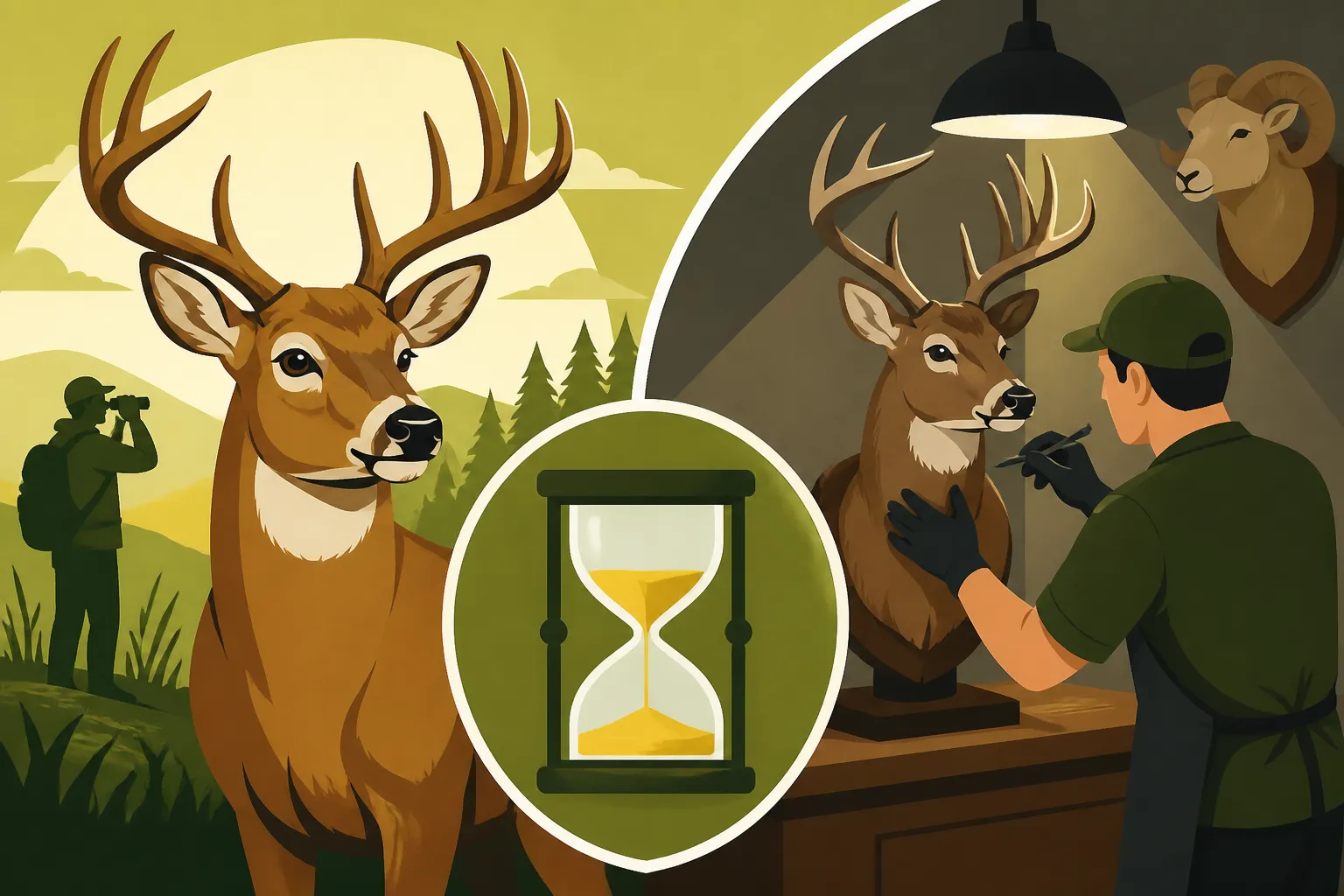
Ah, the wait. This is often the most frustrating part of the taxidermy process for hunters, especially after the immediate high of the hunt. It's a common lament around campfires and coffee shops: "My mount has been at the taxidermist for over a year!" The truth is, quality taxidermy takes time, and several factors contribute to those often lengthy turnaround times in Saskatchewan.
Factors Influencing Turnaround Time
Several elements converge to determine how long you'll be waiting to admire your finished trophy:
- Volume of Work: Saskatchewan is a popular hunting destination, especially for species like White-Tailed Deer, Saskatchewan's Signature Animal and Black Bear Hunting in Saskatchewan. Many hunters mean many trophies, and good taxidermists often have a steady, sometimes overwhelming, stream of work. They can only work on so many projects at once without sacrificing quality. A busy taxidermist might have dozens, if not hundreds, of mounts in various stages of completion.
- Complexity of the Mount: As we discussed, a simple European mount will be completed much faster than a full-body grizzly or an intricate habitat scene with multiple animals. Each type of mount requires different materials, forms, and levels of artistic detail. A truly lifelike shoulder mount requires careful fleshing, tanning, fitting to a form, sculpting, painting, and finishing – each step demanding precision.
- Material Availability: Taxidermists rely on suppliers for forms, eyes, tanning chemicals, and other specialized materials. Supply chain issues or backorders can delay projects, especially if they need a unique form or a specific size of glass eyes that aren't readily available. Tanning is often outsourced to specialized tanneries, and those tanneries also have their own backlog and turnaround times, which can add months to the process.
- Taxidermist's Workflow and Dedication to Quality: A skilled taxidermist is an artist, not an assembly line worker. They take pride in their work and won't rush a mount just to get it out the door. Each piece is handled with care, ensuring accurate anatomy, realistic expressions, and durable construction. This meticulous attention to detail inherently takes time. Some taxidermists also work alone or with a small team, further limiting their output capacity compared to larger operations.
Typical Wait Time Expectations
Managing your expectations around wait times is key to a positive experience. While every taxidermist is different, and the specific animal and mount type play a role, here's a general idea of what to expect in Saskatchewan:
- European Mounts (Skull Mounts): These are usually the quickest, often taking 3 to 6 months. The process primarily involves cleaning, degreasing, and whitening the skull, which is less labor-intensive than a full mount.
- Shoulder Mounts (Deer, Bear, Antelope): This is where patience truly comes into play. You can typically expect to wait 12 to 18 months, and for some highly sought-after taxidermists or during peak season, it can easily stretch into 2 years or more. This accounts for the tanning process, ordering specific forms, and the intricate finishing work.
- Full Body Mounts or Rugs: Given their complexity and size, these usually have the longest wait times, often 18 months to 3 years, depending on the artist and the project.
It’s not uncommon for hunters to forget exactly how long their mount has been at the shop, only to be pleasantly surprised when they receive the call. Remember, these are general ranges. Always ask your specific taxidermist for their current estimated turnaround time, as it can fluctuate based on their current workload.
Communicating with Your Taxidermist
During the long wait, it's natural to wonder about your trophy. However, constant calls or emails can actually slow down the process, as the taxidermist has to take time away from their bench to respond. Establish a communication plan upfront.
- Initial Inquiry: Ask for their typical communication practices during the waiting period. Do they send updates? Do they prefer you to call at certain intervals?
- Respectful Follow-Up: If you haven't heard anything by the extended end of the estimated timeframe, a polite, concise email or call is perfectly acceptable. For example, if they said 12-18 months and you're at 20 months, it's fair to check in. Frame your questions respectfully, understanding that they are likely very busy.
- Avoid Daily Checks: Trust that they are working on your trophy. Rushing them won't make the artistic process go any faster, and it can strain the relationship.
A good taxidermist will appreciate your patience and will reach out when your mount is nearing completion or if there are significant delays. You might also ask if they post updates on social media, as many artists share progress photos there.
Beyond the Mount: What Happens During the Wait
While you're patiently waiting for that call, it helps to understand what's actually happening to your trophy. It's not just sitting in a corner gathering dust; a meticulous, multi-stage process is underway to transform raw material into a lasting piece of art.
The Taxidermy Process Explained
The art of taxidermy is a blend of science, craftsmanship, and artistic vision. Here's a simplified look at the steps your trophy goes through:
- Preparation (Fleshing and Salting): This is the immediate post-drop-off stage. The hide is carefully fleshed to remove all remaining meat and fat. This is absolutely critical, as any organic material left behind can lead to slippage (hair loss) or odor. After fleshing, the hide is thoroughly salted to draw out moisture and preserve it before tanning. This is a very physically demanding and detail-oriented part of the job.
- Tanning: Once prepped, the hide goes through a tanning process. Many taxidermists send their hides to commercial tanneries, as this is a specialized and often chemical-intensive process. Tanning transforms the raw hide into a soft, pliable, and durable leather that won't rot or degrade. This step alone can take several months, as tanneries also operate on their own schedules.
- Form Selection and Preparation: While the hide is at the tannery, the taxidermist selects a mannikin, or form, that matches the size and species of your animal. These forms are typically made of polyurethane foam. The taxidermist might customize the form by altering facial features, adding muscle definition, or adjusting the pose to precisely match the look you discussed.
- Mounting: Once the tanned hide returns, it's carefully fitted and sewn onto the prepared form. This stage requires immense skill to ensure all wrinkles are smoothed out, seams are invisible, and the hide sits naturally. Glass eyes are inserted, and the taxidermist works to recreate the animal's lifelike expression.
- Finishing and Painting: After mounting, there's a crucial drying period. Once dry, the final artistic touches are applied. This includes painting areas like the nose, eyelids, and inside of the ears to restore their natural color, as well as detailing specific features. This is where the animal truly comes back to life, with the taxidermist using their artistic skill to create a realistic and compelling piece.
Understanding these steps helps put the wait times into perspective. Each stage requires expertise, time, and attention to detail, resulting in a high-quality, durable mount.
Protecting Your Trophy While You Wait
Even if you've done excellent field care and delivered your trophy to the taxidermist, there are still some considerations, especially if you're holding onto parts of the trophy for a period. For example, if you're getting a European mount, you might clean the skull yourself before dropping it off or collecting it for transport.
- Cleanliness: If you're transporting a skull, ensure it's as clean as possible of brain matter and tissue. Freezing is an excellent short-term preservation method for skulls before degreasing.
- Temperature: For capes, maintaining a consistently cold temperature (frozen is best for long-term storage before delivery to the taxidermist) is crucial. Thawing and re-freezing can damage the hide.
- Pest Control: Ensure any stored capes or skulls are protected from insects and rodents. Airtight containers or heavy-duty garbage bags can help, especially if you have to store them at home for a short period before dropping them off at the shop. The last thing you want is a beetle infestation compromising your trophy before it even reaches the taxidermist. When Getting a Deer Out on a Frozen Trail it might seem like less of a concern, but even in cold weather, insects can still cause damage if conditions are right.
This interim care, especially for those involved in more DIY aspects of trophy preparation, ensures the taxidermist receives your specimen in the best possible condition, contributing to a better final product.
Managing Expectations and Enjoying the Process
It's clear that taxidermy is a long game. But by understanding the realities, you can shift from feeling frustrated to appreciating the artistry and patience involved. Your trophy is a testament to your hard work, the animal's spirit, and the vast wilderness of Saskatchewan.
The Value of Patience
Think about the time you invested in scouting, preparing for the hunt, and the hunt itself – often months, if not years, of dedication. A taxidermy mount is the culmination of that effort, designed to bring those memories to life every time you look at it. Rushing the process will only compromise the quality of this lasting tribute. A truly stunning mount will be a conversation piece for decades, far outliving the memory of a short wait time. Many hunters, myself included, have received a mount after what felt like an eternity, only to be absolutely blown away by the lifelike detail and artistry. That feeling of finally seeing your trophy displayed perfectly? It's worth every single day of the wait. You're not just getting a stuffed animal; you're getting a meticulously crafted piece of art that embodies your hunting experience.
Alternative Trophy Preservation Options
For those who are either on a tighter budget, have limited display space, or simply prefer a faster turnaround, there are excellent alternatives to traditional shoulder or full-body mounts.
- European Mounts: As mentioned, these are incredibly popular and for good reason. They are clean, classic, and significantly less expensive and time-consuming. Many taxidermists and specialized skull cleaners in Saskatchewan offer this service, often with turnarounds in just a few months. It's a fantastic way to honor your animal without the long wait or high cost of a full mount. You could even learn to do it yourself with a bit of dedication and the right tools.
- Antler/Horn Mounts: For antlered or horned species, simply mounting the antlers or horns on a custom plaque is another attractive option. This preserves the most unique part of the trophy without needing the hide. These are also much quicker to produce and easier to display.
- Photography: Don't underestimate the power of high-quality photographs. A good photo captures the animal in its natural habitat and often evokes the hunting memory just as powerfully as a physical mount. Consider investing in professional photos of your harvested animal in the field.
Ultimately, the choice of how to preserve your trophy is deeply personal. Whether you opt for a grand shoulder mount that takes two years to complete or a minimalist European skull, the goal is to honor the animal and forever capture the memory of your Saskatchewan hunt.
Remember, the true trophy isn't just the physical mount; it's the experience, the memories, and the respect for the animal and the land that brought you to that moment.
Here's a quick comparison of common mount types:
| Mount Type | Description | Typical Complexity | General Wait Time Expectation |
|---|---|---|---|
| European Mount | Cleaned and whitened skull | Low | 3-6 Months |
| Antler/Horn Mount | Antlers/horns mounted on a plaque | Low | 3-6 Months |
| Shoulder Mount | Head, neck, and shoulders mounted | Medium | 12-24+ Months |
| Half Body Mount | Head, neck, and front half of the body | High | 18-30+ Months |
| Full Body Mount | Entire animal mounted in a lifelike pose | Very High | 24-36+ Months |
| Rug Mount | Hide tanned and laid flat, often with mounted head | High | 18-30+ Months |
Disclaimer
This article is for general informational purposes only and does not constitute professional advice. Laws, prices and regulations vary by location and change over time. Consult a qualified professional for guidance on your specific situation.