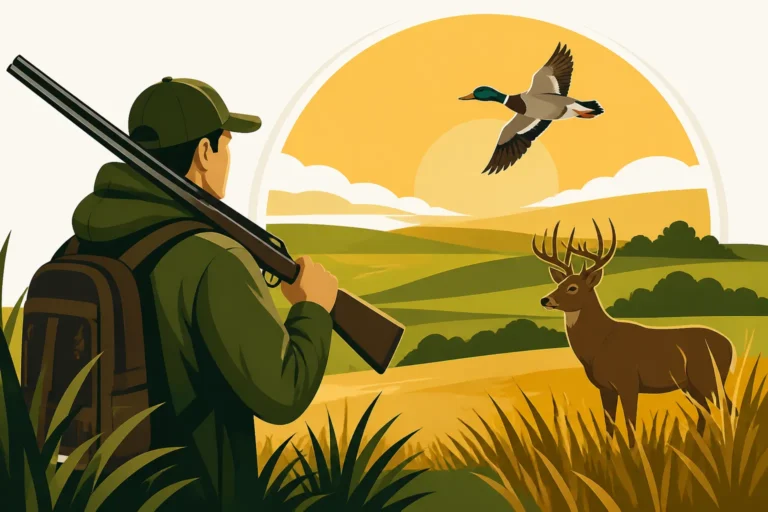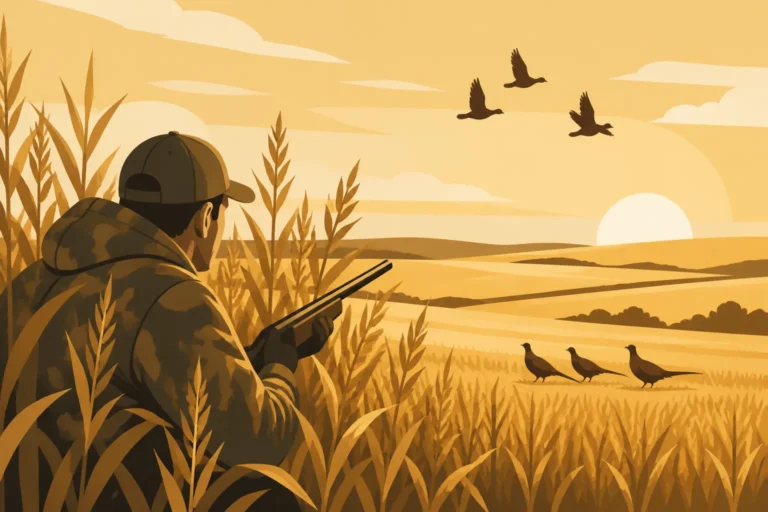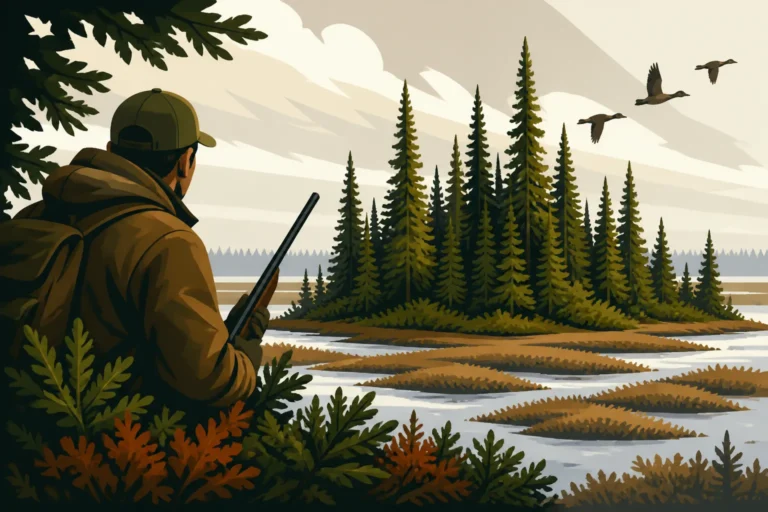
Saskatchewan Zones a First-Timer Should Try
Stepping into the vast hunting landscape of Saskatchewan for the very first time can feel a bit like staring at an enormous, exciting but utterly bewildering map. With so many wildlife management zones (WMZs) and diverse habitats, it’s easy for a new hunter, or even one new to the province, to feel overwhelmed trying to pick the "right" spot. This guide is here to cut through that confusion, helping you understand which zones offer the best balance of accessibility, opportunity, and a positive experience for your inaugural Saskatchewan hunt.
Understanding Saskatchewan's Wildlife Management Zones (WMZs)
Before you even think about packing your gear, it's absolutely crucial to grasp what Wildlife Management Zones (WMZs) are and why they are the cornerstone of hunting in Saskatchewan. Imagine the entire province sliced up like a giant pie, with each piece having its own unique set of rules, seasons, and game populations. That's essentially what WMZs are.
Each WMZ isn't just a line on a map; it's a carefully managed area where hunting regulations are tailored to the specific wildlife populations, habitat, and human activity within its boundaries. What you can hunt, when you can hunt it, and even the type of weapon you can use can vary dramatically from one WMZ to the next. For a first-timer, this can be a blessing and a curse. It's a blessing because it allows for focused hunting opportunities, but a curse because misunderstanding these boundaries can lead to big headaches, or worse, legal trouble. You absolutely need to know which zone you're in, and what the rules are for that specific zone, before you ever step foot into the field. This detailed approach ensures sustainable hunting and helps manage wildlife populations effectively across the province.
Why WMZs Matter for New Hunters
For someone new to Saskatchewan hunting, the WMZ system might seem like an extra layer of complexity, but it’s truly your roadmap to success and legality. Your hunting licence and any draw tags you might possess are specifically tied to certain WMZs or groups of zones. This means if you drew a tag for Zone 35, you can't just head off to Zone 50 and expect it to be valid. Ignoring these distinctions can invalidate your hunt entirely.
Beyond the legalities, WMZs dictate the type of hunting experience you'll have. Some zones are open for certain species during specific dates, while others might be draw-only, or have very different season structures. For instance, an early archery season might be open in one zone, while rifle season won't open for weeks. Understanding these nuances helps you choose a zone that aligns with your desired species, hunting method, and the time of year you plan to hunt. It's about setting realistic expectations and ensuring you're compliant with all regulations. Without this fundamental understanding, you're essentially walking into a hunting trip blindfolded, and that's not a recipe for a memorable, successful, or legal hunt. This foundational knowledge is essential for a safe and rewarding experience, especially when navigating the various Saskatchewan Big Game Season Dates.
Navigating Maps and Digital Tools
In today's world, understanding WMZ boundaries is made significantly easier by digital mapping tools, though a good old paper map still has its place as a backup. The first step is always to acquire an up-to-date provincial hunting map or consult the official hunting guide, which clearly outlines all the WMZ boundaries. These resources are indispensable and should be your primary reference.
However, for real-time navigation and planning, digital apps have become game-changers. Platforms like onX Hunt or GoHunt provide incredibly detailed overlays of WMZ boundaries right on your phone or GPS device. This means you can see exactly which zone you're in, what the adjacent zones are, and even identify land ownership (Crown land versus private land). Using these apps, you can scout potential hunting areas from home, identifying natural funnels, cover, and access points within your chosen WMZ. Before you head out, download offline maps, as cell service can be spotty, especially in more remote zones. Learning how to effectively read and interpret these digital maps, including layering information like topographical features and satellite imagery, will significantly enhance your preparedness and safety in the field. Think of it as having a digital guide in your pocket, constantly reminding you of your location and the rules that apply there. For a deep dive into map interpretation, check out Reading a Saskatchewan WMZ Map Before You Go.
Characteristics of First-Timer Friendly Zones
When you’re new to hunting in Saskatchewan, you're probably not looking for the most rugged, remote, or challenging hunt the province has to offer. Instead, you're likely seeking a balance of good opportunity, relative ease of access, and a less intimidating environment. The "best" zone for a first-timer isn't necessarily the one with the biggest bucks, but rather the one that provides a solid, positive experience, increases your chances of seeing game, and minimizes potential headaches.
These zones typically have a few key characteristics in common. They tend to be more accessible by common vehicles, meaning fewer treacherous logging roads or deep bush tracks. They often have a healthy population of common game species, providing more opportunities for encounters. And critically, they might experience slightly less hunting pressure than the highly sought-after trophy zones, allowing for a more relaxed and enjoyable introduction to Saskatchewan hunting. It's all about building confidence and familiarizing yourself with the landscape and regulations without being immediately thrown into the deep end.
Accessibility and Infrastructure
One of the most significant factors for a first-timer is how easy it is to actually get to and navigate within a chosen WMZ. Remote, far northern zones might offer incredible wilderness experiences, but they often require specialized vehicles, extensive backcountry knowledge, and a higher level of self-sufficiency – not ideal for a first hunt.
First-timer friendly zones often feature a good network of paved highways, gravel grid roads, and well-maintained secondary trails. This means you can usually access prime hunting areas without needing a heavy-duty 4×4, quad, or side-by-side just to get started. While a 4×4 pickup is always recommended for hunting in Saskatchewan, especially as conditions can change rapidly, you won't be immediately faced with impassable swamps or deeply rutted tracks that swallow vehicles whole. These zones also tend to be closer to towns and services, providing easier access to fuel, groceries, and perhaps even emergency services if something unexpected arises. It's reassuring to know that you're not days away from civilization if you run into vehicle trouble or need supplies. Proximity to amenities like these reduces stress and allows you to focus more on the hunt itself rather than the logistics of survival.
Species Diversity and Population Density
For a first-time hunter, having a decent chance of seeing game is incredibly motivating. Zones that boast a good population density of common species, like white-tailed deer, and perhaps offer opportunities for other game birds or small game, are excellent choices. You might not be after a record book animal on your first outing, but seeing deer, even does or smaller bucks, builds excitement and confidence.
Certain WMZs in Saskatchewan are renowned for their healthy white-tailed deer populations, often due to a favourable mix of agricultural lands providing food and bush or parkland offering cover. These areas tend to concentrate animals, increasing your odds of encountering them. Some of these zones might also offer opportunities for other species, such as moose (especially in the parkland transition zones) or various upland birds like sharp-tailed grouse or Hungarian partridge. This diversity means that even if your primary target isn't cooperating, you might have other options to explore, keeping the hunt dynamic and engaging. It’s about maximizing your overall experience, not just focusing on one specific animal. Knowing where the game is prevalent is half the battle; the other half is understanding how to ethically pursue them.
Lower Hunting Pressure
Few things can dampen a new hunter's enthusiasm faster than showing up to a prime spot only to find half a dozen other trucks already parked there. High hunting pressure can make game skittish, force them into dense cover, and generally make for a less enjoyable, more competitive experience. While truly "unpressured" zones are rare, especially for popular species, some WMZs do see less concentrated hunter activity.
These zones might be slightly less famous for "trophy" animals, or perhaps they require a bit more legwork to access quality habitat. But for a first-timer, the trade-off is often worth it. Less pressure means deer are more likely to move naturally, allowing you more time to observe, learn their patterns, and make a thoughtful decision. It reduces the feeling of being in a race or competing for a spot. Finding these quieter pockets often involves using your digital maps (like onX Hunt) to identify public land that isn't immediately adjacent to a major road, or spending time to knock on doors and Getting Private Land Permission in Saskatchewan. A less crowded environment fosters a more peaceful and reflective hunting experience, which is invaluable for a beginner.
Recommended Zones for Your First Saskatchewan Hunt
Now that we've established what makes a WMZ friendly for a first-timer, let's look at some general regions in Saskatchewan that often fit the bill. Keep in mind that specific zone numbers can change and regulations are updated annually, so always consult the latest official hunting guide for precise details. The goal here is to point you towards types of terrain and habitat that tend to offer a good blend of opportunity and accessibility for a positive initial experience.
These recommendations focus on areas that are generally known for stable game populations, a mix of public and private land opportunities, and manageable access. They won't necessarily be the zones famous for producing record-book animals every year, but they will give you a solid chance to see game, learn the ropes, and build your confidence without the intense pressure or logistical challenges of more remote regions.
The Parkland Transition Zones
The aspen parkland region, stretching across much of central Saskatchewan, is often considered a sweet spot for new hunters. These zones are characterized by a mosaic of agricultural fields, trembling aspen bluffs, willow clumps, and interspersed sloughs. It's a land of plenty, providing ample food, water, and cover for a variety of game.
This ecosystem is particularly excellent for white-tailed deer, which thrive on the rich forage provided by crops and the protection offered by the bluffs and thickets. The deer here are generally numerous, and while monster bucks aren't in every bluff, there's a good chance of encountering mature animals. What makes these areas particularly first-timer friendly is the relative ease of access. Grid roads often run through these zones, allowing you to cover ground and spot potential hunting areas. You'll find a mix of private land where permission is key, and accessible pockets of Crown land or Saskatchewan's Fish and Wildlife Development Fund Lands. Hunting Saskatchewan's Aspen Parkland offers a dynamic experience, combining field edges, bush hunting, and the possibility of seeing other species like moose or even elk in certain areas. The distinct blend of open and treed country makes for varied hunting scenarios, keeping things interesting for a new hunter.
Certain Southern Farmland Zones
While the far southern prairie might seem wide-open, many WMZs in the agricultural belt offer fantastic opportunities, especially for white-tailed deer and game birds. These areas are characterized by vast crop fields (wheat, canola, lentils, peas) interspersed with shelterbelts, coulees, river breaks, and small patches of bush.
Hunting here often involves glassing field edges at dawn and dusk, identifying where deer are feeding or travelling between cover. Access is often excellent due to the extensive road network. For a first-timer, securing landowner permission is paramount here, as most of the land is privately owned. However, many landowners are receptive to respectful hunters, especially those willing to help manage deer populations that can impact crops. The thrill of spotting a whitetail buck emerge from a bluffy coulee onto a stubble field is a classic Saskatchewan experience. These zones also often hold healthy populations of sharp-tailed grouse and Hungarian partridge, offering the chance for a mixed bag hunt. Hunting Whitetails on Saskatchewan Farmland can be a rewarding experience, teaching you valuable skills in spotting, stalking, and understanding how game uses agricultural landscapes.
Specific Forest Fringe Zones
For the slightly more adventurous first-timer who dreams of bigger woods and potentially bigger game, some of the WMZs in the forest fringe can be an excellent choice. This is where the aspen parkland gives way to the more dense boreal forest, typically found in the central-northern parts of the province. Here, you'll find larger tracts of continuous bush, often interspersed with smaller agricultural clearings, wetlands, and old logging roads.
These zones are prime habitat for white-tailed deer, often producing larger-bodied animals due to the colder climate and ample feed. They also hold good numbers of moose and black bear. The challenge here is the denser cover, which requires different hunting tactics, like still-hunting, tracking, or hunting specific funnels. However, many parts of the forest fringe still offer reasonable access via well-used gravel roads and cutlines, especially compared to the deep boreal. Public land is generally more abundant here, although quality hunting often means getting away from main access points. For someone ready to step up their game but still wants manageable terrain, Hunting Saskatchewan's Forest Fringe provides an exciting opportunity to pursue a wider variety of big game in a more traditional "bush" setting, while still having some familiar comforts nearby.
Planning Your First Trip for Success
Alright, you've got a handle on the zones. Now, how do you turn that knowledge into a successful and enjoyable first hunt in Saskatchewan? Planning is everything, especially when you're new to a province's hunting regulations and terrain. It's not just about showing up with a rifle; it's about preparation, respect, and safety. A well-planned trip dramatically increases your chances of success and, more importantly, ensures a positive and safe experience in the field.
From understanding the bureaucratic steps of getting your licence to the practicalities of scouting and gear, every detail matters. Don't underestimate the unique challenges and rewards that Saskatchewan offers. By taking the time to prepare thoroughly, you'll be well on your way to a memorable hunt that might just spark a lifelong passion for what this incredible province has to offer.
Getting Your Licences and Permits in Order
This is the non-negotiable first step for any hunter in Saskatchewan. Before you even look at hunting regulations, you'll need to create a Saskatchewan Hunting, Angling and Trapping Licence (HAL) account. This online system is where you'll purchase all your licences, apply for draws, and manage your hunter profile. It's relatively straightforward, but make sure all your personal information, especially your hunter education certification, is up to date. You can find more information on Setting Up a Saskatchewan HAL Account.
Next, you'll need to purchase the appropriate licences. For big game, this usually means a Wildlife Habitat Certificate and a specific tag for the species you intend to hunt (e.g., a white-tailed deer licence). Remember, many popular species like antlered moose or elk are typically draw-only, meaning you'll need to apply well in advance and be successful in the draw to get a tag. For migratory birds, you'll also need a federal migratory bird permit in addition to your provincial bird licence. Always double-check the season dates and specific regulations for your chosen WMZ in the current year's hunting guide, as these can change annually. Ignoring these vital steps can lead to severe penalties, so take your time and get it right.
Scouting and Landowner Relations
Once you've picked your WMZ, the real work (and fun!) begins: scouting. For a first-timer, this might be a combination of digital scouting and, if possible, physical visits. Use online tools like onX Hunt or even Google Earth to identify potential public land access points, cover, food sources, and travel corridors within your WMZ. Look for features like bluffs bordering fields, coulees, river systems, or areas where different types of habitat meet. Scouting With Satellite Imagery in Saskatchewan can give you an invaluable head start.
If you're hunting private land, building good landowner relations is paramount. This means physically knocking on doors, introducing yourself, and politely asking for permission. Always do this well in advance of the season, ideally outside of busy farming times. Be respectful, offer to share meat, and provide your contact information. Remember, getting permission is a privilege, not a right. Never trespass. If you get permission, respect the landowner's wishes regarding where you can hunt, vehicle use, and gates. A positive relationship can open doors for future hunts and is a testament to ethical hunting practices. For comprehensive advice, consult Getting Private Land Permission in Saskatchewan.
Essential Gear and Safety Considerations
Saskatchewan weather can be notoriously unpredictable, especially during the fall and winter hunting seasons. A warm, sunny day can turn into a blizzard overnight. Therefore, proper gear is not just about comfort; it's about safety. For a big game hunt, this includes quality layered clothing suitable for cold and wet conditions, waterproof boots, a good hat, gloves, and blaze orange outerwear as required by law. Always carry a reliable map and compass, or a fully charged GPS/smartphone with offline maps (and a power bank!), and know how to use them.
Beyond personal gear, a basic survival kit is a must: fire starter, headlamp, first-aid kit, extra food and water, knife, and rope. If you're venturing even slightly off grid roads, a shovel, tow strap, and basic vehicle recovery gear are wise additions – a Winter Truck Kit for a Saskatchewan Hunt is vital. Always tell someone where you're going and when you expect to return. Be proficient with your firearm or bow, and adhere strictly to all firearm safety rules. Understand the limits of your equipment and your own shooting ability, and only take ethical shots. Knowing how to properly field dress and care for your game meat, especially in changing temperatures, is also a crucial skill. Prioritize safety above all else, ensuring a rewarding and responsible hunting experience.
| WMZ Type | Typical Terrain | Primary Species | Accessibility for First-Timers | Hunting Pressure (General) | Notes |
|---|---|---|---|---|---|
| Aspen Parkland | Mix of crop fields, aspen bluffs, sloughs | Whitetail, Moose, Birds | Good (grid roads, some trails) | Moderate | Excellent for diverse hunting, good public/private mix. |
| Southern Farmland | Large crop fields, shelterbelts, coulees | Whitetail, Birds | Very Good (extensive road net) | Moderate to High (perm.) | Mostly private land, permission essential. Good field hunting. |
| Forest Fringe | Dense boreal forest, small clearings, wetlands | Whitetail, Moose, Bear | Moderate (gravel roads, cutlines) | Moderate | More "bush" hunting, good for those wanting larger game experience. |
| Deep Boreal/North | Vast forest, muskeg, lakes, few roads | Moose, Bear, Wolves | Difficult (requires 4×4, boat, plane) | Low | Best for experienced wilderness hunters, not recommended for first-timers. |
Disclaimer
This article is for general informational purposes only and does not constitute professional advice. Laws, prices and regulations vary by location and change over time. Consult a qualified professional for guidance on your specific situation.