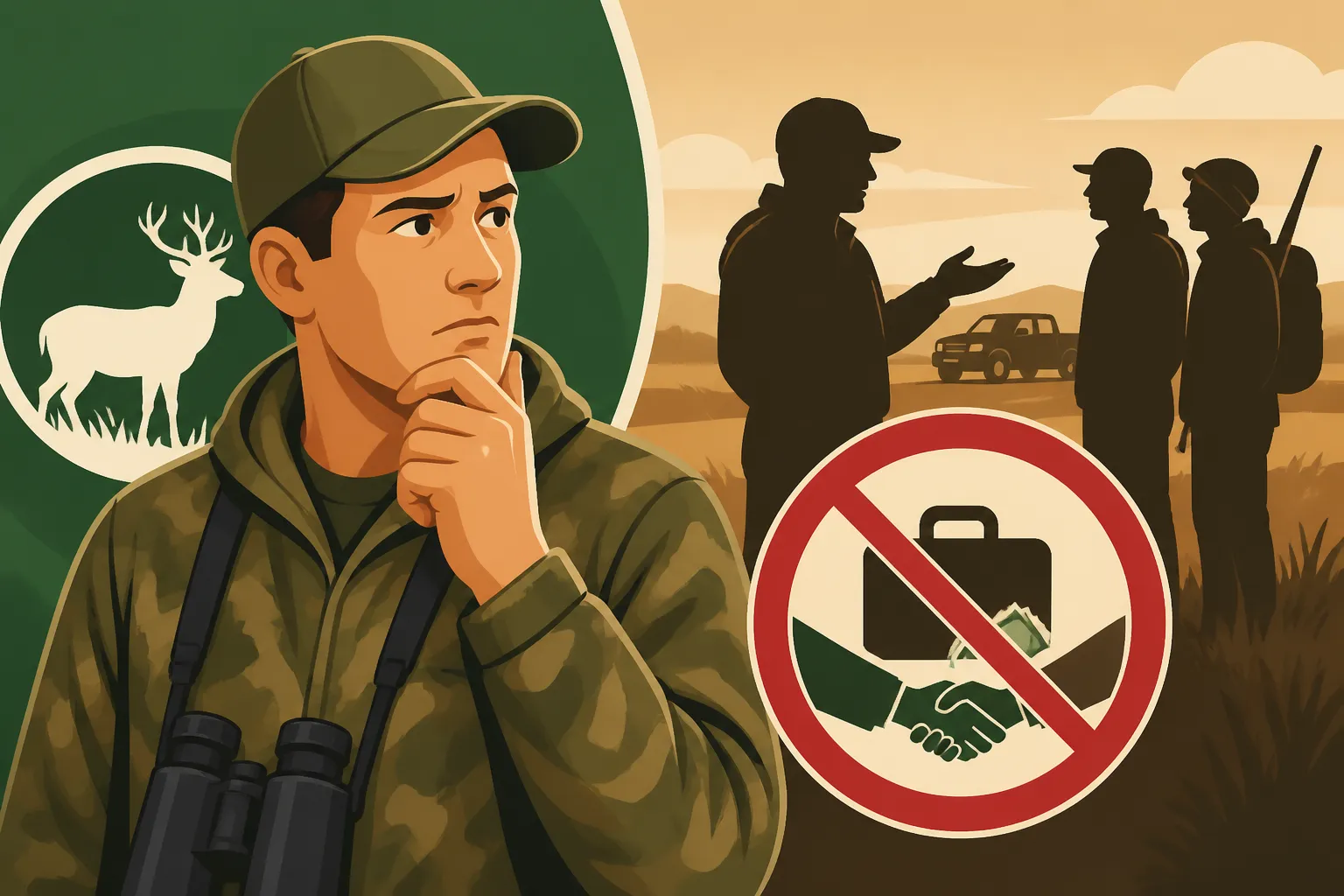
What to Do If You Suspect Illegal Outfitting
It’s a truly disheartening experience when you’re eagerly planning a Saskatchewan hunting adventure, only to stumble upon an offer that feels too good to be true, or worse, find yourself in a situation where you suspect the operation you're dealing with isn't quite above board. The dream of a pristine hunt can quickly turn sour if you encounter illegal outfitting. This guide is here to walk you through exactly what illegal outfitting looks like in our province, how to spot the warning signs, and most importantly, what steps you can take to protect yourself and ensure the integrity of hunting for everyone.
The Ugly Reality of Illegal Outfitting in Saskatchewan
Illegal outfitting isn't just about someone cutting corners; it's a serious issue that undermines legitimate businesses, endangers wildlife management efforts, and frankly, puts hunters at risk. It’s a shadow economy that preys on unsuspecting individuals, often promising things that simply cannot be delivered legally.
What Constitutes Illegal Outfitting?
At its core, illegal outfitting in Saskatchewan means someone is providing guiding services for hunting without the proper licenses or allocations. This could manifest in several ways. Perhaps they’re not registered with the province as an outfitter at all, or they might be operating outside the specific zones or species allocations they do have. Sometimes, it's non-residents guiding other non-residents without having gone through a licensed outfitter, which is a strict requirement here. You might also see situations where an individual is hunting on private land without explicit landowner permission, or even on Crown land in ways that violate specific access rules. Any operation that circumvents the established legal framework for commercial hunting services falls under this umbrella, and it’s a big deal here in Saskatchewan. It compromises everything we work hard to protect. You can learn more about the formal requirements by looking into Saskatchewan Outfitter Licensing and Allocations.
For instance, imagine you've booked a spring bear hunt. You arrive, and the "guide" tells you that your tags will be sorted out once you're in camp, or maybe they suggest a "cash-only" payment with no official receipt. These are immediate red flags. A legitimate outfitter will have all your licensing, tags, and hunting zone details squared away well in advance, and they'll always be transparent about the financial side of things. They operate within a system that ensures fair chase, proper wildlife management, and a safe experience for their clients. Anything less is not only illegal but also puts you, the hunter, in a precarious legal position.
Why Does Illegal Outfitting Harm Everyone?
The repercussions of illegal outfitting stretch far beyond a single bad hunt. First, and perhaps most immediately, it erodes the reputation of Saskatchewan as a world-class hunting destination. When hunters have negative experiences or get caught up in legal trouble due to an unlicensed operation, that news travels fast. This can deter future visitors, which directly impacts the hard-working, ethical outfitters who invest heavily in their businesses, their communities, and the wildlife resource.
Beyond reputation, there are serious conservation implications. Legal outfitters operate within strict allocations for tags and specific hunting zones, which are carefully managed by the province to ensure sustainable wildlife populations. Illegal operators disregard these limits, potentially leading to overharvesting in certain areas, putting undue pressure on game populations, and making it harder for wildlife managers to do their job effectively. It’s a direct threat to the very animals we cherish and seek to hunt. Furthermore, it creates unfair competition for licensed outfitters, who pay significant fees, adhere to strict regulations, and contribute to the local economy. They are doing everything by the book, and these rogue operators undercut them, often offering unrealistically low prices because they aren't shouldering the same costs or responsibilities. This is why it’s so important to be aware of Penalties for a Hunting Violation and how such acts impact more than just one individual.
Red Flags: How to Spot a Shady Operation
Nobody wants to be taken advantage of, especially when you're spending your hard-earned money and precious vacation time on a hunting trip. Being able to identify the warning signs early on can save you a world of trouble and ensure you have a positive, legal hunting experience.
Warning Signs Before You Book
Before you even step foot in Saskatchewan, there are often subtle (or not-so-subtle) clues that an outfitter might not be legitimate. One of the biggest red flags is a lack of transparency. If an outfitter's website is sparse on details, doesn't list their official outfitter license number, or avoids clear answers about where exactly you'll be hunting, that should make you pause. Legitimate outfitters are proud of their operation and eager to share their credentials. They'll have a professional presence, detailed booking contracts, and clear communication about what's included and what's not. Platforms like BookYourHunt and GoHunt are designed to help you connect with vetted, legitimate outfitters precisely to avoid these kinds of issues.
Another huge warning sign is an unbelievably low price. While everyone loves a good deal, a price that is significantly lower than the market average for a similar hunt should trigger your internal alarm bells. Running a quality outfitting business is expensive, with costs for leases, equipment, staff, insurance, and licensing. If an operator is drastically undercutting everyone else, they might be doing so by skipping essential legal or safety requirements. Be wary of "cash-only" deals or requests for payment through unconventional methods that don't offer any buyer protection. A reputable outfitter will have clear payment terms, typically involving a deposit and final payment, with official invoices. Finally, always ask for references and take the time to contact them. If an outfitter is hesitant to provide references, or the references seem vague or hard to reach, consider that a major red flag. Always consult reputable resources like Choosing the Right Saskatchewan Outfitter to guide your decision-making.
Red Flags Once You're on the Ground
Even if everything seems okay during the booking process, once you're on the ground, new red flags can emerge. Pay close attention to how your guide operates. Are they making vague statements about hunting areas, or do they seem unsure about specific regulations? A legitimate guide will be intimately familiar with the hunting zones, landowner boundaries, and all provincial and federal regulations, including tag validation rules and evidence of sex requirements. If you're hunting without proper tags or the guide instructs you to hunt in areas that appear to be posted private land without clear, documented permission, that's a serious problem. Remember, as the hunter, you are ultimately responsible for ensuring you are hunting legally.
Another concerning sign is a disregard for safety protocols or ethical hunting practices. This could include unsafe firearm handling, hunting outside legal shooting hours, or pressuring you to take shots that feel unethical or unsafe. A professional outfitter and guide prioritizes safety and ethical conduct above all else. If you notice a general sense of panic, secrecy, or a reluctance to provide direct answers about permits or land access, trust your gut. For example, if your guide doesn't have a specific plan for retrieving game from private land in Saskatchewan if an animal runs onto it, or seems to be actively avoiding other hunters, these could indicate they're operating in a grey area. They should know the rules for Retrieving Game From Private Land in Saskatchewan cold. These on-the-ground behaviors are often the most telling indicators of an illegitimate operation.
What to Do When You Suspect Illegal Activity
Discovering or suspecting illegal outfitting can be an uncomfortable and even intimidating situation. Your first priority should always be your personal safety, but it's also crucial to know how to respond to protect yourself legally and help maintain the integrity of hunting in Saskatchewan.
Prioritize Your Safety and Document Everything
If you find yourself in a situation where you suspect illegal outfitting, your immediate safety is paramount. Do not confront the suspected illegal operator directly, especially if you feel there might be any risk of aggression or escalation. Your goal is to extract yourself safely and gather information discreetly.
Once you are in a safe position, begin to document everything you can. This is critical for any potential investigation. Make note of:
- Names: Full names of the individuals involved, if you know them.
- Descriptions: Physical descriptions, clothing, any identifying features.
- Vehicle details: License plates, make, model, and color of vehicles involved.
- Location: Specific details about where the activity is taking place (GPS coordinates if possible, nearest road, landmarks, WMZ number).
- Dates and Times: When did you observe the suspicious activity?
- Nature of the activity: What exactly did you see that made you suspicious? (e.g., non-resident guiding without an outfitter, hunting on posted land, no visible tags).
- Photographs or videos: If you can safely and discreetly take pictures or videos, these can be incredibly valuable evidence. Just ensure you are not putting yourself at risk.
- Communication records: Any emails, texts, or booking confirmations that could be relevant.
Remember, the more concrete details you can provide, the more effective law enforcement and wildlife officials can be. This documentation acts as your evidence and supports your report, and it helps the authorities understand How to Recognise an Illegal Guide.
Reporting the Incident
Once you have safely gathered your information, the next crucial step is to report the suspected illegal activity to the proper authorities. In Saskatchewan, the primary contact for reporting poaching and other wildlife violations, including illegal outfitting, is the Saskatchewan Turn In Poachers (TIP) line.
You can reach them via:
- Phone: They have a dedicated toll-free number. Look for the current number on the provincial government's environment or fish and wildlife services website.
- Online Reporting: Many provinces also offer an online form where you can submit details.
When you call the TIP line or fill out an online report, be prepared to provide all the documentation and details you collected. Be factual and clear, sticking to what you observed. You can often report anonymously if you prefer, but providing contact information (which will be kept confidential) can be helpful if investigators need further clarification. The authorities will then use your information to investigate the lead. It's a vital service for conservation and fair hunting. Learning about Saskatchewan's Turn In Poachers Line is essential for every responsible hunter.
Protecting Yourself: Due Diligence is Key
The best defense against illegal outfitting is proactive due diligence. Taking the time to research, verify, and ask the right questions upfront can save you from a world of headaches and ensure your hunting trip is a positive experience.
Verifying an Outfitter's Credentials
Before you commit to any booking, thoroughly verify the outfitter's credentials. In Saskatchewan, every licensed outfitter operates under specific allocations for species and Wildlife Management Zones (WMZs). They also carry a provincial outfitter license. You should never feel shy about asking for proof of these licenses and allocations. A reputable outfitter will readily provide their license number and details about their operating zones.
You can often cross-reference this information with the provincial Ministry of Environment or the Saskatchewan Outfitters Association. They maintain lists of licensed operators and can often confirm if an outfitter is legitimate and operating within their legal parameters. Think of it like checking a contractor's license before a home renovation – it's just smart practice. Also, ask for a detailed contract that clearly outlines all services, dates, costs, cancellation policies, and what happens in unforeseen circumstances. This contract protects both you and the outfitter. Understanding Saskatchewan Hunting Licences and What They Cost is part of this due diligence. Remember, non-residents, in particular, have strict requirements and Why Non-Residents Must Book an Outfitter is a key regulation.
Here's a quick checklist of things to verify:
| Item | What to Look For | Why It Matters |
|---|---|---|
| Provincial Outfitter License | A current, valid license number. | Legal authorization to operate. |
| Species & Zone Allocations | Specific documentation of what species and WMZs they can guide in. | Ensures they are operating within their legal limits and tag availability. |
| Insurance Coverage | Proof of adequate liability insurance. | Protects you and the outfitter in case of accidents or unforeseen events. |
| Written Contract | Detailed agreement outlining services, costs, and terms. | Legal protection and clear understanding for both parties. |
| References | Recent clients you can contact independently. | Provides insights into actual hunting experiences and the outfitter's reputation. |
| Reputable Platforms | Listing on platforms like BookYourHunt or GoHunt. | These platforms often pre-vet outfitters for legitimacy. |
Asking the Right Questions
Don't be afraid to ask a lot of questions before you book. A good outfitter expects and welcomes them. Here are some key questions to consider, going beyond the basic price and dates:
- "Can you provide your provincial outfitter license number and details of your species and zone allocations?" This is a fundamental question that should be answered without hesitation.
- "What is your typical client-to-guide ratio?" This helps you understand how much personalized attention you'll receive.
- "What are your typical success rates for this specific hunt, and what do those rates mean (e.g., opportunity vs. harvest)?" Be realistic about success rates and ask for clarity.
- "What is your policy on wounded game?" Understand their approach to tracking and recovery.
- "How do you handle meat processing and trophy preparation after the hunt?" Knowing the logistics upfront is crucial, especially for border crossings. You might want to know about Transporting Game Meat in Saskatchewan or Taking Meat and Antlers Across the Border.
- "What kind of accommodations and food are provided?" Details matter for comfort during your trip.
- "What are the emergency protocols in place at your camp/hunting area?" Safety is always first, especially in remote areas.
- "What specific gear do you recommend I bring for this hunt, considering the time of year?" A knowledgeable guide will have detailed advice.
- "Can you provide contact information for past clients I can speak with?" Always follow up on these references.
- "What happens if I need to cancel or if you have to cancel the hunt due to unforeseen circumstances (e.g., weather, health issues)?" Understand their cancellation and refund policies.
By asking these detailed questions, you not only gather vital information but also get a feel for the outfitter's professionalism and transparency. This is part of the groundwork for Planning a Saskatchewan Hunting Trip and critical for a good experience. Taking this proactive approach ensures you're booking with a reputable operator, setting yourself up for a memorable and legal Saskatchewan hunting adventure.
Disclaimer
This article is for general informational purposes only and does not constitute professional advice. Laws, prices and regulations vary by location and change over time. Consult a qualified professional for guidance on your specific situation.