What Tags and Licences Add to the Bill
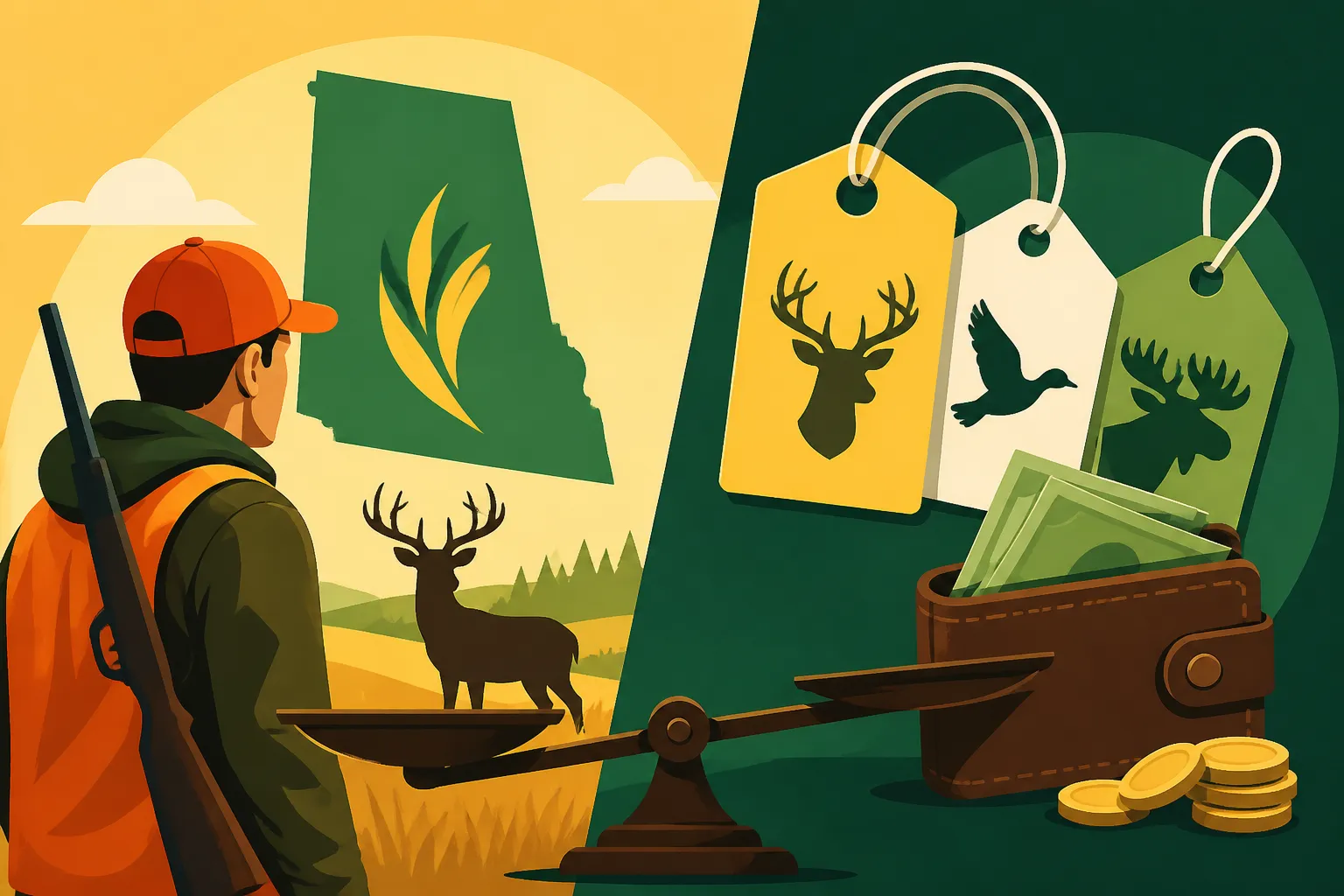
Hunting in Saskatchewan offers incredible opportunities, but for many, one of the biggest initial frustrations isn't the cold or the long drives – it's trying to figure out the actual total cost of the hunt, especially when it comes to tags and licenses. It's easy to budget for gas, groceries, and gear, but those official permits and validations can add a surprising chunk to your bill, sometimes catching even seasoned hunters off guard. This guide will meticulously break down the various tags and licenses required in Saskatchewan, explaining what they are, why they're necessary, and how they contribute to your overall hunting expenses, helping you plan your next adventure with full financial clarity.
Understanding Saskatchewan's Licensing System
Before you even think about chasing a big whitetail or calling in a bull moose, you need to understand the fundamental building blocks of hunting eligibility in Saskatchewan. It's not just a single license; it's a system designed to manage wildlife populations and ensure responsible hunting.
The Foundation: Your HAL Account and Wildlife Habitat Certificate
Every hunter in Saskatchewan, whether resident or non-resident, starts with the same mandatory first step: creating a Hunter and Angler Licence (HAL) account. Think of it as your personal hunting identity card in the province. Without it, you can't purchase any licenses or apply for draws. The HAL account itself is free to set up online, but it's the gateway to everything else.
Once your HAL account is established, the very next foundational cost you'll encounter is the Wildlife Habitat Certificate. This isn't a hunting license for a specific animal, but rather an annual permit that supports crucial wildlife habitat conservation efforts across the province. Every hunter purchasing a license must also purchase this certificate. It’s a small, mandatory fee that goes directly back into maintaining the wild spaces we all love to hunt, from securing public access to managing vital ecosystems. While it might seem like just another small charge, it's a critical component of the province's conservation funding model and an essential part of your hunting budget. What the Wildlife Habitat Certificate Costs provides more detail on this important fee.
Resident vs. Non-Resident Costs
Here's where the costs start to diverge significantly, and it’s often a point of frustration for our friends from outside the province. Saskatchewan's hunting regulations are designed to prioritize resident hunters, and this is reflected directly in the pricing and accessibility of licenses. For residents, many general tags are more affordable and, in some cases, available over-the-counter after specific draw periods.
Non-residents, on the other hand, face significantly higher fees for most big game tags. This isn't just a slight increase; it's often a multiple of what a resident would pay. Furthermore, if you're a non-resident wanting to hunt big game like deer, moose, or elk, you are legally required to book your hunt through a licensed Saskatchewan outfitter. This means your big game tag cost is almost always bundled into a larger outfitter package, adding a substantial premium to your overall bill. While you'll still technically be paying for the license itself, the outfitter handles the procurement, and its actual cost is absorbed into the broader experience. Why Non-Residents Must Book an Outfitter details the regulations surrounding this requirement.
Breaking Down Big Game Tag Costs
Big game tags represent the largest portion of your license-related expenses, and they vary widely depending on the species and whether you're a resident or non-resident. Understanding these nuances is key to accurate budgeting.
Whitetail and Mule Deer
White-tailed deer are Saskatchewan's most popular big game animal, and resident tags are generally the most accessible. After the big game draw, any remaining whitetail tags often become available over-the-counter for residents, making them relatively affordable. The cost for a resident whitetail tag, once acquired, is a fraction of what a non-resident would pay.
Mule deer, however, are a different story. For residents, mule deer tags are typically draw-only, meaning you apply in the annual big game draw and hope your priority pool and luck are in your favour. There's an application fee just to enter the draw, and if successful, you then pay for the tag itself. For non-residents, both whitetail and mule deer tags are only available through an outfitter, and the cost will be significantly higher, integrated into your Booking a Saskatchewan Whitetail Hunt or mule deer package. These non-resident tags are specifically allocated to outfitters to manage hunting pressure and provide economic benefit to local guiding operations.
Moose and Elk
If you're dreaming of a Saskatchewan moose or elk hunt, prepare for a more substantial financial commitment, especially if you're a resident relying on the draw. Both moose and elk tags are almost exclusively draw-only for residents, and these draws are highly competitive. The application fee applies, and if you're one of the lucky few to draw, the tag cost will be higher than for deer due to the rarity and trophy potential of these animals. Building up priority points in the draw system can take years, meaning you're paying application fees annually without necessarily getting a tag.
For non-residents, moose and elk hunts are premium experiences. You absolutely must book with a licensed outfitter, and these packages are among the most expensive. The license cost is folded into that large package, reflecting the demand, the intensive guiding services, and the unique opportunity to hunt these majestic creatures. Expect these to be significant line items in your overall trip budget. Saskatchewan Moose Licence Cost and What an Elk Licence Costs offer further insights into these specific expenses.
Black Bear and Pronghorn
Black bear hunting offers a different cost structure. For residents, black bear tags are generally available over-the-counter and are quite affordable. Many hunters purchase them in conjunction with other big game licenses. Non-residents can also hunt black bear, but again, it must be through a licensed outfitter. While still higher than resident fees, a non-resident black bear tag, often part of a Booking a Saskatchewan Black Bear Hunt package, is typically less expensive than a non-resident deer, moose, or elk tag, making it a more accessible big game option for visitors.
Pronghorn, found primarily in Saskatchewan's southwestern prairie, are another draw-only species for residents. Like mule deer, there's an application fee, and if successful, you'll pay for the tag. Pronghorn hunts are unique, often involving spot-and-stalk tactics across vast open landscapes. Non-resident access to pronghorn is also extremely limited and would require booking through a specific outfitter who has allocations for this species. This means a non-resident pronghorn tag would also be part of a premium, guided package.
Game Bird and Other Species License Fees
Big game often gets all the attention, but Saskatchewan is a world-renowned destination for bird hunting, and these pursuits also come with their own set of licensing costs.
Upland Game Birds
If you're keen on walking up sharp-tailed grouse, chasing Hungarian partridge along a shelterbelt, or flushing ruffed grouse from the bush, you'll need a game bird license. For residents, a single annual game bird license covers all species of upland game birds. It's a relatively modest fee, making these hunts very accessible for locals.
Non-residents looking to hunt upland birds will also need a specific non-resident game bird license. These licenses are typically offered in terms of days, such as a five-day license, and they are more expensive than the resident equivalent. While non-residents no longer require an outfitter for bird hunting, many still choose to book with one for the scouting, access to private land, and overall guided experience, particularly for waterfowl. Saskatchewan Upland Bird Seasons provides more context on these seasons.
Migratory Game Birds
This is where things get a little more complex, as migratory game bird hunting falls under both provincial and federal regulations. If you're planning to hunt ducks, geese, or sandhill cranes in Saskatchewan, you'll need the provincial game bird license (resident or non-resident, as described above), but you also need two additional federal permits.
First, there's the Federal Migratory Game Bird Permit. This is a federal permit required across Canada for anyone hunting migratory birds. It's a standard fee that goes towards federal conservation efforts. Second, and often overlooked, is the Canadian Wildlife Habitat Conservation Stamp. This stamp is purchased concurrently with your federal permit and also contributes to critical habitat projects. Both of these federal requirements add to the total bill for anyone targeting ducks, geese, or cranes, regardless of resident status. For non-residents, especially those coming for Waterfowl Hunting Saskatchewan's Grain Fields, these federal permits are an essential, easily forgotten cost.
Predator and Furbearer Licenses
Saskatchewan also offers hunting opportunities for predators like coyotes and wolves, and trapping for furbearers. The licensing for these species can vary. Coyotes are often huntable under a general big game or even a game bird license for residents, though it's always critical to confirm current regulations. Wolves, however, require a specific wolf license, which has its own cost.
Trapping furbearers like beaver, muskrat, or fox requires a separate trapping license, which is distinct from hunting licenses and has its own set of regulations and fees. These licenses are generally aimed at specialized trappers, not the casual hunter, and their costs reflect the training and responsibilities involved. If you're interested in these activities, confirm the specific Trapping and Furbearer Licences required.
Hidden Fees and Unexpected Licence-Related Expenses
Even with the main license and tag costs laid out, there are a few other financial considerations related to permits and fees that can sneak up on you.
Draw Application Fees
For many of Saskatchewan's most sought-after big game animals – mule deer, moose, elk, and pronghorn – obtaining a tag involves entering the annual big game draw. While the tag itself only costs money if you're successful, there's a non-refundable application fee every time you apply. If you're a resident applying for, say, mule deer, elk, and moose in different zones each year, these small application fees can add up over time, especially if it takes several years to draw a coveted tag. This is essentially the cost of participation in the lottery system, and it's an expense even when you don't "win." You can learn more about this in What a Draw Application Costs.
Non-Resident Surcharges and Outfitter Bundles
We've touched on this, but it bears repeating: for non-residents, the true cost of tags and licenses is often obscured within the larger outfitter package. While the outfitter handles the procurement of your specific big game tags, the underlying government fees are significantly higher for non-residents than for residents. An outfitter like those listed on BookYourHunt or GoHunt will quote you an all-inclusive price, but understanding that a substantial portion of that price is dedicated to legally securing your tag and access is crucial for appreciating the value. You rarely see an itemized bill for the tag itself; it's simply part of the service. This can make it feel less transparent, but it's simply how the system functions to allow non-resident big game hunting in Saskatchewan. What a Non-Resident Pays Through an Outfitter details the regulations surrounding this requirement.
Regulatory Changes and Annual Adjustments
Saskatchewan's hunting regulations and associated fees are not static. They can change from year to year based on wildlife management needs, conservation initiatives, and economic factors. What you paid for a license last season might not be the exact price this season. It's absolutely critical to consult the most current Saskatchewan Hunting and Trapping Guide or the official provincial website each year before planning your hunt. Your outfitter will also be well-versed in any changes, but it's always wise to double-check yourself, especially if you're a self-guided resident hunter. Staying informed prevents unwelcome surprises when you go to purchase your licenses.
Summary of Typical License-Related Costs
To give you a clearer picture, here's a general overview of how typical license and tag costs might compare for residents versus non-residents in Saskatchewan. Please remember, these are general indications of cost shape and not specific prices, which can vary year-to-year and by species/zone. Always check current regulations for exact figures.
| Expense Category | Saskatchewan Resident (Typical Cost Shape) | Non-Resident (Typical Cost Shape – often via Outfitter) | Notes |
|---|---|---|---|
| HAL Account Setup | Free | Free | Mandatory for all hunters. |
| Wildlife Habitat Certificate | Low | Low (same as resident) | Annual, mandatory for all hunters purchasing a license. |
| Big Game Draw Application Fee | Very Low (per species) | N/A (Outfitter handles process) | Non-refundable, for species like mule deer, moose, elk, pronghorn. |
| Whitetail Deer Tag | Moderate | High (part of outfitter package) | Often over-the-counter for residents post-draw. |
| Mule Deer Tag | Moderate (if drawn) | Very High (part of outfitter package) | Draw-only for residents. |
| Moose Tag | High (if drawn) | Premium (part of outfitter package) | Highly competitive draw for residents. |
| Elk Tag | High (if drawn) | Premium (part of outfitter package) | Highly competitive draw for residents. |
| Black Bear Tag | Low | Moderate-High (part of outfitter package) | More accessible than other big game for non-residents. |
| Pronghorn Tag | Moderate (if drawn) | Very High (limited outfitter allocations) | Draw-only for residents. |
| Upland Game Bird License | Low | Moderate (often 5-day term) | Covers grouse, partridge, etc. |
| Federal Migratory Bird Permit | Low | Low (same as resident) | Mandatory for ducks, geese, cranes. |
| Habitat Conservation Stamp | Very Low | Very Low (same as resident) | Mandatory with Federal Migratory Bird Permit. |
| Wolf/Coyote License | Low (specific rules apply) | N/A or part of outfitter package | Check specific regulations; may be covered by other licenses or separate. |
| Trapping License | Moderate (specialized) | N/A | For furbearer trapping, separate from hunting. |
As you can see, the path to hunting in Saskatchewan comes with various price tags for licenses and permits, especially when you factor in the distinction between residents and non-residents. Planning ahead and knowing these costs upfront will ensure your focus can remain on the hunt itself, not on unexpected financial surprises.
Disclaimer
This article is for general informational purposes only and does not constitute professional advice. Laws, prices and regulations vary by location and change over time. Consult a qualified professional for guidance on your specific situation.