How Much to Tip a Saskatchewan Guide
Stepping into the world of guided hunts in Saskatchewan is an incredible experience, but it often brings up a question that makes even seasoned hunters a little uncomfortable: how much do you tip your guide? It’s a very real and common point of anxiety for hunters, wondering if they’re doing too little, too much, or misunderstanding the expectations. You want to show your appreciation for their hard work, dedication, and expertise, but the unwritten rules of gratuity can feel like a minefield. This guide is here to demystify the tipping process for Saskatchewan hunting guides, helping you understand the unspoken etiquette and ensure your appreciation is shown appropriately.
Understanding the Guide's Role and Expectations
Before we even talk numbers, it’s vital to truly grasp what a hunting guide in Saskatchewan does, day in and day out, to make your trip a success. It’s far more than just pointing you to an animal or setting up a decoy spread; it's a demanding, often thankless job that starts long before you arrive and continues long after you leave.
What Your Guide Does Behind the Scenes
Think about the hours your guide puts in that you never see. They're out there scouting new areas, monitoring game camera footage, checking fresh sign, and building relationships with landowners for access well before opening day. This isn't a 9-to-5 job; it's a lifestyle driven by a deep understanding of the land and the animals. They're often up before dawn, cooking breakfast or preparing blinds, driving miles on back roads, retrieving game in challenging conditions, packing it out, and then staying up late to ensure gear is ready for the next day. They handle everything from flat tires in the middle of nowhere to unexpected weather shifts, all while ensuring your safety and trying to put you on game. It's physically draining and mentally taxing work. For those researching options, many outfitter profiles on platforms like BookYourHunt provide insights into the dedication guides bring to their craft, which can give you a better appreciation for their role.
Why Tipping is Customary Not Mandatory
It's a common misconception that tips are merely a bonus for exceptional service. In the guiding industry, much like in the restaurant or service industry, tips form a significant portion of a guide's income. Outfitters often pay guides a base wage, but that wage is usually structured with the expectation that gratuities will make up the difference for their long hours and specialized skills. It's an industry standard that's deeply embedded in the culture of hunting camps across Saskatchewan. While it's never mandatory in a legal sense, foregoing a tip for anything less than genuinely poor, unprofessional service can be a serious blow to a guide's livelihood and can certainly affect their morale, and the outfitter's ability to retain good staff.
Tipping Guidelines and Industry Standards
So, what's a reasonable amount? There isn't one universal answer, as it can depend on a variety of factors, but there are definitely accepted ranges that most hunters adhere to. It helps to approach this with a flexible mindset, ready to adjust based on your specific experience.
General Percentage-Based Tipping
The most common way hunters approach tipping is as a percentage of the total hunt cost, excluding licenses and taxes. A good general range for a quality hunting experience with a dedicated guide is 10% to 20% of the hunt package price.
- 10-12%: This would typically be for a satisfactory hunt where the guide was competent and professional, but perhaps nothing truly stood out, or if you had a challenging hunt with no harvest despite the guide's best efforts.
- 15%: This is often considered the standard for a good, solid guiding experience where the guide worked hard, was knowledgeable, and you had a good time, regardless of whether you harvested a trophy.
- 18-20% (or more): This is reserved for truly exceptional service – a guide who went above and beyond, showed incredible dedication, demonstrated superior woodsman skills, made you feel safe and comfortable, and perhaps helped you achieve a once-in-a-lifetime harvest. If you had an unforgettable experience because of your guide's efforts, this range is appropriate.
When considering options on sites like GoHunt, pay close attention to what's included in the base package, as this is the figure you'll typically base your percentage tip on. Remember, this is a guideline, not a hard and fast rule, and the actual dollar amount should reflect your appreciation.
Flat Rate vs. Percentage
While percentage-based tipping is common, some hunters prefer a flat rate, especially for shorter hunts or if the hunt package cost is very high. If you're going the flat-rate route, you need to be careful not to shortchange your guide. For a multi-day big game hunt (like Whitetail Hunting in Saskatchewan or Moose Hunting Saskatchewan's Farmland and Forest), a guide might expect anywhere from $500 to $1500 or more, depending on the duration, intensity, and success of the hunt. For a shorter waterfowl hunt or day trip, a flat rate of $100-$300 per hunter per day might be considered. The key is that the flat rate should still align with what a reasonable percentage would be. Don't pull a number out of thin air; try to calculate what 10-15% of the hunt value would be and use that as your minimum baseline.
Tipping for Non-Hunting Staff
It’s easy to focus all your attention (and tips) on the primary guide, but many Saskatchewan hunting camps rely on a team of dedicated individuals who make your experience comfortable and enjoyable. This can include camp cooks, packers, lodge managers, and skinners. These folks work incredibly hard behind the scenes, ensuring you have warm meals, a clean camp, and your game is cared for. A separate tip for the camp staff is always a thoughtful gesture. Typically, this can be anywhere from $50 to $200 per hunter, given to the camp manager or cook to distribute among the staff, or individually if you have direct, significant interaction with a specific staff member. Don't forget their contribution to your overall experience!
Factors That Influence Your Tip
Deciding on the final amount isn't just about a simple percentage; it's about the entire experience. Several nuances should factor into your decision, reflecting the real effort and dedication your guide put in.
Guide Effort and Attitude
This is perhaps the most important factor, even more so than the actual harvest. A guide who is consistently positive, safe, knowledgeable, communicative, and goes the extra mile—whether it’s tracking a wounded animal for hours in tough conditions, sharing stories around the campfire, or just being genuinely enjoyable company—deserves a more generous tip. Did they teach you something new about Reading Whitetail Sign in Saskatchewan Bluffs or Calling Moose in Saskatchewan's Bush? Did they make you feel comfortable and welcome, even when the hunting was slow? This genuine effort and excellent attitude are priceless and should be rewarded. Conversely, a guide who is disengaged, unsafe, or clearly putting in minimal effort should have their tip adjusted downwards, though outright withholding a tip should be reserved for truly egregious, unprofessional conduct.
Hunting Success or Lack Thereof
This is a tricky one for many hunters. While everyone hopes to fill their tags, hunting isn't a guarantee. A good guide doesn't guarantee an animal; they guarantee effort, knowledge, and opportunity. If your guide busted their tail, put you in prime spots, and did everything humanly possible to help you succeed, but Mother Nature or the animals just didn't cooperate, they still deserve a respectable tip. Their efforts should be recognized, even if you came home empty-handed. However, if the lack of success was due to a guide's clear incompetence, laziness, or poor planning, that would be a reason to reduce the tip significantly. Most outfitters selling Saskatchewan Black Bear Hunt Prices or What a Saskatchewan Guided Whitetail Hunt Costs will emphasize the effort and experience, not a guaranteed harvest.
Camp Experience and Amenities
The overall quality of the lodge, the food, the accommodations, and the general atmosphere also play a role. If the camp staff are fantastic, the food is delicious, and you're comfortable and well-rested, this contributes to a positive overall experience. While you'd typically tip camp staff separately, an exceptional all-around experience reflects well on the entire operation, including the leadership of the head guide or outfitter, and might sway you towards the higher end of the tipping scale for your main guide. If you're wondering What an Outfitter Needs From You Beforehand, often details about dietary needs or physical limitations are covered, helping staff ensure your comfort.
Duration and Type of Hunt
A week-long backcountry Elk Hunting in Saskatchewan trip involving multiple guides, horses, and extensive logistics is inherently more demanding than a three-day whitetail hunt from a heated blind. The longer and more physically intense the hunt, the more wear and tear on the guide and their equipment, and the greater the dedication required. This should certainly be reflected in the tip. Similarly, a multi-species hunt or a hunt that requires specialized skills (like calling in a bull moose or intense spot-and-stalk for mule deer) might also warrant a more generous tip.
How and When to Present Your Tip
The act of tipping itself can sometimes feel awkward. Doing it gracefully and respectfully ensures your appreciation is truly felt.
Cash is King
When it comes to tipping, cash is almost universally preferred by guides and camp staff. It’s immediate, discreet, and allows them to use it as they see fit without waiting for payroll or having deductions taken out. Before you head to Saskatchewan, plan to stop at a bank and withdraw enough cash for your tips. Carrying Canadian currency is best. This avoids any exchange rate issues or processing fees that might come with other payment methods. While some outfitters might offer to add a tip to your final bill, cash is always the best option if possible. Knowing What Is Never Included in a Package often helps you budget for these extra expenses like tips.
Discretion and Presentation
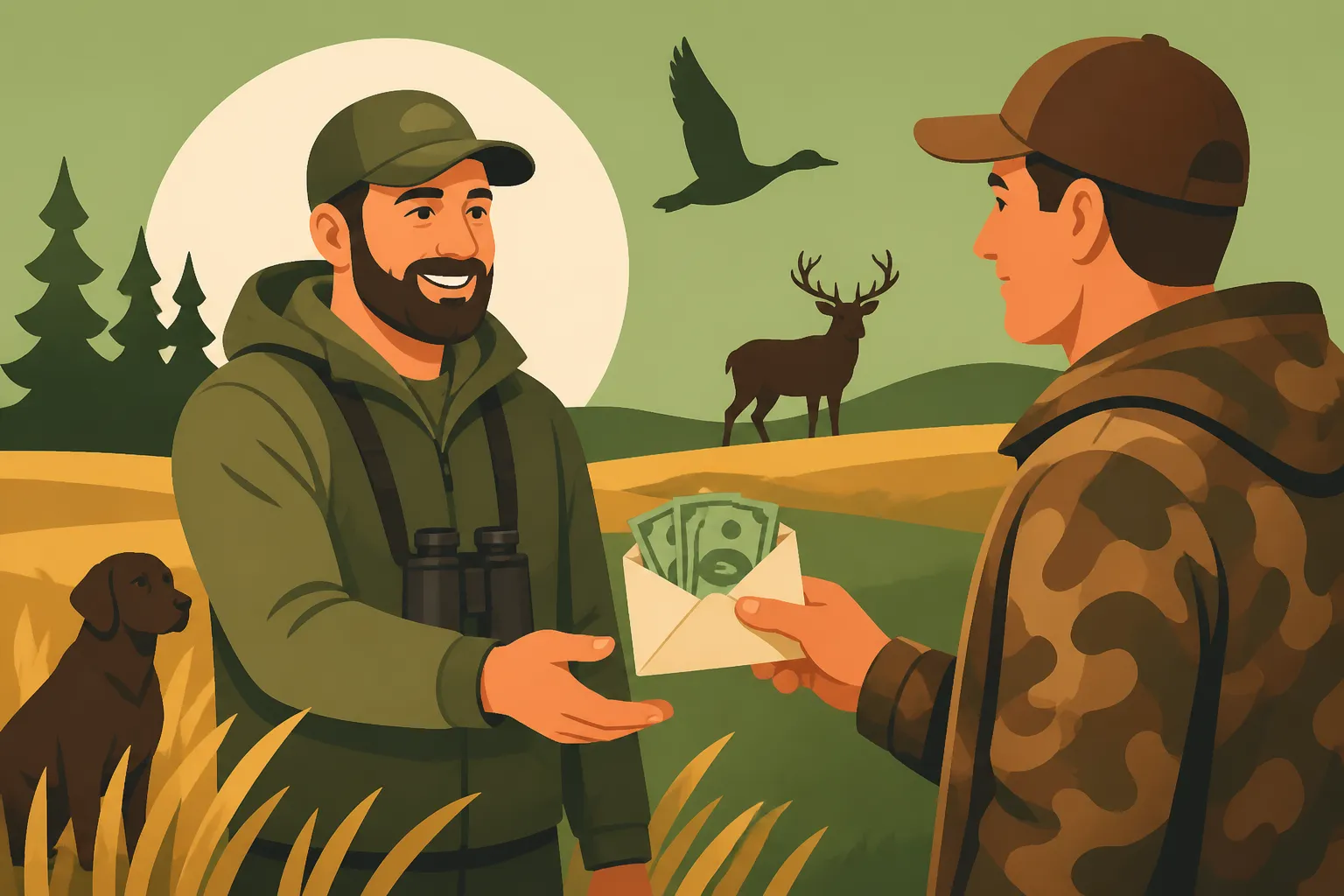
The best way to present a tip is usually privately and directly to the individual, often at the end of the hunt, just before you depart. A handshake with an envelope or folded cash, along with a sincere "Thank you for a great hunt" or "I really appreciate all your hard work," is generally the most professional and respectful approach. Avoid making a grand public gesture, which can be uncomfortable for everyone. A quiet moment where you can express your gratitude personally goes a long way.
Tipping Multiple Guides
If your hunt involved multiple guides—perhaps a lead guide and an assistant, or different guides for different portions of your trip—you have a few options. You can either split your total tip amount equitably among them based on their contribution, or you can tip the head guide the larger portion and trust them to share it appropriately with their team. Sometimes, outfitters will have a "tip jar" for camp staff separate from the main guide. If you're unsure, it's perfectly acceptable to discreetly ask the outfitter or lodge manager for their recommendation on how best to distribute tips among their staff. When planning, review What a Guide Fee Actually Covers and see if it mentions multiple guides.
Common Tipping Mistakes to Avoid
Even with the best intentions, hunters can sometimes make missteps when it comes to tipping. Being aware of these common errors can help you ensure your gratuity is well-received.
Tipping Based Solely on Harvest
As mentioned earlier, judging a guide's performance solely on whether you bagged an animal is a significant mistake. Hunting success depends on so many variables beyond a guide's control—weather, animal movement, your own shooting ability, and sheer luck. A guide's job is to put you in the best possible position and provide the best experience. If they did that, they earned their tip, regardless of whether a trophy was harvested. Focus on their effort, professionalism, safety protocols, and overall dedication. Asking Questions to Ask Before Booking can help clarify the outfitter's philosophy on this.
Forgetting Support Staff
One of the most common oversights is forgetting about the invaluable support staff in camp. The cook, the cleaner, the person who keeps the firewood stocked—they all contribute significantly to your comfort and enjoyment. Neglecting to tip them can be a real morale killer and suggests a lack of appreciation for the entire team effort. Always budget for the whole crew when you’re considering your tipping strategy.
Tipping Too Little (or Nothing)
Unless there was a truly egregious breach of professionalism or safety, tipping far below the industry standard or not at all is a significant faux pas. It can be deeply insulting to a guide who has dedicated their time, expertise, and often personal equipment to your hunt. If you're truly unhappy with the service, it's better to address your concerns directly and professionally with the outfitter or camp manager first, rather than using a drastically reduced tip as your only form of feedback. When you're making your Saskatchewan hunting trip budget, ensure you account for gratuities.
Here’s a helpful table summarizing tipping guidelines for Saskatchewan guided hunts:
| Service Level / Outcome | General Tipping Range (of hunt cost) | Flat Rate Suggestion (per hunter/guide) | Notes |
|---|---|---|---|
| Exceptional Service & Success | 18-25%+ | $1000 – $2500+ (for multi-day big game) | Guide went above and beyond, outstanding effort, deep knowledge, excellent company, put you on a great animal, handled all logistics flawlessly. An unforgettable experience. |
| Excellent Service & Success | 15-18% | $750 – $1500 (for multi-day big game) | Guide was highly professional, worked hard, good opportunities provided, successful harvest. Met or exceeded expectations. |
| Good Service, No Success | 12-15% | $500 – $1000 (for multi-day big game) | Guide was professional, worked hard, safe, and knowledgeable. Unsuccessful hunt due to factors outside guide's control (weather, animal movement, hunter error). Effort was clearly there. |
| Satisfactory Service | 10-12% | $300 – $700 (for multi-day big game) | Guide was competent and professional, but perhaps lacked enthusiasm or didn't provide exceptional moments. Everything was adequate, but nothing stood out. |
| Waterfowl/Day Hunt Guide | N/A (often flat rate) | $100 – $300 per hunter/day | For shorter, less intensive trips. Reflects setup, scouting, calling, dog handling. Adjust for exceptional effort or multiple limits. |
| Camp Staff (Cook, Packer, etc.) | N/A (often flat rate) | $50 – $200 per hunter (for entire trip) | Given to camp manager or head cook for distribution, or directly if interaction warrants. This covers meals, lodge cleanliness, game handling, and overall comfort that makes the hunt possible. This is separate from the guide's tip. For Getting Meat Processed in Saskatchewan, staff who assist with this directly should also be considered if they aren't part of the main guide's role. |
Finalizing your tip amount is a personal decision, but by following these guidelines and focusing on the guide's effort, professionalism, and the overall experience rather than just the kill, you can ensure your appreciation is shown respectfully and appropriately on your next Saskatchewan hunting adventure.
Disclaimer
This article is for general informational purposes only and does not constitute professional advice. Laws, prices and regulations vary by location and change over time. Consult a qualified professional for guidance on your specific situation.