What Camp Food Is Usually Like
Heading out for a Saskatchewan hunting trip often brings a mix of excitement and a tiny bit of apprehension, and for many, that worry often extends to what’s on the menu. After long, cold days in the blind or tracking through the bush, a good, hearty meal isn't just a luxury; it's absolutely essential for recharging. But what can you truly expect from camp food in Saskatchewan? This guide will dive deep into the culinary realities of hunting camps across the province, helping you set realistic expectations and plan for a well-fed adventure.
The Diverse World of Saskatchewan Hunting Camp Cuisine
The term "camp food" can conjure up images of dried rations and instant coffee, but in Saskatchewan's hunting world, the reality is far more varied. Your culinary experience will largely depend on the type of operation you've booked, the region you're hunting in, and even the specific outfitter's approach to hospitality. It's not a one-size-fits-all situation, and understanding this spectrum is key to avoiding disappointment.
From Roughing It to Gourmet Bush Meals
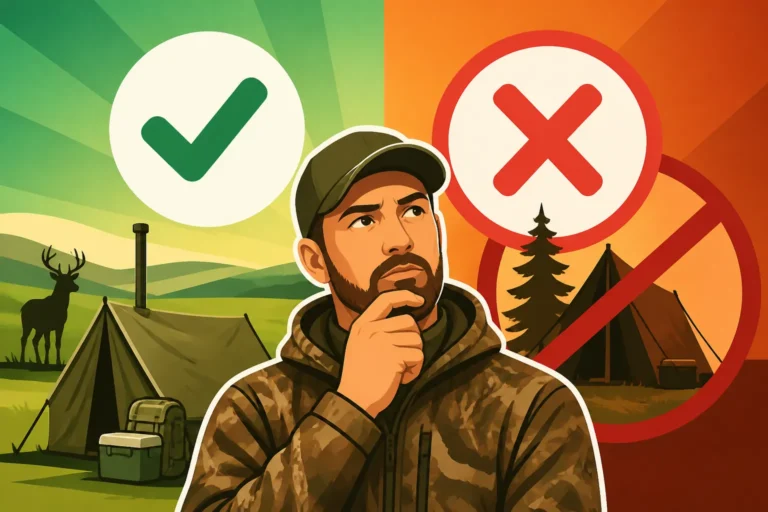
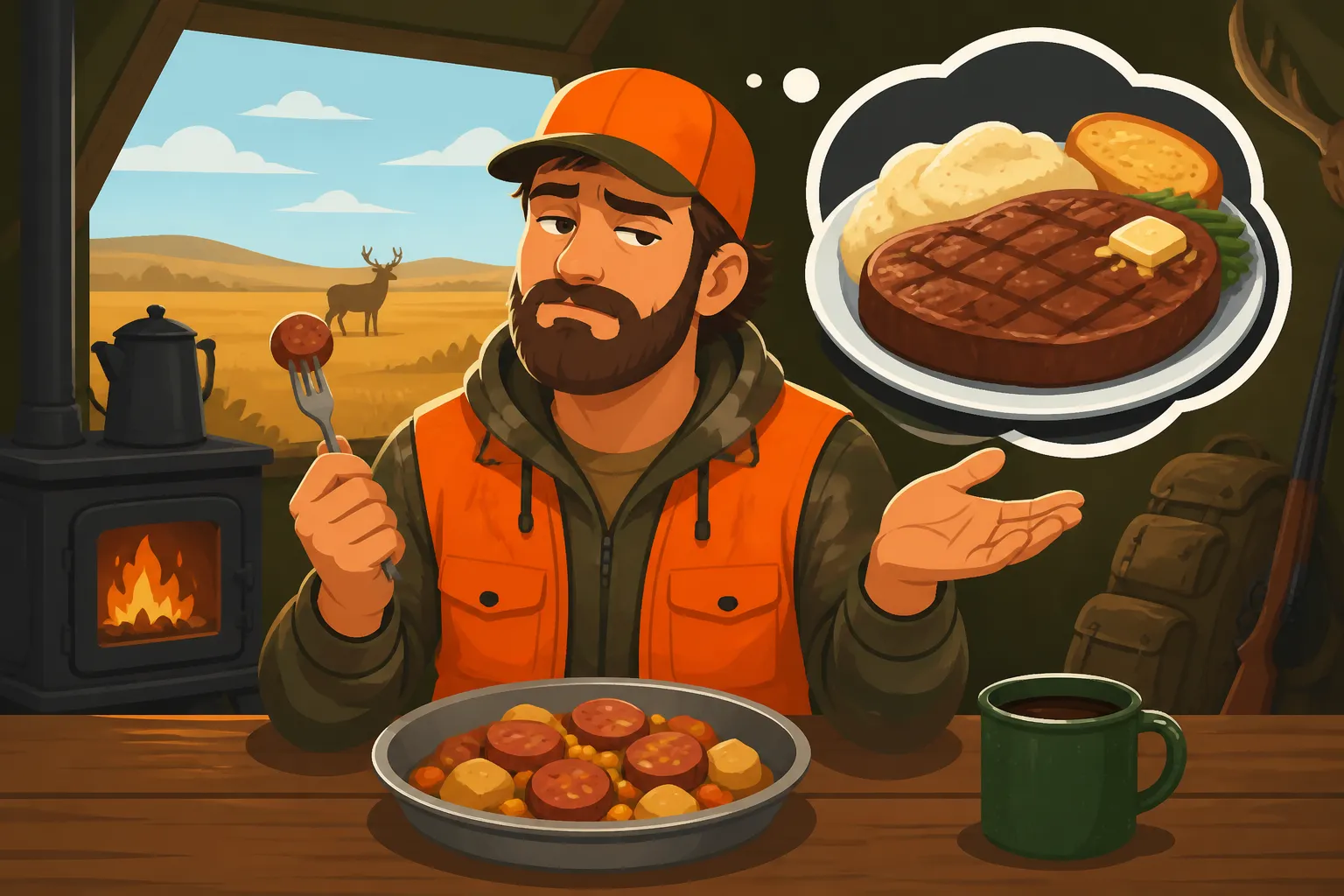
At one end of the spectrum, you might find yourself in a very basic, remote tent camp, perhaps on a fly-in bear hunt or a deep woods moose adventure. Here, the focus is squarely on sustenance and practicality. Meals will be hearty, designed to fuel demanding physical activity in potentially harsh conditions. Think big breakfasts of eggs, bacon, and toast, lunches that are easily packed for the field like sandwiches or thermos full of soup, and dinners that might be a rotation of chili, stew, pasta, or grilled wild game (if you've been successful, and if the camp is set up for it). These meals are prepared by guides or a designated camp cook, often with limited resources, emphasizing efficiency and taste over elaborate presentation. It’s authentic, it’s filling, and it’s part of the experience.
On the other hand, many Saskatchewan outfitters, particularly those catering to whitetail or waterfowl hunters from comfortable lodges, pride themselves on offering a much more refined dining experience. These operations often feature dedicated cooks, well-equipped kitchens, and menus that wouldn't feel out of place in a family restaurant. You might start your day with a full hot breakfast buffet, grab a well-packed lunch, and then return to camp for a multi-course dinner featuring roast beef, pork loin, or even expertly prepared game dishes, complete with appetizers and dessert. These lodges understand that comfort and good food contribute significantly to the overall enjoyment of the hunt, especially for those who appreciate a bit of pampering after a long day. When you're Booking a Saskatchewan Whitetail Hunt, it’s always a good idea to inquire about the food service, as it can vary widely.
Regional Flavours and Local Sourcing
Saskatchewan's vast landscape means that even within similar types of camps, the specific ingredients and culinary traditions can shift. In the southern prairie regions, where agriculture dominates, you might find more emphasis on local beef, potatoes, and fresh vegetables that are easier to source. The meals might reflect a more traditional "prairie home-cooking" style, heavy on comfort foods. Move north into the forest fringe or boreal forest, and while hearty remains the theme, you might find more wild rice, berries, and perhaps even some locally harvested fish incorporated into the menu, reflecting the natural bounty of the area. Some outfitters make an effort to include wild game on the menu when possible, whether it's their own harvested venison or other local fare, which can be a fantastic way to experience the province's true flavours.
When you're researching potential outfitters, platforms like BookYourHunt often provide descriptions of the camp amenities, and sometimes even touch on the food experience. It’s worth checking those details or asking directly about their menu philosophy.
Typical Meal Structures and Common Fare
Regardless of the camp's luxury level, a fairly standard meal structure tends to emerge in Saskatchewan hunting camps, built around the demands of the hunting day. Energy and convenience are paramount, especially during peak hunting seasons when daylight hours are precious.
The Daily Grind: Breakfast, Lunch, and Dinner
Breakfast is almost universally robust. You're getting up early, often well before dawn, and heading out into the cold. A good breakfast is crucial for sustained energy. Expect options like eggs (fried, scrambled, omelets), bacon, sausage, pancakes or French toast, toast, coffee, and juice. Some camps might offer cereals or oatmeal as lighter alternatives, but the full "hunter's breakfast" is a staple. If you're staying in a lodge, this might be a served meal; in a more remote camp, it could be a self-serve buffet setup.
Lunch is where the variability really kicks in. For many hunts, especially deer or bear, you'll be out in the field all day. This means packed lunches are common. These typically consist of sandwiches (often with a variety of deli meats and cheeses), fruit, granola bars, a sweet treat, and a drink. Some camps provide insulated containers or thermoses for hot soup or coffee, which can be a lifesaver on a frigid November day. For waterfowl hunting, where you might be returning to a "warm-up shack" or camp mid-day, a hot lunch might be served. This could be anything from a hearty stew to burgers on the grill. Always clarify the lunch arrangements with your outfitter, so you know whether to expect a packed meal or a hot return to camp.
Dinner is the main social event of the day, a time to recount stories, relax, and refuel. This is typically the most substantial meal. As mentioned, it can range from simple, satisfying one-pot meals in basic camps to multi-course affairs in lodges. Common fare includes roasted meats (chicken, pork, beef), pasta dishes, stews, chili, pot roasts, and sometimes even pizza. Vegetables and starches like potatoes or rice are almost always included. Dessert is also a frequent and welcome addition – pies, cakes, or cookies are common. Expect large portions; guides and hunters alike are burning a lot of calories!
Here's a quick look at how food service might differ across common camp types:
| Accommodation Type | Meal Structure | Common Fare | Dietary Flexibility | Who it's for |
|---|---|---|---|---|
| Full-Service Lodge | Hot breakfast, packed lunch, multi-course dinner | Roast meats, casseroles, fresh salads, desserts | High | Hunters seeking comfort & convenience, varied diets |
| Remote Tent Camp | Hot breakfast, packed lunch, hearty one-pot dinner | Stews, chili, pasta, grilled game (if successful) | Moderate | Hunters focused on rugged experience, basic needs |
| Self-Catered Cabin | You plan, buy, and cook all meals | Whatever you pack – pasta, dehydrated, pre-made | Complete | Independent hunters, budget-conscious groups |
| Day Hunt (no lodging) | Lunch/snacks often provided, B/D on your own | Sandwiches, thermoses, granola bars | Low (packed for field) | Hunters staying in local hotels, short trips |
Snacks and Beverages
Don't forget the snacks! Many camps will have a common area with a snack bar or a designated shelf with items like fruit, cookies, granola bars, and maybe even a bowl of chips. Coffee and tea are usually available all day, and water is always provided. Some lodges might have a small fridge stocked with pop or juice, or even alcoholic beverages available for purchase after hunting hours. It’s always a good idea to bring a few of your favourite portable snacks for the field, just in case, especially if you have specific energy needs.
Navigating Dietary Restrictions and Allergies in Camp
This is a really important point and one that hunters often feel awkward bringing up, but it's absolutely critical for your health and comfort. Hunting camps are, by nature, somewhat remote, and grocery runs aren't always easy or frequent. Communicating your dietary needs well in advance is paramount.
The Importance of Early Communication
When you're booking your trip, or shortly thereafter, make sure to inform your outfitter about any food allergies (e.g., nuts, shellfish, gluten), intolerances (e.g., lactose), or dietary preferences (e.g., vegetarian, vegan, diabetic, low-carb). Don't wait until you arrive at camp. Outfitters need time to plan menus, purchase special ingredients, and instruct their cooks. A good outfitter will have a system for noting these requirements, often asking for them on a pre-arrival questionnaire. If they don't ask, you should volunteer the information. This is part of What an Outfitter Needs From You Beforehand.
It’s realistic to understand that highly specific or complex dietary needs might be challenging for a remote camp with limited resources. While most reputable outfitters will go above and beyond to accommodate reasonable requests, some niche preferences might be harder to fulfill perfectly. For instance, a strictly organic, keto-only diet might be difficult to maintain in a camp focused on hearty, traditional meals. Be prepared to be flexible and maybe even bring some supplemental items yourself (more on that below).
Allergy Management and Cross-Contamination Concerns
For severe allergies, like a life-threatening peanut allergy or celiac disease, communicate clearly and emphasize the severity. Ask what precautions the camp cook takes to avoid cross-contamination. While most will be diligent, understanding their kitchen setup and processes can give you peace of mind. It’s also wise to carry your own emergency medication, such as an EpiPen, and ensure your hunting partners and guides are aware of your condition and how to assist you in an emergency. Remember, you're often in remote areas, and medical help isn't always minutes away.
Vegetarian, Vegan, and Other Preferences
If you're vegetarian, most camps can easily provide meat-free alternatives for the main course, as side dishes (potatoes, vegetables, salads) are usually suitable. Vegan diets can be more challenging due to the prevalence of dairy and eggs in camp cooking, but with advance notice, alternatives can often be arranged. For other preferences, such as needing to avoid red meat or simply disliking certain foods, it's best to discuss this openly with the outfitter. Many cooks are happy to adjust if they know ahead of time, ensuring everyone has an enjoyable and safe dining experience.
Supplementing Your Camp Food: What to Pack Yourself
Even with the best outfitters, there might be gaps in preferences or dietary needs, or you might simply want a little extra comfort from home. Packing a few supplemental food items can make a big difference, especially on self-guided trips or during long days in a stand.
Personal Snacks and Field Nutrition
For those long hours sitting in a blind, especially during cold Saskatchewan November days, having high-energy, easy-to-eat snacks is vital. Things like energy bars, nuts, dried fruit, beef jerky, or even a small chocolate bar can provide a quick boost. These are often easier to pack than relying solely on what the camp provides for packed lunches. If you have specific cravings or preferred brands, bring them along. Many hunters find a hot beverage in a thermos to be a game-changer for Staying Warm in a Saskatchewan Stand, so consider packing your favorite tea bags, instant coffee, or hot chocolate mix.
On a self-guided trip where you're responsible for all your food, this becomes even more critical. You'll need to plan out every meal and snack, considering shelf-life, ease of preparation, and nutritional value. For such trips, freeze-dried meals, instant oatmeal, and robust sandwich ingredients are often staples. Resources like GoHunt often publish articles on backcountry meal planning that can be really helpful for this.
Favourite Beverages and Treats
If you enjoy a particular type of coffee, specialty tea, or a specific brand of sparkling water, don't hesitate to bring some along. While camps provide basic beverages, your favourite morning brew can be a small slice of home comfort. Similarly, if you have a preferred dessert or snack you like to enjoy after a long day, consider packing it. Just be mindful of space and weight, especially if you're flying or have limited vehicle capacity.
Emergency Rations
It's always a good practice, especially when hunting in remote areas, to have a small stash of emergency rations in your pack. This isn't about supplementing camp food but ensuring you have something to eat if you get unexpectedly delayed or separated from your group. A few high-calorie energy bars, a small bag of trail mix, or some dehydrated fruit can be invaluable. This preparedness ties into broader Winter Truck Kit for a Saskatchewan Hunt planning, ensuring you're ready for any unforeseen circumstances.
Making the Most of Your Camp's Kitchen and Provisions
Even if your camp isn't a five-star lodge, you can still have a great food experience. It often comes down to attitude, communication, and a bit of ingenuity.
Engaging with the Camp Cook
The camp cook is often one of the hardest-working people in camp, and a friendly attitude goes a long way. Expressing appreciation for their efforts can foster a positive relationship. If you have a specific, minor request during your stay (e.g., asking for an extra helping of vegetables, or if there are any leftovers for a midnight snack), approach them politely and reasonably. They're usually keen to ensure everyone is fed and happy within the practical limits of the camp.
Some hunters even bring a small gift for the cook, like a specialty coffee, a bottle of hot sauce, or a unique spice blend, as a gesture of goodwill. This isn't expected, but it's a nice touch that can be appreciated.
The Social Aspect of Camp Meals
Eating together in camp is more than just refueling; it's a significant part of the hunting experience. It's a time for camaraderie, sharing stories from the day's hunt, and forging friendships. Even if the food isn't exactly what you'd make at home, embrace the communal aspect. Listen to the tales of the guides, learn from other hunters, and enjoy the shared experience. Many lasting hunting memories are made around a camp dinner table. When you're considering Saskatchewan Hunting Lodges and Camps, think about the overall atmosphere, not just the thread count of the sheets or the menu.
Handling Your Own Harvest
One of the most rewarding parts of a successful hunt is bringing home your own wild game. In Saskatchewan, if you're lucky enough to fill your tag, the conversation often turns to how to handle your harvest. While camp cooks typically don't process game for hunters (that's usually handled by the hunters themselves or dedicated processors), some outfitters might offer to cook a small portion of your harvested game for the camp, especially early in the season, which can be a fantastic treat. It's always worth asking, but understand that their priority is often the pre-planned menu. For processing your meat, you'll generally be responsible for Getting Meat Processed in Saskatchewan yourself or making arrangements with local facilities.
Ultimately, while the food in a Saskatchewan hunting camp might not always be gourmet, it’s almost universally designed to be hearty, filling, and to fuel you for the adventure ahead. Go in with an open mind, communicate your needs clearly and early, and enjoy the unique flavours of the Saskatchewan hunting experience.
Disclaimer
This article is for general informational purposes only and does not constitute professional advice. Laws, prices and regulations vary by location and change over time. Consult a qualified professional for guidance on your specific situation.