Booking a Saskatchewan Whitetail Hunt
The dream of chasing a big Saskatchewan whitetail buck is a powerful one, often fuelled by incredible photos and stories of giants from the province's rich hunting grounds. However, for many hunters, especially those visiting from outside the province, translating that dream into a successful, well-planned trip can feel overwhelming. This comprehensive guide is designed to meticulously break down every aspect of booking a guided whitetail hunt in Saskatchewan, helping you navigate the choices, costs, and critical steps to secure your unforgettable adventure.
Why Saskatchewan for Whitetails? The Dream and the Reality
Saskatchewan has earned a legendary reputation among deer hunters, and for good reason. It consistently produces some of the largest white-tailed deer in North America, making it a bucket-list destination for many. But what exactly contributes to this unique status, and what does it mean for hunters considering a trip?
The Allure of Saskatchewan's Big Bucks
The sheer size and antler growth potential of Saskatchewan whitetails are truly remarkable. It's not just a rumour; the province's record books are filled with entries that dwarf deer from many other regions. This phenomenon is often attributed to a combination of factors: superior genetics, an abundant and high-protein diet from vast agricultural lands, and a harsh winter climate that encourages stronger, more resilient animals. These factors create an environment where bucks can reach their full potential, not just in antler mass and spread, but in body weight as well. Hunters often find themselves staring at deer that carry significantly more body mass than they've ever seen, a true testament to the land's bounty. To delve deeper into this phenomenon, you might find Why Saskatchewan Bucks Grow So Large an interesting read.
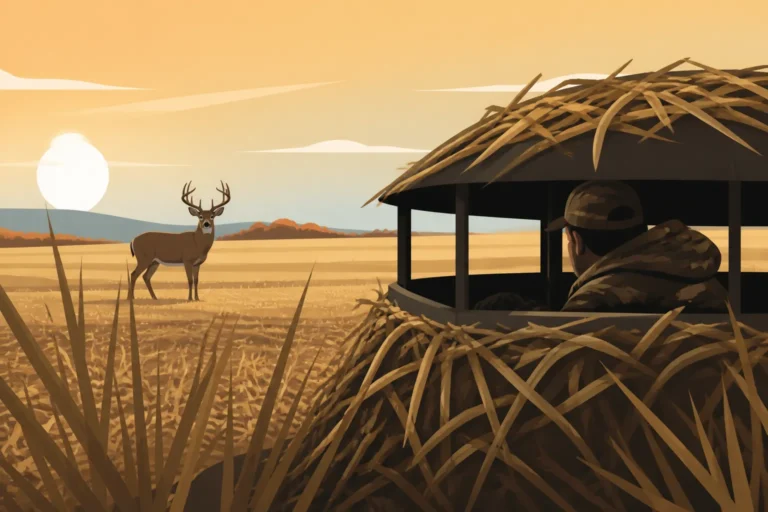
Picture this: you're sitting in a ground blind on the edge of a standing cornfield, the crisp November air biting at your cheeks, and suddenly, a wide-racked buck steps out, its body like a small horse, steam puffing from its nostrils. This isn't just a fantasy; it's a common scenario that draws hunters back year after year. The challenge and reward of pursuing these intelligent, mature animals in their wild habitat is what defines a Saskatchewan whitetail hunt. The sheer anticipation of seeing that next deer is a thrill in itself, knowing that any minute, a true monarch could appear.
The Non-Resident Hunting Mandate
For hunters residing outside of Saskatchewan, there's a crucial regulation to understand right from the start: non-residents must hire a licensed outfitter to hunt big game, including whitetail deer. This rule can sometimes be a point of frustration for experienced hunters accustomed to planning their own trips, as it adds a layer of complexity and cost. However, it's a measure put in place to manage wildlife populations, ensure sustainable hunting practices, and support the province's regulated outfitting industry. It means that planning your whitetail adventure begins with finding the right outfitter, rather than scouting public lands independently.
This regulation ensures that non-resident hunting pressure is distributed and managed, contributing to the health of the deer herds. While it might seem like an extra hurdle, working with an experienced outfitter also comes with significant advantages. They possess invaluable local knowledge, have access to prime hunting properties (often through long-standing relationships with landowners), and handle many of the logistical challenges that would otherwise fall on your shoulders. It transforms your hunt into a more streamlined, focused experience, allowing you to concentrate on the pursuit of your trophy. If you want to understand the specifics of this rule, check out Why Non-Residents Must Book an Outfitter.
Understanding the Hunting Landscape
Saskatchewan's diverse geography offers various hunting environments, each with its own charm and challenges. From the dense cover of the northern forest fringe to the sprawling fields and shelterbelts of the agricultural belt, and the rolling hills of the aspen parkland, whitetails adapt and thrive in different ways. Understanding these distinct landscapes can help you choose an outfitter whose operation aligns with your preferred hunting style and expectations. Some outfitters specialize in vast farmland hunts, utilizing heated blinds overlooking food sources, while others focus on the rugged bush country, involving more tracking and patience in denser cover.
The forest fringe, for example, is renowned for holding some of the biggest, oldest bucks, offering a more traditional "bush hunt" feel. These areas often require hunters to be prepared for colder temperatures and more challenging terrain. Conversely, the open prairie and parkland regions, with their abundant grain fields, offer fantastic opportunities for stand hunting over bait or food plots, or even spot-and-stalk in certain conditions. Each zone provides a unique experience, and a good outfitter will often highlight the specific terrain and hunting methods they employ, allowing you to envision your hunt more clearly. Consider reading Hunting Saskatchewan's Forest Fringe or Hunting Saskatchewan's Aspen Parkland to learn more about these different environments.
Deciphering Outfitter Services and Package Offerings
Once you understand the 'why' and 'how' of hunting Saskatchewan whitetails as a non-resident, the next step is to dive into what outfitters actually offer. This can vary widely, so it's essential to know what to expect and what questions to ask to ensure your chosen package aligns with your vision for the hunt.
Standard Inclusions in a Whitetail Package
Most Saskatchewan whitetail outfitter packages are designed to be comprehensive, covering the core elements of your hunting trip once you arrive at camp. You can generally expect your package to include comfortable lodging, often in a lodge, cabins, or a well-equipped camp, offering a place to rest and recharge after long days afield. Hearty, home-cooked meals are usually part of the deal, ensuring you're well-fed and ready for the cold. Professional guiding services are, of course, central, with experienced guides leading you to prime hunting locations, assisting with scouting, and helping with game recovery. Finally, transportation during the hunt, such as rides to and from your stand or hunting areas, is almost always provided.
These inclusions aim to remove much of the logistical burden, allowing you to focus purely on the hunting experience. Imagine arriving at a cozy lodge, smelling fresh coffee brewing, and knowing that your guide has already checked trail cameras and has a plan for the day, based on recent deer movement and weather. This level of service is what you're paying for – access, expertise, and a comfortable base camp from which to launch your daily adventures. For a detailed breakdown of what to expect, the post What a Saskatchewan Guided Deer Hunt Includes might be helpful.
Exploring Different Hunt Styles and Lengths
Outfitters typically offer various hunt styles and durations to cater to different preferences and budgets. The most common is a 5-day or 6-day hunt, which provides ample time to settle in, adapt to the conditions, and allow for multiple opportunities to encounter deer. Hunt styles can range from sitting in heated ground blinds overlooking bait sites or food plots, which is particularly popular during late season or colder weather, to tree stand hunting along natural travel corridors and field edges. Some outfitters in specific regions might also offer limited spot-and-stalk opportunities, though this is less common for whitetails than for mule deer.
When researching, consider what kind of hunting experience you're looking for. Do you prefer a patient vigil from a comfortable blind, or are you hoping for more active tracking and glassing? The rut is a popular time, and many outfitters structure their hunts around this peak activity period. Discuss these options with potential outfitters to ensure their methods match your expectations. For example, some may offer specific packages for Hunting the Rut in Early to Mid November, focusing on calling and rattling strategies.
What's Typically Not Included and Why
While outfitter packages are comprehensive, there are always a few critical items that are almost universally not included and will need to be budgeted for separately. These typically include your hunting license and tags (which you'll purchase directly from the province via the HAL account system), gratuities for your guide and camp staff, any required CWD (Chronic Wasting Disease) testing fees, and the costs associated with meat processing and taxidermy. Your travel to and from the outfitter's camp (flights, rental car, fuel) is also your responsibility.
Understanding these exclusions upfront is vital for accurate budgeting and avoiding surprises. Outfitters often recommend a certain percentage for guide tips, which is an important part of acknowledging their hard work. Similarly, knowing that you'll need to pay for your own license means understanding the process of obtaining it through your Saskatchewan's HAL Account and Licensing. These aren't hidden fees; they're simply personal expenses that fall outside the outfitter's operational scope, and a transparent outfitter will always make these clear in their booking information.
The Critical Task of Choosing Your Outfitter
Selecting the right outfitter is arguably the most crucial decision you'll make when planning your Saskatchewan whitetail hunt. This choice will significantly impact your experience, success, and overall satisfaction. It's not just about finding someone with available dates; it's about finding a reputable operation that aligns with your hunting values and expectations.
Researching and Vetting Reputable Operations
Starting your search involves thorough research. Begin by looking at outfitters that are licensed and in good standing with Saskatchewan's outfitting associations. These associations often have directories and ethical guidelines that members adhere to, providing a layer of accountability. Online hunting forums, social media groups dedicated to Saskatchewan hunting, and specialized hunting booking platforms can also be excellent resources. Services like BookYourHunt.com or GoHunt, for instance, are platforms where you can browse multiple outfitters, compare packages, and read reviews all in one place. These can be great starting points for identifying potential candidates.
As you compile a list, pay attention to how long the outfitter has been in business, their specific focus (e.g., exclusively whitetail, or do they offer other species?), and their general location within Saskatchewan. An outfitter who has operated for many years in the same region likely has deep knowledge of the local deer patterns and landowner relationships. Don't just pick the first one you see; invest time in this initial research phase to narrow down your options to a few strong contenders.
Essential Questions to Ask Before Committing
Once you have a shortlist, it's time to start asking detailed questions. Don't be shy; a good outfitter will appreciate your thoroughness. Ask about their typical success rates and, more importantly, opportunity rates. What does "success" mean to them – harvested deer, or opportunities at mature animals? Inquire about the guide-to-hunter ratio (e.g., 1×1 or 2×1 guiding) and what that means for your individual attention. Ask about camp amenities, such as heating, hot water, and cell service, particularly if you're hunting late in the season when temperatures can drop dramatically. Knowing how they prepare for Hunting Whitetails at Thirty Below is crucial.
Furthermore, discuss their cold weather provisions, like heated blinds or shelters. Understanding their emergency protocols and whether guides carry satellite communication devices is also very important, especially if you're venturing into more remote areas. Ask about their policy on wounded game and what happens if you don't recover an animal. These conversations are not just about gathering information; they also give you a feel for the outfitter's professionalism and communication style. For a deeper dive into this, consult Key Questions to Ask Potential Outfitters.
Interpreting References and Online Reviews
After your conversations, ask potential outfitters for a list of recent references – ideally, hunters who have hunted with them within the last year or two. Contact these references and ask specific questions about their experience: was the camp as described? Was the guide attentive and knowledgeable? Were there any unexpected issues? Be wary of outfitters unwilling to provide references or those who only offer decades-old contacts.
Online reviews can also be valuable, but approach them with a critical eye. Look for consistent themes, both positive and negative. A few glowing reviews from brand new accounts might be suspicious, just as a single overly negative review could be an anomaly. Pay attention to how the outfitter responds to feedback, if visible. A pattern of consistent, genuine positive feedback, supported by personal references, is a strong indicator of a reliable operation. Remember, honest reviews, like those found on BookYourHunt, can provide insights that a website alone might not.
Financial Planning: Costs, Deposits, and Payment Considerations
Booking a guided hunt is a significant investment, and understanding the financial aspects thoroughly is key to a stress-free experience. Beyond the advertised package price, several other costs need to be factored into your overall budget.
Deconstructing the Overall Hunt Cost
The total cost of your Saskatchewan whitetail hunt goes beyond the outfitter's package fee. You'll need to budget for your hunting license and tags, which are purchased through the province's system. What Tags and Licences Add to the Bill can help you estimate these. Then there's travel: flights, vehicle rental, or fuel if you're driving. Once at camp, consider gratuities for your guide and any other camp staff; this is customary and appreciated. Post-harvest, you'll have expenses for meat processing by a local butcher and potentially taxidermy if you're taking a trophy, along with costs for shipping meat or antlers home.
For instance, a guided hunt might list a price that includes lodging, food, and guiding. However, adding in the cost of your licence, a CWD test, fuel to get to camp, a tip for your guide (which can be a substantial amount, often 10-20% of the hunt cost), and then the processing of your venison by a local butcher can easily add thousands to your initial budget. Being aware of these additional expenses from the outset will prevent any financial shocks and allow you to plan properly.
Navigating Deposit, Cancellation, and Refund Policies
Outfitters almost always require a significant deposit to secure your booking, often 50% or more of the total hunt cost, with the balance due closer to the hunt date. These deposits are typically non-refundable, as they cover the outfitter's upfront expenses and lost revenue if you cancel. It is absolutely crucial to get all deposit, cancellation, and refund policies in writing and understand them thoroughly before you send any money.
In today's unpredictable world, circumstances can change. This is where travel and hunting cancellation insurance becomes incredibly valuable. It can protect your investment if unforeseen events, such as medical emergencies or travel disruptions, force you to cancel your trip. Discuss the outfitter's policy on rescheduling if they have to cancel due to unforeseen circumstances (e.g., natural disaster, low game numbers). Some outfitters are flexible, offering to roll over your deposit to a future date, but this is not always guaranteed.
Handling Currency Exchange and Payment Methods
For international hunters, understanding currency exchange rates is vital. Saskatchewan outfitters primarily operate in Canadian Dollars (CAD). If you're paying in US Dollars (USD), the exchange rate will fluctuate, impacting your final cost. Clarify with your outfitter how payments are handled regarding currency conversion. Some may accept USD at a pre-agreed rate, while others might prefer bank transfers in CAD.
Credit card payments are common, but be aware of potential foreign transaction fees from your bank. Bank transfers are another option but can incur their own fees. Cash, particularly for tips, is often preferred and can be exchanged at competitive rates before your trip. Always confirm the preferred payment methods and any associated costs with your outfitter well in advance to ensure a smooth financial transaction.
Pre-Hunt Preparation: Getting Ready for Saskatchewan
With your hunt booked and finances in order, the next phase is all about getting yourself and your gear ready. Proper preparation can make all the difference between a challenging hunt and a truly rewarding experience.
Understanding Licensing, Tags, and Hunter Education
As a non-resident, your outfitter will usually walk you through the process of obtaining your Saskatchewan hunting license and tags. This typically involves setting up an online HAL (Hunter and Angler Licence) account with the provincial government. While the outfitter provides the allocation, you are responsible for purchasing your specific deer license and any necessary wildlife habitat certificates. It's a fairly straightforward process, but getting it done early avoids last-minute stress. You'll also need to be aware of Saskatchewan Hunter Education Requirements, especially if you're a first-time hunter in the province or fall within specific age brackets.
Make sure you understand the specific tag validation rules once you harvest an animal. Proper tagging is not just a formality; it's a legal requirement. Your outfitter will guide you on the exact procedure, but it's good to be familiar with the basics. This ensures your hard-earned trophy is legally harvested and transportable.
Essential Gear for Saskatchewan's Variable Weather
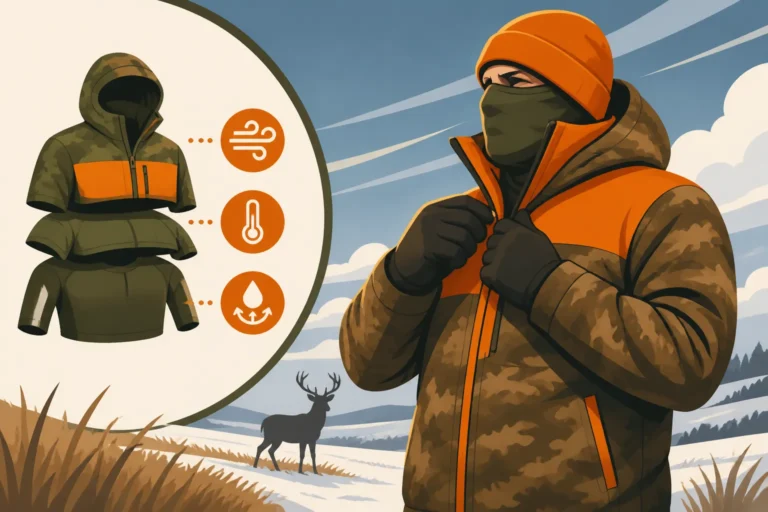
Saskatchewan weather during whitetail season, particularly in November and December, can be famously unpredictable and harsh. It's not uncommon to experience mild, sunny days followed by extreme cold and heavy snow. Layering is paramount. You'll need high-quality thermal base layers, insulating mid-layers, and a waterproof, windproof outer shell. Warm, insulated boots designed for sitting still in sub-zero temperatures are non-negotiable, as cold feet can quickly ruin a hunt. Don't forget multiple pairs of gloves or mittens, hand warmers, and a warm hat that covers your ears.
Beyond clothing, a good pair of binoculars is essential for spotting deer in various terrains, especially in open country or scanning bush edges. A rangefinder is also highly recommended. Discuss specific gear recommendations with your outfitter, as they know their particular hunting grounds best. They can provide invaluable advice on what to bring to ensure you're comfortable and prepared for anything Saskatchewan throws at you. For more on keeping warm, check out Dressing for Saskatchewan's November Cold.
Travel Logistics: Firearms, Border, and Transportation
If you're bringing a firearm, understanding the Canadian regulations for importing it is absolutely critical. You'll need to complete a Non-Resident Firearm Declaration Form (CAFC 909) and pay a fee at the border. The firearm must be unloaded and stored securely. Certain types of firearms are prohibited, so ensure yours is legal in Canada. For bows, the rules are generally simpler, but proper case storage is still advised. Many outfitters offer rifle rental services if you prefer to avoid the hassle of travelling with your own. Declaring a Firearm at the Canadian Border is a vital read if you're driving.
Consider whether you'll fly into a major airport like Saskatoon (YXE) or Regina (YQR) and rent a car, or if the outfitter provides airport shuttle service. If you're driving yourself to camp, ensure your vehicle is winter-ready if hunting late in the season, as rural Saskatchewan roads can be challenging, particularly after snowfall. Always confirm transportation arrangements to and from the camp with your outfitter well in advance. Flying Into Saskatoon or Regina for a Hunt covers this in more detail.
Maximizing Your Guided Hunt Experience
You've planned, you've packed, and you've arrived in Saskatchewan. Now it's time to immerse yourself in the hunt. Understanding what to expect during your time in camp and how to handle the post-harvest logistics will help ensure a smooth and rewarding experience.
Expectations on a Guided Hunt
Your guide is your partner in the field, and a successful hunt often hinges on a good working relationship. Listen to their instructions, as they have intimate knowledge of the area, deer patterns, and local regulations. They'll tell you where to sit, when to be quiet, and what to watch for. Be honest about your hunting experience and physical limitations. If you've been practicing, that will pay dividends. Practicing Before a Guided Deer Hunt is an often-overlooked step.
Daily routines often involve early mornings, long hours in a stand or blind, and potentially tracking in the afternoon. Be patient and prepared for varying conditions. Communication is key: if you have concerns or questions, bring them up respectfully. Remember, the guide's ultimate goal is to help you have a successful and enjoyable hunt, which means ethical hunting, clean shots, and following all rules. While success is never guaranteed, the outfitter works hard to provide opportunities. Understanding Success Rates on Saskatchewan Whitetail Hunts is important for realistic expectations.
Post-Harvest: Meat Care, Processing, and Trophies
Once you've harvested your whitetail, the real work begins, and your outfitter will be instrumental in this process. They will assist with field dressing and getting the animal back to camp, where it will be properly hung and cooled. Many outfitters have arrangements with local meat processors, or butchers, who can cut, wrap, and freeze your venison. This service is typically an additional cost but is well worth it for the convenience and quality. Discuss these arrangements with your outfitter beforehand.
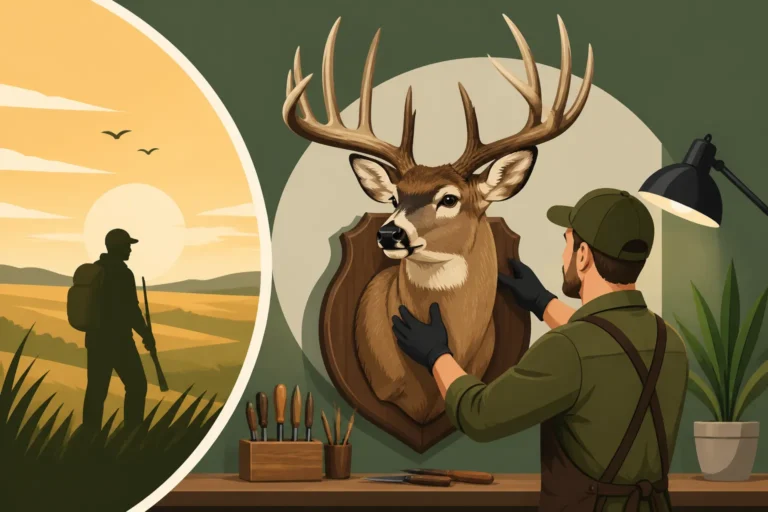
If you've taken a trophy-worthy buck, your outfitter can also prepare the cape and antlers for a taxidermist. They often work with specific local taxidermists or can prepare the hide for shipping to your taxidermist back home. Be aware of the regulations for transporting game meat and trophies across borders. There are specific rules for Taking a Trophy Across the Border or even just moving Transporting Game Meat in Saskatchewan within the province. Your outfitter should be knowledgeable about these requirements, but it's always good to be informed yourself. Additionally, mandatory CWD testing is often required in specific zones, and your outfitter will facilitate the collection of samples.
Ethical Considerations and Landowner Relations
Hunting in Saskatchewan, whether on Crown land or private property, demands a high degree of ethical conduct and respect. Your outfitter will have established relationships with landowners, and maintaining these positive relationships is paramount. Always follow posted signs, adhere to access rules, and leave no trace of your presence. Respect for the land, the wildlife, and the local community is not just good practice; it's essential for the future of hunting.
This includes demonstrating respect for the animal you've harvested. A quick, clean kill, efficient field dressing, and responsible use of the meat are all part of being an ethical hunter. Your outfitter will reinforce these principles, ensuring that your hunt contributes positively to the conservation efforts and the overall reputation of Saskatchewan hunting.
Disclaimer
This article is for general informational purposes only and does not constitute professional advice. Laws, prices and regulations vary by location and change over time. Consult a qualified professional for guidance on your specific situation.