Saskatchewan Outfitters in the Forest Fringe
The Saskatchewan forest fringe is a place that calls to so many of us, a truly unique blend of dense boreal forest meeting the sprawling agricultural lands. It's a land of towering aspens, willow thickets, and deep bluffs, all of which create incredible habitat for big game. However, this transition zone can be incredibly challenging to navigate, let alone hunt successfully, especially if you're not intimately familiar with its nuances. This comprehensive guide is designed to help you understand what makes hunting with a Saskatchewan outfitter in this dynamic forest fringe so appealing, what you should expect from such an experience, and how to choose the right partner for your next unforgettable adventure.
Understanding the Forest Fringe Ecosystem
The forest fringe isn't just a line on a map; it's a vibrant, complex ecosystem that truly defines a significant portion of Saskatchewan's hunting landscape. This unique environment offers distinct challenges and incredible opportunities, creating a hunting experience unlike any other.
Geography and Habitat Blend
Imagine a landscape where golden stubble fields suddenly give way to dense stands of poplars and evergreens. That's the Saskatchewan forest fringe in a nutshell. It’s not simply open prairie or thick bush; it’s an intricate mosaic of both. You'll find agricultural fields of wheat, barley, canola, and peas bordering aspen bluffs, willow-choked creek bottoms, and patches of spruce and pine. This incredible diversity creates a smorgasbord of food sources and cover for wildlife. Deer can feed in the abundant crops at night and disappear into the security of the bush by day. Moose find browse in the young aspen growth and shelter in the thicker spruce stands. Bears roam between the berry patches in the forest and the oat fields on the fringe.
This transition zone often features undulating topography, with small hills and valleys, sloughs, and beaver ponds adding to the complexity. These natural features create travel corridors, bedding areas, and pinch points that are vital for hunters to understand. The edges where agriculture meets timber are especially crucial, as they serve as highways for game moving between feeding and bedding areas, making them prime locations for stand placement. Understanding this delicate balance between open and covered ground is the first step to appreciating the opportunities the forest fringe offers.
Key Game Species in the Fringe
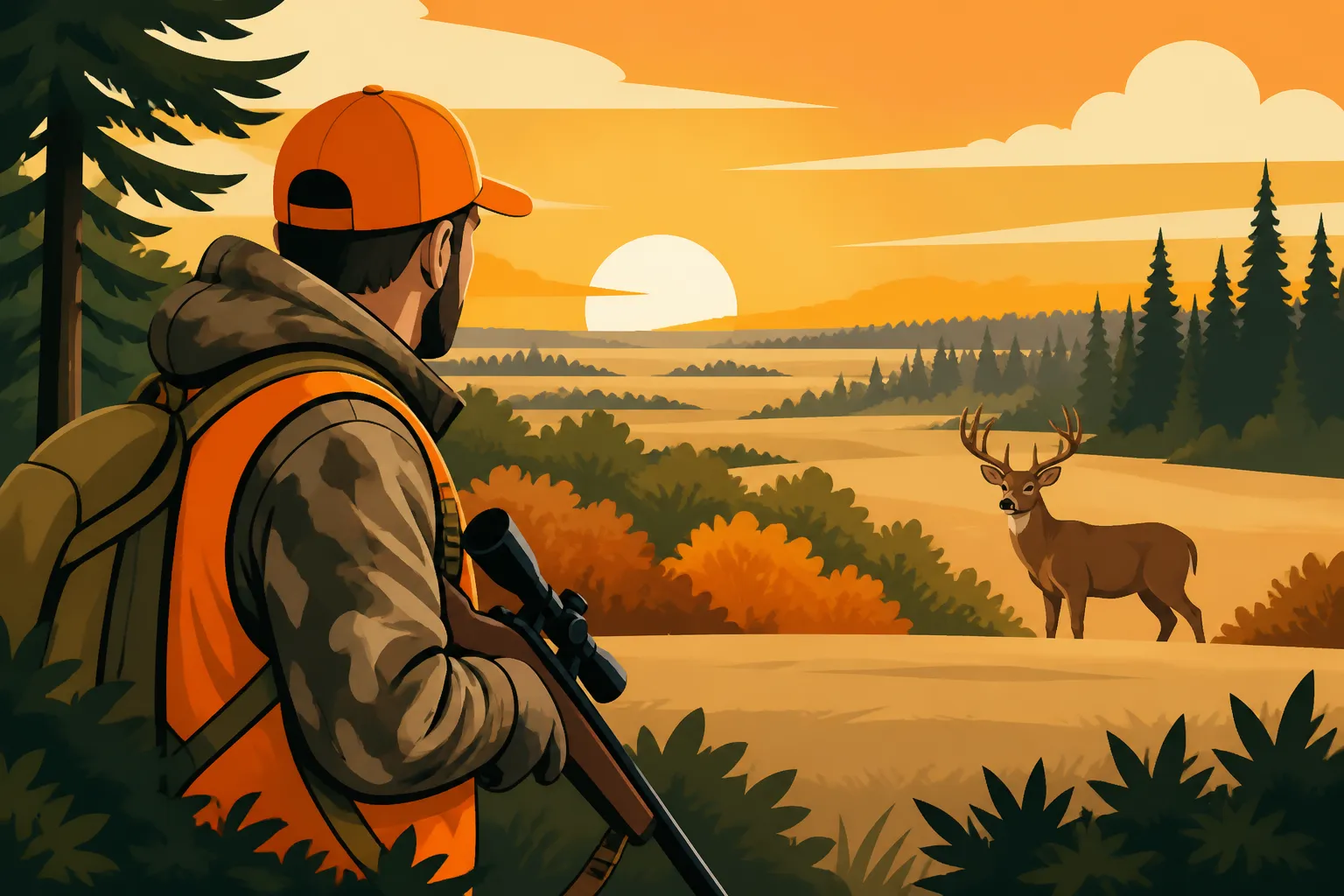
The richness of the forest fringe habitat supports an impressive array of big game, making it a hotspot for hunters seeking diverse challenges. The undisputed king of this region is often the White-Tailed Deer, Saskatchewan's Signature Animal. These whitetails grow to impressive sizes here, with abundant food from agriculture and the security of dense cover allowing them to reach maturity and develop formidable antlers. Hunters flock to the fringe specifically for the chance at a truly giant Saskatchewan whitetail, often finding them moving during the rut through the thickest parts of the bush or on the edges of fields.
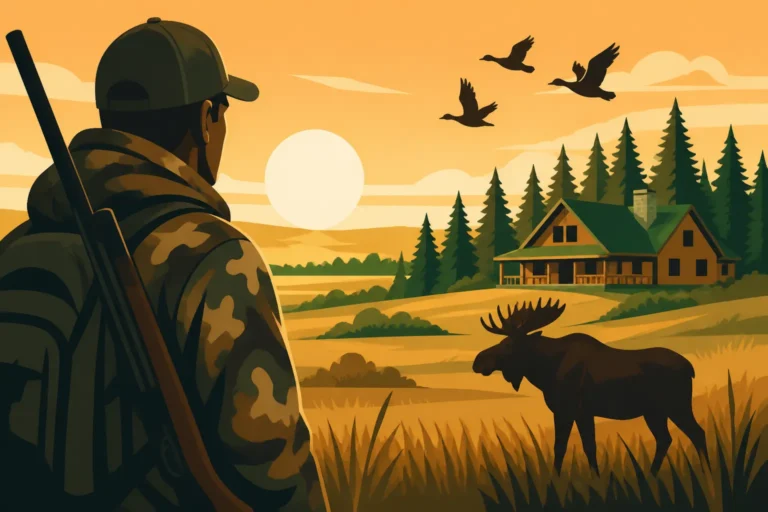
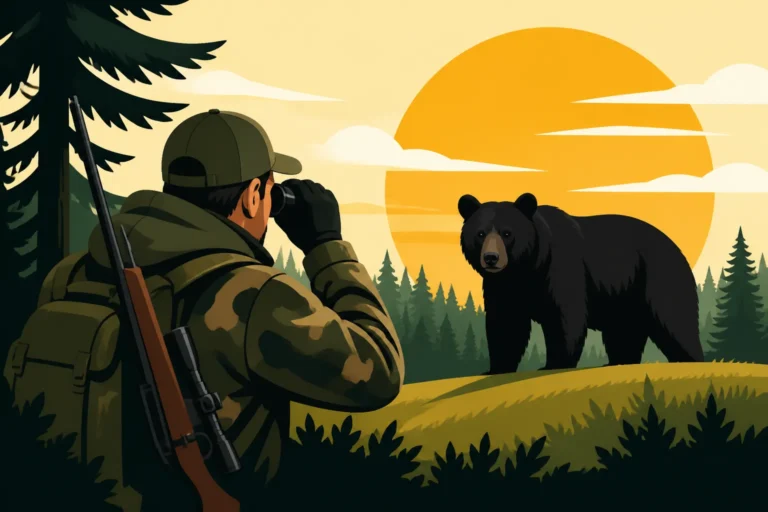
Beyond the whitetails, the forest fringe is also prime territory for Moose in Saskatchewan's Farmland and Forest. These massive animals thrive in the mixed forest and wetland areas, particularly where there's young deciduous growth for browsing. Finding a bull moose crashing through the bush or feeding in a slough at dawn is an unforgettable experience. And let's not forget the Black Bears in Saskatchewan's Boreal Forest. While often associated with the deeper boreal, the forest fringe offers a fantastic blend of spring food sources and denning sites, making it a productive area for bear hunters, especially in the spring. Elk herds also utilize parts of the fringe, moving between forest cover and agricultural fields, offering another exciting opportunity for those with the right tags.
Why Hunt the Forest Fringe with an Outfitter
Venturing into the Saskatchewan forest fringe can be an incredibly rewarding experience, but for many, it presents significant logistical and strategic hurdles. This is precisely where a reputable outfitter becomes an invaluable asset, transforming a potentially frustrating trip into a much more productive and enjoyable hunt.
Bridging the Gap: Access and Knowledge
One of the biggest frustrations for many hunters, especially non-residents or those unfamiliar with Saskatchewan, is simply gaining access to quality hunting ground. Saskatchewan has vast tracts of private land, and navigating permission requests can be a daunting, time-consuming process. Outfitters, however, often have long-standing relationships with local landowners, securing exclusive access to prime parcels that would otherwise be off-limits. They're not just guiding you; they're opening doors to incredible hunting opportunities. This pre-arranged access eliminates the anxiety of "where to hunt" and allows you to focus on the thrill of the chase.
Beyond access, an outfitter brings an intimate, generational knowledge of the local terrain and animal behaviour. They spend countless hours Scouting a Saskatchewan Wildlife Management Zone, observing game patterns, understanding seasonal movements, and identifying hot spots. This isn't just general knowledge; it's hyper-local, specific insight into the particular bluffs, creek bottoms, and field edges that animals are using. They know when the whitetail rut is peaking in their specific area, where the moose are bedding, and what trails the bears are using. This deep understanding, often built over years, drastically increases your chances of success, sparing you the trial and error that can consume precious hunting days. Platforms like GoHunt might offer general insights, but an outfitter provides the boots-on-the-ground, real-time intelligence that truly matters.
Specialized Gear, Logistics, and Tactics
Hunting the forest fringe requires specific equipment and a tactical approach that differs significantly from open prairie or deep woods hunting. An outfitter is equipped to handle these unique demands, from robust vehicles that can navigate muddy tracks to specialized stands strategically placed in key locations. Imagine trying to haul a treestand deep into a tangled bluff on your own, or navigating miles of bush roads without local knowledge – it can be exhausting and unproductive. Outfitters provide the means to get you where you need to be, comfortably and safely.
Furthermore, forest fringe hunting often involves a blend of tactics. You might be sitting in a heated ground blind overlooking a field edge at dawn, then moving to a treestand in a thick poplar bluff mid-day, or even still-hunting a willow run. Outfitters are adept at employing these varied strategies, adjusting to weather conditions, game movements, and individual hunter preferences. They know the optimal times for Rattling and Calling Farmland Whitetails or when a quiet still-hunt through a bedding area might pay off. For instance, in late season, when temperatures plummet, they might have access to comfortable, heated blinds that allow you to endure the cold and stay on stand longer, drastically increasing your odds. This combination of specialized gear, logistical support, and expert tactical guidance is a core benefit of hunting with a professional outfitter.
What to Expect from a Forest Fringe Outfitter
Deciding to book an outfitted hunt in Saskatchewan's forest fringe means entrusting a significant portion of your hunting experience to professionals. It's important to understand the scope of services and the overall experience you can anticipate, ensuring your expectations align with what reputable outfitters typically provide.
Lodging, Meals, and Camp Comfort
A significant part of the outfitter experience revolves around comfort and convenience, especially after a long, cold day in the field. Most forest fringe outfitters provide comfortable lodging, which can range from rustic yet cozy cabins in the bush to more modern farmhouses with all the amenities. The goal is to offer a warm, dry place to rest and recharge. You won't be roughing it in a tent, trying to dry wet gear over a small fire; you'll typically have beds, heating, and often showers.
Meals are another highlight of many outfitted hunts. Expect hearty, home-cooked food designed to fuel hunters through demanding days. Breakfasts are usually substantial, lunches can be packed for the field or served back at camp, and dinners are often a chance to share stories and strategize for the next day. Dietary restrictions can often be accommodated if communicated in advance. This focus on comfort, good food, and a welcoming camp atmosphere is crucial. It’s not just about the hunt itself, but the entire immersive experience, allowing you to focus completely on hunting without the distractions of cooking, cleaning, or setting up camp. What a Saskatchewan Outfitter Needs From You Beforehand often includes details about dietary needs and preferences.
Guiding Style, Success Rates, and Ethical Hunting
The guiding itself is, of course, the core service. In the forest fringe, guides are generally experienced local hunters who understand the unique challenges of the terrain and the behaviour of the game animals. Their style might vary from one-on-one personalized guiding, where they accompany you in the blind or stand, to a "drop-off" style where they position you in a pre-scouted area and pick you up later. What remains consistent is their dedication to putting you in the best possible position for success. They'll have stands placed in strategic locations, often overlooking field edges, natural funnels, or known bedding areas.
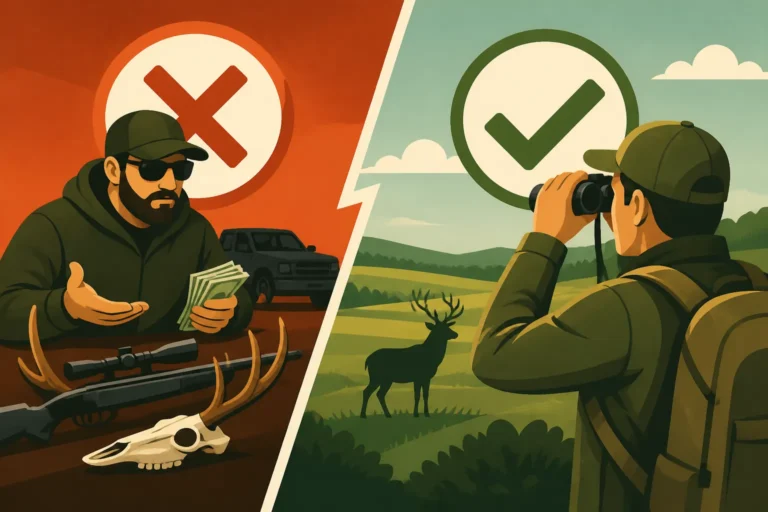
When considering success rates, it's vital to have a realistic perspective. No ethical outfitter can guarantee a kill. Hunting is unpredictable, influenced by weather, animal movement, and hunter skill. However, reputable outfitters will transparently share their typical success rates and opportunities over past seasons. They focus on providing the opportunity to harvest an animal. An outfitter's primary goal is not just a successful harvest, but a safe, ethical, and enjoyable hunt that adheres strictly to all Saskatchewan Tag Validation Rules and regulations. They will ensure you understand and follow all hunting laws, including shooting hours and tagging procedures, and will also help you identify legal game.
Meat and Trophy Care Post-Harvest
Once an animal is harvested, the work isn't over—it's just beginning, and an outfitter's support truly shines here. Getting a large animal like a whitetail, moose, or bear out of the thick forest fringe can be incredibly challenging, especially in difficult terrain or cold weather. Outfitters provide the necessary equipment, manpower, and expertise for game retrieval, whether that involves ATVs, side-by-sides, or even good old-fashioned muscle and teamwork. They understand the importance of quick and efficient handling to preserve the quality of the meat.
Proper field dressing and initial meat care are paramount, particularly when temperatures might fluctuate. Outfitters will assist with or perform field dressing and ensure the carcass is handled appropriately to cool down quickly. They can also arrange for transportation to a local butcher or cold storage facility. For trophy animals, they'll meticulously cape and prepare the antlers for taxidermy, ensuring your valuable trophy is handled with the utmost care. Many outfitters have established relationships with local taxidermists, facilitating the process of getting your trophy mounted or shipped home. This comprehensive post-harvest support means you don't have to worry about the heavy lifting or intricate details of game processing, allowing you to celebrate your successful hunt. For more on this, check out Meat Care in Saskatchewan's Cold Snaps.
Choosing the Right Forest Fringe Outfitter
Selecting the right outfitter is perhaps the most critical decision you'll make when planning a hunting trip to Saskatchewan's forest fringe. It's more than just finding someone with open dates; it's about finding a partner who aligns with your hunting goals, values, and expectations.
Research and Reputation
The first step in choosing an outfitter is thorough research. Start by exploring outfitters who specialize in the Saskatchewan forest fringe region. Look for outfitters with a long-standing presence and positive reputation. Online platforms can be a great starting point. Websites like BookYourHunt can provide listings of outfitters, often with customer reviews and details about their offerings. While these platforms are helpful, they are just the beginning. Cross-reference information from various sources, including social media, hunting forums, and independent reviews.
Pay close attention to what past clients say about their experiences. Were the guides knowledgeable and helpful? Was the camp comfortable? Did the outfitter accurately represent what they offered? Look for patterns in feedback, both positive and negative. A consistent stream of positive reviews, particularly those that mention specific aspects like the quality of guiding, the abundance of game, or the overall camp atmosphere, are strong indicators of a reputable operation. Don't shy away from searching for any red flags or recurring complaints, as these can save you a lot of grief down the road. Also, consider reaching out to other hunters you know who have experience in Saskatchewan; word-of-mouth recommendations are often the most reliable.
Key Questions to Ask Before Booking
Once you've narrowed down your choices, it's time to engage directly with potential outfitters. Prepare a list of detailed questions to ask them. This isn't just about getting basic information; it's about understanding their operations, managing expectations, and ensuring a good fit.
Consider these critical areas:
- Experience & Licensing: How long have they been operating in the forest fringe? Can they provide proof of their Saskatchewan outfitter license? Are their guides licensed? This ensures you're dealing with a legitimate operation.
- Hunting Area: Can they describe the specific area you'll be hunting? Is it private land, Crown land, or a mix? How much territory do they control? Understanding the terrain helps set expectations.
- Game Management: What are their philosophies on game management? Do they manage for trophy quality, or are they focused on opportunity? How do they ensure sustainable hunting practices?
- Hunting Style: What is their primary hunting method (stands, still-hunting, rattling)? Is it tailored to specific species like Hunting Whitetails in Saskatchewan's Forest Fringe or Calling Moose in Saskatchewan's Bush? How flexible are they to adapt to weather or your physical capabilities?
- Accommodations & Meals: Ask for specifics about lodging (private rooms, shared bunkhouse) and meal plans. Are there any hidden costs for food or drink?
- Success Rates & Opportunities: Request honest data on harvest rates and opportunity rates from previous seasons, broken down by species. Be wary of any outfitter who "guarantees" an animal.
- References: Always ask for a list of recent references (clients from the past 1-2 years) and make sure you call them. This is perhaps the most crucial step in vetting an outfitter.
- Contract & Costs: Understand the total cost, what's included and excluded (tags, taxes, meat processing, trophy prep, tips), payment schedule, and cancellation policy. Read the contract thoroughly before signing. Saskatchewan Deposit and Cancellation Terms can vary widely, so clarity is key.
- Guide-to-Hunter Ratio: What is the typical guide-to-hunter ratio? One-on-one provides more personalized attention, while two-on-one might be more budget-friendly.
Contractual Details and Costs
Booking an outfitted hunt is a significant investment, and understanding the financial and legal aspects is paramount. Always ensure you receive a written contract that clearly outlines all services, dates, costs, and terms. This document is your protection and clarifies expectations for both parties. Review it carefully, asking for clarification on anything that isn't clear before you sign. Pay particular attention to what is included and excluded from the base price. Often, items like licenses, tags, CWD testing fees, gratuities for guides and camp staff, meat processing, taxidermy, and shipping costs are extra.
Discuss payment schedules and cancellation policies upfront. What happens if you need to cancel? What if the outfitter has to cancel due to unforeseen circumstances like severe weather or wildfires? Understanding these contingencies is vital. Also, be sure to ask about any sales taxes or specific fees that might apply. For non-residents, there might be additional considerations, as per Rules for Non-Residents Hunting Saskatchewan, particularly regarding firearms declarations and permits. A good outfitter will be transparent about all costs and ready to answer your questions thoroughly, ensuring there are no unpleasant surprises once you arrive in camp.
Preparing for Your Forest Fringe Adventure
A successful hunt in Saskatchewan's forest fringe doesn't just happen; it's the result of careful planning and preparation. Even with the best outfitter, your personal readiness plays a huge role in your enjoyment and success.
Physical Conditioning for Tough Terrain
The forest fringe, with its mix of open fields, dense bluffs, and potential for variable weather, can be physically demanding. While some hunts might involve sitting in a comfortable blind overlooking a field, others could require significant walking, sometimes through thick brush, over uneven ground, or across frozen sloughs. Don't underestimate the physical effort required to move through this type of country, especially if you're attempting a spot-and-stalk or tracking a wounded animal. Getting an animal out of a remote bluff is also physically taxing.
Prior to your hunt, dedicate time to physical conditioning. Focus on cardiovascular endurance (walking, jogging, hiking) and strength training, especially for your legs and back. If possible, practice walking in your hunting boots with a loaded pack. This preparation will not only make the physical aspects of the hunt easier but also allow you to remain more comfortable and focused throughout the day, increasing your overall enjoyment. Being in decent shape also contributes significantly to your safety, especially when navigating unfamiliar terrain in potentially harsh conditions.
Essential Gear List and Layering
Packing correctly for a Saskatchewan forest fringe hunt is crucial, as conditions can change rapidly. You'll likely experience everything from crisp autumn days to deep winter cold, often within the same week. Layering is key. Start with a good moisture-wicking base layer to manage sweat, add insulating layers for warmth (fleece, down, or synthetic), and finish with a waterproof and windproof outer shell. Your outer layers should also be quiet for stealth in the bush.
Specific items to consider for your gear list include:
- Warm, waterproof boots: Insulated and comfortable for walking and sitting still. Consider a second pair.
- Warm hat, gloves, and neck gaiter: Essential for heat retention.
- Quality binoculars: Crucial for glassing field edges and spotting game in the bush. Look for good light-gathering capabilities.
- Rangefinder: Critical for accurate shot placement.
- Hunting pack: Large enough to carry extra layers, water, snacks, and field dressing supplies.
- Headlamp with extra batteries: For navigating in the dark before dawn and after dusk.
- Hunting knife: Sharp and reliable for field dressing.
- Blaze orange: Ensure you meet Saskatchewan's How Much Blaze Orange Saskatchewan Requires regulations.
- Appropriate firearm or bow: Practice extensively with your chosen weapon to be proficient at common hunting distances.
- Personal first-aid kit and medications.
- Thermos: For hot drinks in the stand.
- Scent control products.
Remember that an outfitter will provide many items, but personal gear like clothing, optics, and your weapon are your responsibility. A good outfitter will often provide a recommended packing list to ensure you're well-equipped for the specific conditions you'll encounter.
Mental Readiness and Flexibility
Hunting is as much a mental game as it is a physical one, and this is especially true in the forest fringe where patience is often tested. Be prepared for long hours in a stand, potentially in cold weather, with periods of inactivity. The fringe offers incredible potential for big game, but it rarely gives up its secrets easily. A positive attitude and mental toughness can make all the difference between a memorable experience and a frustrating one.
Flexibility is another vital trait. Weather can shift dramatically, and game patterns can change due to pressure, crop harvest, or the rut progression. Your guide might alter plans based on these factors, and being adaptable will ensure you make the most of every opportunity. Don't get fixated on a single hunting spot or tactic. Trust your guide's expertise; they are working hard to put you on game. Embrace the unexpected, enjoy the vast beauty of the Saskatchewan landscape, and appreciate the entire experience, regardless of the outcome. After all, the pursuit itself, the time spent in nature, and the camaraderie in camp are often as rewarding as the harvest.
| Service Category | Typical Outfitter Provision | Hunter Responsibility | Notes on Forest Fringe |
|---|---|---|---|
| Pre-Hunt | Consultation, area scouting, landowner permission, tag acquisition advice | Licensing (e.g., Saskatchewan Resident Deer Licence Cost), travel booking, physical prep | Outfitters often have exclusive access to prime fringe lands. |
| Lodging | Comfortable accommodations (cabin, lodge, farmhouse), heating, electricity, beds | Personal toiletries, sleeping bags (sometimes), extra blankets | Warm, dry lodging is crucial for cold fringe hunts. |
| Meals | Breakfast, packed lunch, hearty dinner; coffee/water/juice | Snacks, alcoholic beverages, specific dietary supplements | Expect robust, filling meals to sustain long days. |
| Guiding | Professional guides, daily hunt strategy, transportation to/from hunting areas | Following guide instructions, ethical hunting practices | Guides possess deep local knowledge of fringe game patterns. |
| Hunting Spots | Pre-scouted stands (ground, ladder, enclosed), blinds | Hunter must be proficient with weapon at expected distances | Stand placement leverages field edges, bluffs, travel corridors. |
| Game Retrieval | Assistance with tracking, retrieval using ATV/truck | Hunter participation in tracking/retrieval as able | Retrieving large animals from thick bush can be challenging. |
| Meat Care | Field dressing, initial cooling, transport to processor/cold storage | Butcher fees, cold storage fees, meat shipping costs | Quick, proper care critical for meat quality in variable temps. |
| Trophy Prep | Caping, rough skull cleaning, antler preparation for transport | Taxidermy fees, shipping costs, border crossing documentation | Outfitter can connect with local taxidermists. |
| Safety | Emergency plan, first aid kit, experienced staff | Personal first-aid kit, awareness of surroundings, communication | Cell service can be spotty; satellite communicators recommended. |
Disclaimer
This article is for general informational purposes only and does not constitute professional advice. Laws, prices and regulations vary by location and change over time. Consult a qualified professional for guidance on your specific situation.