Hunting Around Leoville and Big River
Venturing out to hunt around Leoville and Big River in Saskatchewan can feel like stepping into a wild, untamed canvas, yet for many, the sheer mix of forest, farmland, and waterways can be incredibly confusing. It's not just deep bush, nor is it wide-open prairie. This unique blend presents incredible opportunities, but knowing where to start, what to expect, and how to navigate the diverse landscape is key to a rewarding experience. This guide is here to walk you through the distinct characteristics of this incredible hunting country and help you plan your next adventure.
Understanding the Landscape Around Leoville and Big River
The areas surrounding Leoville and Big River are truly special, nestled right in that dynamic sweet spot where Saskatchewan's agricultural heartland starts to give way to the vastness of the boreal forest. It's this unique ecological transition that makes it such a rich and varied hunting destination. You're not dealing with just one type of terrain; you're dealing with a vibrant mix that demands versatility from hunters.
The Forest Fringe Transition Zone
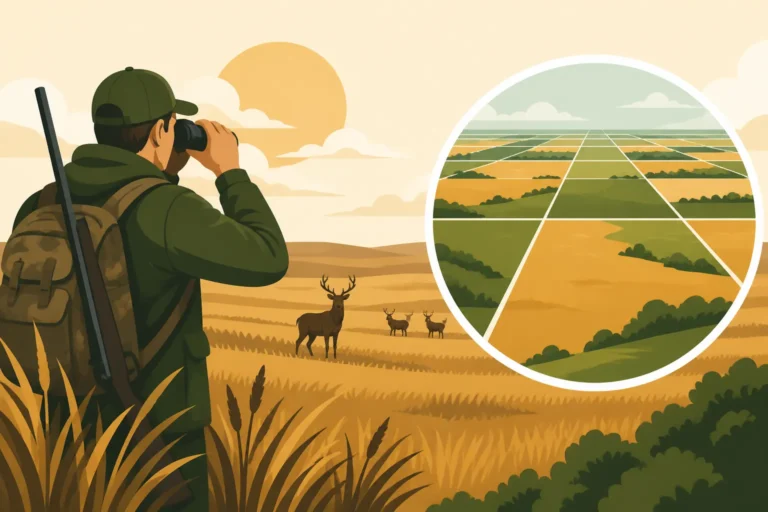
This region is a textbook example of what we call the "forest fringe." Imagine rolling fields of canola, wheat, or oats, abruptly giving way to dense stands of aspen poplar, balsam poplar, and a healthy smattering of spruce and tamarack. These bush pockets aren't just isolated clumps of trees; they often run for miles, forming complex networks of cover. This intermingling of open land and dense bush creates an incredible edge habitat that is absolutely vital for many game species. It offers the best of both worlds: the abundant food sources of the agricultural fields combined with the crucial bedding cover and escape routes of the forest.
When you're out there, you'll see how these bluffs and treelines act like natural highways and hideouts for animals. The transition zones are where the action often happens—deer moving from fields to bed, moose browsing along the fringes, and bears looking for easy foraging. It's a place where the landscape changes dramatically within a few hundred yards, from sun-drenched stubble to shaded, quiet forest. Understanding this dynamic is the first step to unlocking its secrets. Hunting the Forest Fringe for Big Bucks is a prime example of leveraging this type of habitat.
Water Features and Their Influence
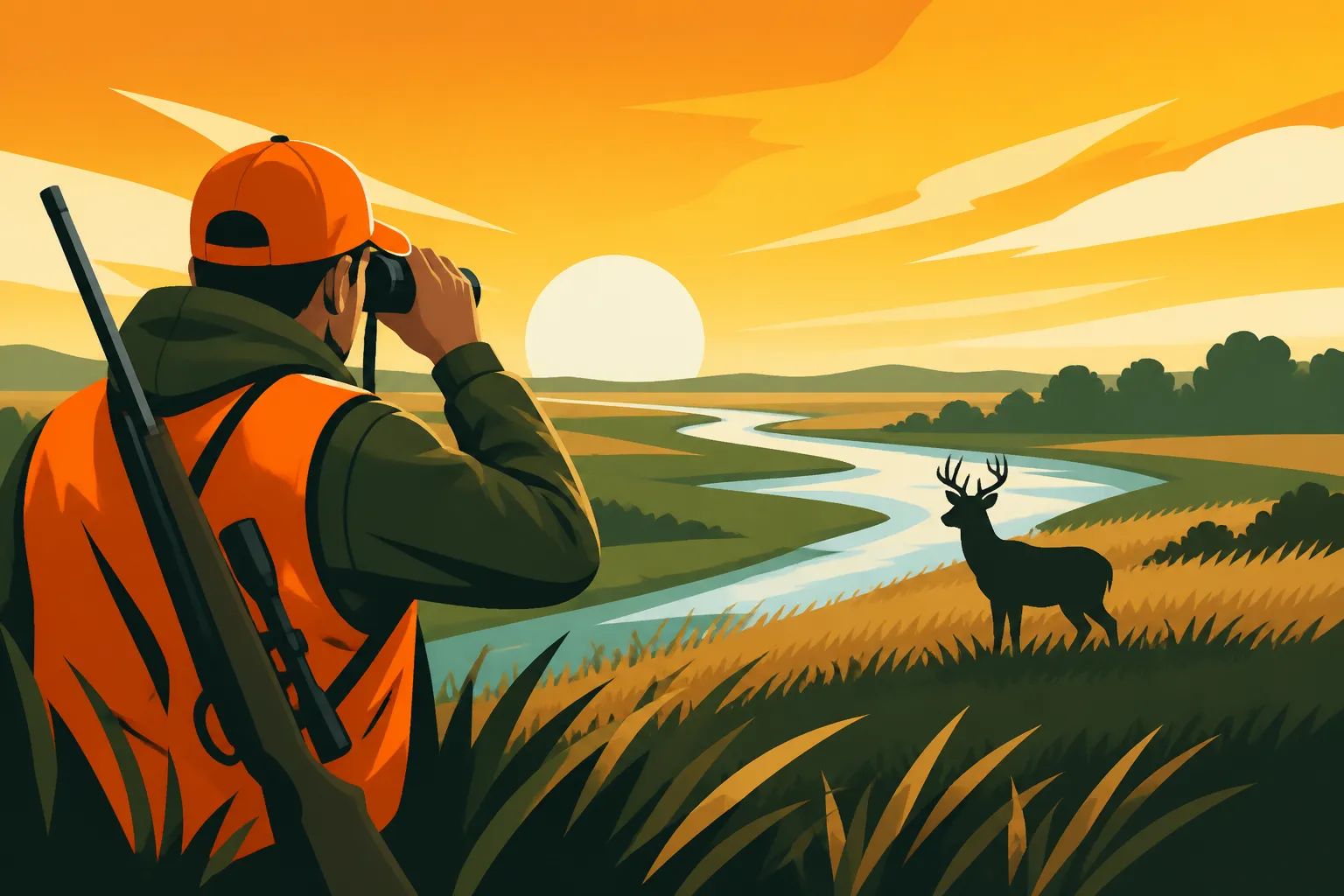
Beyond the forests and fields, water is a dominant and often overlooked element in the Leoville and Big River hunting experience. The Big River itself, along with its tributaries like the Cowan River and countless smaller creeks, sloughs, and potholes, weaves through the landscape, creating essential corridors and oases. These water bodies are not just pretty features; they are lifelines for wildlife.
Rivers and creeks act as natural travel routes, guiding animals from one area of cover to another, or from bedding to feeding grounds. They provide consistent water sources, which are particularly critical during dry periods. Furthermore, the numerous sloughs and wetlands make this region a haven for waterfowl, drawing in ducks and geese that feed in the nearby stubble fields. Even for big game, frozen sloughs in winter can create easy crossings, while the thick willows around their edges offer excellent cover. Hunters often find success by focusing on these water-rich areas, as they tend to concentrate wildlife. Knowing how game uses these features, whether for travel, water, or concealment, is critical to effective scouting and stand placement.
Prime Game Species and Hunting Opportunities
The unique blend of habitat around Leoville and Big River cultivates a diverse array of game species, offering fantastic hunting opportunities for a variety of interests. It's not just about one animal; it's about a thriving ecosystem supporting several key species.
Whitetail and Moose: The Big Draw
Without a doubt, whitetail deer and moose are the crown jewels of hunting in the Leoville and Big River areas. The combination of rich agricultural lands providing high-protein food sources and the extensive, dense cover of the forest fringe creates ideal conditions for these animals to thrive and grow to impressive sizes.
Whitetails here benefit from endless food opportunities in the surrounding grain fields. They'll spend their nights feeding in stubble, pea, or canola fields, then retreat to the safety of the bush lines, bluffs, and poplar stands during the day. This consistent access to quality forage and secure cover is a recipe for big, healthy deer. Hunters often focus on these transition zones, setting up stands or ground blinds along field edges, pinch points, or major travel corridors that connect food and bedding. When the rut hits, typically in early to mid-November, these bucks become more active and less cautious, making it an exciting time to be in the bush. Hunting the Rut in Early to Mid November is a prime strategy for these parts.
Moose, too, find this landscape highly hospitable. While many might associate moose with deep boreal forest, the forest fringe and even the more northern agricultural pockets offer an excellent mix of browse, water, and cover. Young aspen and willow regrowth, abundant in many cut areas or along slough edges, provides critical forage. You'll often find moose working through the deeper bush, along creek bottoms, or even venturing into grain fields, especially in the evening or early morning, particularly where the bush runs right up to the field edge. Hunting Farmland Moose in Saskatchewan or even Calling Moose in Saskatchewan's Bush can be very effective tactics in this region's varied terrain. These areas consistently produce good numbers of moose, making a draw tag here highly coveted.
Black Bear and Waterfowl Potential
Beyond the deer and moose, the Leoville and Big River area offers exciting prospects for black bear and waterfowl hunters, adding another layer of adventure to the region.
The dense forest cover provides excellent habitat for black bears. As you push deeper into the bush, especially around the edges of the larger provincial forests, bear sign becomes more prevalent. These bears thrive on the mixed berry crops, diverse vegetation, and occasional agricultural temptations that this transition zone offers. Spring bear hunting, often conducted over bait, is a popular pursuit here, allowing hunters to selectively harvest mature boars. Setting a Bear Bait Site in Saskatchewan requires careful planning and execution, but the rewards can be significant. It's important to remember that these bears can get quite large, with many weighing hundreds of pounds. What a Northern Black Bear Weighs gives you an idea of the potential here.
For waterfowl enthusiasts, the abundance of sloughs, potholes, and river systems, combined with vast grain fields, creates a fantastic environment. Ducks of various species will utilize the small water bodies for resting and roosting, flying out to feed in nearby stubble. Geese, too, frequent the larger fields, especially during migration, offering thrilling field hunting opportunities. While not always the primary focus for hunters in the area, a well-placed decoy spread on a local slough or field can lead to memorable hunts, often as a bonus to a big game trip.
Upland Birds and Small Game
Don't overlook the smaller game and upland bird opportunities that abound in the Leoville and Big River country. These pursuits can offer a fantastic change of pace or a dedicated hunt, especially if you enjoy working with a dog or simply walking through beautiful country.
Ruffed grouse are plentiful in the aspen and mixed wood forests. Their drumming in the spring is a familiar sound, and in the fall, they offer fast-paced shooting as they flush from thick cover along old logging roads, bush trails, or creek bottoms. Ruffed Grouse Hunting Saskatchewan's Bush Trails is a quintessential experience here. You'll often find them browsing on buds and berries, and a walk through a good aspen stand can often yield several flushes.
Sharp-tailed grouse can be found on the edges where the bush gives way to more open native grasslands or even in lightly treed pastures. They are a bit more elusive, often holding tight until you're right on top of them. Hungarian partridge, too, will occupy the brushy field edges and shelterbelts, providing another challenging target for keen-eyed hunters.
For those looking for smaller game, snowshoe hare numbers can fluctuate in cycles, but when they're up, the dense willow and spruce thickets provide excellent cover for these quick, white rabbits, especially in winter. These animals add to the overall richness of the hunting experience in the Leoville and Big River region, proving that there's always something to pursue.
Navigating Access and Land Use
One of the most crucial aspects of hunting successfully around Leoville and Big River is understanding the patchwork of land ownership and how to gain access. This region is a blend of public and private lands, and knowing the difference, along with the rules, is paramount.
Crown Land and Private Land Dynamics
The landscape surrounding Leoville and Big River is a quintessential example of Saskatchewan's mixed land ownership. You'll find significant blocks of Crown land, often in the form of provincial forests, wildlife management areas, or scattered quarter sections. These public lands are generally open to hunting, though specific regulations for vehicle access, camping, and treestand placement still apply. Tools like the Reading a Saskatchewan WMZ Map Before You Go and digital mapping applications like onX Hunt are indispensable for identifying these parcels of public land. onX Hunt, for instance, provides detailed property line information, clearly distinguishing Crown land from private holdings, which can save you a tremendous amount of time and prevent accidental trespass.
However, intermingled with this Crown land, and especially prevalent closer to the towns and along major roadways, is a substantial amount of private land, primarily agricultural fields and pastures. For these private parcels, gaining explicit permission from the landowner before you hunt is not just a courtesy; it's a legal requirement in Saskatchewan. Knocking on doors and building relationships with landowners can open up incredible opportunities, but it takes time, respect, and often, an off-season visit. Always be prepared to identify yourself, explain your intentions, and respect any conditions the landowner sets. Ignoring this aspect can quickly lead to trouble and damages the reputation of all hunters.
Roads, Trails, and Travel Considerations
Accessing the prime hunting grounds around Leoville and Big River involves navigating a network of roads and trails, each with its own set of challenges and considerations. The main grid roads are generally well-maintained gravel, providing good access to many areas. However, once you venture off these main arteries onto lease roads, old logging trails, or cutlines, conditions can deteriorate rapidly.
In dry conditions, these secondary trails can be dusty, but after rain or during spring thaw, they can become impassable mud pits, even for 4×4 vehicles. Winter brings its own set of challenges, with heavy snowfalls often drifting roads shut, making access difficult or impossible without a snowmobile. Always consider the weather forecast and ground conditions before heading deep into the bush. For many remote areas, especially for retrieving large game like moose or bear, a quad or side-by-side becomes almost essential. It's crucial to be aware of the specific Quad and Side-by-Side Rules on Crown Land to ensure you're operating legally and responsibly.
Having a robust navigation system, whether a reliable GPS unit or a smartphone app like onX Hunt or GoHunt with downloaded offline maps, is not just a convenience, it's a safety necessity. Cell service can be spotty or non-existent in many remote parts of the bush, so relying solely on phone signal is a gamble you shouldn't take. Being prepared for varying road conditions and having the right equipment for off-road travel will greatly enhance your ability to explore and hunt this diverse region effectively and safely.
Strategic Tips for a Successful Hunt
Hunting around Leoville and Big River, with its diverse landscape and varied game, requires more than just showing up with a rifle or bow. Strategic planning, timing, and proper gear are key to turning potential into success.
Scouting and Pre-Season Preparation
Effective scouting is the bedrock of a successful hunt in any area, and the Leoville and Big River country is no exception. Before you ever set foot in the field, start with maps. Digital platforms, particularly onX Hunt, offer satellite imagery that is invaluable for identifying key features. Look for where the fields meet the bush, noting pinch points, natural funnels, and areas of dense cover that would serve as bedding. Pay attention to creeks, river bends, and slough edges—animals often use these as travel corridors. GoHunt, another excellent resource, can provide historical harvest data and insights into general game distribution, helping you narrow down promising areas within the broader Wildlife Management Zones.
Once you have some promising spots on your map, in-person scouting is the next step. Look for fresh sign: tracks, rubs, scrapes (especially for whitetails), and heavily used trails. Notice what the animals are eating; is there standing crop, downed trees with fresh browse, or berry bushes? This kind of detailed observation will help you understand daily movement patterns. Remember, the area can be thick, so spending time walking the edges and glassing into clearings will pay dividends. A good strategy might involve scouting some of the Hunting Saskatchewan's Aspen Parkland Bluffs or focusing on Hunting a Poplar Bluff at First Light to see what's moving.
Timing Your Hunt for Optimal Success
The timing of your hunt in the Leoville and Big River area can significantly influence your success, as different seasons and conditions favour different species and tactics. For whitetail deer, the weeks leading up to and during the rut (typically mid-October to mid-November) are often considered prime. This is when bucks are most active, moving widely in search of does, and are more susceptible to calling and rattling. Understanding Hunting the Rut in Early to Mid November is crucial for these big bucks.
For moose, the archery season in September and the rifle season into October can be excellent, especially during the rut when bulls are more vocal and responsive to calls. Late season, when snow pushes animals to more accessible food sources, can also be productive for both deer and moose, though it demands more robust gear and cold weather preparedness. Black bear hunting is most popular in the spring (May-June) when they emerge from hibernation and are actively seeking food, often around bait sites. Fall bear season (late August-October) also offers opportunities, typically when bears are focused on foraging for winter.
Upland birds are generally best in the fall (September-October) after the leaves have started to drop, making it easier to see flushing birds and navigate the bush. For waterfowl, timing your hunt with the major migrations in September and October is key to catching large numbers of ducks and geese staging in the fields and water bodies. Each species and season presents unique opportunities and challenges, so aligning your visit with your target animal's peak activity is a smart move.
Essential Gear for the Region
Given the varied conditions and potential for remote travel in the Leoville and Big River area, having the right gear isn't just about comfort—it's about safety and success. First and foremost, a reliable navigation system is non-negotiable. Whether it’s a dedicated GPS unit or a smartphone with offline mapping capabilities (like onX Hunt), ensure you know how to use it and have spare power sources. Cell service is unreliable here, so don't count on it.
Layered clothing is critical, especially during the fall and late season. Temperatures can swing wildly, from mild mornings to freezing afternoons, and sitting in a stand requires insulation. Good quality, waterproof and insulated boots are essential, particularly if you're slogging through wet areas or hunting in snow. A sturdy backpack capable of carrying extra layers, water, snacks, first-aid, and game bags is a must. If you're venturing deep into the bush, consider carrying a small survival kit, a saw or axe, and communication devices like a satellite messenger.
For big game hunters, field dressing tools, game bags, and a plan for meat care are vital, especially if you're a long way from a vehicle. For those planning to use a quad or side-by-side, ensure it's in good working order and you have essential recovery gear, as getting stuck deep in the bush can quickly turn a fun hunt into a serious situation. Having a Winter Truck Kit for a Saskatchewan Hunt can also be a lifesaver if you're out during colder months. Being prepared for anything the Saskatchewan wilderness throws at you will not only make your hunt more enjoyable but also much safer.
Disclaimer
This article is for general informational purposes only and does not constitute professional advice. Laws, prices and regulations vary by location and change over time. Consult a qualified professional for guidance on your specific situation.