Hunting the Bronson Forest Country
Heading into a new hunting area can feel like stepping into a wild, unpredictable frontier, and the Bronson Forest Country in Saskatchewan is certainly one of those places that holds immense appeal but also a fair bit of mystery for many hunters. It’s vast, it’s wild, and it’s not always the easiest to navigate, leaving many wondering where to even begin their planning. This guide aims to demystify hunting in the Bronson Forest, helping you understand its unique landscape, plan your trip effectively, and approach your hunt with confidence, whether you're after moose, bear, or the elusive whitetail that calls this dense forest home.
Understanding the Bronson Forest Country Landscape
The Bronson Forest Country, nestled in west-central Saskatchewan, represents a significant transition zone where the agricultural lands begin to give way to the more rugged, mixed boreal forest. This isn't your typical open prairie hunting; it’s a landscape defined by dense stands of aspen, spruce, and pine, interspersed with countless small lakes, marshes, and muskeg. This unique blend creates a challenging yet incredibly rewarding environment for hunters willing to put in the effort.
Topography and Vegetation
When you look at a map, or even just drive through the edges of the Bronson Forest, you'll immediately notice the shift from cultivated fields to undulating, forested terrain. The ground often rises and falls gently, broken by ancient glacial ridges and numerous small creek drainages. The forest itself is a mosaic. You’ll find thick jack pine stands, prime bedding cover that often holds deer and bear, especially during colder weather. Interspersed are pockets of mature aspen, which provide crucial browse for moose and whitetails. Along the low-lying areas and around the many potholes and small lakes, you’ll encounter willow thickets, tamarack bogs, and dense spruce.
This diverse vegetation means game animals have an incredible variety of food sources and cover. For hunters, it means adapting your approach. You won't be glassing vast distances like on the open prairie; instead, you'll be relying on keen observation, understanding game trails, and moving quietly through dense cover. The terrain also dictates travel, making ATVs and good boots essential for deeper penetration. It's a place where you truly feel immersed in the wilderness, far from the everyday hustle.
Key Game Species and Their Habitat Preferences
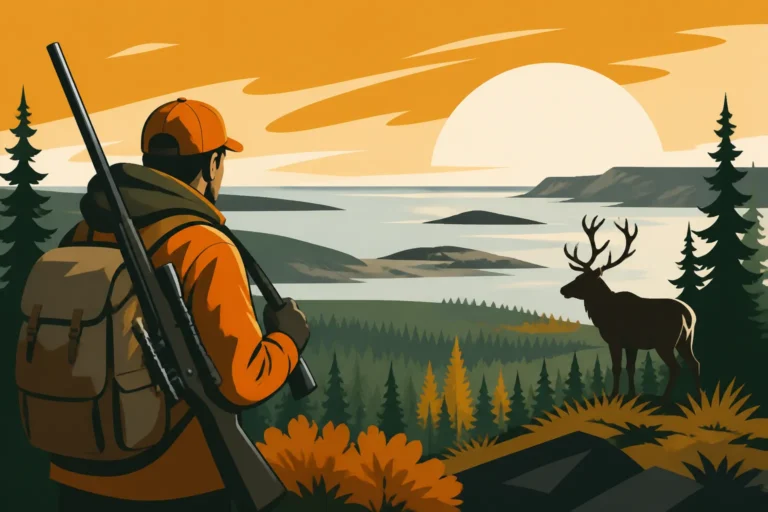
The Bronson Forest Country is a haven for several big game species, each utilizing the varied landscape in its own way. Moose are often found frequenting the wetter areas, browsing on willows and aquatic vegetation around the numerous lakes and sloughs. They thrive in the mix of water and dense cover, making tracking them a real exercise in patience and bushcraft. You might hear stories of hunters calling a bull moose from across a bog, and that's exactly the kind of country you're in. For more on moose, check out Moose Hunting Saskatchewan's Farmland and Forest.
Black bears are also abundant, utilizing the dense forest for cover and the diverse food sources from berries to aspen shoots. They can be found almost anywhere within the forest, often following natural corridors like old logging roads or creek bottoms. Hunting black bears here often involves strategic baiting, which can be highly effective in the thick cover. Black Bear Hunting in Saskatchewan offers more insights into this exciting pursuit. Whitetail deer in the Bronson often grow to impressive sizes, benefiting from ample food and minimal pressure in the dense bush. They tend to stick to the edges of clearings, mature forest pockets, and along the transition zones where the forest meets any small pockets of agriculture or old cutlines. Understanding Hunting Whitetails in Saskatchewan's Forest Fringe is key here.
Beyond big game, the Bronson is fantastic for upland birds. Ruffed grouse, in particular, flourish in the aspen and mixed forest stands, often found drumming along old trails and clearings. Hunting them means walking quiet trails and enjoying the crisp fall air. If you're into it, Ruffed Grouse Hunting Saskatchewan's Bush Trails provides excellent tips.
Planning Your Hunt in Bronson Forest
A successful hunt in the Bronson Forest Country begins long before you set foot in the woods. This is not a place for last-minute decisions; careful planning, mapping, and understanding access are absolutely critical for both success and safety. The vastness of the area means getting lost or stuck can quickly turn a memorable trip into a difficult situation.
Mapping and Scouting Tools
In country as rugged and dense as the Bronson Forest, reliable mapping tools are your best friend. Gone are the days of solely relying on paper maps, though carrying one as a backup is always a good idea. Digital platforms like onX Hunt have revolutionized how hunters scout and navigate. Before you leave home, spend considerable time poring over satellite imagery on onX Hunt, identifying potential access points, old logging roads, clearings, water sources, and natural funnels that game might use. You can mark waypoints for stands, potential bedding areas, or even escape routes. This pre-scouting is invaluable, helping you visualize the terrain and pinpoint areas of interest without having to physically hike every acre. For more on this, see Reading Saskatchewan Crown Land Layers on onX.
Similarly, platforms like GoHunt can offer additional layers of information, sometimes showing vegetation types or historical game data that can inform your strategy. These tools help you understand the lay of the land, differentiate Crown land from private parcels, and identify areas that might hold less hunting pressure simply because they are harder to reach. When you're on the ground, having these maps on your phone with offline capabilities means you always know where you are, even without cell service – which is often the case in the deeper parts of Bronson.
Access Points and Navigation Challenges
Accessing the heart of Bronson Forest Country is often the first significant challenge. While there are main grid roads and highways that skirt the edges, venturing deeper typically requires secondary trails, old logging roads, or even cutting new paths. Many of these trails are unmaintained, especially after rain or heavy snow, and can quickly become impassable for standard vehicles. A reliable 4×4 truck is almost a necessity for getting to the trailheads, and often, a quad or side-by-side becomes indispensable for truly penetrating the bush. Understanding Quad and Side-by-Side Rules on Crown Land is crucial before you head out, as regulations vary.
Be prepared for mud, water crossings, and downed trees. It's not uncommon to encounter a deep rut or a flooded section that brings your progress to a halt. Always travel with recovery gear – winches, tow straps, a shovel, and even a chainsaw for clearing trails. GPS navigation is paramount. Mark your parking spot, your turns, and any significant landmarks. The forest can quickly become disorienting, with thick cover obscuring familiar sights. If you plan to spend days in the deeper bush, be familiar with What to Do If You Get Stuck in the Bush and carry a reliable satellite communication device like a Garmin inReach or a SPOT device for emergencies. Cell service is spotty at best and non-existent in many remote areas.
Essential Gear and Safety Considerations
Hunting in Bronson Forest demands robust gear and a strong emphasis on safety. Beyond your hunting weapon and optics, consider the following:
| Category | Essential Gear | Safety Considerations |
|---|---|---|
| Navigation | GPS device (dedicated or phone with offline maps), compass, paper map | Know how to use all tools, carry spare batteries/power bank, always mark your path. |
| Clothing | Layered, waterproof, breathable attire (blaze orange where required), insulated boots | Dress for extreme weather swings, especially in fall/winter. |
| Shelter | Tent or tarp, sleeping bag suitable for cold temps, sleeping pad | Be prepared to spend a night out if unexpected delays occur. |
| Food & Water | High-energy snacks, water filter/purifier, ample water | Bring more than you think you need, especially water for hydration. |
| First Aid | Comprehensive kit, personal medications | Know basic first aid, carry epipen if allergic, inform hunting partners of medical needs. |
| Tools | Knife, multi-tool, headlamp with spare batteries, small axe/saw, rope/cordage | Essential for camp setup, processing game, and unexpected repairs. |
| Fire | Waterproof matches, lighter, fire starter | Crucial for warmth, cooking, and signaling. Practice fire starting in adverse conditions. |
| Communication | Satellite messenger, whistle, signal mirror | Critical for emergencies where cell service is absent. |
Remember to inform someone trustworthy of your hunting plans, including your exact location, expected return time, and who to call if you don't check in. A well-stocked Winter Truck Kit for a Saskatchewan Hunt can make all the difference if you're accessing the area in colder months, ensuring you're prepared for anything from a flat tire to getting stuck in deep snow on a grid road.
Strategies for Hunting Bronson Forest Game
Hunting in the Bronson Forest is a completely different ballgame than hunting open fields or sparse bush. It requires patience, keen observation, and an understanding of how game moves through dense cover. The tactics you employ will depend heavily on the species you're pursuing and the specific conditions of your hunt.
Moose Hunting Tactics
For moose, the Bronson Forest offers prime habitat, especially around its many wet areas. One of the most effective strategies here is calling. During the rut, typically in late September and early October, a bull moose will often respond aggressively to cow calls or a bull grunt. Finding a good vantage point near a slough edge or a willow run, where you can see a fair distance but also have cover to conceal yourself, is ideal. Moose often follow natural travel corridors like old game trails, creek beds, or even Hunting a Beaver Dam Crossing. Being patient and listening intently for a response is key.
Still-hunting slowly and quietly through dense timber, especially in areas with fresh browse or tracks, can also be highly productive. Focus on areas where mature timber meets younger growth, or where there's a transition from dry ground to a wetter bog. Moose are powerful animals, and tracking a wounded one through thick muskeg can be incredibly challenging, so shot placement is paramount. Consider a heavier calibre rifle with good bullet performance.
Black Bear Hunting Approaches
Black bear hunting in the Bronson Forest often revolves around baiting, which is a legal and highly effective method in Saskatchewan's northern zones. Setting up a bait site requires careful planning, adherence to regulations, and regular maintenance. You'll want to choose a site that's relatively secluded, away from main trails, and offers good concealment for your stand or blind. Bear activity tends to be higher in the evenings, so timing your sits is crucial. Setting a Bear Bait Site in Saskatchewan is an art form, involving a consistent food source and patience.
Another method, less common but still viable, is spot-and-stalk, particularly during the spring when bears might be out feeding in clearer areas like old cut blocks, pipeline rights-of-way, or burned areas. If you find a fresh Hunting a Pipeline Right-of-Way or other open corridors, slowly glassing from a distance can sometimes reveal a bear feeding. However, the density of the Bronson Forest makes true spot-and-stalk challenging, often turning into an ambush scenario if you can identify a travel route. Look for signs like tracks, scat, and rubbed trees as indicators of bear presence.
Whitetail Deer in the Thick Bush
Hunting whitetail deer in the Bronson is often a game of patience and understanding their movements in dense cover. These deer are often unpressured and can grow large due to excellent nutrition and age structure. The "forest fringe" environment found here means whitetails utilize the thick bush for bedding and security, venturing out to browse on aspen, willow, and any available agricultural edges or clearings.
One effective tactic is hunting pinch points and natural funnels. Look for areas where dense cover forces deer into narrower corridors, such as between two sloughs, along the edge of a thick spruce bog, or where an old logging road bottlenecks. Stand or blind placement needs to be strategic, considering wind direction and escape routes. Patience is a virtue when Hunting the Forest Fringe for Big Bucks. Rattling and grunting can sometimes be effective, especially during the rut, but consider the limited visibility; your calls might draw a buck in close before you even realize it. Still-hunting slowly through known bedding areas, pausing frequently to scan for horizontal lines or an ear flick, can also work, but requires an incredible amount of stealth and focus. For more specific insights into hunting in these conditions, consider Hunting an Old Logging Road in the North.
Navigating Regulations and Responsible Hunting
Hunting in Saskatchewan, especially in specific areas like the Bronson Forest Country, comes with a set of rules and ethical considerations that every hunter must understand and respect. These regulations are in place to ensure sustainable wildlife populations and safe hunting for everyone.
Understanding Wildlife Management Zones
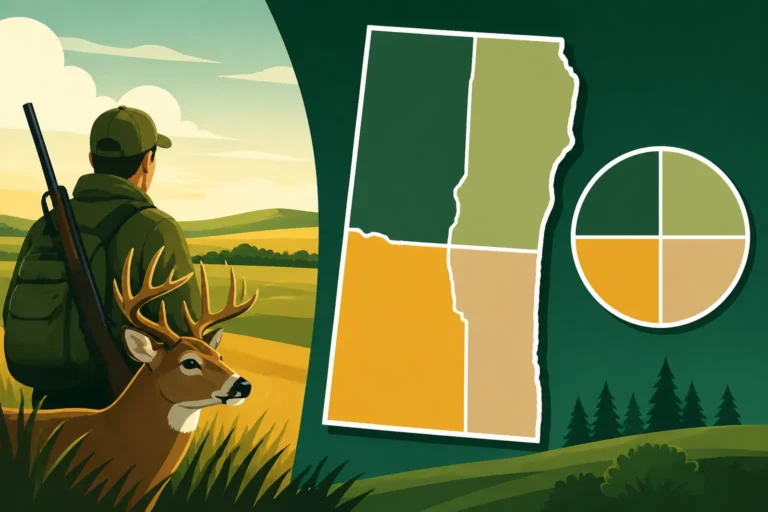
Saskatchewan is divided into numerous Wildlife Management Zones (WMZs), and the Bronson Forest Country spans several of these. Each zone can have different season dates, bag limits, and specific regulations for certain species. Before planning your hunt, it is absolutely imperative to consult the official Saskatchewan Hunters' and Trappers' Guide for the current year. This guide will outline the specific rules for the WMZ you plan to hunt. For example, some zones might be draw-only for certain species, while others might have general tags available. Always confirm the zone boundaries and ensure your licence is valid for that specific area. This due diligence prevents unintentional violations and ensures you're hunting within the legal framework. For a broader understanding of how zones affect hunting, see How Saskatchewan's Zones Set Your Season.
Crown Land Access and Posted Land Rules
Much of the Bronson Forest Country consists of Crown land, meaning it is public land available for recreational use, including hunting. However, even on Crown land, there can be specific rules regarding vehicle access, camping, and the placement of permanent stands. It's crucial to understand these nuances. Some Crown land parcels might be grazing leases, meaning they are utilized by ranchers, and while hunting is generally permitted, respecting the leaseholder's operations (e.g., closing gates, not disturbing cattle) is vital. For more details, consult Saskatchewan's Crown Land Access.
Additionally, parcels of private land are interspersed throughout the region, particularly on the fringes of the forest where agriculture begins. It is strictly prohibited to hunt on private land without explicit permission from the landowner. Always look for "Posted Land" signs, which clearly indicate where hunting is not permitted or where permission is required. Even if no signs are present, it's a hunter's responsibility to know land ownership and secure permission for private property. Taking the time to Knocking on Doors in Saskatchewan Farm Country can often unlock fantastic opportunities and build positive landowner-hunter relationships.
Environmental Stewardship and Ethical Practices
Hunting responsibly in the Bronson Forest extends beyond just following the rules; it encompasses a strong commitment to environmental stewardship and ethical conduct. The remote nature of this area means that human impact can be more pronounced, and leaving no trace is paramount. Pack out everything you pack in, including spent shell casings, food wrappers, and any other garbage. Avoid disturbing sensitive habitats, and be mindful of your impact on natural waterways and wetlands.
Fire safety is another critical aspect, especially during dry conditions. Wildfires can spread rapidly through dense forest, devastating wildlife habitat and posing significant danger to human life. Always be cautious with campfires, ensure they are completely extinguished, and be aware of any fire bans in effect. Ethical hunting also includes humane shot placement, thorough tracking of wounded animals, and proper meat care. In cold weather, knowing how to handle and process game promptly is vital to preserve the meat. The Bronson Forest offers an incredible hunting experience, and it's up to every hunter to ensure it remains a pristine and productive wilderness for generations to come.
Disclaimer
This article is for general informational purposes only and does not constitute professional advice. Laws, prices and regulations vary by location and change over time. Consult a qualified professional for guidance on your specific situation.