Best Saskatchewan Ground for Whitetails
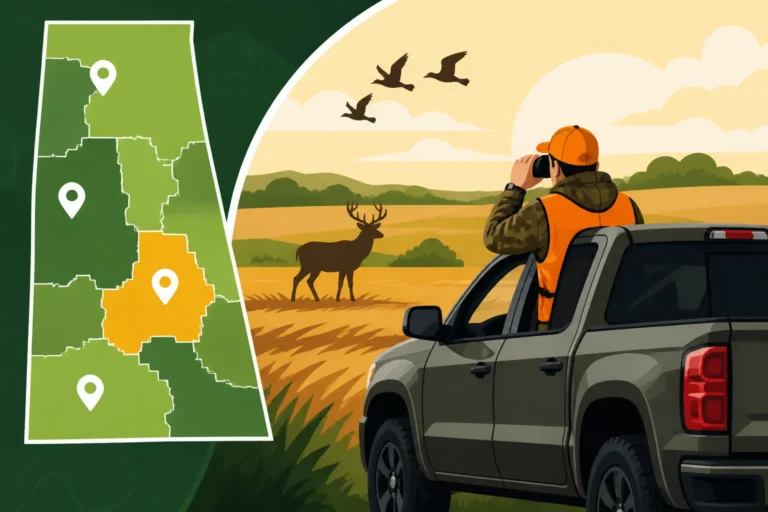
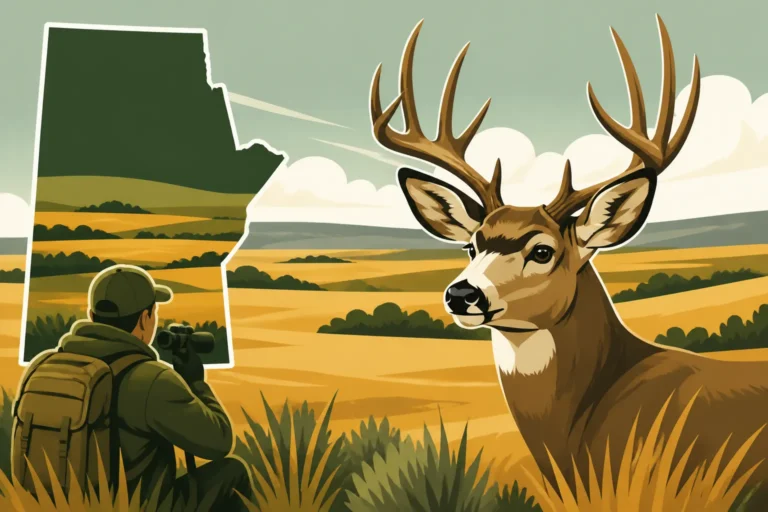
Finding prime whitetail hunting ground in Saskatchewan can feel like searching for a needle in a haystack, especially with the province's vast and diverse landscapes. It's easy to get overwhelmed trying to pinpoint where those elusive big bucks truly live and thrive. This guide is here to cut through the confusion, helping you understand the key habitat types and specific areas that consistently produce top-tier whitetail opportunities.
Saskatchewan's Forest Fringe: Whitetail Heaven
When hunters talk about big Saskatchewan whitetails, the conversation almost always drifts to the forest fringe. This isn't by accident; it's where the rich agricultural land meets the endless boreal forest, creating a perfect blend of food, cover, and refuge that whitetails absolutely adore. This transition zone provides everything a deer needs to grow old, big, and carry impressive antlers. The sheer abundance of high-protein forage from crops, combined with the dense security cover of the bush, creates an environment where deer can flourish with less hunting pressure than more open areas. It's a sweet spot, and understanding its dynamics is key.
Aspen Parkland Bluffs and Bush Pockets
Within the broader forest fringe, specific micro-habitats stand out. Aspen bluffs and scattered bush pockets are sanctuaries for whitetails. These aren't just random clumps of trees; they often represent higher ground, offering deer a vantage point, protection from harsh winds, and critical bedding cover. In areas like the Saskatchewan's Aspen Parkland Bluffs, these bluffs can be surrounded by grain fields, giving deer easy access to feed. Hunters often find heavy trails leading from the edges of these bluffs into adjacent crops at dawn and dusk. During the day, bucks will often bed down deep inside these bluffs, sometimes only moving a few yards from their beds to feed on browse within the thicker undergrowth. The challenge here is quietly navigating the dense cover without spooking deer that are already alert and well-hidden.
Think about a typical day for a whitetail in these areas. They might feed heavily in a pea field or standing canola all night, then as first light approaches, they slip back into the thickest part of an aspen bluff. They'll spend the day bedded, chewing their cud, and listening for any sign of disturbance. A keen hunter, understanding this pattern, might position themselves on a field edge, or carefully still-hunt through the bluff itself, looking for rub lines, fresh scrapes, and heavy trails. Pay attention to micro-terrain features, even a slight elevation change can offer a buck a bedding advantage.
River Valleys and Creek Drainages
Beyond the immediate forest fringe, Saskatchewan's numerous river valleys and creek drainages, especially those that wind through parkland and agricultural zones, are often overlooked goldmines for whitetails. The Qu'Appelle Valley, for instance, is a classic example. These valleys provide natural travel corridors, sheltered bedding areas along their slopes, and a consistent water source. The sheer elevation changes and broken topography offer incredible security cover, even in otherwise open country. Deer will utilize the thick brush, willow bottoms, and timbered slopes to move unseen, making them excellent places to intercept bucks travelling between feeding and bedding areas. Hunting a Saskatchewan River Valley offers a unique challenge and reward.
Imagine a large coulee or river valley slicing through miles of farmland. While the surrounding prairie might appear barren, the valley itself can be a lush ribbon of life. Bucks will use the steep, brushy slopes for bedding during the day, especially on sunny, south-facing slopes in colder weather. They'll then move up out of the valley to feed in the adjacent fields at night. During the rut, these valleys become superhighways for bucks cruising for does, making them ideal for setting up stands or still-hunting. Access can be tricky, often requiring permission for the land above, but the rewards can be significant. Look for areas where smaller draws feed into the main valley; these are often pinch points for deer movement.
Farmland Pockets and Hidden Gems
While the forest fringe gets a lot of hype, don't underestimate the sheer potential of agricultural lands that might seem less "wild." Saskatchewan's farmlands are incredibly rich in food sources, and whitetails adapt remarkably well to living among the fields, using whatever cover they can find. Many big bucks are harvested each year by hunters who focus on these seemingly unassuming areas, understanding how deer use every available piece of cover to their advantage. It's not always about vast unbroken wilderness; sometimes, it's about finding the small, strategic pockets.
Shelterbelts and Field Edges
Shelterbelts, those lines of trees planted by farmers to protect crops and farmsteads from wind, are absolute magnets for whitetails. These linear strips of cover provide bedding, travel routes, and a sense of security in an otherwise open landscape. Paired with the edges of standing or swathed grain fields, they create incredible opportunities. Deer will often bed right in the shelterbelt, especially if it's thick, and then pour out into the fields at last light. Hunting a Shelterbelt Between Two Fields requires careful observation and smart stand placement.
Consider a long, winding shelterbelt separating two huge fields – perhaps one with standing corn and another recently harvested. Deer will often stage inside the shelterbelt, moving out into the feed when conditions are right. They use the cover to approach fields unnoticed, making the juncture points, where the shelterbelt ends or intersects with another feature, prime ambush sites. Don't just look at the shelterbelt; walk its length (with permission!) to find trails, rubs, and scrapes along its interior and edges. Sometimes, a thick shelterbelt will have a parallel deer trail running its entire length just inside the treeline, a true highway for deer moving through the landscape.
Slough Edges and Drainage Draws
Saskatchewan's prairie is dotted with countless sloughs, wetlands, and drainage draws – and these are far more than just water features. They often boast thick willow and cattail growth, creating ideal bedding and security cover for whitetails in areas where timber is scarce. A small, brushy slough in the middle of a vast stubble field can hold multiple deer. Likewise, brushy drainage draws, even if dry, act as natural travel corridors and bedding areas, allowing deer to move through open country largely undetected. Hunting a Slough Edge for Whitetails means understanding how these animals leverage seemingly insignificant cover.
Think of a lone slough, maybe a hundred yards across, ringed with thick willows and cattails, nestled in a quarter section of barley stubble. It seems small, but that dense cover provides incredible thermal regulation and concealment. Bucks will often bed down right in these rings, only moving a short distance to feed in the surrounding fields. When scouting, pay close attention to the wind direction, as deer will often bed to take advantage of prevailing breezes to detect threats. A hunter set up on the downwind side of such a feature, especially during the rut, can be in for a surprise. These spots can concentrate deer in ways larger, more expansive timber can't.
Leveraging Technology and Permission for Success
Knowing where the deer prefer to live is one thing, but actually gaining access and effectively scouting those locations is another. This is where modern tools and good old-fashioned communication come into play. Hunting in Saskatchewan often involves a mix of public and private lands, and understanding how to navigate both is crucial for consistent success on whitetails.
Mapping Apps and Satellite Imagery
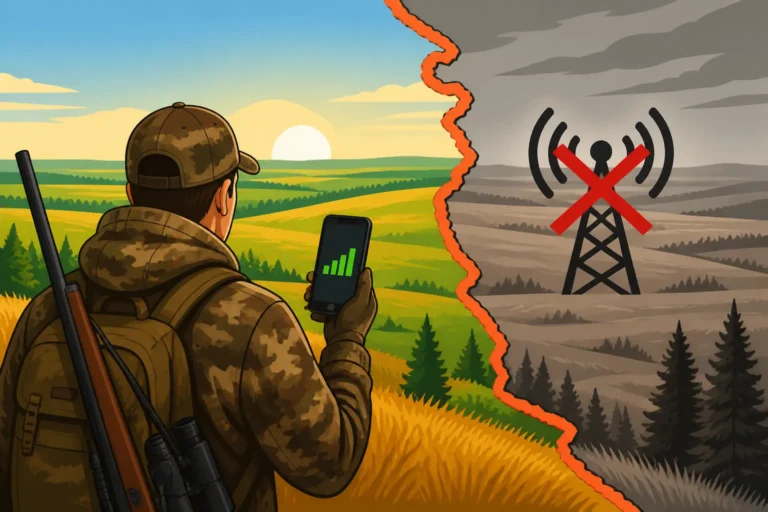
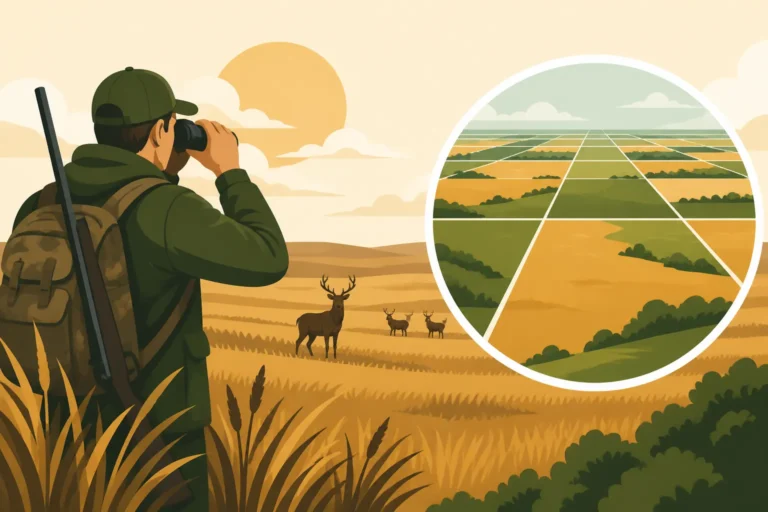
In today's hunting world, mapping applications are indispensable tools for identifying potential whitetail habitat, especially on unfamiliar ground. Apps like onX Hunt and GoHunt provide detailed satellite imagery, land ownership information, and topographic maps right on your phone. You can easily identify those subtle aspen bluffs, shelterbelts, river bends, and slough edges from the comfort of your home, long before you ever set foot in the field. This allows you to pinpoint potential bedding areas, travel corridors, and feeding zones, and crucially, see property lines to ensure you're hunting legally. Scouting With Satellite Imagery in Saskatchewan is a game-changer.
Before you even load up your truck, you can spend hours virtually scouting. Look for pinch points created by fields meeting bush, natural funnels in river valleys, or secluded draws that connect larger blocks of cover. Identify potential access points and areas where deer might cross roads or fencelines. When you eventually hit the field, you'll arrive with a much clearer understanding of the terrain, saving valuable hunting time. Remember, the satellite imagery can be a few years old, so always cross-reference with ground truth if possible, but it's an incredible starting point.
| Habitat Type | Key Features for Whitetails | Hunting Strategy Suggestion |
|---|---|---|
| Forest Fringe Bluffs | Dense aspen, willow, thermal cover, adjacent crop fields | Morning/evening stand on field edge, still-hunt midday |
| River/Creek Valleys | Steep, brushy slopes, natural travel corridors, water | Ambushes on trails between bedding/feeding, rut cruising |
| Shelterbelts | Linear cover, windbreak, travel routes, adjacent crops | Ambush points where belts intersect or end, morning/evening |
| Slough Edges & Draws | Thick willows/cattails, dense bedding cover, water | Downwind stand, still-hunt thickest cover |
| Old Logging Roads | Edge habitat, clearings, food plots, low pressure | Spot and stalk, walk-in access, evening stands |
Getting Permission on Private Land
Saskatchewan is predominantly private land, and respecting landowner rights is paramount. Many of the best whitetail spots, especially in the prime forest fringe and rich farmland areas, are on private property. Taking the time to Knocking on Doors in Saskatchewan Farm Country and build relationships with landowners is arguably the most effective strategy for consistent success. Don't just show up the week before season; start early, offer to help with chores, and always be polite and respectful. A simple "no" isn't a rejection of you, it's often just a busy farmer. Try again another time, or ask if they know someone else who might allow access.
When you do get permission, make sure you understand the boundaries and any specific rules the landowner has. Some might allow vehicle access; others might require you to Hunt on Foot Only. Always leave gates as you found them, don't litter, and offer to share some of your wild game if you're successful. A good relationship with a landowner can open up incredible opportunities year after year, giving you access to those hidden gems that others drive past. Remember, posted land signs require you to have explicit permission, so never assume.
Less Pressured Zones and Remote Opportunities
While the "easy access" areas near roads and towns can be productive, often the biggest, most mature whitetails come from areas with less human disturbance. These might require more effort to reach, but the payoff can be substantial. For the hunter willing to put in the work, Saskatchewan offers some incredible remote whitetail experiences.
Hunting the Forest Fringe for Big Bucks
Beyond the well-known hotspots, there are always areas within the forest fringe that simply see less pressure due to difficult access, or because they're a little further off the beaten path. These might be tracts of Crown land that require a longer walk-in, or private land that hasn't been heavily hunted. Big bucks, especially wary mature ones, seek out these pockets of solitude. They will often hold tight in dense cover, only moving during low light or when pressure pushes them. Hunting the Forest Fringe for Big Bucks means being willing to get away from the roads and the crowds.
These are the areas where you might find older, thicker bush, perhaps a little more broken topography, or a mix of timber and small meadows. Here, scouting becomes even more critical. Look for older rubs, larger tracks, and deeper trails indicating established buck travel. A buck in these areas might not leave the cover of the bush for a field edge until well after dark, making traditional field-edge hunting less effective. Instead, focus on still-hunting through the timber, finding natural funnels, or setting up on internal trails within the bush. Patience is a virtue here, as deer movement can be subtle.
Crown Land North of the Farmland Belt
Saskatchewan has significant tracts of Crown land, particularly as you move north of the primary agricultural belt into the more boreal transition zones. While not all Crown land is created equal for whitetails, certain areas can hold fantastic potential, especially those where the boreal forest still fringes against some pockets of cultivation or natural openings. These are often vast, requiring good navigation skills and a willingness to explore. Hunting Whitetails on Saskatchewan Crown Land can be a truly rewarding experience, offering a sense of wilderness hunting not found in more developed areas.
These regions might include old logging blocks, pipeline right-of-ways, or areas around smaller lakes and rivers that haven't seen extensive agricultural development. The deer here might not be as heavy as their farmland counterparts, but they are often wilder, more challenging to hunt, and can still carry impressive antlers. Access might involve long walks down overgrown trails, using an ATV, or even a boat. The lack of constant human disturbance allows bucks to live out more natural lifespans and patterns. Focus on areas where mature timber meets younger regeneration, or along the edges of muskegs and swamps that offer dense cover. These areas are perfect for hunters seeking a more challenging, self-reliant hunt away from the crowds.
Ultimately, finding the best whitetail ground in Saskatchewan is a combination of understanding deer habitat preferences, utilizing modern tools for scouting, respecting landowners, and being willing to put in the effort to explore less-pressured areas. Whether you're hunting an aspen bluff in the parkland or a remote stretch of Crown land, Saskatchewan offers incredible opportunities for the dedicated whitetail hunter.
Disclaimer
This article is for general informational purposes only and does not constitute professional advice. Laws, prices and regulations vary by location and change over time. Consult a qualified professional for guidance on your specific situation.