What Hunt on Foot Only Means
There’s a common phrase you’ll encounter when hunting in Saskatchewan, especially as you study maps and regulations: "Hunt on Foot Only." It sounds simple enough, but the reality and implications for your hunting trip are far more nuanced than just parking your truck and walking. This guide is here to unravel what "hunt on foot only" truly means for hunters, the rules behind it, and how you can successfully plan and execute a hunt in these often incredibly rewarding areas.
Understanding the "Hunt on Foot Only" Mandate
When you see "hunt on foot only" associated with a specific Wildlife Management Zone (WMZ) or a particular parcel of Crown land or a Fish and Wildlife Development Fund (FWDF) property, it's not just a suggestion; it's a hard and fast rule. This regulation is designed to manage hunter impact, maintain the wild character of certain areas, and often protect sensitive habitats or wildlife. Ignoring it can lead to hefty fines and loss of hunting privileges, which nobody wants.
What the Regulation Actually States
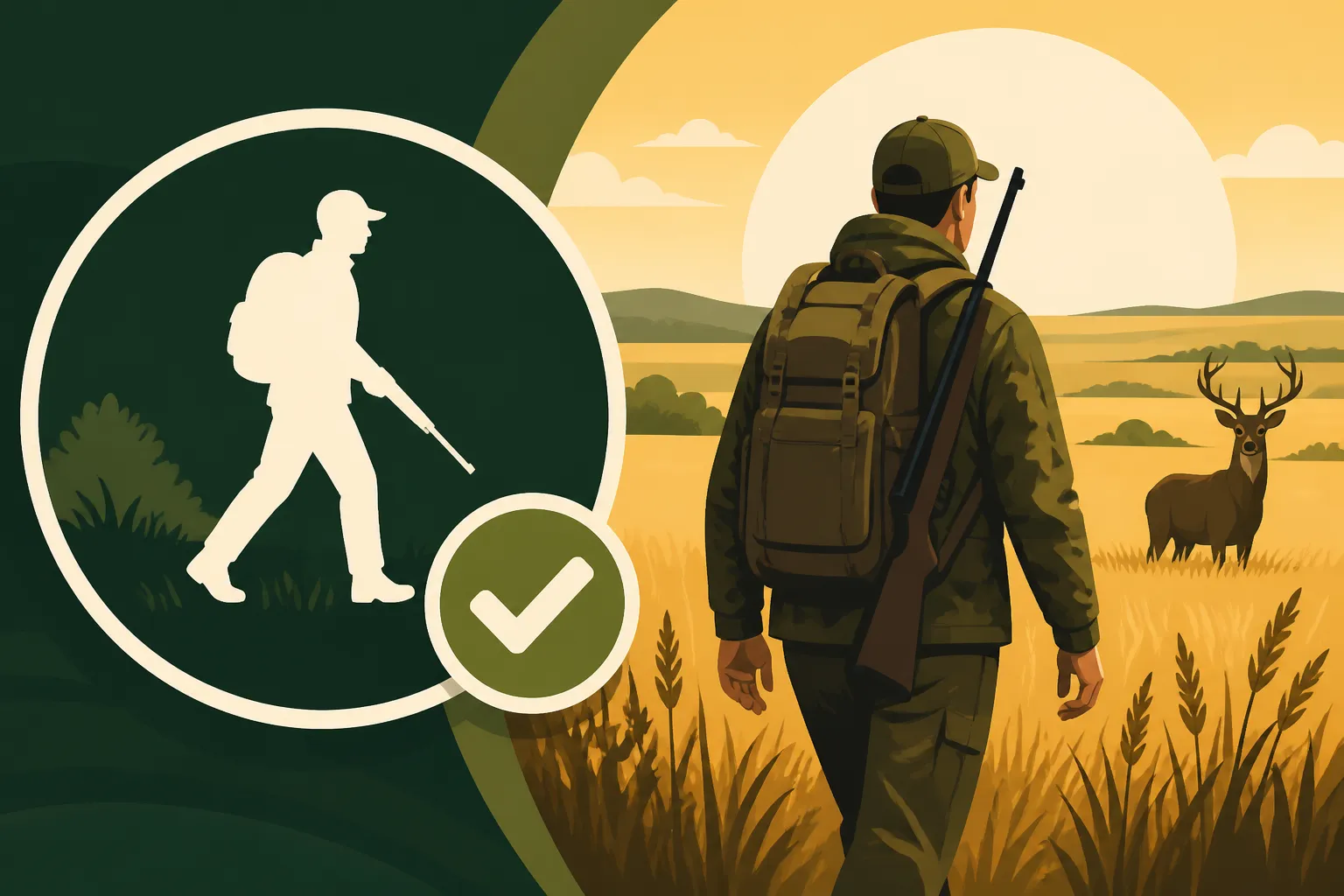
The core of the "hunt on foot only" rule means that once you leave a public road or designated parking area, all hunting activities—from active pursuit to scouting and approaching a stand—must be done without the aid of motorized vehicles. This includes ATVs, UTVs, dirt bikes, snowmobiles, and even electric bikes in many interpretations. The intent is to limit pressure, create a quieter hunting experience, and ensure a level playing field for all hunters by removing the advantage of motorized access deep into prime wildlife habitat.
It's crucial to understand that "hunt on foot only" generally applies to the pursuit of game. While you might drive your truck to the edge of a section, the moment you step out with your rifle or bow and begin to hunt, you are expected to proceed on foot. This often means parking at the closest legal access point and then covering potentially vast distances on your own two feet. Always double-check the specific regulations for the WMZ or land parcel you intend to hunt, as some areas might have additional caveats or specific exemptions for retrieving downed game, though these are rare for the initial hunting effort itself. A clear understanding of Reading a Saskatchewan WMZ Map Before You Go will be your best friend here.
Why This Rule Exists
The rationale behind "hunt on foot only" is multi-faceted, stemming from both conservation efforts and hunter experience considerations. Firstly, it's a powerful tool for habitat protection. Vehicles, especially off-road ones, can cause significant damage to fragile ecosystems, compact soil, disturb vegetation, and create erosion, particularly in wet conditions. By restricting vehicles, these areas remain more pristine and natural. Secondly, it reduces disturbance to wildlife. Constant vehicle traffic pushes animals deeper into cover, makes them more nocturnal, and generally stresses them, impacting their natural patterns and potentially their ability to thrive.
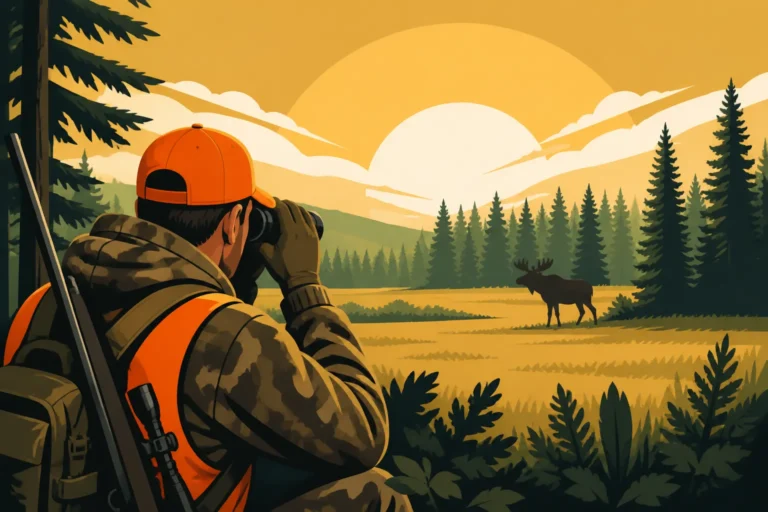
Furthermore, these regulations contribute to a higher quality hunting experience. Imagine tracking a majestic bull moose or a savvy whitetail buck in an area where the only sounds are the rustle of leaves or the crunch of snow underfoot, not the drone of an engine. This creates a more challenging, immersive, and ultimately more rewarding hunt. It also spreads out hunters, as fewer people are willing or able to penetrate deep into these areas on foot, leading to less crowded hunting grounds. For landowners, allowing foot traffic often comes with fewer concerns about property damage compared to vehicles. It's about respecting the land and the animals it supports, ensuring these wild spaces remain wild.
Practical Implications for Hunters
Hunting on foot only fundamentally changes how you approach your hunt. It transforms your scouting, your gear choices, and your mental preparation. It’s no longer about how far your quad can take you; it’s about how far your legs can carry you and how smart you can hunt within those limitations.
Planning Your Access and Retrieval
The first hurdle is often simply getting into the hunting area. You might have found a promising section of Saskatchewan's Crown Land Access or an FWDF parcel on your onX Hunt app, but then you realize the nearest road is miles away from the prime cover. This requires meticulous planning. You need to identify legal parking spots, which might be a pull-off on a grid road, a designated parking lot, or a friendly farmer's yard (with permission, of course). From there, you're hiking. Consider how much ground you can realistically cover in a day, especially when carrying a pack. You'll need to calculate travel time in and out, leaving enough daylight for the hunt itself.
Retrieving downed game is another major consideration. Imagine dropping a mature whitetail buck two miles into a "foot access only" zone, especially during a Hunting Saskatchewan Winter Weather Safely cold snap or early season warmth. You can't just drive your truck in. This means you need a plan for quartering the animal and packing it out, often in multiple trips. This is where a good packing frame, game bags, and perhaps even a heavy-duty sled for snow become invaluable. It's a physical challenge, but also a moral and legal obligation to recover your game. Discussions with locals or fellow hunters often reveal the best strategies for Getting a Deer Out on a Frozen Trail or managing Meat Care in Saskatchewan's Cold Snaps when faced with a long pack out.
Respecting Landowner Boundaries
Even when hunting public lands designated "hunt on foot only," you are almost certainly going to be bordering private property. This is where diligence and good mapping tools like onX Hunt or GoHunt become absolutely critical. You must know exactly where the property lines are to avoid accidental trespass. A "hunt on foot only" rule on public land does not grant you the right to walk across private land to reach it, unless you have explicit permission from the landowner.
Always carry a current map and GPS (and know how to use them without cell service!). Even a small deviation can land you in trouble. When Knocking on Doors in Saskatchewan Farm Country to ask for permission, sometimes you can secure access across a corner of private land to reach a public "foot access only" parcel that would otherwise be difficult to reach. Building good relationships with landowners is always a positive step, not just for hunting their land, but for respectful access to adjacent public parcels. Remember, Saskatchewan Landowner Permission Law states you must have permission to be on private land for any recreational purpose, including accessing public land that may be surrounded by it.
| Consideration | Motorized Access Zone | "Hunt on Foot Only" Zone |
|---|---|---|
| Travel Speed | Fast, covers large distances quickly | Slow, limited by physical endurance and terrain |
| Stealth | Engine noise can alert game from afar | Naturally quiet, allows for closer approaches |
| Gear Weight | Can bring more gear, heavier stands, larger loads | Prioritizes lightweight, essential gear, multi-trip planning |
| Retrieval | Vehicle can assist in game recovery, less physical strain | Entirely physical, often requires quartering and multiple trips |
| Hunter Density | Potentially higher, easier access for many | Lower, fewer hunters willing/able to penetrate deep |
| Environmental Impact | Higher risk of habitat disturbance, trail creation | Minimal impact, preserves natural state |
| Physical Demands | Lower | High, requires good physical conditioning |
Gear and Strategy for Foot-Only Zones
Successful hunting in "foot only" areas demands a shift in both your equipment choices and your approach to the hunt. You can’t rely on brute force and vehicle power; instead, you need efficiency, preparedness, and a keen understanding of animal behavior.
Essential Gear for Extended Walking
When every ounce counts, your gear selection becomes paramount. Forget the bulky, heavy items you might usually toss in the back of your truck. Instead, think lightweight, durable, and multi-functional. A good quality backpack with a comfortable frame is non-negotiable, as you'll be carrying water, food, emergency supplies, and potentially meat. Layered clothing is key, allowing you to adapt to changing temperatures and your own exertion levels. Merino wool or synthetics are excellent choices for moisture-wicking and warmth, especially important when you’re pushing hard and then sitting still.
Beyond the basics, consider specialized items:
- Navigation: A reliable GPS unit, loaded with up-to-date maps (like those from onX Hunt), is essential. Always carry a compass and a physical map as a backup.
- Game Processing: A sharp knife, game bags (lightweight synthetic mesh is ideal), and possibly a small saw or bone cutters for quartering larger animals in the field.
- Water & Food: Sufficient water for the duration of your trip, or a reliable water filter if water sources are available. High-energy, non-perishable snacks are a must.
- First Aid & Emergency: A comprehensive first-aid kit, fire starter, headlamp with spare batteries, and emergency shelter are critical when you're miles from a vehicle. Your Winter Truck Kit for a Saskatchewan Hunt should also extend to your backpack for these deep excursions.
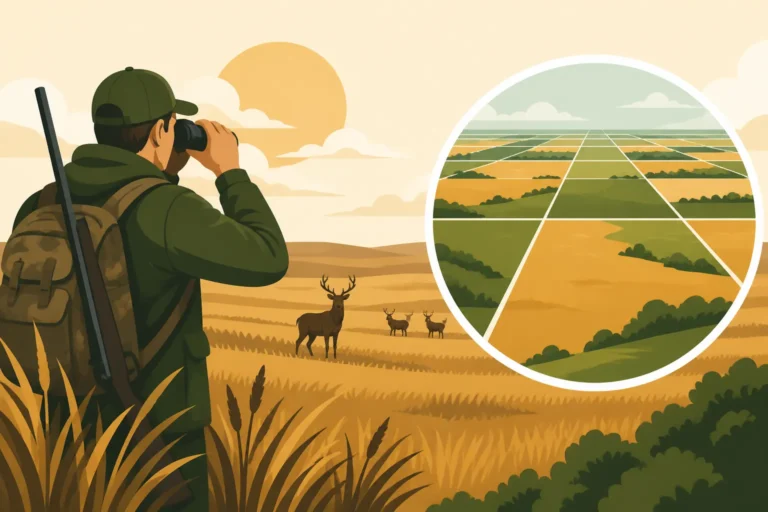
- Optics: Lightweight binoculars or a spotting scope (depending on the species and terrain) are vital for scouting from a distance, minimizing unnecessary walking.
Remember, every item you pack must justify its weight. Think about what you need versus what would be nice to have.
Adapting Hunting Tactics
"Hunt on foot only" fosters a more intimate and often more effective hunting style. You're moving slower, quieter, and more deliberately, which naturally makes you more attuned to your surroundings.
- Slower, More Deliberate Movement: Instead of covering ground quickly, focus on stealth and observation. Stop frequently, scan with your binoculars, and listen intently. This "still hunting" approach allows you to spot game before they spot you.
- Targeting Bedding Areas: Since vehicles can't push animals around, game often establish more predictable patterns. Focus your efforts on known bedding areas, natural funnels, and primary food sources that are well away from road access.
- Extended Scouting: Prioritize extensive pre-season scouting, preferably on foot yourself. Use satellite imagery (Scouting With Satellite Imagery in Saskatchewan can be a huge asset here), but then confirm those potential hotspots by walking the terrain. This intimate knowledge of the area will save you precious steps during the season.
- Patience is Key: You've invested significant physical effort to get into these areas; don't rush the hunt. Take your time, let the woods tell you its story, and be prepared to spend all day covering a relatively small section thoroughly. Whether you're Hunting the Rut in Early to Mid November or stalking late-season whitetails, patience pays off.
- Calling and Rattling: In quieter, less pressured areas, calling and rattling can be incredibly effective. Animals might be less wary of sounds that aren't associated with vehicle noise. For instance, aggressive Rattling Volume in Open Parkland can really bring in a buck who hasn't been pressured.
Common Misconceptions and Troubleshooting
Despite the clear regulations, there are often misunderstandings or grey areas that pop up when hunters discuss "hunt on foot only" rules. Clearing these up beforehand can save you a lot of headache and potential trouble.
What About Retrieving Downed Game?
This is perhaps the most common question and area of confusion. You’ve successfully harvested an animal deep in a "hunt on foot only" zone. Now what? The general rule remains: the hunting must be done on foot. Retrieving a downed animal is often considered a separate activity, but it doesn't automatically grant you carte blanche to drive a vehicle wherever you want.
Many jurisdictions in Saskatchewan have specific clauses or interpretations regarding game retrieval. In some cases, if the animal is truly inaccessible by foot, and you have made every reasonable attempt to retrieve it by non-motorized means, you may be able to contact a conservation officer to discuss limited vehicle access for recovery. This is almost always a last resort and requires prior approval. You absolutely cannot assume this right; driving a vehicle off-road into a foot-access-only zone for retrieval without explicit permission would still be a violation. The safest and most common approach, and one that aligns with the spirit of the rule, is to plan for a complete pack-out by foot, even if it means multiple grueling trips. Be prepared to quarter your animal on site and pack out every piece of meat, hide, and antlers.
Using Technology to Aid Foot Travel
While motorized vehicles are out, modern technology plays an enormous role in making "hunt on foot only" feasible and efficient. Mapping apps are paramount here. onX Hunt and GoHunt are fantastic examples of tools that provide detailed satellite imagery, topographic maps, and crucially, property boundaries and public/private land distinctions. This allows you to plan your routes, identify key features, and stay on legal ground.
GPS devices, separate from your phone, offer reliable navigation even in areas without cell service. They can track your movements, mark waypoints, and help you find your way back to your vehicle in the dark. Rangefinders are also indispensable for precise shot placement, especially after a long hike when you might be physically tired. Additionally, portable solar chargers can keep your essential electronics powered for multi-day trips. These technologies don't replace physical effort, but they significantly enhance safety, efficiency, and success when hunting on foot. They are tools that help you hunt smarter, not harder, within the confines of the foot-only rule.
When you commit to a "hunt on foot only" area, you're embracing a more traditional, challenging, and often more rewarding style of hunting. It forces you to slow down, pay attention, and truly connect with the landscape and the animals within it. It’s an experience that tests your endurance and sharpens your skills, leaving you with a profound sense of accomplishment far beyond just filling a tag.
Disclaimer
This article is for general informational purposes only and does not constitute professional advice. Laws, prices and regulations vary by location and change over time. Consult a qualified professional for guidance on your specific situation.