Saskatchewan Zones You Can Hunt From a Truck
It's a common dream for many hunters, especially as we get a little older or when dealing with limited time: finding those elusive hunting spots in Saskatchewan that you can actually reach without packing in for miles on foot, navigating treacherous bush, or relying on an ATV for hours. The reality of hunting in our vast province often involves deep bush, mud bogs, or endless tracts of private land where access is a constant challenge. But for those looking for areas where a good, solid truck can get you close to the action, this guide will walk you through the zones and considerations that make truck-accessible hunting a real possibility in Saskatchewan.
Understanding "Hunting From a Truck" in Saskatchewan
Let's be clear right from the start: when we talk about hunting "from a truck" in Saskatchewan, we are absolutely not talking about shooting game while still inside or on top of your vehicle, or even driving around with a loaded firearm. That's illegal, incredibly dangerous, and simply not how we do things here. What we are talking about is using your truck as a primary means of transportation to access hunting areas efficiently, getting you close to where you want to hunt, and then stepping out to scout, stalk, or set up. It’s about leveraging the extensive road networks and open terrain to minimize arduous treks, especially when time is tight or physical limitations are a factor.
The Nuance of Vehicle Use vs. Shooting From a Vehicle
The distinction here is paramount, and it’s one that new hunters or those visiting from other jurisdictions sometimes misunderstand. In Saskatchewan, it is strictly prohibited to shoot at wildlife from a vehicle, whether it's moving or stationary. Your firearm must be unloaded and encased when in a vehicle. The intent behind "hunting from a truck" is to utilize the convenience of roads and trails to get to a hunting location. Once there, you park your truck, unload and prepare your firearm or bow, and proceed on foot to hunt. This allows you to cover more ground when scouting, shift locations quickly if conditions change, or simply get closer to promising areas like field edges or coulee breaks without adding unnecessary miles to your boots. Think of your truck as a tool for efficient travel and base camp logistics, not as a hunting platform. Safety always comes first, and that means respecting the laws around firearm handling and vehicle use.
Why Some Zones Are More Truck-Friendly
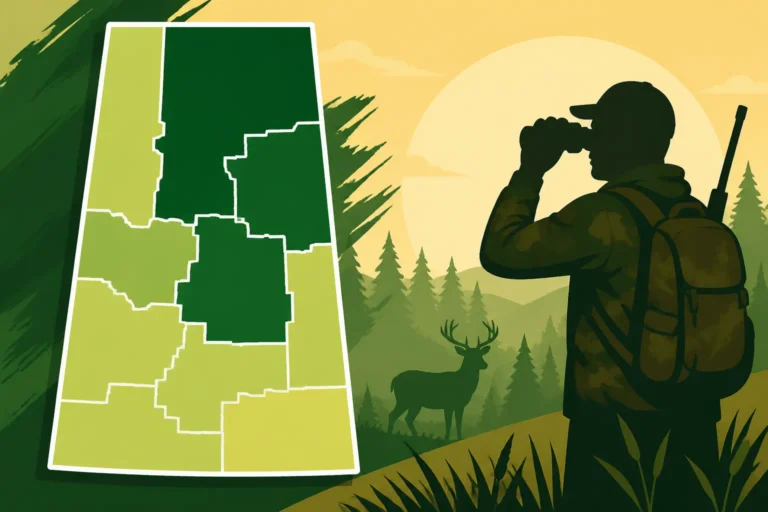
Saskatchewan is a massive province with incredible diversity in its landscapes, from the southern prairies to the deep boreal forest. This geographical variety directly impacts how feasible it is to hunt "from a truck." Generally speaking, the more agricultural and prairie-dominated regions, particularly those crisscrossed by extensive grid roads, tend to be far more truck-friendly. These areas have been developed for farming, meaning countless miles of maintained gravel and dirt roads that provide access to virtually every quarter section of land.
In contrast, the dense boreal forest of the north, with its rugged terrain, muskeg, and limited road infrastructure, requires far more adventurous methods of access, often involving ATVs, snowmobiles, or even boats and float planes. Even the forest fringe, while offering more roads than the deep north, can quickly turn into a sticky, rutted mess after rain or snow, making truck access challenging without four-wheel drive and a winch. So, when seeking truck-friendly hunting, your best bet will almost always be the southern half of the province, where the land has been shaped by agriculture and settlement for over a century.
Key Saskatchewan Zones for Truck-Accessible Hunting
When you're aiming for a hunt where your truck can do most of the heavy lifting for access, certain regions of Saskatchewan stand out. These areas are characterized by open terrain, good road infrastructure, and often less dense cover, allowing for easier movement and scouting from established routes.
Southern Prairie Zones
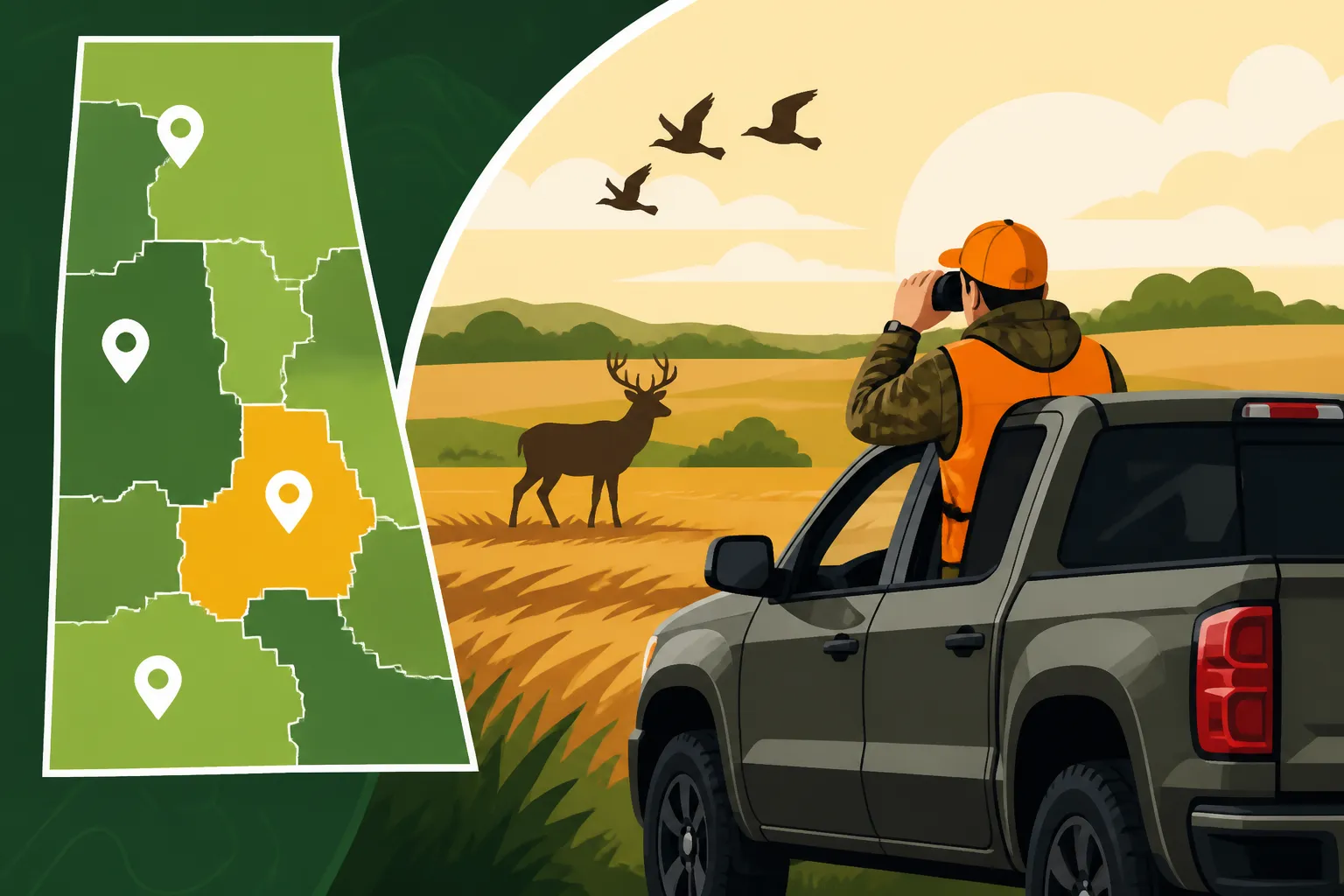
Many of the Wildlife Management Zones (WMZs) in Saskatchewan's southern and southwestern regions are prime candidates for truck-accessible hunting. Think of areas around Swift Current, Moose Jaw, or down towards the U.S. border. This is classic prairie country, generally flat to rolling, dominated by vast fields, native grassland, and punctuated by coulees, shelterbelts, and sloughs. The grid road system here is extensive and generally well-maintained.
You can often drive down a grid road, spot game moving across fields or along coulee edges, and then park your truck strategically to begin a stalk on foot. This is particularly effective for species like mule deer, which often frequent the coulees and breaks, and pronghorn, which are almost exclusively found in this open country. Whitetails are also abundant, especially along river valleys, shelterbelts, and around farmyards. Remember, while the roads are good, venturing off the beaten path onto wet fields or into coulee bottoms can quickly lead to getting stuck, so always exercise caution and know your vehicle's limits. These zones allow you to cover significant distances and glass large areas efficiently from your truck before deciding where to focus your efforts on foot. You can learn more about Hunting Saskatchewan's Southern Prairie.
Parkland and Forest Fringe
Moving north into the parkland region, which acts as a transition zone between the southern prairies and the northern boreal forest, you'll find a mix that can also be quite truck-friendly. Areas around Saskatoon, Prince Albert, or Yorkton offer a mosaic of cultivated fields, aspen bluffs, and numerous sloughs and potholes. The road networks here are still very good, with a strong grid system.
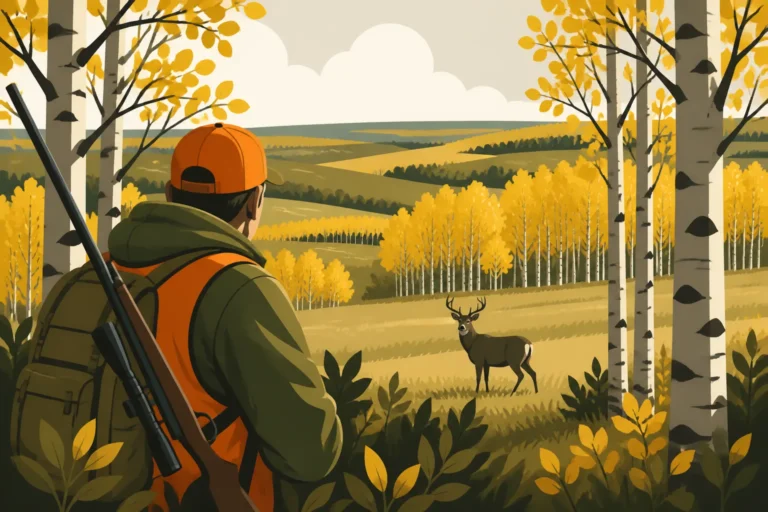
The difference in the parkland is the increased cover. Whitetail deer thrive in these bluffy areas, using the poplar stands for bedding and moving into the fields to feed. Moose have also expanded their range into many of these regions, often found along the edges of larger bush blocks or in slough bottoms. While you won't be able to drive into the thickest bluffs, your truck can get you to the perimeter of prime habitat. From there, it's a short walk into the cover. During the late season, when snow can become a factor, access might get trickier, but main grid roads are usually plowed. Always be mindful of snow depth before attempting to drive into unmaintained access points. For deeper insights into this kind of terrain, check out Hunting Saskatchewan's Aspen Parkland Bluffs.
Farmland-Dominated Zones
Many zones throughout the agricultural belt of Saskatchewan, particularly in the central and eastern parts of the province, are incredibly well-suited for truck-based hunting. These areas are characterized by nearly continuous cultivated land, with minimal bush except for shelterbelts, treed slough rings, and occasional small bluffs. The density of grid roads is exceptionally high, making almost every quarter section accessible by vehicle.
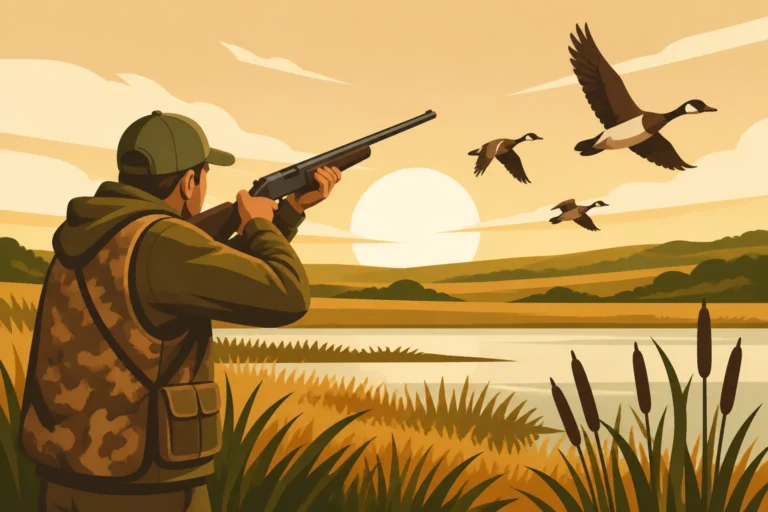
This accessibility is fantastic for scouting, particularly for whitetail deer that utilize the shelterbelts and slough edges for cover, as well as for waterfowl and upland birds. You can spend a good portion of your day cruising grid roads, spotting deer in standing crops, moving between fields at dawn or dusk, or noting where flocks of geese are feeding. The challenge here often shifts from access to permission. With so much land being private, securing landowner permission is paramount. However, the ease of driving up to a farmyard to ask for permission is significantly higher than trying to navigate deep bush. These zones are perfect for the hunter who wants to use their truck to cover a lot of ground and then focus their walking efforts on specific, permission-granted parcels. If you're targeting whitetails in this environment, you'll find valuable information in Hunting Whitetails on Saskatchewan Farmland.
Legality and Ethics of Truck-Based Hunting
Even in the most truck-friendly zones, understanding the rules and maintaining ethical hunting practices are non-negotiable. Using a truck for access is a privilege, and respecting the land, wildlife, and other users is crucial.
Road Restrictions and Off-Road Driving
Saskatchewan has clear rules regarding where you can and cannot drive a vehicle while hunting. On Crown land, generally, you are restricted to established roads, trails, or cutlines. Driving off-road, especially in sensitive habitats, can damage vegetation, create ruts, and disturb wildlife. It's not only illegal in many instances but also leaves a negative impression of hunters. Many Wildlife Management Zones have specific regulations about vehicle use, so always consult the current Saskatchewan Hunters' and Trappers' Guide for details relevant to your specific zone. For example, some areas might permit ATV use on specific trails but prohibit trucks from leaving the main grid. When it comes to private land, even if you have permission to hunt, that permission often doesn't extend to driving off-road in fields or pastures, which can cause significant damage and lead to losing future access. Always ask landowners specifically about vehicle use off of main roads. Familiarize yourself with Vehicle Rules on Saskatchewan Crown Land to stay on the right side of the law.
Shooting from a Vehicle: A Clear No-Go
This point bears repeating because it is fundamental to responsible hunting in Saskatchewan: you absolutely cannot shoot from a vehicle. This includes trucks, cars, ATVs, snowmobiles, or any other motorized vehicle, whether it's moving or stationary. Your firearm must be unloaded and encased in a vehicle. The only exception is if you have a specific disability permit allowing for modified hunting methods, but this is a rare exception and requires explicit authorization. The safety risks of shooting from a vehicle are immense, not just to yourself and your hunting partners, but to the public. Furthermore, it's a grave ethical violation that gives hunters a bad name. Hunting from a truck means driving to a location, parking, safely exiting the vehicle with an unloaded firearm, and then proceeding on foot. There's no grey area here.
The Importance of Landowner Permission
In the truck-friendly, agricultural zones of Saskatchewan, the vast majority of land is privately owned. While grid roads offer excellent access between properties, hunting on those properties requires explicit permission from the landowner. This cannot be stressed enough. Knocking on doors, being polite, and respecting "Posted" signs are crucial for maintaining good hunter-landowner relations. Even if a field looks empty and open, it belongs to someone, and hunting without permission is trespassing, a serious offense that can lead to fines and loss of hunting privileges. A truck makes it easier to approach farmyards and make those crucial connections with landowners. Always remember to leave gates as you found them, clean up any litter, and ideally, share some of your harvest as a thank you. Building these relationships is key to long-term hunting access in Saskatchewan's most accessible areas. For detailed advice on how to approach this, refer to Getting Private Land Permission in Saskatchewan.
Gear and Planning for Truck-Based Hunting in Saskatchewan
Even if your truck is doing most of the legwork, proper planning and the right gear are still essential for a successful and safe hunting trip in Saskatchewan. Conditions can change rapidly, and being prepared means the difference between a minor inconvenience and a serious problem.
Essential Truck Kit for Saskatchewan Conditions
Relying on your truck for access means you need to be prepared for the realities of rural roads and potential weather challenges. A well-stocked truck kit is your best friend. This should include:
- Recovery Gear: A quality tow strap or recovery rope, shackles, a shovel, and potentially traction mats or a high-lift jack. Even on seemingly good gravel roads, a soft shoulder or a hidden pothole can quickly bog down a two-wheel-drive or even a four-wheel-drive truck.
- Warm Clothes and Emergency Supplies: Even if you plan to be mostly in your truck, Saskatchewan weather is unpredictable. Extra layers, a warm blanket, a first-aid kit, non-perishable food, and water are critical. If you get stuck or break down, you might be waiting for a while in cold conditions.
- Communication: A fully charged cell phone is a start, but service can be spotty. Consider a satellite messenger or a two-way radio for truly remote areas.
- Navigation: A reliable GPS unit or a mapping app on your phone is a must. Knowing precisely where you are, where roads go, and where property lines lie is invaluable.
- Basic Tools: A tire repair kit, a small air compressor, a basic tool set, and jumper cables are always good to have.
A little preparation goes a long way. Having a comprehensive Winter Truck Kit for a Saskatchewan Hunt can save you a lot of trouble, especially as the season progresses into colder months.
Using Mapping Tools for Access
Modern hunting requires modern tools, and for truck-based hunting, mapping applications are indispensable. Platforms like onX Hunt and GoHunt have revolutionized how hunters navigate and understand land ownership. These apps, accessible on smartphones or dedicated GPS devices, overlay property boundaries, Crown land, and various road types onto detailed topographical maps and satellite imagery.
When planning a truck-based hunt, you can use these tools to:
- Identify Road Networks: See exactly which grid roads, two-track trails, and lesser-used access points exist in a WMZ.
- Distinguish Land Ownership: Instantly tell if land is private, Crown, or a special management area, helping you plan your approach and identify who to ask for permission.
- Mark Parking Spots: Drop pins for where you intend to park your truck and begin your walk, ensuring you’re not blocking access or trespassing.
- Scout Remotely: Use satellite imagery to identify field edges, bluffs, coulees, and shelterbelts that look promising for game, allowing you to prioritize which roads to drive.
These tools transform blind driving into strategic scouting, maximizing your time and effort. Exploring Scouting With Satellite Imagery in Saskatchewan can further enhance your planning.
Seasonal Considerations
The time of year dramatically impacts how viable truck-based hunting is in Saskatchewan.
- Early Season (September/October): Roads are generally dry and firm. Dust can be an issue, but access is usually excellent. This is a great time for covering lots of ground to scout and hunt.
- Mid-Season (November): The prime rut for deer means increased activity. Roads can be wet and muddy if it rains, making some secondary roads challenging. Frozen ground can make off-road travel easier if you have permission and confidence in your vehicle.
- Late Season (December): This is when truck-based hunting can become tricky. Heavy snowfalls can make secondary grid roads impassable, even with four-wheel drive. Main highways and primary grids are usually plowed, but side roads might not be. Cold temperatures demand even more robust emergency gear. Hunting Saskatchewan Winter Weather Safely provides essential tips for navigating these challenging conditions. Always check local road conditions and weather forecasts before heading out.
Using your truck for access can greatly extend your hunting range and comfort in Saskatchewan, but it requires careful planning and adherence to regulations. It’s about being smart, safe, and respectful in our pursuit of wild game.
Comparing Truck-Friendly vs. Bush Access Zones
To illustrate the differences clearly, here's a breakdown of what you might expect when hunting in truck-friendly zones compared to areas requiring more dedicated bush access.
| Feature | Truck-Friendly Zones (e.g., Southern Prairie, Farmland) | Bush Access Zones (e.g., Northern Boreal, some Forest Fringe) |
|---|---|---|
| Primary Access Method | Extensive grid roads, gravel roads, well-maintained dirt roads | ATV trails, cutlines, unmaintained logging roads, sometimes boat/plane |
| Terrain | Flat to rolling prairie, cultivated fields, shelterbelts, shallow coulees | Dense forest, muskeg, rugged terrain, thick bluffs, river valleys |
| Dominant Cover | Farmland, small bluffs, slough rings, river bottom | Thick timber, spruce bogs, aspen parkland, dense undergrowth |
| Typical Species | Whitetail deer, mule deer, pronghorn, waterfowl, upland birds, coyotes | Moose, black bear, whitetail deer (often larger bodied), wolves |
| Ease of Scouting | High; can glass large areas from roadsides | Low to moderate; often requires boots on the ground or aerial surveys |
| Vehicle Limitations | Mud after rain, deep snow in late season, stuck in soft shoulders | Mud, large ruts, fallen trees, deep snow, no winter maintenance |
| Landowner Interaction | Frequent and critical for access | Less frequent, more Crown land available |
| Required Gear | Reliable truck, recovery gear, mapping app, good binos | ATV/snowmobile, winch, chainsaw, heavy-duty bush gear, satellite comms |
Disclaimer
This article is for general informational purposes only and does not constitute professional advice. Laws, prices and regulations vary by location and change over time. Consult a qualified professional for guidance on your specific situation.