Saskatchewan Outfitters in the Boreal North
The vast, unbroken wilderness of Saskatchewan's Boreal North calls to a certain kind of hunter – one who dreams of truly wild game, rugged landscapes, and the challenge of remote pursuit. For many, especially those unfamiliar with this incredible, yet daunting, terrain, navigating the dense bush and complex regulations can feel like an impossible task. This guide is here to walk you through how outfitters in Saskatchewan's boreal north country can be your key to unlocking unforgettable hunting adventures, from chasing monster moose to tracking elusive black bears.
What Defines the Saskatchewan Boreal North Hunting Experience?
Hunting in Saskatchewan's Boreal North isn't like hunting the open prairie or the forest fringe. It's a completely different beast, offering a raw, immersive experience that truly tests a hunter's skills and resolve. This is a place where nature reigns supreme, and stepping into it means understanding its unique character.
Unique Terrain and Wildlife of the Boreal Forest
The boreal forest is a land of jack pine ridges, black spruce bogs, and endless aspen stands, all interspersed with countless lakes, rivers, and muskeg. Access is often limited to old logging roads, trapper trails, or by float plane or boat. This dense, often unforgiving landscape is precisely what makes it so appealing for those seeking truly wild encounters. The wildlife here thrives in relative solitude, leading to impressive game populations and trophy potential. Think of massive bull moose browsing along a bog edge, or a heavy-set black bear emerging from a thick stand of timber. Moose in Saskatchewan's Farmland and Forest often grow to immense sizes in this nutrient-rich, low-pressure environment.
The dominant big game species are certainly moose and black bear, with healthy populations distributed across the northern half of the province. You'll also find wolves, which are an integral part of this ecosystem and offer a unique hunting opportunity for those up to the challenge. The sheer scale of the landscape means animals aren't accustomed to constant human pressure, making them wilder and more challenging to hunt. This isn't a place where you'll find deer congregating in open fields; instead, you're tracking through thick cover, relying on keen observation and patience.
This challenging environment demands specialized knowledge and equipment. A slight misstep can mean being hopelessly turned around or facing a difficult recovery far from any road. Understanding the subtle nuances of game movement in such thick cover, knowing where the animals will bed down, or finding hidden feeding areas amidst the vastness, is critical. It's a land of extremes, from sweltering insect-filled summers to brutally cold winters, shaping the behaviour and survival instincts of every animal that calls it home.
The Appeal of a Truly Wild Hunt
There's an undeniable allure to hunting in a place where human presence feels like a mere whisper against the roar of the wilderness. The boreal north offers a hunting experience stripped down to its essentials: hunter versus nature, with minimal distractions. It’s about more than just filling a tag; it's about connecting with the raw, untamed spirit of the land. The solitude is profound, broken only by the call of a loon, the rustle of leaves, or the distant howl of a wolf.
For many, this wildness is the ultimate draw. You're not sharing a small parcel of land with dozens of other hunters; you're often the only hunting party for miles around. This significantly reduces pressure on the game, allowing mature animals to grow to impressive sizes and exhibit natural behaviors. The quiet allows you to immerse yourself fully in the hunt, honing your senses and truly experiencing the rhythms of the forest. It's a chance to completely unplug from the demands of modern life and reconnect with something primal.
This type of hunt fosters a deep sense of accomplishment. When you successfully navigate the challenges, read the subtle signs, and eventually take an animal in this environment, the satisfaction is immense. It speaks to a hunter's desire for authenticity and adventure, pushing physical and mental limits. It’s the kind of hunt that creates stories that last a lifetime, forged in the vast, beautiful, and sometimes unforgiving expanse of the northern forest. Hunting Saskatchewan's Boreal North is truly an experience unto itself.
Access Challenges and the Role of Outfitters
The biggest hurdle for anyone considering a self-guided hunt in Saskatchewan's Boreal North is often access. Much of this region is remote, lacking developed road networks, making it incredibly difficult to reach, let alone hunt effectively. You might find gravel roads that dwindle into little more than ATV trails, or areas only accessible by float plane to remote lakes or rivers. This isn't a place you can just drive into with your truck and start walking.
Even once you get there, the thick vegetation and numerous wetlands make navigation challenging. Without intimate knowledge of the area, you can easily get lost, or worse, put yourself in a dangerous situation. Think of miles of dense bush, hidden muskeg pockets, and a landscape that looks largely the same in every direction. Satellite communication devices become essential, as cell service is non-existent in vast stretches of this country. Saskatchewan's Northern Road Network is often far from sufficient for independent hunting access.
This is precisely where outfitters become invaluable. They possess the specialized vehicles, boats, planes, and, most importantly, the decades of local knowledge necessary to safely and effectively navigate this wilderness. They know the seasonal game movements, where the best bedding and feeding areas are, and how to get you there. An outfitter doesn't just provide a hunt; they provide the entire infrastructure required to hunt successfully and safely in one of North America's last true wildernesses. Their expertise transforms what could be a frustrating or even dangerous undertaking into a well-organized and productive adventure.
Why Book an Outfitter for a Boreal North Hunt?
Deciding whether to book an outfitter, especially for a wild, remote area like Saskatchewan's Boreal North, is a big decision. For many, it's the difference between a once-in-a-lifetime success and a frustrating, even dangerous, experience. Here's why outfitters are often the best, and sometimes only, practical choice for this type of hunting.
Expert Knowledge of the Land and Game
Imagine trying to navigate a sprawling, dense forest you've never seen before, looking for an animal that might be miles away in an area with no trails or landmarks. That's the challenge of the Boreal North without local expertise. Outfitters and their guides, however, live and breathe this land. They've spent countless hours scouting, hunting, and observing game patterns over many seasons. They know the subtle changes in terrain that indicate prime bedding areas, the traditional routes moose take between feeding grounds, or where a black bear might be denning.
This deep, intimate knowledge isn't something you can gain from a map or a few days of scouting. It's an accumulation of years, even generations, of experience. They understand how weather patterns affect game movement, which food sources are currently attracting animals, and the best vantage points in an otherwise impenetrable landscape. For instance, they'll know exactly which willow run or muskeg island a bull moose is likely to be hanging out in, or which berry patches a bear will be frequenting. Hunting Saskatchewan's Boreal Muskeg Edge is all about understanding these nuances.
This expertise extends beyond just finding animals; it's about understanding their behavior in response to hunting pressure (or lack thereof), local weather, and food availability. A good guide can interpret fresh sign, anticipate where an animal might be headed, and put you in a prime position for a shot, dramatically increasing your chances of success. They are, in essence, your eyes and ears in a landscape that would otherwise remain a mystery.
Logistical Support in Remote Terrain
The logistics of a remote Boreal North hunt can quickly become overwhelming for an independent hunter. It's not just about getting to the general area; it's about setting up a comfortable and safe camp, ensuring you have reliable transportation within the hunting grounds, and having all the necessary equipment for both the hunt and survival. This is where outfitters shine, handling all the intricate details so you can focus solely on the hunt.
Outfitters typically provide robust transportation, which might include anything from powerful jet boats to navigate rivers and lakes, to ATVs and side-by-sides for accessing remote cutlines and trails. For truly remote locations, float planes are often used to fly hunters into spike camps deep in the bush, places that are otherwise inaccessible. They also provide comfortable accommodations, whether it's a rustic lodge, heated cabins, or well-equipped wall tents, ensuring you have a warm, dry place to rest after a long day in the field.
Beyond transport and lodging, they supply essential gear like blinds, stands, and even specialized calling equipment for moose or baiting setups for bear. Think about the challenge of getting a large animal like a moose out of deep bush. Outfitters have the equipment and manpower – winches, game carts, quads, and experienced personnel – to manage challenging game recovery, which is a huge advantage. Getting a Moose Out With a Quad becomes a manageable task with their resources, rather than an exhausting ordeal. This comprehensive logistical support is what truly transforms a daunting wilderness expedition into an enjoyable and successful hunting trip.
Enhanced Safety and Emergency Preparedness
Hunting in the Boreal North, while incredibly rewarding, comes with inherent risks due to its remote and rugged nature. Getting lost, sustaining an injury, or facing extreme weather conditions far from help are serious concerns. This is another area where a reputable outfitter proves indispensable, prioritizing your safety and having robust emergency plans in place.
Outfitters are experienced in wilderness first aid and carry appropriate medical supplies. They typically maintain satellite communication devices, like satellite phones or Garmin inReach units, ensuring they can call for help even where there's no cell service. Many guides are trained in survival techniques and have contingency plans for unexpected situations, such as sudden weather changes or mechanical breakdowns of vehicles. This peace of mind allows you to hunt with confidence, knowing you're in capable hands.
Furthermore, outfitters are intimately familiar with the local hazards, from treacherous muskeg to aggressive wildlife, and will brief you on safe practices. They ensure you're equipped and prepared for the conditions, minimizing risks. Should an accident occur, their established communication networks and knowledge of the terrain enable them to rapidly coordinate rescue efforts, whether it's contacting local emergency services or arranging for air evacuation. Emergency Plans in Saskatchewan's Bush are not just a nice-to-have, they are a fundamental part of the service in these remote regions, safeguarding your well-being throughout the entire hunt.
Common Species Targeted by Boreal North Outfitters
When you think of hunting the Saskatchewan Boreal North, two species immediately come to mind: moose and black bear. These animals thrive in the expansive wilderness, and outfitters in this region specialize in providing exceptional opportunities to pursue them. They represent the pinnacle of northern big game hunting.
Moose Hunting in the Northern Bush
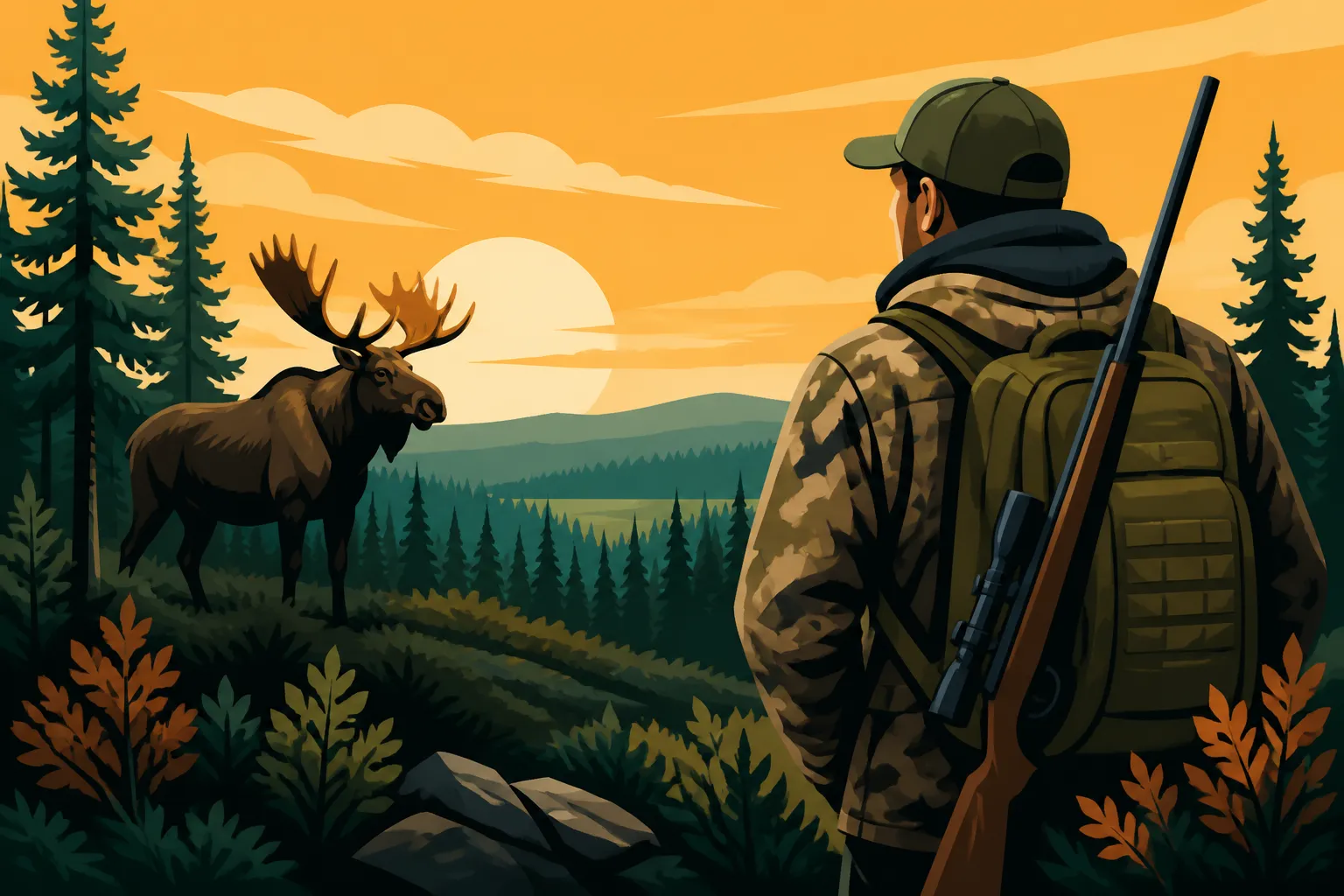
Moose hunting in Saskatchewan's northern bush is arguably one of the most iconic experiences the region offers. The boreal forest provides vast expanses of ideal moose habitat, leading to impressive populations and the potential for truly massive bulls. Outfitters here specialize in the unique challenges and rewards of this pursuit. Hunts typically coincide with the rut, generally in late September and October, when bulls are most active and responsive to calling. Calling a Bull Moose in the Rut is an art form, and experienced guides are masters of imitating cow and bull calls to entice a bull within range.
These hunts are often physically demanding, requiring hunters to navigate dense cover, traverse wet areas, and hike considerable distances. You might be still-hunting slowly through thick timber, calling from strategic locations overlooking known moose travel corridors, or using boats to access prime river and lake country. Accommodations can range from comfortable lodges to remote spike camps, offering varying levels of ruggedness depending on the outfitter and the specific hunt package. The sheer size of a northern bull moose means that once down, the work truly begins, but outfitters are equipped to handle the heavy task of field dressing and extraction.
The trophy potential is a major draw. Saskatchewan has a reputation for producing some truly exceptional bulls, both in terms of antler spread and body weight. The combination of nutrient-rich forage and low hunting pressure allows these animals to mature and express their full genetic potential. For many, a northern moose hunt is the ultimate big game adventure, offering a deep immersion in the wilderness and the chance to harvest an animal of truly epic proportions.
Black Bear Hunting Over Bait and Spot-and-Stalk
Black bear hunting is another cornerstone of the Boreal North outfitting experience, offering both spring and fall seasons. Saskatchewan's boreal forests are home to a robust and healthy black bear population, including a good percentage of colour-phase bears (cinnamon, chocolate, blonde), which adds an exciting element to the hunt. Spring Bear Hunting Saskatchewan's Cutlines is a particularly popular time to pursue these animals as they emerge from their dens, hungry and active.
The most common method for black bear hunting with an outfitter in this region is over bait. Outfitters meticulously establish and maintain bait sites long before hunters arrive, strategically placing them in areas with high bear activity. This method allows for careful evaluation of the bear, ensuring hunters can accurately judge size and identify mature boars. You'll typically hunt from comfortable, elevated stands or ground blinds overlooking the bait site, often in the late afternoon and evening.
While baiting is prevalent, some outfitters also offer spot-and-stalk opportunities, particularly in areas with open cutlines, burns, or natural clearings where bears might be seen feeding. This method requires more active hunting and keen glassing skills, appealing to those who prefer a more mobile approach. Regardless of the method, outfitters provide excellent opportunities for a close-range encounter with these powerful animals. They also take great care in field dressing and preparing the hide and meat for transport, ensuring your trophy and game meat are properly handled.
Other Northern Opportunities (Wolves, Furbearers)
While moose and black bear are the primary attractions, the Boreal North offers additional hunting opportunities for those seeking unique challenges or combination hunts. Wolves, for instance, are present throughout the boreal forest and represent the ultimate predator hunt. While often difficult to specifically target due to their elusive nature and vast territories, some outfitters can incorporate wolf hunting into a moose or bear package, offering hunters a chance to harvest one of North America's most intelligent big game animals.
Hunting Wolves in the Northern Bush requires immense patience, tracking skills, and often a bit of luck. Outfitters might use calling techniques or blinds near known travel corridors, but it's important to set realistic expectations for a wolf hunt; success rates are generally lower than for moose or bear due to the cunning nature of these animals. However, the reward of harvesting a wolf in its natural habitat is incredibly profound and a testament to a hunter's dedication.
Beyond big game, the boreal forest is also rich in furbearers, though these are typically pursued by trappers rather than hunters. For specific permits and seasons, there can be opportunities for smaller game. Always check with your outfitter about what other species might be available to pursue as an add-on or if you tag out early on your primary target. This diversification can enhance the overall wilderness experience and provide an even deeper appreciation for the biodiversity of the northern woods.
What to Expect from a Boreal North Outfitter Package
Booking an outfitted hunt in Saskatchewan's Boreal North means entering into an agreement for a comprehensive experience. Understanding what's typically included, what costs extra, and the demands of such a hunt is crucial for setting realistic expectations and ensuring a smooth trip.
Typical Hunt Durations and Accommodations
Most big game hunts in the Boreal North, whether for moose or bear, typically run for 5 to 7 full hunting days, often with travel days on either side. This duration allows ample time for scouting, waiting out weather, and pursuing a quality animal without feeling rushed. Some outfitters might offer longer hunts, especially for species like wolf, or specialized combination packages.
Accommodations can vary significantly, ranging from rustic yet comfortable wilderness lodges to more basic, remote spike camps. A lodge-based hunt usually means a central facility with private or shared rooms, home-cooked meals, and amenities like hot showers and reliable electricity. These camps often provide a more social atmosphere and easier access to comforts after a long day. Saskatchewan Hunting Lodges and Camps provide a haven for hunters.
Spike camps, on the other hand, are often deeper in the bush, closer to the hunting action. These might consist of durable wall tents, small cabins, or even travel trailers, offering a more immersive wilderness experience. While they might have fewer creature comforts, the trade-off is often reduced travel time to prime hunting areas. Regardless of the style, reputable outfitters ensure camps are clean, safe, and provide adequate warmth, especially during the colder moose season. Be sure to clarify the exact type of accommodation offered when booking, as it greatly influences the overall feel of your trip.
Inclusions and Exclusions in Package Pricing
Understanding what's covered in your outfitter package is paramount to avoiding surprises. Generally, a typical Boreal North outfitter package for big game will include guiding services (often 1-on-1 or 2-on-1 hunter-to-guide ratio), all meals and non-alcoholic beverages, field transportation (ATVs, boats, trucks), and comfortable lodging. It also usually covers the initial field dressing of your animal and its transport from the kill site back to the main camp.
However, it's critical to note the common exclusions, which can add significantly to the total cost. Your hunting license and tags for the specific species you're pursuing are almost always an additional cost. For non-residents, there's often a separate wildlife habitat certificate required. Meat processing, taxidermy services, and shipping your trophy and meat home are typically extra. Gratuities for your guide and camp staff are also an important consideration and are a customary part of the hunting industry. It's always best to ask for a detailed breakdown of all potential costs upfront.
When comparing options, platforms like BookYourHunt can be useful for reviewing package details and seeing what's commonly included. Be aware that trophy fees or additional charges might apply for specific types of animals (e.g., a specific antler size for moose). Some outfitters might offer combination packages at a higher price point, allowing you to pursue multiple species. Always confirm these details in writing before committing to a booking. What a Saskatchewan guided moose hunt costs will vary widely based on these factors.
Preparing for the Physical and Mental Challenge
A hunting trip to Saskatchewan's Boreal North is not a walk in the park; it's a genuine wilderness adventure that demands a certain level of physical and mental preparedness. The terrain can be challenging – dense bush, uneven ground, muskeg, and cold, wet weather are all possibilities. Being in decent physical shape will significantly enhance your enjoyment and increase your chances of success. This doesn't mean you need to be an Olympic athlete, but being able to walk several miles a day over rugged ground, climb into a stand, and assist with game recovery will make a huge difference.
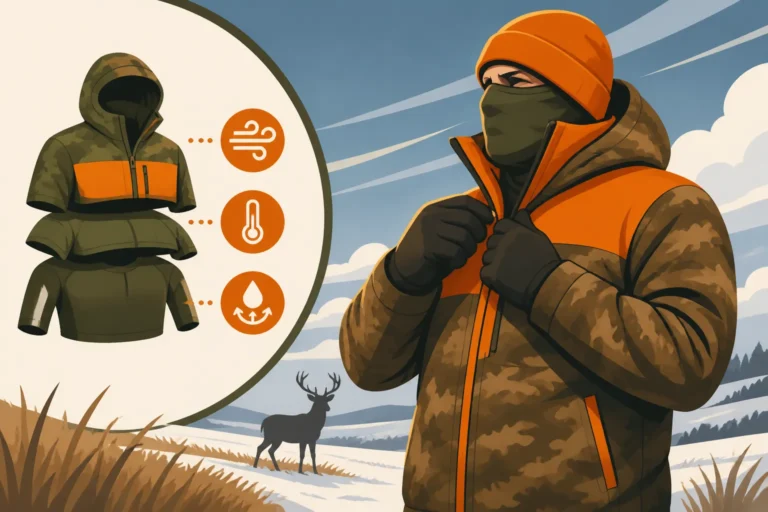
Beyond physical fitness, mental resilience is key. Hunting these wild animals often involves long hours of waiting patiently in blinds or stands, sometimes in cold or damp conditions. You might experience periods without seeing game, requiring patience and a positive attitude. The remoteness means you'll be away from familiar comforts and possibly out of cell service, which some find mentally taxing. Packing the right gear is also crucial; appropriate layers, waterproof outerwear, and warm, comfortable boots are non-negotiable. Dressing for Saskatchewan's November Cold can be the make-or-break factor for a late-season hunt.
Discuss your physical capabilities and experience level honestly with your outfitter when booking. They can help recommend a hunt that matches your abilities and provide advice on specific gear to bring. The more prepared you are, both physically and mentally, the more you'll be able to embrace the challenges and fully appreciate the incredible experience that a Boreal North hunt offers. It’s an adventure that rewards those who come ready for it.
Choosing the Right Boreal Outfitter for Your Adventure
Selecting the right outfitter for your Saskatchewan Boreal North hunt is perhaps the most critical decision you'll make. It directly impacts the quality, safety, and ultimate success of your trip. With so many options, knowing how to research, vet, and communicate with potential outfitters is essential.
Researching and Vetting Outfitters
The first step in choosing an outfitter is thorough research. Start by looking for outfitters specifically licensed to operate in the Boreal North regions of Saskatchewan and those who specialize in the species you wish to hunt (moose, bear, wolves). Online reviews, testimonials, and hunting forums can provide initial insights, but always take them with a grain of salt. A few negative reviews aren't necessarily a red flag if the majority are positive and address specific, valid concerns.
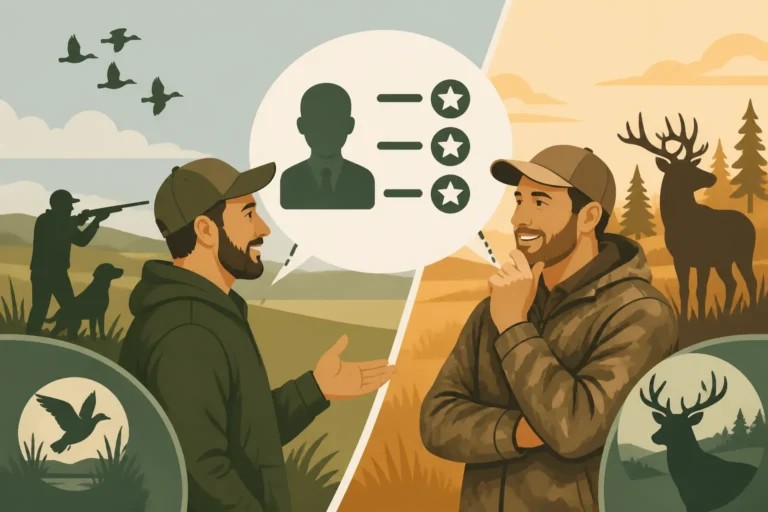
The most reliable method for vetting an outfitter is to ask for references – and lots of them. A reputable outfitter will gladly provide contact information for past clients, ideally from the previous year or two, and for hunters who pursued the same species you are interested in. When you contact these references, ask specific questions: What was the guide-to-hunter ratio? How accurate were the success rates advertised? What were the camp conditions like? Was the outfitter honest about the challenges? Were there any hidden costs? How to Vet a Saskatchewan Outfitter involves digging deep and asking tough questions.
Additionally, check if the outfitter is a member of any provincial or national outfitting associations, such as the Saskatchewan Outfitters Association. Membership often indicates adherence to certain professional standards and ethical practices. Don't hesitate to directly contact the outfitter with all your questions – their responsiveness and willingness to provide detailed answers can tell you a lot about their professionalism and commitment to client satisfaction.
Understanding Licensing and Allocations
In Saskatchewan, like many jurisdictions, outfitters operate under a strict licensing system and are granted specific allocations of tags for certain species and zones. This system helps manage wildlife populations and ensures fair distribution of hunting opportunities, especially for non-resident hunters who are generally required to hunt with an outfitter for big game. It's important for you, as the client, to understand this system, as it directly affects tag availability.
Outfitters receive a limited number of tags for species like moose and bear within particular Wildlife Management Zones (WMZs). This means they can only take a certain number of hunters for each species per season. This is why popular outfitters in high-demand zones often book up years in advance. It's crucial to confirm that your chosen outfitter has the necessary and valid licenses and allocations for your chosen species and hunting dates.
This system also explains why a specific outfitter might only offer certain species or hunt types. They might have a strong allocation for moose but not for elk, or only for spring bear, for example. Don't assume an outfitter can hunt everything. Always verify their specific permits and allocations. You can't just buy an outfitter-allocated tag on your own; it's tied to the outfitter. This system is designed to provide guided, managed access to Saskatchewan's incredible wildlife resources, especially for non-residents. How Outfitter Allocations Work Here is a complex but vital aspect of the booking process.
Leveraging Resources like GoHunt for Planning
In today's digital age, there are excellent resources available to assist hunters in their planning and research, even for remote destinations like Saskatchewan's Boreal North. Platforms such as GoHunt have become invaluable tools for hunters looking to explore outfitter options, gather intelligence, and streamline their trip planning process.
GoHunt typically provides detailed information on various outfitters, often including direct links to their websites, contact information, and sometimes even client reviews. While it's crucial to still perform your own due diligence, these platforms can serve as a fantastic starting point for identifying reputable operations in specific regions. You might be able to filter by species, hunt type, or even specific geographical areas within the Boreal North, helping you narrow down your choices efficiently.
Beyond just outfitter listings, these types of resources often offer valuable content like articles on hunting techniques, gear recommendations, and even insights into game management units or zones. They can help you understand the broader hunting landscape of Saskatchewan, including species distribution, season dates, and general regulations, which complements the specific information you get from an outfitter. Using such platforms can save you considerable time in the initial research phase, allowing you to focus your deeper vetting efforts on a shortlist of highly promising outfitters, ultimately leading you to the best possible Boreal North hunting adventure.
Disclaimer
This article is for general informational purposes only and does not constitute professional advice. Laws, prices and regulations vary by location and change over time. Consult a qualified professional for guidance on your specific situation.