What Changed for Non-Resident Bird Hunters
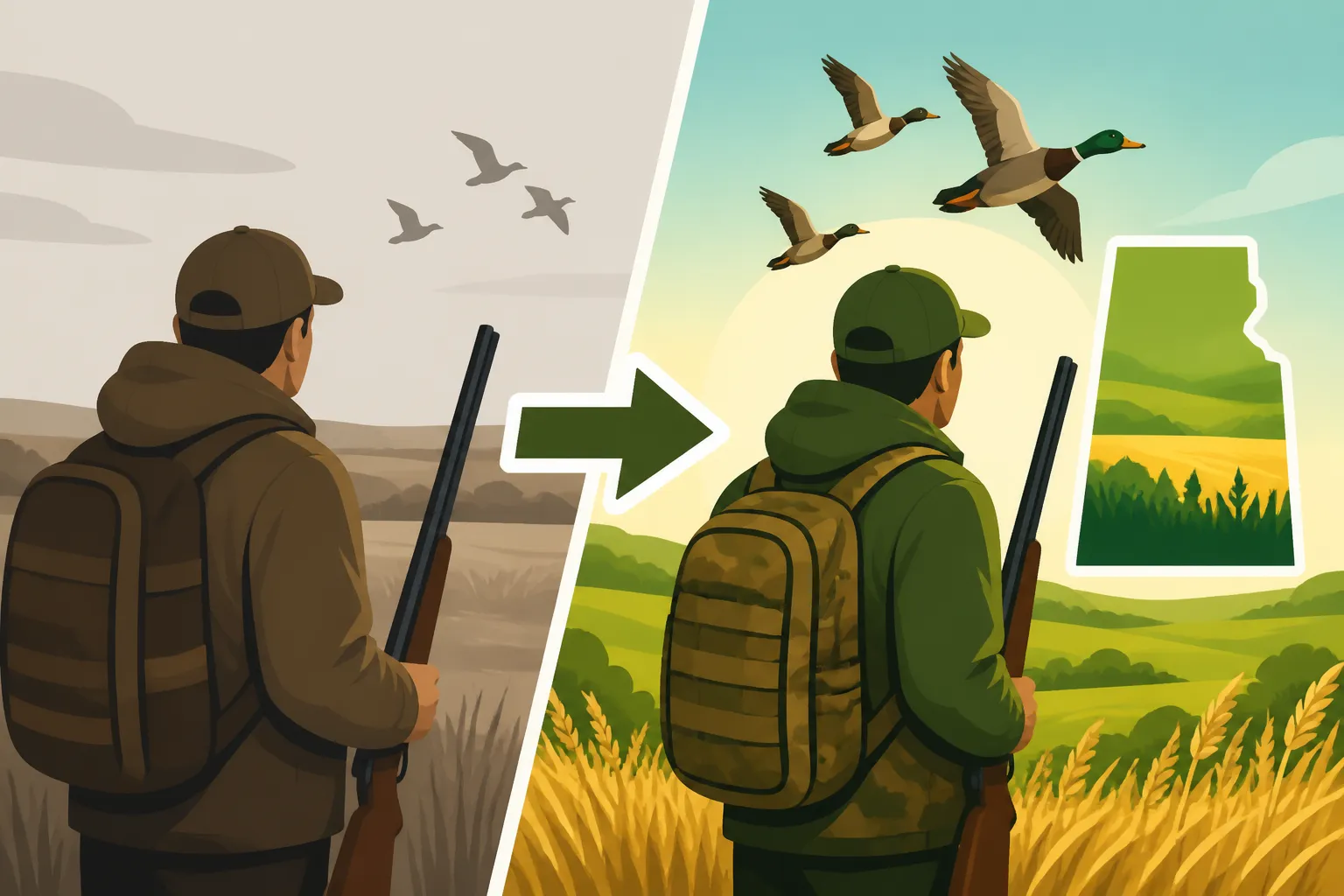
It can be incredibly frustrating to keep up with the ever-evolving rules and regulations, especially when you're a non-resident hunter eagerly anticipating a trip to Saskatchewan for its world-class migratory bird opportunities. Many hunters have felt a real sense of confusion and even disappointment with recent changes. This guide aims to clear the air, breaking down exactly what's shifted for non-resident bird hunters in Saskatchewan, why these changes were made, and how you can still plan an amazing hunt under the new framework.
Understanding the Shift: Why the Rules Changed
For years, Saskatchewan has been synonymous with incredible waterfowl hunting, drawing enthusiasts from across North America and beyond. This reputation, while fantastic, also brought immense popularity and, with it, increasing pressure on both the resource and the local infrastructure. The provincial government and wildlife management bodies didn't make these changes lightly; they were a response to a growing need to balance various interests and ensure the longevity of this incredible hunting heritage.
The Goal Behind the Adjustments
The core aim behind the recent adjustments for non-resident bird hunters was multi-faceted, stemming from a desire to maintain sustainable populations, enhance conservation efforts, and ensure that resident hunters continued to have ample opportunity. Saskatchewan is undeniably a jewel in the crown of North American waterfowl hunting, and the provincial authorities recognized that without careful management, the quality of this experience could degrade over time. These changes, while challenging for some, were implemented with a long-term vision: to protect the very reasons people travel thousands of miles to hunt here. It’s about managing access in a way that benefits the birds, the land, and the hunting community as a whole, including the resident hunters who call this province home.
Furthermore, there was a growing awareness of the economic impact of hunting. By channeling non-resident hunting through licensed outfitters, the province aims to better regulate the activity and ensure that the economic benefits are more directly invested back into local communities and conservation through a structured industry. It's a way to ensure accountability and to support the businesses that are deeply ingrained in the local hunting culture and contribute to its health.
Historical Context of Non-Resident Access
To truly understand the impact of the new rules, it helps to look back at how things used to be. For decades, Saskatchewan offered what many considered an almost unrestricted paradise for non-resident bird hunters. Hunters could arrive in the province, often buy their licences directly from local vendors, and then spend their days knocking on doors to gain permission from landowners. This system, while incredibly flexible and beloved by many, inevitably led to certain challenges as the popularity of Saskatchewan's hunting grew exponentially.
As more and more hunters flocked to the prime agricultural areas, especially during the peak of the Saskatchewan Snow Goose Migration, issues arose. Landowners, already busy with harvest, sometimes felt overwhelmed by requests for access. Certain popular regions experienced significant hunting pressure, leading to concerns about bird dispersal, field burnout, and maintaining good relations between hunters and farmers. The previous, more open system was a product of its time, but as hunting tourism expanded, a more structured approach became necessary to address these burgeoning pressures and protect the resource for future generations.
The Core Changes for Non-Resident Bird Hunters
The biggest ripples felt by non-resident bird hunters came from two significant policy shifts: the introduction of a five-day term limit and new restrictions on how licences can be purchased. These aren't minor tweaks; they represent a fundamental restructuring of how non-residents can access Saskatchewan's waterfowl resources. Understanding these two pillars is crucial for anyone planning a future hunt.
The Five-Day Term Limit
Perhaps the most talked-about change for non-resident migratory bird hunters is the implementation of specific five-day hunting terms. What does this mean in practice? It means that rather than having the flexibility to hunt for any continuous period you choose, your hunting activities must now align with pre-defined, rolling five-day windows. You can't just pick your dates freely; you have to choose a term that is open and available. This can certainly be a big adjustment for hunters who are used to planning longer trips, or those who prefer the flexibility to shift their hunting days based on weather patterns, bird movements, or personal schedules.
Imagine you've always come for a week, planning to hunt six solid days. Under the new rules, you'll need to fit your hunt into one of those specified five-day blocks. This measure is primarily designed to manage hunting pressure more effectively, distributing it across the season and preventing over-concentration of hunters in prime areas during peak migration periods. It also helps outfitters manage their bookings and allocate resources more efficiently. It's important to consult the official regulations or your chosen outfitter for the precise calendar of these When the Non-Resident Bird Terms Fall to ensure your trip aligns perfectly. Understanding these terms is the first step in successful trip planning now.
Licence Purchase Restrictions
Another major shift that has fundamentally altered the non-resident bird hunting experience is the new protocol for acquiring licences. Gone are the days when you could simply walk into a local hardware store or rural general merchant and purchase your Saskatchewan migratory bird licence. For non-residents, the path to hunting migratory birds in Saskatchewan now almost exclusively runs through a licensed provincial outfitter.
This change means that your chosen outfitter will handle the necessary arrangements for your hunting licence as part of your booked package. It’s a significant departure from the previous, more direct approach and underscores the provincial government's commitment to regulating non-resident access. The intent here is to ensure that non-resident hunting is facilitated by established businesses that are accountable and integrated into the provincial hunting framework. For many, this has meant that finding a reputable outfitter is no longer optional but a mandatory first step in planning their Saskatchewan bird hunt. This is why understanding Why Non-Residents Need an Outfitter has become paramount, and why services like BookYourHunt can be so valuable in connecting you with vetted operations.
Navigating the New Landscape: Planning Your Hunt
The rule changes mean that planning a non-resident bird hunt in Saskatchewan now requires a more strategic and often earlier approach. It's no longer just about packing your gear and hitting the road; it's about making sure all your ducks (and geese!) are in a row with the right partnerships and proper logistics.
Working with Licensed Outfitters
Given the updated licensing requirements, partnering with a licensed Saskatchewan outfitter is no longer just a convenience for non-resident bird hunters – it’s a necessity. These outfitters are your gateway to legally accessing Saskatchewan's incredible migratory bird opportunities. Beyond simply facilitating your licence, a good outfitter offers a wealth of benefits. They have established relationships with local landowners, securing access to prime Field Hunting Geese in Saskatchewan Stubble or productive duck potholes, which would be incredibly difficult for an individual non-resident to arrange independently under the new rules.
When selecting an outfitter, it's wise to do your homework. Look for operators with a strong track record, positive reviews, and transparent communication about what their packages include. Websites like BookYourHunt and GoHunt are excellent resources for exploring various Saskatchewan outfitters, comparing their offerings, and reading testimonials from other hunters. An outfitter isn't just a guide; they're your expert on the ground, helping you navigate everything from the specific five-day terms to the best fields to hunt based on current bird patterns. They can offer everything from fully guided hunts with lodging and meals to more basic packages.
Practical Logistics for Your Trip
With the five-day term limits and the outfitter requirement, your planning timeline for a Saskatchewan bird hunt likely needs to start much earlier than before. Popular outfitters, especially those known for exceptional Saskatchewan Goose Season Dates or Saskatchewan's Spring Snow Goose Season, will book up quickly, sometimes a year or more in advance. You'll need to coordinate your travel dates precisely with the outfitter's available five-day terms and your personal schedule.
Consider your travel methods: many non-resident hunters fly into major provincial airports like Saskatoon (YXE) or Regina (YQR) and then rent a vehicle for the drive to their outfitter’s camp. Be sure to confirm what your chosen Saskatchewan Waterfowl Outfitter Packages includes. Does it cover accommodation, meals, blinds, decoys, and field transportation? What about bird processing and cold storage? Clear communication with your outfitter about every detail, from arrival instructions to specific gear recommendations for the anticipated weather, will ensure a much smoother and more enjoyable experience. Don't forget to account for the time it takes to travel to and from Saskatchewan within your five-day hunting window.
Maximizing Your Saskatchewan Bird Hunting Experience
Even with the new rules, Saskatchewan remains an unparalleled destination for bird hunting. The landscape is still vast, the birds are still abundant, and the thrill of a successful hunt is as strong as ever. Your focus now shifts slightly towards optimizing your experience within the new regulatory framework.
Species and Seasons Under the New Rules
It's important to clarify that while the access rules have changed significantly for non-residents, the fundamental seasons and bag limits for various migratory bird species in Saskatchewan largely remain consistent, though they are always subject to annual review by federal and provincial authorities. Hunters will still find themselves chasing the incredible flocks of Canada geese, the massive numbers of snow geese, the challenging specklebellies, and a diverse array of duck species, from mallards and pintails to widgeon and teal.
The key to maximizing your hunt now lies in meticulous planning with your outfitter to align your five-day term with the peak migration windows for your target species. For example, if you're passionate about Hunting Saskatchewan's Snow Goose Migration, you'll want to work with your outfitter to identify the best five-day term in late September or early October when those massive numbers are typically moving through. Similarly, if early season ducks are your primary goal, ensure your booked term aligns with those opening weeks. Your outfitter will have the most up-to-date knowledge on bird movements and local patterns to help you hit the sweet spot.
Preparing for a Successful Hunt
Regardless of rule changes, a truly successful and enjoyable bird hunt in Saskatchewan always comes down to preparation. This includes ensuring you have the right gear, are proficient with your firearm, and understand the unique demands of hunting on the vast prairie. Given the unpredictable nature of prairie weather, packing appropriate layers of warm, waterproof, and windproof clothing is non-negotiable, especially for early morning blinds or late-day field hunts. Good quality boots are also essential.
Beyond clothing, you'll need to use Non-Toxic Shot Requirements for Waterfowl for all migratory bird hunting in Saskatchewan, so ensure you have an adequate supply in the correct gauges and shot sizes for the species you'll be targeting. Practice your shooting well in advance, ideally at various distances, to ensure you're confident and ethical in the field. Your outfitter will provide guidance on specific local conditions and expectations, but your personal readiness – from your gear to your shooting skills – plays a huge role in turning a good hunt into a memorable one. Don't forget federal migratory bird stamps and any other required permits your outfitter advises.
Common Questions and Misconceptions
Whenever significant changes occur, it's natural for questions, concerns, and even some misconceptions to arise. Non-resident bird hunters, many of whom have long-standing traditions of visiting Saskatchewan, have voiced legitimate worries about what these changes truly mean for their future hunting opportunities.
Addressing Concerns About Access and Opportunity
One of the most common concerns we hear from non-resident hunters is whether these changes mean Saskatchewan is effectively closed off to them, or if the quality of the hunting experience will diminish. It's crucial to address this head-on: non-resident opportunity for migratory bird hunting in Saskatchewan has not been eliminated; rather, it has been restructured. The province is still very much open, and the incredible numbers of waterfowl that stage here each fall continue to make it a premier destination.
The intent of the regulations, as discussed, is to manage the resource more sustainably, improve relations with landowners, and support the local outfitting industry. For the hunter, this means that instead of a largely independent approach, your journey is now guided by the expertise and resources of a licensed outfitter. While this may feel like a constraint for some who cherished the old ways, it also ensures a more organized hunt, often with pre-scouted fields and established access, potentially leading to a higher quality experience in terms of bird numbers and reduced competition in some areas. The question is no longer "Can I hunt Saskatchewan?" but rather "How will I partner with a Saskatchewan outfitter to experience this incredible hunt?" Considering factors like How Many Days a Non-Resident Bird Hunter Gets and the process for Planning Around the Five-Day Bird Terms can help clarify expectations.
What Hasn't Changed
Amidst all the new rules and planning adjustments, it's vital to remember that many core elements of hunting in Saskatchewan, and indeed hunting ethics themselves, remain steadfast. The fundamental principles of responsible hunting – such as respecting wildlife, adhering to bag limits, practicing safe firearm handling, and upholding the highest standards of fair chase – are completely unchanged. These are the bedrock of our hunting tradition, regardless of provincial regulations.
The vast, breathtaking landscapes of Saskatchewan, from the sweeping prairies to the endless stubble fields and teeming potholes, are still there, drawing millions of migratory birds each year. The sheer exhilaration of calling in a flock of Canada geese, the spectacle of a thousand snow geese lifting off a field, or the quiet beauty of a duck marsh at dawn—these experiences are just as profound as they've ever been. While the logistical pathway to experiencing them as a non-resident has changed, the essence of the Saskatchewan bird hunting experience, that deep connection to nature and the pursuit of game, endures. Your chosen outfitter, as an integral part of Hunting Guides and Outfitters in Saskatchewan, will ensure you are well-versed in all local rules and customs, focusing on the amazing hunting opportunities that still await.
Comparing Old and New Rules for Non-Resident Bird Hunters
To help visualize the shift, here’s a quick overview of some key differences in migratory bird hunting regulations for non-residents in Saskatchewan.
| Feature | Before Recent Changes (General) | After Recent Changes (Non-Resident Migratory Bird) |
|---|---|---|
| Licence Purchase | Over-the-counter/online via HAL Account | Generally through a licensed outfitter |
| Hunting Duration | No specific overall term limit | Limited to specific five-day terms |
| Access to Land | Direct landowner permission, Crown land | Often managed by outfitter via established access |
| Outfitter Required? | Optional for migratory bird hunting | Generally mandatory for migratory bird hunting |
| Flexibility | High, could adjust dates as needed | More structured, tied to pre-set terms |
Disclaimer
This article is for general informational purposes only and does not constitute professional advice. Laws, prices and regulations vary by location and change over time. Consult a qualified professional for guidance on your specific situation.