What an Outfitter Needs From You Beforehand
Planning a hunting trip to Saskatchewan, especially if you're booking with an outfitter, can feel like navigating a maze of paperwork and unspoken expectations. It's totally understandable to feel a bit overwhelmed wondering what information they actually need from you before you even set foot in camp. But don't worry, a well-prepared hunter makes for a smoother, more enjoyable experience for everyone, and understanding these upfront requirements is key to a successful adventure. This guide will walk you through the essential details your outfitter will need to ensure your Saskatchewan hunt is meticulously planned and ready for you.
The Essential Paperwork and Personal Details
Booking a hunting trip, especially across provincial or international borders, involves a good deal of administrative groundwork. Outfitters need specific personal and historical data to ensure you're legally compliant, safe, and ready for your hunt. This isn't just bureaucracy; it's about making sure your trip goes off without a hitch and that everyone is protected.
Hunter Identification and Licensing History
First and foremost, your outfitter is going to need to confirm who you are and that you're legally allowed to hunt. This starts with basic identification. Expect to provide your full legal name, date of birth, and current address, often along with a copy of a government-issued ID like a driver's license or passport. This is crucial for completing various provincial and federal forms that are mandatory for hunting in Saskatchewan. They're basically acting as your first line of defense against any potential snags with local regulations.
Beyond basic ID, your outfitter will inquire about your hunting history, specifically your hunter education certification and any previous licenses you've held. For Canadian residents, this means your provincial hunter education number. If you're coming from the United States or another country, they'll need details about your hunter safety course completion or proof of a prior hunting license. This ensures you meet Saskatchewan's Saskatchewan Hunter Education Requirements and can legally purchase a hunting license. Many outfitters also handle the actual license purchase on your behalf, especially for non-residents, so they'll need all this information to correctly set up your Saskatchewan Hunting, Angling and Trapping (HAL) account or apply for any necessary draws. You'd be surprised how often a simple typo can cause delays, so accuracy is paramount here.
Medical Considerations and Emergency Contacts
While it might feel intrusive, your outfitter will likely ask for some medical information and emergency contacts. This isn't to judge your fitness, but purely for your safety and well-being in the field. Hunting in Saskatchewan, especially in the late fall or early winter, can involve physically demanding conditions, harsh weather, and remote locations where immediate medical assistance might be hours away. Knowing about any pre-existing medical conditions – allergies, diabetes, heart conditions, or anything that might require specific medication or attention – allows your outfitter and guides to be prepared.
Think about it: if you have a severe allergy, knowing this allows them to avoid certain foods or have an EpiPen on hand. If you have mobility issues, they can plan stands or hunting methods that accommodate you. This transparency enables them to create a safer hunting environment tailored to your needs. Providing reliable emergency contact information is also non-negotiable. Should an unforeseen accident or medical emergency occur, your outfitter needs to know who to call and how to reach them quickly. It's a small detail that offers immense peace of mind for both you and your hosts.
Firearm and Ammunition Declarations
For non-residents, bringing firearms into Canada requires specific declarations and approvals, and your outfitter will need to guide you through this well in advance. This isn't something you can just spring on them a week before your trip. You'll need to complete a Non-Resident Firearm Declaration Form (RCMP 5589) in triplicate. This form acts as a temporary firearm licence and registration for up to 60 days. Your outfitter will usually ask for the details of your firearms (make, model, serial number, calibre) to help you complete this form accurately.
Beyond the firearms themselves, there are strict rules regarding ammunition limits and types when crossing the border. Outfitters will need to know what calibre you plan to bring and roughly how much ammunition, not just to advise you on legality, but also to ensure it's appropriate for the game you'll be hunting. It's not uncommon for hunters to accidentally bring prohibited items or exceed limits, causing significant delays at the border. Many outfitters will also have rental firearms available if you prefer to avoid the hassle of international travel with your own, a service some might explore through platforms like BookYourHunt when comparing options. Being upfront about your firearm plans allows your outfitter to provide precise instructions and potentially offer alternatives like renting a suitable rifle. Bringing Firearms Into Saskatchewan provides more details on this often-confusing process.
Understanding Your Hunting Experience and Expectations
Outfitters aren't just selling a tag; they're offering an experience. To tailor that experience to you and manage expectations effectively, they need to know a lot about you as a hunter. This helps them place you with the right guide, select suitable stands, and ensure everyone is on the same page regarding the hunt's objectives.
Your Hunting Background and Skill Level
Be honest about your hunting background. Are you a seasoned veteran with decades of experience chasing big game, or is this your first guided hunt for a particular species? Do you primarily bowhunt, or are you a rifle hunter? What's your comfort level with tracking, field dressing, or even just sitting still for long hours in a blind? An outfitter isn't looking to judge you; they're trying to understand your skill set. If you tell them you're an expert marksman when you've only shot paper targets at 50 yards, that could lead to disappointment in the field.
Sharing your experience level helps the outfitter match you with a guide whose personality and expertise align with yours. A seasoned guide might be perfect for a newer hunter needing more instruction, while a more independent hunter might prefer a guide who sets them up and leaves them to it for much of the day. This also informs the types of setups or hunting strategies they might employ. For example, if you're a skilled archer, they might focus on closer encounters, whereas for a rifle hunter, longer shooting lanes might be prioritized. Platforms like GoHunt often include sections for hunters to detail their experience when researching outfitters, which can be a good template for what to share.
Specific Hunt Preferences and Goals
Every hunter has different goals. For some, it's all about harvesting a giant trophy buck; for others, it's simply about the camaraderie, the experience of being in the wilderness, or filling the freezer. Your outfitter needs to know your specific objectives for the hunt. Are you looking for a specific antler size? Are you hoping for a particular colour phase bear? Is a mature animal more important than a record-book one? Or perhaps you're content with any legal animal.
Clearly communicating these preferences helps your outfitter manage your expectations and guide their efforts. If you're dead set on a 170-inch whitetail, they need to know that so they can realistically discuss the odds and the type of hunting strategy required. They can then advise you on whether your expectations are reasonable for the particular time of year or zone you're hunting. Sometimes, hunters assume all guided hunts are "guaranteed," but most reputable outfitters are clear that hunting is hunting – there are no guarantees. Understanding your goals allows them to explain the realities of Saskatchewan Outfitters Who Guarantee Nothing and set realistic objectives.
Physical Fitness and Limitations
Hunting, especially for big game in rugged country or cold weather, can be physically demanding. Your outfitter needs an honest assessment of your physical fitness and any limitations you might have. Can you walk several miles a day over uneven terrain? Are you comfortable climbing into treestands? Can you tolerate sitting for extended periods in freezing temperatures? Hauling a downed animal out of the bush is a significant task, and knowing your capabilities helps them plan for extraction or provide necessary assistance.
If you have physical limitations, it's crucial to disclose them. Many outfitters have accessible blinds or can adapt hunting methods to accommodate hunters with reduced mobility. However, they can only do this if they know beforehand. Transparency here prevents potentially dangerous situations in the field and ensures that your outfitter can craft a safe and enjoyable experience for you. This might involve setting up ground blinds or hunting areas closer to access points. Just like Saskatchewan Mentored Youth Hunting Rules are designed for younger hunters, accommodations can often be made for those with physical challenges, but only if they are aware.
Financial Arrangements and Booking Confirmations
The financial aspect of a guided hunt is often the first point of contact and crucial for securing your spot. Understanding what your outfitter needs regarding payments and agreements beforehand will save you a lot of headaches later on.
Deposit Schedules and Payment Methods
Every outfitter operates differently, but almost all will require a deposit to secure your booking. This deposit schedule will be clearly outlined, often requiring a percentage upfront and then subsequent payments leading up to the hunt. Your outfitter will need to communicate their preferred payment methods, which can range from bank transfers to credit card payments, or even checks. They'll also specify currency – whether Canadian dollars or if they accept U.S. dollars at an agreed-upon exchange rate.
It's vital to confirm these details early and adhere to the schedule. Missed payments can result in losing your booking, or even your deposit. Outfitters book well in advance, and those prime rut weeks often sell out a year or more ahead of time. Understanding When Deposits Are Due and Whether They Refund is critical. Asking about what portion of the total fee is typically a deposit, and whether any of it is refundable under certain conditions, will help you plan your finances and protect your investment.
Contractual Agreements and Cancellation Policies
Before any money changes hands beyond an initial booking fee, your outfitter will almost certainly provide a written contract or booking agreement. This document is essential and outlines everything from the hunt dates, species, services included, payment schedule, and – critically – their cancellation policy. They'll need you to read, understand, and sign this agreement. This contract protects both you and the outfitter, laying out the terms and conditions of your arrangement.
Pay close attention to the cancellation policy. What happens if you need to cancel due to an emergency? What if the outfitter has to cancel due to unforeseen circumstances (e.g., wildfires, extreme weather, health issues)? Are there options for rescheduling, or is the deposit forfeited? This is also where you'll find details about travel insurance recommendations, which are often highly advised for hunting trips to protect your financial investment. Ignoring this document or skimming over the fine print could lead to significant financial loss if plans change.
Travel and Accommodation Details Pre/Post-Hunt
While your outfitter will handle logistics during the actual hunt, they'll need to know your travel plans before and after the hunt. Are you flying into Saskatoon or Regina? What are your flight numbers and arrival/departure times? Are you driving? Where will you be staying the night before your hunt officially starts, or the night after it concludes, if you're not heading straight home?
This information allows the outfitter to coordinate pickups, drop-offs, and ensure you arrive at camp safely and on time. If you plan to arrive a day early to sight in your rifle or acclimatize, they need to know that. Similarly, if you plan to stay a day late to explore the area or have your trophy processed, communicating this lets them adjust their schedule and recommend local services. They're trying to weave your individual journey into their overall camp operations. Getting From the Airport to a Saskatchewan Camp is a common logistical concern, so sharing your travel details ensures a smooth transition.
Gear, Logistics, and Communication
Beyond the paperwork and financial aspects, successful hunting with an outfitter hinges on practical logistics and clear communication about what you need to bring and how the hunt will operate.
Discussing Gear Lists and Local Conditions
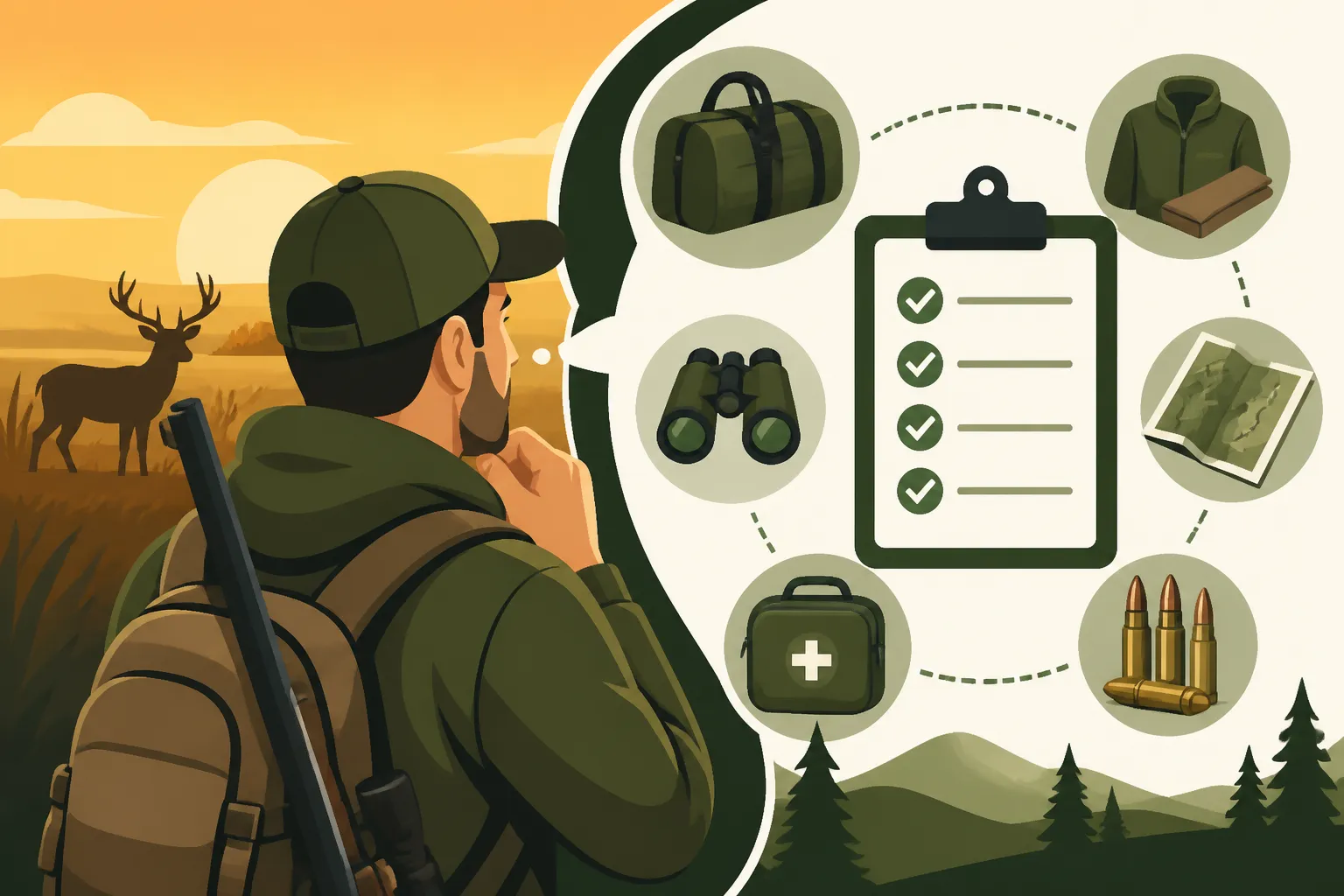
Your outfitter will provide a detailed gear list, and they need to know if you have any questions or concerns about it. This list isn't just a suggestion; it's a carefully curated selection of items proven to be essential for comfort and safety in Saskatchewan's unique hunting environment. From clothing layers for extreme cold to proper footwear for snow or mud, every item serves a purpose. It's especially important to dress appropriately for the time of year, as Dressing for Saskatchewan's November Cold or late-season hunts can be challenging.
They'll also appreciate knowing if you're missing any critical items or if you plan to purchase them locally. For instance, if you're a non-resident, you might not have access to specific local brands for extreme cold weather gear, and your outfitter can advise on where to find them or if they have items you can borrow or rent. Discussing your gear ensures you're adequately prepared for potential weather conditions, which can swing wildly in Saskatchewan, sometimes from mild autumn days to deep winter freezes within a week.
Arrival and Departure Logistics
A precise understanding of your arrival and departure logistics is paramount for the outfitter. This includes not just the dates, but also the methods of travel. Will you be driving your own vehicle to camp, or do you require airport pick-up and drop-off? If driving, they'll provide detailed directions, which can be crucial in remote areas where GPS might be spotty. They'll also need to know if you're traveling solo or with a group, as this affects vehicle capacity for transport to and from hunting areas.
Knowing your departure plans is equally important. When do you need to leave camp? Do you require assistance with caping, meat care, or getting your trophy to a taxidermist or processor? Many outfitters coordinate these services as part of their package, but they need advance notice. They also need to schedule transport back to the airport or a pre-arranged drop-off point, considering travel times and potential processing delays.
Communication Expectations and Camp Rules
Before your arrival, your outfitter will often outline communication expectations and camp rules. They'll want to know if you have any special dietary needs, as camp cooks prepare meals for everyone. They might ask about your preferred daily routine, though usually, camp life runs on a set schedule. Understanding these expectations beforehand helps everyone integrate smoothly into the hunting camp environment.
Camp rules cover a range of things, from quiet hours to alcohol policies, safety protocols, and how to interact with guides and other hunters. Being aware of these rules and agreeing to abide by them is essential for a harmonious and safe hunting experience. Many outfitters operate on Crown Land, so adherence to rules on Quad and Side-by-Side Rules on Crown Land might be part of their general camp guidelines. Open communication about any questions or concerns you have about camp life or hunting methods before you arrive helps ensure everyone enjoys their time in Saskatchewan's incredible wilderness.
Table: Key Information Outfitters Need From You
| Category | Specific Information Required | Why It's Needed |
|---|---|---|
| Personal & Legal | Full Legal Name, DOB, Address | Licensing, permits, background checks. |
| Hunter Education Number/Certification | Proof of eligibility to hunt in Saskatchewan. | |
| Passport/Driver's License Copy | Identification for border crossing (non-residents), age verification, legal purposes. | |
| Firearm Details (make, model, serial, calibre) | Non-Resident Firearm Declaration, ensuring legal compliance. | |
| Emergency Contacts & Medical History (allergies, conditions) | Your safety, emergency preparedness, tailored hunting plan. | |
| Hunting Profile | Hunting Experience Level & Species Previously Hunted | Matching with appropriate guide, setting realistic expectations. |
| Specific Hunt Goals (trophy size, experience, freezer fill) | Guiding strategy, managing expectations, ethical shot selection. | |
| Physical Fitness Level & Limitations | Planning access, stand types, game retrieval, safety. | |
| Financial & Booking | Preferred Payment Method | Facilitating deposits and final payments. |
| Signed Contract & Agreement to Cancellation Policy | Legal protection for both parties, understanding terms. | |
| Logistics | Travel Itinerary (flights, driving plans, pre/post-hunt lodging) | Airport pickup/drop-off, directions, overall trip coordination. |
| Special Dietary Needs | Camp meal planning. | |
| Questions about Gear List | Ensuring you are properly equipped for local conditions. |
Disclaimer
This article is for general informational purposes only and does not constitute professional advice. Laws, prices and regulations vary by location and change over time. Consult a qualified professional for guidance on your specific situation.