What a Guided Waterfowl Trip Costs
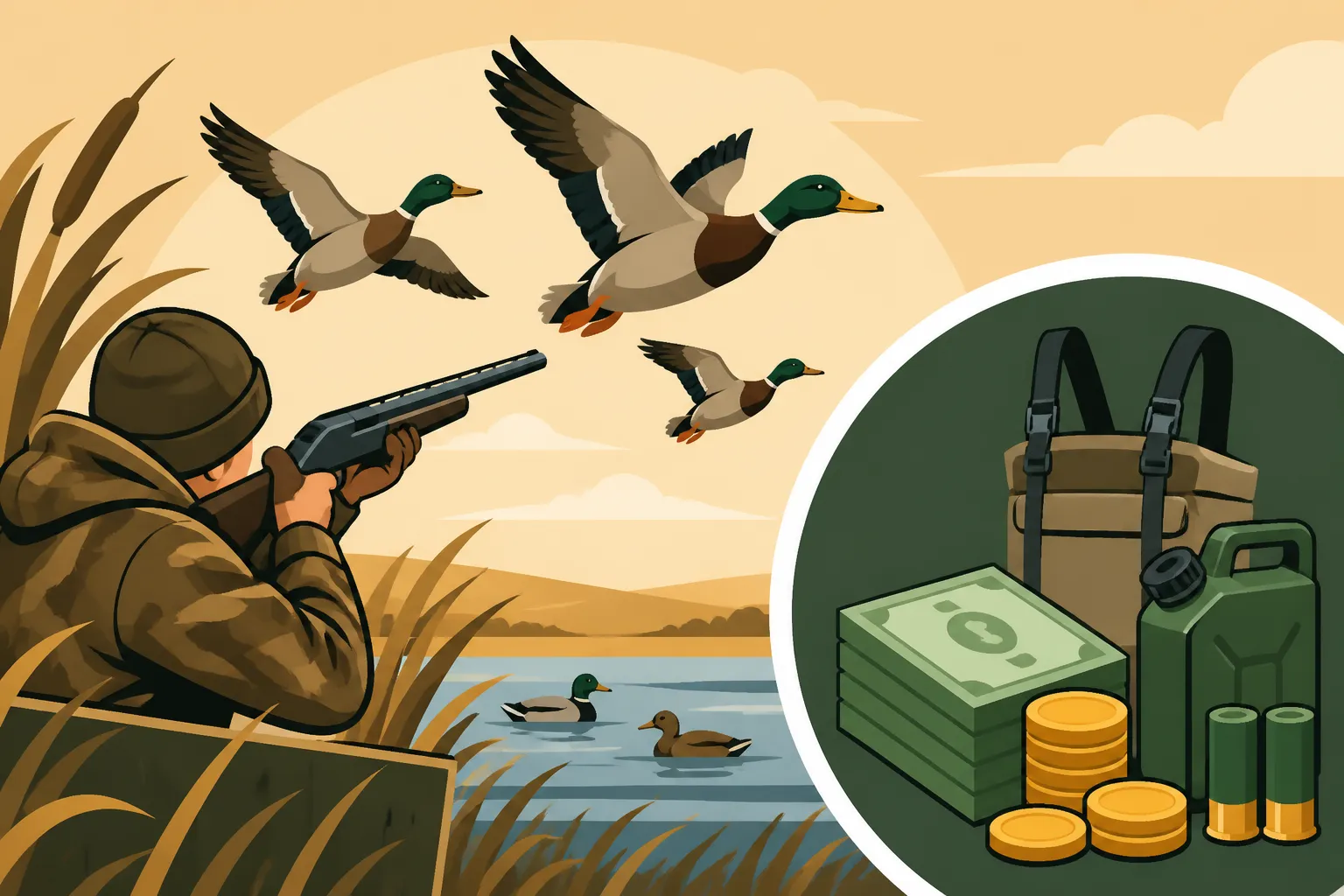
Dreaming of a Saskatchewan waterfowl hunt often conjures images of endless skies filled with honking geese and whistling ducks, but the reality of planning one, especially a guided trip, can quickly lead to questions about the financial commitment involved. Many hunters find themselves wondering what exactly they're paying for when they book with an outfitter, and what hidden costs might be lurking. This guide aims to pull back the curtain on the expenses associated with a guided waterfowl hunt in Saskatchewan, helping you understand the components of the cost so you can budget effectively for your adventure.
Deconstructing the All-Inclusive Package
When you start researching guided waterfowl hunts in Saskatchewan, you'll quickly encounter the term "all-inclusive." It sounds wonderfully straightforward, promising that everything is taken care of. However, like many things in life, "all-inclusive" can mean different things to different outfitters. It's crucial to understand what's genuinely covered and what typically falls outside that umbrella, because that's where unexpected costs can creep in.
What "All-Inclusive" Really Covers and What It Doesn't
Generally, an "all-inclusive" guided waterfowl package in Saskatchewan will cover the core elements of the hunt itself. This means your professional guide services, access to pre-scouted private land, all the necessary decoys (we're talking hundreds, sometimes thousands, for big goose spreads), blinds, and often the transportation to and from the hunting fields each day. You're paying for the outfitter's expertise in Scouting Fields for Saskatchewan Waterfowl, their knowledge of local bird patterns, and the significant investment they've made in top-tier equipment.
What it often doesn't include, and this is where hunters can get caught off guard, are your personal licenses and permits, ammunition, bird processing beyond field dressing, alcoholic beverages, travel to Saskatchewan, and mandatory CWD testing fees if applicable to other species you might consider hunting concurrently. It’s also rare for gratuities for your guides and camp staff to be included in the upfront package price. Always, and I mean always, get a detailed breakdown from the outfitter before you commit. A good outfitter will be transparent about this, but it's your responsibility to ask for clarity.
The Core Elements of a Guided Waterfowl Hunt
At its heart, a guided waterfowl trip is about putting you in the best possible position for success. This involves several key components, each contributing to the overall cost. First and foremost is the guide's knowledge and effort. They spend countless hours scouting fields, talking to landowners, and tracking bird movements. This isn't just a casual drive around; it's a dedicated effort to find where Saskatchewan's Ducks and Geese are feeding and roosting.
Next are the vast spreads of decoys and specialized blinds required for effective waterfowl hunting, especially for geese. Imagine the sheer logistics of transporting, setting up, and taking down hundreds of full-body goose decoys or an elaborate layout blind system for a Field Hunting Geese in Saskatchewan Stubble hunt. Outfitters have invested significantly in these assets, and their maintenance and replacement are factored into your cost. They also provide the transportation from your lodging to these remote field locations, which often involves specialized vehicles designed for navigating muddy tracks or snow-covered routes. The goal is to provide a seamless experience where all you have to worry about is shooting straight.
Understanding Accommodation and Meals
Most guided waterfowl packages will include comfortable lodging and hearty meals. Accommodation can range from a rustic but cozy lodge, a converted farmhouse, or even modern cabins, depending on the outfitter's location and style. These aren't always five-star resorts, but they are typically clean, warm, and provide a welcoming place to rest after a cold morning hunt. Common areas for sharing stories and relaxing are standard.
The meals provided are often a highlight, reflecting the generous hospitality of Saskatchewan. Expect home-cooked, substantial fare designed to fuel hungry hunters, from big breakfasts before dawn to dinners featuring local favorites. Lunch might be packed to take to the field, or you might return to the lodge for a warm meal. It's a significant part of the experience, fostering camaraderie and ensuring you're well-fed for the demanding days of hunting. Again, check with your outfitter about specific meal plans, dietary accommodations, and whether non-alcoholic beverages are included, as these details can vary.
Factors Influencing the Price Tag
Just like buying a vehicle, not all guided waterfowl hunts are priced equally. Several factors play a significant role in determining the final cost, and understanding these can help you identify a package that aligns with your budget and expectations. From the outfitter's location to the species you're targeting, each element contributes to the overall investment.
Location, Reputation, and Seasons
Saskatchewan is renowned for its incredible waterfowl hunting, and some regions are simply more productive or accessible than others. Outfitters operating in highly sought-after areas, or those with a long-standing reputation for consistent success and exceptional service, often command higher prices. This premium reflects their proven track record, prime access to productive land, and often, more luxurious accommodations or newer equipment.
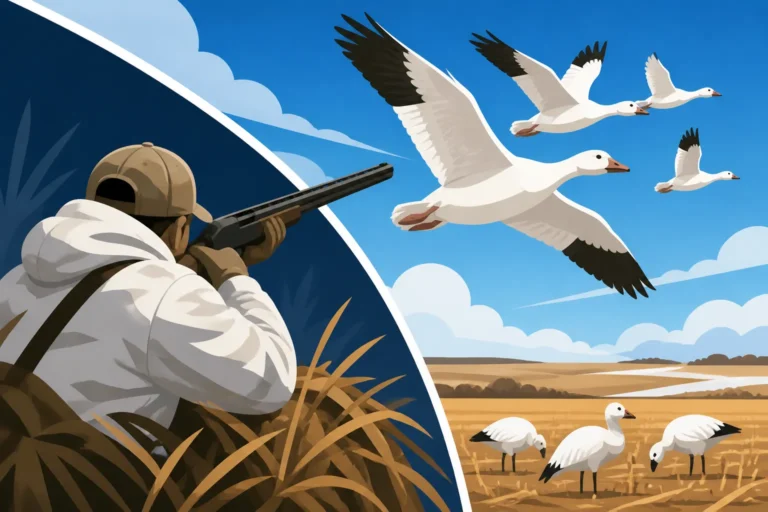
The timing of your hunt can also impact the cost. Hunts during peak migration periods for species like snow geese, especially for a Hunting Snow Geese Over a Big Spread experience, or the early season for local ducks might be priced differently than a late-season hunt when colder weather adds more logistical challenges. Some outfitters might offer slightly reduced rates for off-peak weeks, while others maintain consistent pricing due to high demand throughout the season. Early booking is often key to securing your desired dates and potentially better pricing.
Group Size and Hunter-to-Guide Ratio
One of the biggest variables influencing the per-person cost of a guided hunt is the hunter-to-guide ratio. Many outfitters offer different packages based on how many hunters are assigned to a single guide. A 2:1 or even 1:1 hunter-to-guide ratio will invariably be more expensive per person than a 4:1 or 6:1 ratio. This is simply because the outfitter's most significant fixed cost is their guide staff.
If you're planning a trip with a larger group of friends or family, you might find that the per-person cost decreases. This allows the outfitter to spread the cost of the guide and equipment across more paying clients. Conversely, if you're a solo hunter or a pair looking for a highly personalized experience, expect to pay more for that dedicated attention. Many outfitters have minimum group sizes or require you to join an existing group if you're traveling solo. Platforms like BookYourHunt or GoHunt can be useful for comparing different group size options and finding outfitters that cater to various party numbers.
Hidden Costs and Unexpected Expenses
While a good outfitter strives for transparency, there are always those "nickel and dime" expenses that can add up if you're not prepared. We touched on licenses and permits earlier, but it's worth emphasizing. You'll need federal migratory bird permits and provincial game bird licenses, and these have their own costs. Ammunition is another significant expense; waterfowl hunting can be volume shooting, and premium non-toxic shot, like that required under Non-Toxic Shot Requirements for Waterfowl regulations, isn't cheap. Bringing your own is often best, but if you need to buy it from the outfitter, ensure you know the price.
Other often-overlooked costs include:
- Waders and specialized hunting clothing: If you don't own appropriate gear for cold, wet weather, that's an investment.
- Travel insurance: Protecting your investment against cancellations due to weather or unforeseen circumstances.
- Bird cleaning and processing: Some outfitters include basic field dressing, but full processing into packaged cuts for travel home might be an extra service with a fee.
- Coolers for transport: Essential for getting your birds home, especially if flying.
- Gratuities for guides and staff: This is standard practice in the industry and should be factored into your budget. Tipping a Saskatchewan Guide can significantly add to your overall trip cost.
- Souvenirs or extra activities: If you have downtime and want to explore, those costs are on you.
Here's a quick overview of common inclusions and exclusions:
| Feature | Typically Included in "All-Inclusive" Packages | Typically NOT Included (Extra Cost) |
|---|---|---|
| Guide Services | Yes | |
| Access to Private Land | Yes | |
| Decoys & Blinds | Yes | |
| Field Transportation | Yes | |
| Lodging | Yes | |
| Meals (Breakfast, Lunch, Dinner) | Yes (Non-alcoholic beverages often included) | Alcoholic beverages |
| Game Retrieval (Field) | Yes | |
| Game Processing (Field Dress) | Often | Full processing, vacuum sealing, freezing |
| Hunting Licenses & Permits | No | Yes (Federal & Provincial) |
| Ammunition | No | Yes |
| Gratuities | No | Yes (for guides & camp staff) |
| Travel to Saskatchewan | No | Yes (flights, fuel, vehicle rental) |
| Taxidermy Services | No | Yes |
| Coolers for Game Transport | No | Yes |
| Mandatory CWD Testing Fees | No (if applicable to other species) | Yes |
Day Rates vs. Multi-Day Packages
When considering a guided waterfowl hunt in Saskatchewan, you'll generally encounter two pricing structures: day rates and multi-day packages. Each has its own benefits and drawbacks, and the best choice for you depends on your budget, time constraints, and desired hunting experience.
Pros and Cons of Day Hunts
Some outfitters, particularly those catering to local hunters or those living nearby, might offer day rates. These are typically simpler arrangements where you pay for a single day of guided hunting, including guide services, decoys, and field access. Accommodation and meals are usually not included, leaving you to arrange your own lodging and food.
The primary advantage of day hunts is their lower upfront cost and flexibility. If you have limited time or want to sample an outfitter's services before committing to a longer trip, a day hunt can be a great option. They also appeal to hunters who prefer to stay in local hotels or have their own accommodations. However, the downside is that you might miss out on the full immersion of a multi-day experience. Waterfowl hunting can be unpredictable; one bad weather day can significantly impact a single day hunt, whereas a multi-day package allows for more opportunities to hit the birds right. There's also less camaraderie built with guides and fellow hunters compared to a camp setting.
Maximizing Value with Package Deals
The vast majority of guided waterfowl trips in Saskatchewan are offered as multi-day packages, often ranging from 3 to 5 hunting days, plus arrival and departure days. These packages are designed to provide a comprehensive experience, bundling guide services, equipment, lodging, and meals into a single price. As discussed, the "all-inclusive" nature often means you just need to show up with your personal gear, licenses, and ammunition.
The value in a package deal comes from the consistency and depth of the experience. It allows for more time to adapt to hunting conditions, target various species (ducks, specklebellies, Canada geese, snow geese), and build rapport with your guides and fellow hunters. Outfitters can strategically move you between different fields based on bird movement and weather, ensuring you're always on the "X." For hunters traveling a significant distance, particularly non-residents who need to navigate Declaring a Firearm at the Canadian Border and transport, a package simplifies logistics and provides a true hunting vacation experience. These are often the packages you'll find listed on platforms like GoHunt or when researching specific outfitters.
Considering Combination Hunts
For hunters looking to maximize their time in Saskatchewan's rich hunting grounds, combination hunts offer a compelling option. While primarily focused on waterfowl, some outfitters might offer the chance to combine your bird hunt with a few days of big game hunting, such as deer or even bear, depending on the season and available tags. This can be an efficient way to experience more of what Saskatchewan has to offer, but it will significantly increase the overall cost.
A common combination might be waterfowl in the morning and an evening sit for whitetail deer. These types of hunts require careful planning and often mean higher licensing fees, as you'd need to purchase both waterfowl and big game tags. They also demand more from the outfitter in terms of logistics and guide availability, reflecting in the price. Before considering a combo hunt, ensure you understand all the additional tags, season dates, and specific rules for both species. An outfitter specializing in Saskatchewan Waterfowl Outfitter Packages might also offer specific big game add-ons.
How to Budget for Your Dream Waterfowl Trip
Planning a guided waterfowl trip to Saskatchewan is an investment, but with careful budgeting and research, it can be a truly unforgettable experience. It's not just about the sticker price of the hunt; it's about anticipating all the associated costs to avoid any unwelcome surprises.
Researching Outfitters and Getting Quotes
The first step in budgeting is thorough research. Start by identifying reputable outfitters in Saskatchewan known for waterfowl. Websites like BookYourHunt can be excellent resources, providing listings, reviews, and direct contact information. When you reach out, don't be shy about asking for a detailed quote that breaks down exactly what's included and what isn't.
Ask about typical package durations, hunter-to-guide ratios, accommodation details, meal plans, and any potential hidden fees. Inquire about payment schedules, deposit requirements, and cancellation policies. A good outfitter, as highlighted in Choosing the Right Saskatchewan Outfitter, will be transparent and happy to answer all your questions. Compare quotes from several outfitters to get a sense of the market rate for the type of experience you're seeking. Remember, the cheapest option isn't always the best value.
Essential Gear and Travel Considerations
Beyond the hunt package itself, your personal gear and travel to Saskatchewan will be significant budget items.
Gear:
- Clothing: Expect cold, potentially wet weather, especially during the peak of Waterfowl Hunting Saskatchewan's Grain Fields. Invest in quality layering systems, waterproof outer shells, warm hats, gloves, and insulated, waterproof boots.
- Firearm: Your shotgun should be reliable and chambered for appropriate non-toxic shot sizes.
- Ammunition: Plan for plenty of non-toxic shells. Depending on the length of your trip and how many birds you pursue, this can be a substantial expense.
- Coolers: Crucial for transporting your harvested birds home.
Travel:
- Transportation to Saskatchewan: Whether you're flying into a major city like Saskatoon or Regina, or driving from a neighboring province or state, factor in the cost of airfare, fuel, or vehicle rental.
- Local transportation: While the outfitter provides field transport, you'll need a way to get to and from the lodge, especially if you're not driving your own vehicle.
- Licenses and permits: Purchase these well in advance. Check the provincial government website for current costs of Saskatchewan Goose Season Dates and Saskatchewan Duck Season Dates permits.
- Food for travel days: Meals before and after your guided hunt, especially if staying in hotels.
Tipping, Taxidermy, and Meat Processing
These are the costs most frequently underestimated by hunters.
Tipping: Gratuities for your guides and any camp staff are customary and appreciated. This is how you acknowledge their hard work, dedication, and service. A good rule of thumb is to budget a percentage of your total trip cost specifically for tips. Discuss this with your outfitter beforehand or do some research on industry standards for Tipping a Saskatchewan Guide.
Meat Processing: While field dressing is often included, having your birds professionally plucked, packaged, and frozen for travel is usually an additional service. Inquire about the outfitter's preferred local processor and their rates. This is a critical step for Meat Care in Saskatchewan's Cold Snaps and ensuring your harvest makes it home in top condition.
Taxidermy: If you harvest a trophy bird you wish to mount, factor in the cost of taxidermy. This can vary widely based on the species and mount style. Some outfitters might have preferred taxidermists they work with, or they can help you prepare the cape and feathers for transport to your chosen taxidermist back home. Shipping the trophy can also incur significant costs.
By meticulously researching, asking detailed questions, and creating a comprehensive budget that includes all these elements, you can ensure your guided waterfowl trip to Saskatchewan is not only successful in the field but also financially stress-free.
Disclaimer
This article is for general informational purposes only and does not constitute professional advice. Laws, prices and regulations vary by location and change over time. Consult a qualified professional for guidance on your specific situation.