CWD Testing on an Outfitted Saskatchewan Hunt
There's a specific kind of anxiety that can creep into an otherwise exciting Saskatchewan hunting trip, especially when you're a non-resident or just new to the game: the worry about Chronic Wasting Disease (CWD). Dealing with the disease testing requirements can feel like an extra layer of bureaucracy on top of all the planning, but it's crucial. This guide will walk you through everything you need to know about CWD testing when you're on an outfitted hunt in Saskatchewan, clarifying your role, your outfitter's assistance, and what to expect from start to finish.
The Reality of CWD in Saskatchewan Hunting
Let's face it, nobody wants to think about disease when they're dreaming of big bucks or bulls, but CWD is a very real challenge facing deer, elk, and moose populations across Saskatchewan. Understanding it is the first step in being a responsible hunter.
What is Chronic Wasting Disease?
Chronic Wasting Disease is a fatal, transmissible neurological disease that affects cervids – that's your deer, elk, moose, and caribou. It's caused by abnormal proteins called prions, which slowly damage the animal's brain and spinal cord. Think of it like a very slow-acting, always-fatal neurological disorder. Animals infected with CWD might appear healthy for a long time, sometimes years, before showing any symptoms. When symptoms do appear, they include severe weight loss (wasting away), stumbling, drooling, excessive thirst and urination, and a general lack of fear of humans. Eventually, the disease always leads to death.
The frustrating part is that there's no vaccine, no cure, and it's highly persistent in the environment. Prions can remain infectious in soil for years, making it a particularly difficult disease to manage. For hunters, the concern isn't just about animal welfare; it's about the potential for transmission and, crucially, about food safety, although there's no definitive scientific evidence of CWD transmitting to humans, health agencies advise against consuming meat from CWD-positive animals as a precautionary measure. This is why testing is so important.
Why CWD Testing Matters for Your Hunt
Hunting is more than just harvesting an animal; it's about being part of conservation and ensuring healthy wildlife populations for future generations. CWD testing plays a critical role in this.
First and foremost, CWD testing helps monitor the spread and prevalence of the disease. By collecting data from harvested animals, wildlife agencies like Saskatchewan's Ministry of Environment can track where CWD is present, how common it is, and whether its range is expanding. This information is vital for making informed management decisions, such as implementing specific hunting regulations in certain zones or focusing research efforts. Hunters are essentially citizen scientists in this process, providing invaluable samples that help paint a clearer picture of the disease's footprint. You can learn more about What CWD Has Done to Saskatchewan Deer by reviewing provincial resources.
Secondly, testing offers peace of mind for you, the hunter. Imagine spending thousands on a dream hunt, putting in the effort, and harvesting a magnificent animal, only to later worry about the safety of consuming the meat. Submitting a sample for CWD testing allows you to know, definitively, whether your animal tested positive or negative. While consuming meat from a CWD-positive animal isn't definitively proven to harm humans, the public health recommendation is to avoid it. Knowing your harvest is CWD-free allows you to process and enjoy your wild game with confidence.
Finally, in some regions or for certain species, CWD testing isn't just a recommendation – it's mandatory. Saskatchewan has designated Mandatory CWD Testing Zones where hunters are required by law to submit samples from harvested cervids. Failing to comply with these regulations can result in fines or other penalties. Your outfitter will be well aware of these requirements and will guide you through them, ensuring you stay on the right side of the law.
Your Outfitter's Role in CWD Compliance
When you book an outfitted hunt in Saskatchewan, you're not just paying for access to land and expert guidance; you're often paying for a streamlined experience that handles many of the logistical headaches, and CWD testing is certainly one of them. While the ultimate responsibility for compliance falls on the hunter, a good outfitter will be an invaluable partner in navigating the CWD landscape.
Pre-Hunt Discussions and Preparation
A reputable outfitter will make CWD testing a part of your pre-hunt conversation, not an afterthought. Before you even set foot in the stand or blind, they should be informing you about the CWD status of the hunting zone you'll be in. This includes whether testing is mandatory for your species in that specific Wildlife Management Zone (WMZ) or if it's highly recommended. They might send you information packets, direct you to provincial wildlife websites, or simply cover it during a pre-hunt briefing.
This is a great opportunity for you to ask questions. Don't be shy! Inquire about their standard procedures for CWD testing: Do they collect the samples themselves? Do they have a designated drop-off point? What's the turnaround time for results? Knowing these details upfront allows you to plan accordingly and avoids any surprises during or after your hunt. When you're researching potential outfitters on platforms like BookYourHunt, look for those who explicitly mention their CWD testing protocols or commitment to wildlife health. A transparent approach to CWD is a good indicator of a responsible operation.
Field Assistance with Sample Collection
For many hunters, especially those new to CWD testing or from out of province, the thought of collecting a sample can be daunting. Where exactly are those lymph nodes? How do you remove them cleanly? This is where your outfitter truly earns their keep. Most outfitters will offer hands-on assistance, if not complete sample collection, as part of their service.
Here's how that might look:
- Instruction and Demonstration: Your guide might walk you through the process step-by-step on a harvested animal, showing you exactly where the retropharyngeal lymph nodes are located behind the jaw, near the throat. They'll demonstrate how to make the necessary cuts to remove them without contaminating the sample.
- Direct Collection: Many outfitters will simply handle the collection themselves. They have the experience, the tools, and the knowledge to do it quickly and efficiently, ensuring a good quality sample for analysis. This is a huge convenience, especially after a long day of hunting, when you're tired and focused on getting your animal field-dressed and cooled down.
- Proper Labeling and Storage: Once the sample is collected, your outfitter will ensure it's correctly labeled with all the necessary information, including your hunter number, the date, and the WMZ where the animal was harvested. They'll also ensure it's properly stored – often in a cooler – until it can be dropped off at an official CWD submission centre. This attention to detail is crucial for ensuring your sample is processed accurately and your Getting Your Saskatchewan CWD Result comes back correctly.
Having your outfitter manage this aspect removes a significant burden and ensures that the testing is done correctly, maximizing the chances of accurate and timely results.
The Step-by-Step CWD Testing Process
Understanding the actual mechanics of CWD testing will demystify the process. While your outfitter will likely handle many of these steps, knowing what's involved empowers you as a hunter.
Collecting the Sample Properly
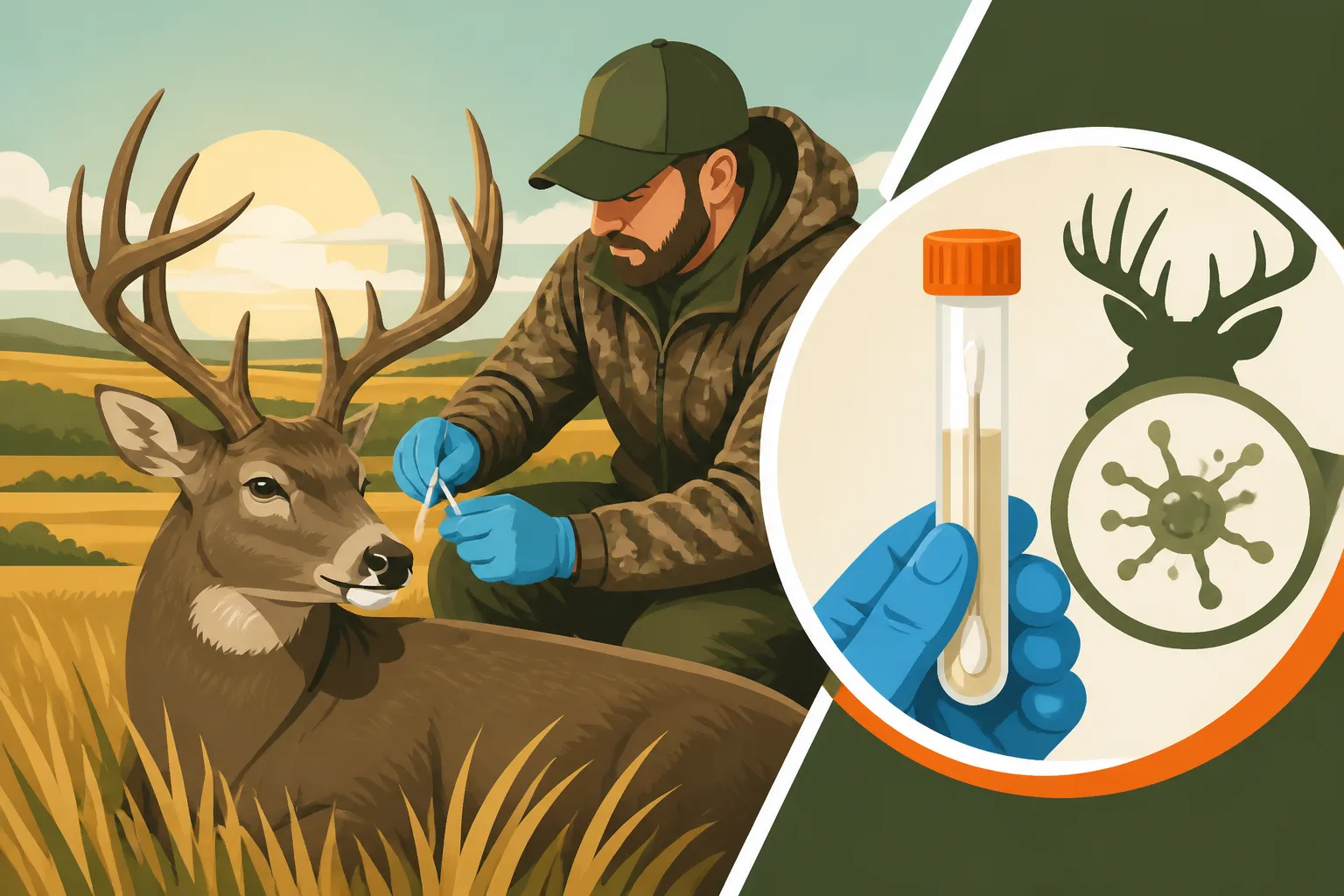
The most common and effective sample for CWD testing is the retropharyngeal lymph nodes. These are located on either side of the windpipe, deep behind the jawbone. Here’s a basic overview of how they are collected:
- Locate the Area: After your animal is harvested and often field-dressed, position the head for easy access. You'll need to work around the jaw and throat area.
- Make an Incision: A careful incision is made along the jawline, working towards the back of the throat. The goal is to expose the muscles and tissues around the upper neck and throat.
- Find the Lymph Nodes: The retropharyngeal lymph nodes typically appear as two small, firm, encapsulated glands, about the size of a thumb or a large bean, often yellowish or creamy white. They are usually nestled deep in the fat and connective tissue, often close to the spine, just below the ear canal.
- Careful Removal: Using a clean knife and gloves, carefully cut out the entire lymph node, trying to keep it intact and free from excessive muscle or tissue contamination. Place it into a clean, sealed plastic bag or container.
- Cleanliness is Key: Always use clean tools and wear disposable gloves to avoid cross-contamination, both for your safety and for the integrity of the sample.
Again, your outfitter or guide will either perform this or meticulously instruct you. Their experience in locating these specific nodes quickly and cleanly is a huge asset.
Submitting Your Sample and Required Information
Once the sample is collected, the next crucial step is submission. This is where all the necessary identification details are recorded to link the sample back to your specific hunt and harvest.
- Submission Locations: Saskatchewan has various CWD submission centres, often located at Ministry of Environment offices, select taxidermists, or designated drop-off sites in mandatory testing zones. Your outfitter will know the closest and most convenient location. For many hunters, especially those traveling far, having the outfitter take the samples to a submission point is a massive time-saver. You can find more details about these locations by searching for Where to Drop a Head for CWD Testing on the provincial government's wildlife website.
- Required Information: Along with the physical sample, you'll need to fill out a submission form. This form typically asks for:
- Your hunter number.
- The date of harvest.
- The species of animal harvested (e.g., white-tailed deer, mule deer).
- The sex of the animal.
- The specific Wildlife Management Zone (WMZ) where the animal was harvested.
- Your contact information (name, address, phone, email) so results can be communicated.
- The name of your outfitter (if applicable) may also be requested.
- Deadlines: Be mindful of submission deadlines. The province often sets specific dates by which samples must be received, usually several weeks after the season closes, to ensure timely processing. Your outfitter will keep you informed of these, but it's always good to double-check. Don't miss The CWD Head Submission Deadline to ensure your sample is processed.
Your outfitter often acts as a liaison, ensuring all paperwork is correctly filled out and the samples are dropped off efficiently. This is especially helpful for non-resident hunters who might not be familiar with local drop-off points or who need to travel home quickly after their hunt.
Understanding Your Test Results
After submission, it's a waiting game. The processing time for CWD samples can vary depending on the volume of submissions, but typically, results are available within a few weeks to a couple of months.
- How Results Are Communicated: Saskatchewan usually provides CWD test results through an online portal accessible with your hunter number, or directly via email if you provided one on your submission form. Some outfitters may also be able to access your results if you provide them with the necessary authorization, and they often help clients navigate this process. Knowing the specific portal or communication method is key to staying informed.
- What a Negative Result Means: A negative result means no CWD prions were detected in the lymph node sample. This is the outcome every hunter hopes for, giving you the green light to proceed with processing and consuming your meat with confidence.
- What a Positive Result Means: If your animal tests positive for CWD, it means the disease was detected. This is where knowing the provincial guidelines becomes critical. The general recommendation, for public health reasons, is not to consume the meat from a CWD-positive animal. Your outfitter and the provincial wildlife authorities will provide guidance on What to Do With a Positive Result, which typically involves proper disposal of the carcass and meat to prevent further environmental contamination.
Platforms like GoHunt, while primarily focused on mapping and scouting, often include resources or articles that keep hunters updated on CWD regulations and testing protocols, helping you stay informed about the latest information.
Navigating a Positive CWD Test Result
Receiving a positive CWD test result for an animal you've harvested can be incredibly disappointing. It's a gut punch after all the effort and expense. However, it's important to approach this situation with a clear head and follow the established protocols.
Implications for Your Harvested Animal
If your animal tests positive for CWD, the primary recommendation from public health agencies and wildlife departments is to not consume any part of the meat. This is a precautionary measure due to the lack of definitive scientific evidence regarding CWD transmission to humans. While it's disheartening, ensuring public safety and preventing potential spread is paramount.
Here’s what typically happens:
- Meat Disposal: You will be advised to dispose of the carcass and any meat products from the infected animal in a way that minimizes environmental contamination and further spread. This usually means double-bagging the material and taking it to a designated landfill that accepts such waste. It is critical to avoid discarding infected parts in fields or other natural environments where other cervids could come into contact with the prions. Your outfitter can often assist or advise on the proper disposal methods in the local area.
- Antlers and Hides: Generally, antlers, bones, and hides are considered low-risk for CWD prions, as the prions are concentrated in brain, spinal cord, lymph nodes, and spleen. However, check specific provincial guidelines if you intend to keep antlers as a trophy or process the hide, as recommendations can vary or evolve. For instance, any brain matter attached to a skull cap should be carefully cleaned. When planning for a trophy, particularly for non-residents crossing international borders, there might be specific rules about transporting parts of a CWD-positive animal. Always check with border services and your outfitter about Taking Meat and Antlers Across the Border.
This situation highlights why CWD testing is so valuable. Imagine unknowingly consuming or distributing meat from a positive animal. The testing process, though sometimes inconvenient, provides that vital safeguard.
Understanding the Broader Picture
A single positive CWD test result might feel personal, but it's part of a much larger, ongoing effort to manage a complex wildlife disease. Each test, whether positive or negative, contributes to a collective understanding of CWD's presence and impact in Saskatchewan.
- CWD Management: Wildlife agencies use this data to refine their CWD management strategies. This includes everything from defining mandatory testing zones to researching new ways to monitor and potentially mitigate the disease's spread. The goal is to protect the health of Saskatchewan's cherished big game animals. Understanding How CWD Spread Across Saskatchewan Zones is crucial for these management efforts.
- Hunter's Role in Conservation: Your participation in CWD testing, even if it leads to the unfortunate disposal of an animal, demonstrates your commitment to ethical hunting and wildlife conservation. You are directly contributing to the scientific data that helps protect the very resource you enjoy. It’s a crucial responsibility that comes with the privilege of hunting.
- Long-Term Impact: CWD is not going away anytime soon, and its long-term impact on cervid populations is a significant concern for biologists and hunters alike. Continued vigilance, research, and mandatory testing are key to understanding and responding to this persistent threat. By working with your outfitter and complying with CWD testing requirements, you become an active participant in safeguarding the future of Saskatchewan's world-class hunting opportunities.
Remember, the goal of CWD testing is not to deter hunters, but to equip everyone with the information needed to make responsible decisions for their health and for the health of the wildlife we all cherish.
Key Steps for CWD Testing on an Outfitted Hunt
To help clarify the process, here's a summary of the typical steps involved in CWD testing when you're hunting with an outfitter in Saskatchewan:
| Step | Hunter's Responsibility | Outfitter's Assistance | Key Outcome |
|---|---|---|---|
| 1. Pre-Hunt Discussion | Ask questions about CWD protocols. | Informs hunter about CWD status, requirements, and process. | Clear understanding of CWD expectations. |
| 2. Harvest an Animal | Successful harvest. | Assists with field dressing and initial handling. | Legal harvest in designated zone. |
| 3. Sample Collection | If instructed, assist or observe. | Collects retropharyngeal lymph nodes professionally and cleanly. | High-quality, uncontaminated sample. |
| 4. Sample Labeling & Info | Provide hunter number and harvest details. | Ensures sample is correctly labeled with all required info. | Sample accurately linked to your hunt. |
| 5. Sample Submission | Be aware of submission deadlines. | Transports sample to official CWD submission center. | Sample enters provincial testing system. |
| 6. Await Results | Monitor online portal or email. | May assist with checking results or inquiries. | Knowledge of CWD status of your harvested animal. |
| 7. Act on Results (if positive) | Follow disposal guidelines. | Advises on proper disposal methods if result is positive. | Responsible handling of CWD-positive animal. |
Being prepared for CWD testing is an important part of any hunting trip to Saskatchewan. By choosing a knowledgeable outfitter and understanding your role, you can ensure your hunt is both successful and responsible.
Disclaimer
This article is for general informational purposes only and does not constitute professional advice. Laws, prices and regulations vary by location and change over time. Consult a qualified professional for guidance on your specific situation.