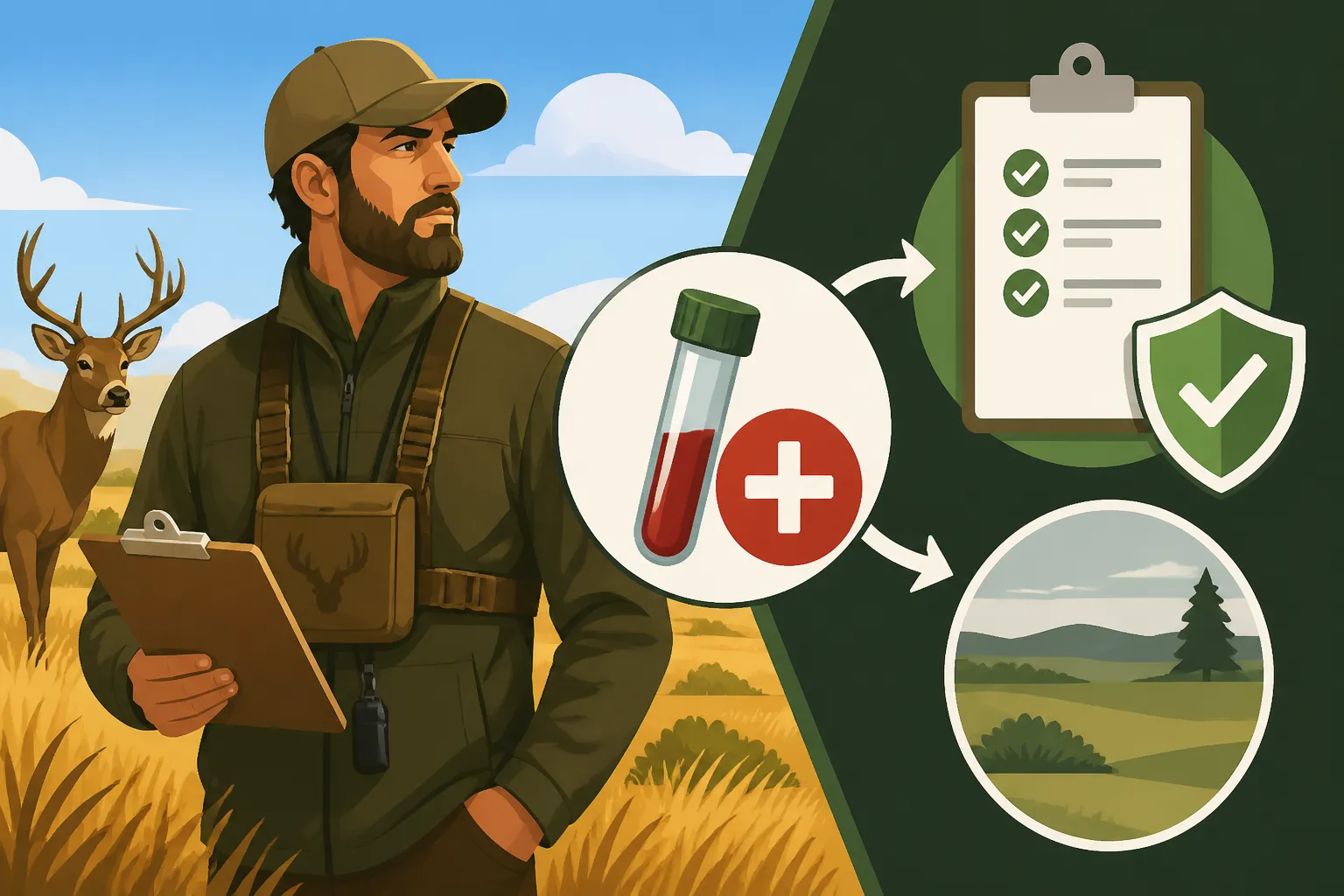
What an Outfitter Does With a Positive Test
It's incredibly frustrating and disheartening to invest your time, effort, and hard-earned money into a Saskatchewan hunt, only to have the excitement turn to worry with the mention of Chronic Wasting Disease (CWD). The thought of harvesting a magnificent animal and then facing a positive CWD test result is a scenario no hunter wants to imagine. This guide is here to walk you through exactly what happens when you're hunting with an outfitter in Saskatchewan and your harvested animal receives a positive CWD test, outlining the outfitter's responsibilities, the provincial protocols, and your options as a hunter.
The Outfitter's Role in CWD Testing and Management
When you book a hunt with a licensed outfitter in Saskatchewan, you're not just paying for access to land and expert guidance; you're also entrusting them with a good portion of the logistical and regulatory aspects of your hunt. CWD is a serious concern for the province's wildlife, and reputable outfitters integrate CWD awareness and management into their operations as a critical part of ethical hunting.
Pre-Hunt Information and Protocols
Long before you even set foot in the blind or climb into a stand, a good outfitter will have initiated conversations about CWD. They understand that transparency is key to managing expectations and ensuring compliance. This usually begins during the booking process or shortly after, where they'll highlight Saskatchewan's CWD Testing Rules and any specific requirements for the zones you'll be hunting. They'll let you know which zones are designated as Mandatory CWD Testing Zones and explain why these rules are in place—it's all about trying to monitor and contain the spread of this devastating disease.
These pre-hunt briefings often cover how CWD has been observed to affect populations, emphasizing that it's a real issue that impacts the very game we cherish. They might share provincial recommendations or even their own camp protocols to minimize risks. For instance, an outfitter might recommend specific field dressing techniques to reduce contact with high-risk tissues, or they might have designated areas for carcass handling to prevent contamination. This proactive approach helps hunters understand the landscape of CWD management and prepares them for the possibility of a positive test, ensuring everyone is on the same page regarding the importance of these protocols.
Facilitating the Sample Submission Process
Once an animal is harvested, the outfitter often plays a crucial role in facilitating the CWD sample submission. For many hunters, especially non-residents who might be unfamiliar with local regulations, navigating the specifics of sample collection and submission can be daunting. Outfitters understand this and strive to make the process as seamless as possible. They’ll usually assist with the proper removal of the head, ensuring that the necessary tissues (often the brainstem and lymph nodes) are kept intact for testing. This assistance is invaluable, particularly for large animals like moose or elk, or in cold weather conditions where careful handling is even more critical.
After the sample is collected, the outfitter will ensure it's correctly tagged with all the required information, including the hunter's details, harvest location, and date. They’ll then guide you on how and Where to Drop a Head for CWD Testing, or in many cases, they might even take on the responsibility of dropping off the sample themselves at a designated collection site. This service is particularly beneficial for hunters traveling long distances or those who might be on a tight schedule. Their involvement significantly reduces the burden on the hunter and helps ensure that valuable CWD surveillance data is collected accurately and efficiently, contributing to the broader management efforts across Saskatchewan. Platforms like BookYourHunt often highlight outfitters who provide comprehensive services, including assistance with CWD protocols, giving hunters peace of mind.
Understanding a Positive CWD Test Result
The waiting period for CWD test results can feel like an eternity. You're eager to get the all-clear, but sometimes, the news isn't what you hoped for. Understanding what a positive CWD test means, both in terms of communication and the implications for your harvested animal, is crucial for any responsible hunter.
Notification and Communication
When a CWD test comes back positive, it triggers a specific notification process. In Saskatchewan, results are typically communicated directly to the hunter by the provincial authorities. However, if you've made arrangements for your outfitter to act as an intermediary or if they facilitated the submission, they might also be informed, or at the very least, they will be your first point of contact for understanding the next steps. It's a moment that can be met with disappointment and a lot of questions, but your outfitter will be there to help you navigate it.
A reputable outfitter will act as a critical liaison during this time. They won't just pass on the news; they'll help you interpret the results in the context of provincial directives and provide guidance on what this means for your specific situation. They can clarify any jargon, explain the potential pathways for the disease, and outline the recommended actions. Their experience with these situations means they can offer calm, practical advice, helping you understand the gravity of the situation without panicking. It's a difficult conversation, but a good outfitter ensures you're supported and fully informed about the implications of the positive test.
Implications for the Harvested Animal
A positive CWD test fundamentally changes the status of your harvested animal. The primary implication is that consumption of the meat from a CWD-positive animal is not recommended by public health authorities. While there has been no documented case of CWD transmission to humans, the scientific community advises caution due to the nature of prion diseases. This means that, despite the effort and excitement of the hunt, the meat is generally considered unsuitable for human consumption. It's a tough pill to swallow, especially when you envision filling your freezer, but adhering to these guidelines is a key part of responsible wildlife stewardship.
The provincial guidelines will typically instruct on the proper disposal of the carcass if it tests positive. This usually involves taking the remains to a designated landfill or following other specific instructions to prevent further environmental contamination. This is where an outfitter's local knowledge becomes invaluable; they can direct you to the nearest approved disposal site or even assist with transportation. In contrast, if your animal tests negative, the meat is generally considered safe for consumption, assuming proper handling and cooking practices. The stark difference between these two outcomes highlights why CWD testing is so important and why knowing What to Do With a Positive Result is a must for all hunters in Saskatchewan.
Outfitter Actions and Hunter Options Post-Positive Test
Receiving a positive CWD test result for your harvested animal can feel like a punch to the gut. All the anticipation of the hunt, the effort in the field, and the dreams of venison for the winter come crashing down. However, it's important to remember that this isn't the end of the road, and your outfitter will guide you through the necessary steps.
Handling the Carcass and Meat
When an animal tests positive for CWD, the outfitter's guidance on handling the carcass and meat becomes paramount. The main goal is to prevent the further spread of the disease. This means that if any meat has already been processed or even partially consumed before the results came back, it should no longer be eaten. The outfitter will help reinforce this critical message and outline the safe disposal methods available. They understand the local regulations and can advise on designated CWD disposal sites, often specific landfill locations that can handle biohazardous materials. This ensures that any potentially infected tissues are properly contained and removed from the environment.
Furthermore, the outfitter will emphasize the provincial rules regarding Moving a Carcass Between Zones. High-risk parts, such as the brain, spinal cord, eyes, spleen, tonsils, and lymph nodes, should absolutely not be moved outside the zone of harvest if the animal tests positive. Even if you've already butchered the animal, the outfitter will advise on how to gather and dispose of any remaining high-risk parts to ensure compliance and minimize disease transmission risk. Their role here is not just advisory; it’s about providing practical support to ensure that you, as the hunter, are able to fulfill your responsibilities effectively and ethically, even in a difficult situation.
Trophy and Taxidermy Considerations
For many hunters, a trophy is a cherished reminder of their experience, and the question of keeping antlers or a cape after a positive CWD test is natural. The good news is that, generally, antlers and capes can still be kept. CWD prions are concentrated in the nervous tissue (brain and spinal cord) and lymph nodes, not typically in the bone, antler material, or hide itself. However, strict cleaning protocols are absolutely necessary to ensure there's no residual nervous tissue contamination.
Your outfitter will typically advise on how to prepare the skull plate (removing all brain and spinal cord tissue) and the cape (ensuring no lymph nodes are attached) for safe transport and taxidermy. They can often connect you with Saskatchewan Taxidermists and Wait Times who are experienced in handling CWD-positive animals and are familiar with the necessary precautions. Some hunters, despite the scientific assurances, might personally choose not to mount an animal that tested positive, seeing it as a somber reminder. Others, however, will proceed with taxidermy after proper cleaning, recognizing that the trophy itself poses minimal risk once appropriately processed. An outfitter's guidance can help you make an informed decision that aligns with both science and your personal comfort level.
Financial and Future Hunt Implications
One of the most pressing questions following a positive CWD test is often, "Do I get a refund or another hunt?" It's a completely understandable concern, given the investment made. However, it's important to clarify that outfitters typically do not offer refunds or re-hunts for animals that test positive for CWD. Their service is to provide the opportunity to hunt and guide you to an animal, and that service has been rendered. The CWD test result is an outcome of wildlife health, not a failure of the outfitter's service. This policy is usually clearly outlined in their booking terms and conditions, which you might find when researching outfitters on platforms like GoHunt or BookYourHunt.
While a refund for the hunt itself is unlikely, a truly supportive outfitter will still offer guidance and support through the process of carcass disposal and trophy cleaning. Some outfitters, as a gesture of goodwill, might offer a discount on a future hunt or commit to extra scouting efforts if you book with them again, though this is entirely at their discretion and not a mandatory policy. It's also important to know that a positive CWD test does not impact your eligibility for future hunting licences or draws in Saskatchewan. The focus is on disease management, not penalizing the hunter. Open communication with your outfitter about their specific policies before you book can save a lot of heartache later on, making sure you understand their Saskatchewan Deposit and Cancellation Terms fully.
| Aspect | Negative CWD Test Result | Positive CWD Test Result |
|---|---|---|
| Meat | Recommended safe for human consumption. | Not recommended for human consumption. |
| Trophy | Antlers/cape generally safe to keep and process. | Antlers/cape can be kept, but require strict cleaning. |
| Disposal | Dispose of non-meat waste according to local rules. | Dispose of carcass at designated CWD landfill. |
| Outfitter | Continues with standard camp protocols and meat care. | Provides guidance on disposal, cleaning, and protocols. |
| Hunter | Enjoys harvested meat; processes trophy as desired. | Must dispose of meat; takes precautions with trophy. |
Best Practices for Hunters and Outfitters Regarding CWD
Managing Chronic Wasting Disease is a collective effort, requiring diligence and cooperation from both hunters and outfitters. Adopting best practices is not just about compliance; it's about being a responsible steward of Saskatchewan's wildlife resources.
Proactive Communication and Preparedness
The foundation of effective CWD management lies in proactive communication. As a hunter, it's in your best interest to discuss CWD protocols with your outfitter before you even confirm your booking. Ask specific questions about their CWD testing policy, how they assist with sample submission, and what happens in the event of a positive test. Platforms that connect hunters with outfitters, such as BookYourHunt, often provide avenues for these direct questions. Understanding Saskatchewan's diverse CWD landscape, including How Many Saskatchewan Zones Have CWD and where the prevalence might be higher, will empower you to make informed decisions about your hunt location and expectations.
Outfitters, in turn, have a responsibility to be transparent and well-informed. They should clearly articulate their CWD plan to all prospective clients, especially non-residents who might not be familiar with local regulations or the severity of the issue. This transparency helps manage hunter expectations and ensures that everyone involved understands the shared commitment to CWD surveillance. Being prepared means having a clear plan for testing, understanding the implications of results, and knowing the steps for responsible carcass handling, all of which should be part of a robust pre-hunt briefing.
Responsible Carcass Management
Responsible carcass management is perhaps the most critical action a hunter can take to mitigate the spread of CWD. It starts in the field, immediately after the harvest. When field dressing, minimize the spread of high-risk tissues (brain, spinal cord, spleen, lymph nodes). Consider wearing gloves and using separate tools for gutting versus meat processing. Once the animal is dressed, promptly and properly dispose of the entrails according to local regulations, often by burying them deeply or leaving them at the kill site if permissible, ensuring they are not accessible to scavengers that could further spread prions.
Beyond field dressing, understanding the rules for Transporting Game Meat in Saskatchewan is vital. High-risk parts should generally not be transported out of the zone of harvest. If you're bringing the head for testing, ensure it's securely bagged and stored, and that all necessary identification tags are firmly attached. Your outfitter will provide guidance on these specifics, ensuring you comply with all provincial laws and ethical guidelines. This meticulous attention to detail in carcass management significantly reduces the risk of CWD prions entering new environments or affecting other wildlife populations.
Supporting CWD Research and Management
Every hunter has a role to play in the broader fight against CWD, and supporting research and management efforts is paramount. This goes beyond simply complying with mandatory testing requirements in certain zones. Even if you're hunting outside a designated mandatory zone, consider participating in voluntary CWD testing programs. The more data collected, the clearer the picture scientists and wildlife managers have of the disease's prevalence and distribution across the province. This data helps inform policy decisions, hunting regulations, and future management strategies.
Outfitters often serve as key partners in this data collection, as they interact with numerous hunters and animals throughout the season. They can encourage participation in voluntary testing and help facilitate the submission of samples. By working together, hunters and outfitters contribute valuable information that is essential for understanding and managing CWD. The health of Saskatchewan's deer, elk, and moose populations depends on this collective commitment to surveillance and responsible practices, ensuring that these incredible animals remain a vibrant part of our landscape for generations to come.
Disclaimer
This article is for general informational purposes only and does not constitute professional advice. Laws, prices and regulations vary by location and change over time. Consult a qualified professional for guidance on your specific situation.