What Non-Residents Get Wrong About Saskatchewan
It's incredibly common for non-resident hunters to arrive in Saskatchewan with certain expectations about hunting here, only to find the reality is quite a bit different from what they imagined. Whether it's the sheer scale of the province, the specific regulations, or the nuances of land access, many hunters quickly discover that "Saskatchewan rules" are a world apart. This guide aims to clear up some of those frequently misunderstood aspects, helping you plan a more informed and successful hunt.
The Reality of Land Access: More Private Than You Think
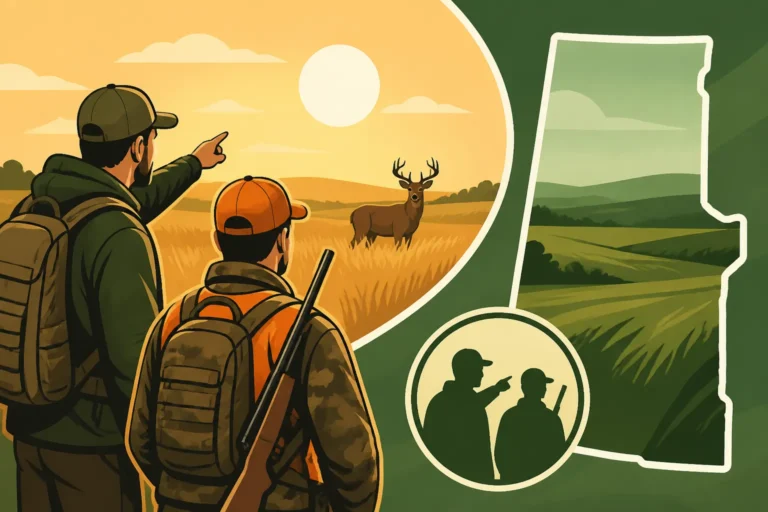
One of the biggest eye-openers for many non-residents, especially those from areas with vast tracts of public land, is just how much of Saskatchewan is privately owned. While the province is huge, a significant portion of its prime agricultural and parkland habitat, especially where many of the big game animals thrive, is in private hands. This isn't the wide-open, "hunt anywhere" landscape some envision.
The Dominance of Private Farmland
Saskatchewan is an agricultural powerhouse, and the landscape reflects that. Miles upon miles of grain fields, pastures, and hay lands characterize much of the southern and central parts of the province. This land, while often holding incredible numbers of deer, moose, and birds, is almost entirely private. It's owned by farmers and ranchers who work it tirelessly, and access to it for hunting is strictly by permission. This can be a stark contrast to states or provinces where public land is the primary hunting ground, leading to frustration for those who haven't secured access beforehand. You can't just drive down a grid road, spot a buck, and start hunting without proper authorization. The old adage, "If you didn't ask, the answer is no," rings especially true here.
Navigating Crown Land and Its Limitations
Yes, Saskatchewan does have Crown land (public land), and it accounts for a large percentage of the province's total area, particularly as you move north into the boreal forest. However, the misconception often lies in its accessibility and quality in desired hunting areas. Much of the easily accessible Crown land in the more productive central and southern zones might be small, fragmented parcels or lands primarily used for grazing leases. While Saskatchewan's Crown Land Access exists, it's often not the vast, contiguous blocks of easily huntable timber that some American hunters are accustomed to. Finding these pieces, understanding their boundaries, and knowing the specific rules for hunting them requires diligent scouting, often with tools like land ownership maps. It's not always as simple as pulling off a highway and walking into the bush.
Fish and Wildlife Development Fund (FWDF) Lands
Another category that sometimes confuses non-residents is Fish and Wildlife Development Fund (FWDF) lands. These are parcels acquired or managed by the province specifically for wildlife habitat and public recreation, including hunting. They are essentially public hunting areas. However, even these have specific rules. While generally open, they are often smaller in size and scattered, requiring hunters to do their homework to locate them. They can also experience significant hunting pressure, especially on opening weekends, simply because they are known public access points in areas otherwise dominated by private land. Understanding where these properties are and how they fit into the broader landscape is key to effective planning.
The Unique Regulatory Landscape: It's Not Like Home
Saskatchewan's hunting regulations, especially for non-residents, have some very specific quirks that often catch people by surprise. These aren't minor details; they can fundamentally change how you plan and execute your hunt.
The Mandatory Outfitter Requirement for Big Game
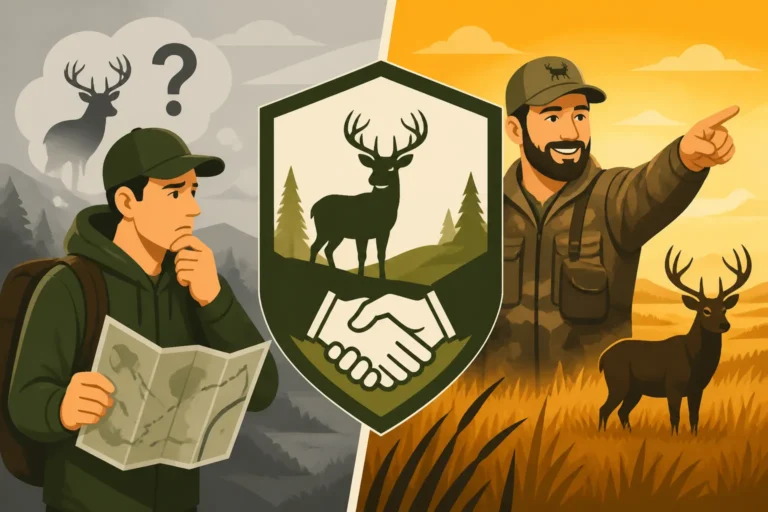
This is perhaps the single biggest point of confusion and frustration for non-resident big game hunters. Unlike many jurisdictions, Saskatchewan mandates that all non-resident hunters pursuing big game (like whitetail, mule deer, moose, elk, or bear) must book their hunt through a licensed Saskatchewan outfitter. There are no exceptions for non-resident aliens, regardless of whether you own property here, have family, or have been hunting in the province for years. This rule exists to help manage game populations, provide economic benefit to the province, and ensure a controlled hunting experience. Many hunters arrive thinking they can simply buy a tag over the counter or get permission from a landowner, only to find this is not an option. This is Why Non-Residents Must Book an Outfitter is such a critical piece of information.
Navigating Saskatchewan's Big Game Draw System
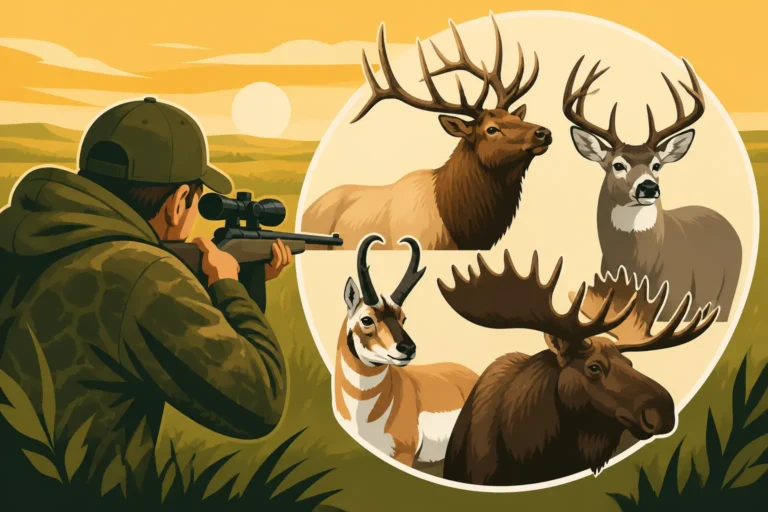
Even with a licensed outfitter, most prime big game species in Saskatchewan are allocated through a draw system, not over-the-counter sales. Species like moose, elk, and pronghorn are particularly competitive, often requiring years of priority in the draw to secure a tag. Whitetail deer and black bear are generally easier to obtain through an outfitter, as outfitters receive allocations for these species. However, understanding that Saskatchewan operates with a draw system for certain species, and how that affects your outfitter's ability to provide you with a tag, is crucial. This is vastly different from some areas where tags for all species might be readily available for purchase. For a deeper dive, check out Saskatchewan's Big Game Draw.
The Distinct Rules for Game Birds vs. Big Game
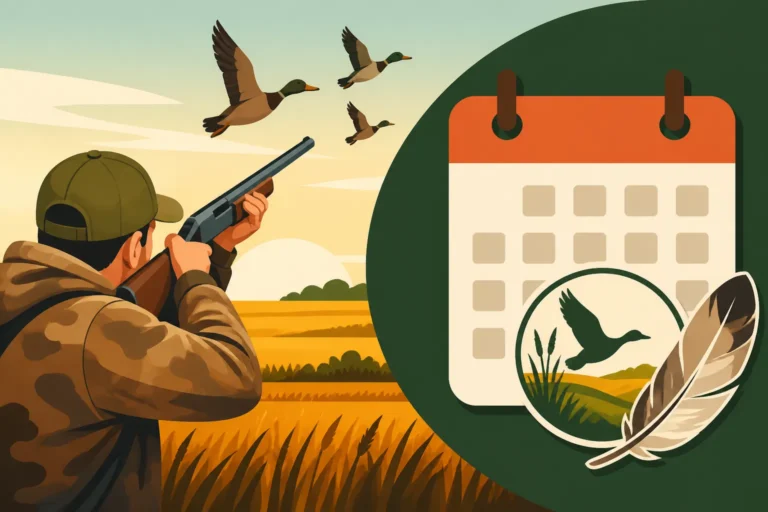
It's important to differentiate between big game and game bird hunting regulations for non-residents. While big game hunting absolutely requires an outfitter, non-resident hunters can come to Saskatchewan to hunt game birds (like ducks, geese, cranes, grouse, and partridge) without booking a licensed outfitter. This is a common misconception, with many assuming the outfitter rule applies across the board. However, there are still specific regulations for non-resident bird hunters, notably the Saskatchewan's Five-Day Game Bird Terms. This means you buy a license valid for only five specific calendar days, and you're limited to two such five-day terms per season. This provides a window of opportunity for independent bird hunters, but still requires careful planning around those specific dates and understanding the rules around field permission.
Planning Your Hunt: Expectations vs. Reality
Beyond land access and regulations, non-residents often have misconceptions about the logistics, costs, and ultimate success rates of hunting in Saskatchewan. Planning ahead, often well in advance, is paramount.
Realistic Costs and What They Include (and Don't)
A guided hunt in Saskatchewan, especially for trophy whitetails or other big game, is a significant investment. Non-residents sometimes underestimate the total financial outlay. While the outfitter fee covers guiding, lodging, and meals, it often doesn't include your actual hunting license, tags, the federal migratory bird permit (if bird hunting), travel to and from Saskatchewan, meat processing, taxidermy, or gratuities for guides and camp staff. It's essential to get a clear breakdown of all potential costs from your chosen outfitter. For example, a quality What a Saskatchewan Guided Whitetail Hunt Costs can vary widely based on the duration, species, and level of service. Always ask for a comprehensive list of what's included and what will be an additional expense. Using resources like BookYourHunt can help compare packages, but always confirm the full scope of costs directly.
Booking Lead Times and Prime Opportunities
If you're dreaming of a trophy whitetail hunt during the peak of the rut in November, you might be surprised to learn that many top outfitters are booked solid not just a year, but often two or three years in advance for those prime weeks. Non-residents often assume they can call up a few months out and secure a spot. While you might find openings for certain species or less desirable dates, the best opportunities require serious foresight. If you're looking to hunt during Hunting Saskatchewan's November Rut, plan early. Platforms like GoHunt and BookYourHunt provide valuable information on outfitters and availability, but reaching out directly and inquiring about current lead times is crucial.
Managing Expectations for "Trophy" Success
Saskatchewan has a well-deserved reputation for producing world-class whitetails and other big game. This leads many non-residents to believe that a "guaranteed" trophy is part of the package. While success rates are often high, hunting is still hunting. Weather conditions can change drastically, affecting animal movement. Hunting pressure, even in well-managed areas, can impact outcomes. Outfitters work incredibly hard to put you on game, but they cannot guarantee a specific size of animal or a filled tag. The term "success rate" usually refers to the percentage of hunters who successfully harvest an animal, not necessarily a Boone & Crockett qualifier. Understand that you're paying for the experience and the opportunity in a game-rich area, not a sure thing.
Other Common Misconceptions and Logistical Hurdles
Beyond the big points, there are several smaller but significant details that often trip up non-resident hunters.
Firearm Importation and Canadian Border Regulations
Bringing your hunting rifle or shotgun into Canada requires specific procedures. It's not as simple as just packing it and crossing the border. You'll need to complete a Non-Resident Firearm Declaration Form (CAFC 909) in triplicate, pay a fee, and declare your firearms at the border crossing. There are strict rules about what types of firearms are allowed, and prohibited firearms will be seized. Understanding Bringing Firearms Into Saskatchewan and the Canadian regulations is essential to avoid delays, fines, or even denial of entry. Your outfitter can often provide guidance on this, but the responsibility ultimately rests with you.
Respecting Landowner Relations and Local Etiquette
Saskatchewan has a strong culture of landowner hospitality, but it's built on respect and clear communication. Non-residents often underestimate the importance of always asking for permission, even on land that appears unposted or unfenced. A landowner's generosity should never be taken for granted. Knocking on a farmer's door, introducing yourself politely, and asking for permission to hunt specific land parcels is the golden rule, especially if you're hunting birds without an outfitter. Even with an outfitter, understanding and respecting local customs and land use is critical. Learn more about Saskatchewan Landowner Permission Law to ensure you're always on the right side of things.
The Sheer Scale and Winter Conditions
Finally, the vastness of Saskatchewan and its notoriously harsh winters are often underestimated. Driving distances between locations can be immense. If you're planning a late-season hunt, be prepared for extreme cold, heavy snow, and potentially dangerous driving conditions. Cell service can be spotty to non-existent in many rural and northern areas, which can be a safety concern. Packing appropriate gear for extreme cold is non-negotiable for a late-November or December hunt.
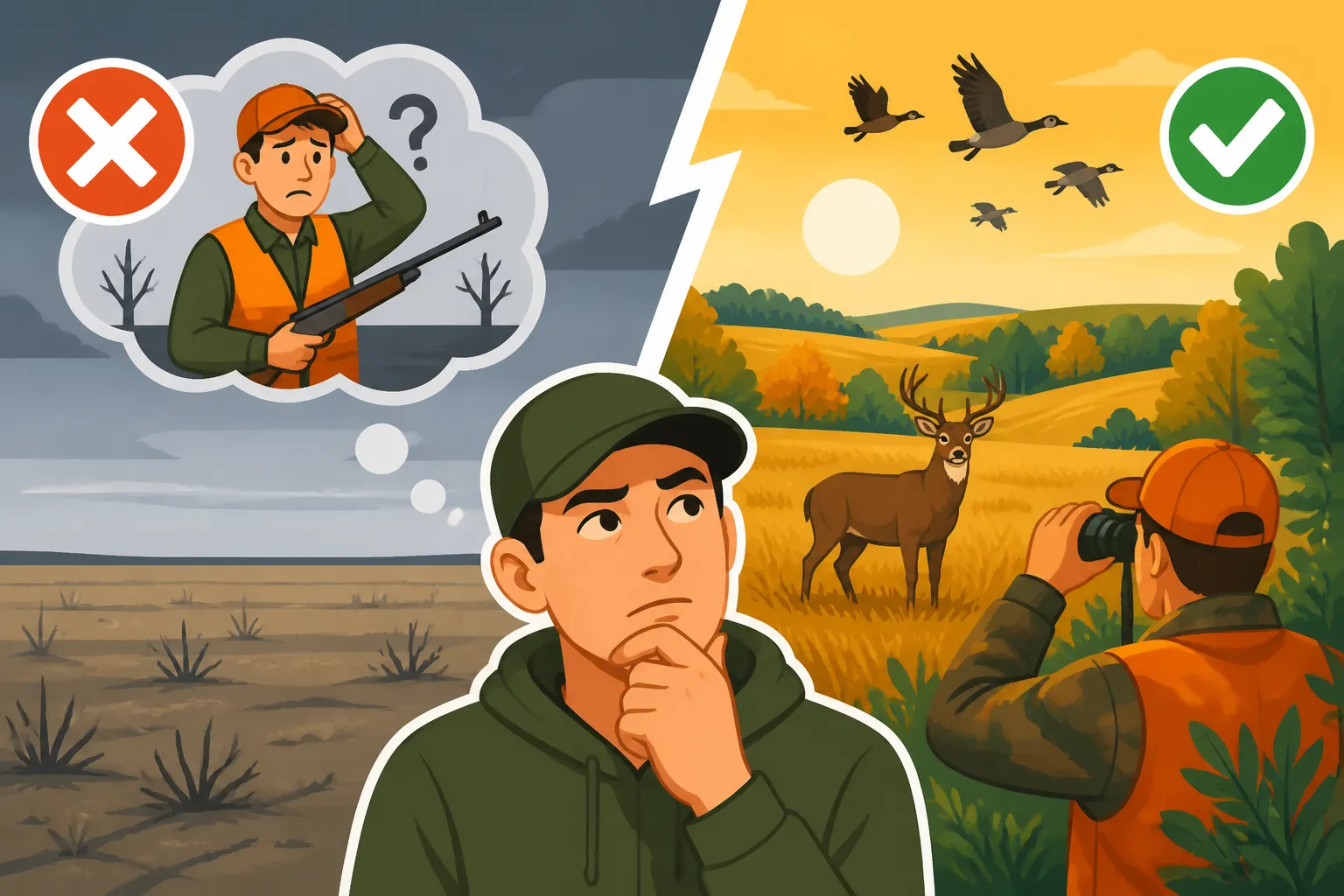
Here's a quick summary of some common misconceptions:
| Misconception | Saskatchewan Reality |
|---|---|
| Vast, Open Public Hunting Land | Much of the productive habitat is private farmland; Crown land is often fragmented or in the remote north. Permission is paramount. |
| Can Independently Hunt Big Game | All non-resident big game hunters must book through a licensed outfitter. No exceptions. |
| Big Game Tags Are Over-the-Counter | Moose, elk, and pronghorn are draw-only, even through an outfitter. Whitetail and bear tags are allocated to outfitters. |
| Game Bird Hunting Requires an Outfitter | Non-residents can hunt birds independently, but are subject to Saskatchewan's Five-Day Game Bird Terms and require landowner permission. |
| Last-Minute Booking Is Fine | Prime big game hunts, especially for rut whitetails, are often booked 1-3 years in advance. Plan early. |
| "Trophy Guaranteed" | Outfitters provide opportunity in game-rich areas; success rates refer to harvest, not necessarily B&C scores. Weather and other factors play a huge role. |
| Easy Firearm Importation | Strict Canadian regulations require a Non-Resident Firearm Declaration Form and declaration at the border. Prohibited firearms are not allowed. |
| Landowners Don't Mind Unannounced Hunters | Respectful, in-person requests for permission are vital. Saskatchewan Landowner Permission Law is strictly enforced. |
| Costs Are Just the Outfitter Fee | Factor in licenses, tags, travel, meat processing, taxidermy, and gratuities. What a Saskatchewan Guided Hunt Costs is a significant investment. |
| Saskatchewan's Hunter Education Is Universal | Be aware of Saskatchewan Hunter Education Requirements if you plan to hunt independently or if your prior certification doesn't meet provincial standards. |
By understanding these realities, non-resident hunters can approach their Saskatchewan adventure with a much clearer picture, leading to a more enjoyable and successful experience. It's a truly special place to hunt, but it rewards those who do their homework and respect its unique characteristics. Checking with licensed outfitters and resources like BookYourHunt and GoHunt well in advance can help bridge many of these informational gaps.
Disclaimer
This article is for general informational purposes only and does not constitute professional advice. Laws, prices and regulations vary by location and change over time. Consult a qualified professional for guidance on your specific situation.