How Many Days a Non-Resident Bird Hunter Books
One of the most common questions I hear from our hunting friends south of the border, or even those from other parts of Canada, is about planning a bird hunting trip to Saskatchewan. It’s not just about picking a date; understanding the unique licensing structure for non-residents, particularly the "five-day term" for bird licences, is absolutely crucial. This guide will walk you through what that means for your trip duration, what factors should influence your decision, and how to plan a memorable and successful Saskatchewan bird hunt.
Understanding the Non-Resident Bird Hunting Framework in Saskatchewan
If you're a non-resident dreaming of Saskatchewan's legendary waterfowl or prolific upland bird hunting, you've likely encountered some specific rules that differ from your home province or state. These regulations, particularly around licence terms, significantly impact how long you can plan your hunt. It's not just a matter of buying a general licence and hunting until you're tired; there are structured periods you need to understand to ensure you're hunting legally and making the most of your investment.
The core of this planning revolves around the specific licence terms for non-residents. Unlike residents who often purchase season-long licences, non-residents typically operate under more defined periods. This distinction isn't meant to complicate things, but rather to manage hunting pressure and ensure sustainable populations in a province that truly is a mecca for bird hunters. Getting this right from the start will save you headaches and allow you to focus on the thrill of the hunt.
The Five-Day Licence Term Explained
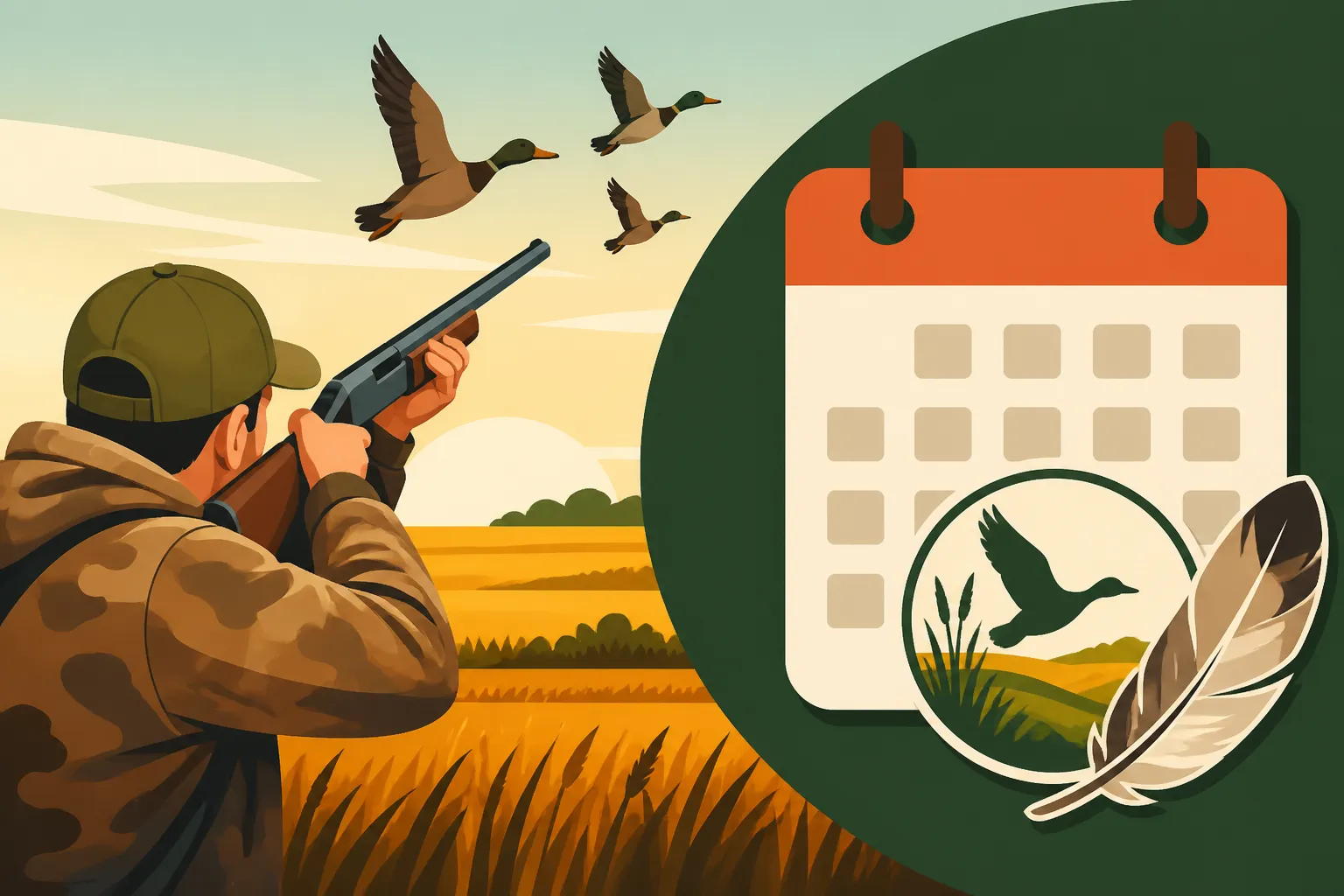
For non-resident bird hunters, the Saskatchewan system works a bit differently than what many might be used to. Instead of buying a single licence that covers an entire season, you'll typically be looking at specific terms. The most common structure you'll encounter is the five-day non-resident migratory game bird licence term. This means that once your selected five-day period begins, you're legal to hunt migratory birds (ducks, geese, cranes) for those five consecutive days. If you want to hunt for longer, you would need to purchase additional five-day terms. It’s a very distinct setup, and it’s important to acknowledge that this isn't a continuous, open-ended licence. For a deeper dive into these specific rules, you can read more about Saskatchewan's Five-Day Game Bird Terms.
This five-day structure has a direct and profound impact on how you plan your trip. It's not just about hunting for five days; it's about making those five days count. Travel days on either end need to be considered carefully, as they cut into your actual hunting time. For instance, if you arrive on a Monday and your five-day term starts Tuesday, by Saturday evening your term is up. You might have only had four full hunting days, depending on your travel schedule. This makes efficiency and careful planning absolutely paramount. You'll often find that outfitters structure their packages to align with these terms, which we'll discuss more later.
How Non-Resident Status Impacts Trip Length
Being a non-resident in Saskatchewan brings with it certain logistical and regulatory considerations that directly influence the practical length of your hunting trip. While non-residents don't always need an outfitter for bird hunting in the same way they do for certain big game species, many still choose to book with one due to the sheer complexity of scouting, setting up, and managing large waterfowl spreads. An outfitter handles permission, scouting, decoys, blinds, and calling, allowing you to maximize your limited hunting days. If you're going the DIY route, you'll need to factor in significant time for scouting and securing land access, which can eat into your planned hunting days.
Consider the entire journey: the drive or flight to Saskatchewan, the time it takes to get to your lodging or camp, unpacking, setting up gear, and then reversing the process for your return. These are all non-hunting days that still contribute to your overall trip length and cost. A longer actual hunting duration might necessitate a longer overall trip, adding to accommodation, food, and travel expenses. Non-residents often find themselves trying to balance the desire for ample hunting time with the practical realities of travel and budget. Platforms like BookYourHunt can be valuable for seeing how various outfitters structure their bird hunting packages, giving you a sense of typical durations and inclusions for non-residents.
Factors Influencing Your Trip Duration
Deciding how many days to book isn't a one-size-fits-all answer. Several key factors come into play, from the specific birds you're targeting to your travel budget and the overall hunting experience you're hoping for. It's about weighing these elements to create a trip that's both enjoyable and realistic for your goals.
Hunting in Saskatchewan is an investment of time and money, and every hunter wants to feel like they've made the right choices. Thinking through these influencing factors upfront can prevent disappointment and help you set appropriate expectations for your time in the field.
Target Species and Their Movements
The type of bird you're primarily pursuing can greatly influence the optimal length of your hunt.
-
Waterfowl (Ducks, Geese, Cranes): Saskatchewan is world-renowned for its migratory bird hunting. Whether you're chasing massive flocks of Canada geese, specklebellies, or a mixed bag of ducks, these hunts are often field-based and highly dependent on daily scouting and bird movements. Geese, especially, can be here today, gone tomorrow, or simply shift feeding patterns. A longer trip, say five full hunting days, gives you flexibility. If one field doesn't pan out, or the weather shifts, your guide has time to scout new locations. For example, Hunting Saskatchewan's Snow Goose Migration can be incredibly productive, but those birds move fast, and having multiple days allows for adapting to their flight paths. Similarly, knowing the Saskatchewan Duck Season Dates and Saskatchewan Goose Season Dates helps align your trip with peak migration. More days increase your odds of hitting a "perfect storm" of weather and bird numbers.
-
Upland Birds (Sharptails, Huns, Ruffed Grouse): While less dependent on large-scale migrations, upland bird hunting still benefits from more days. You might spend a day or two walking stubble fields for Hunting Hungarian Partridge on Saskatchewan Farms and another day traversing bush trails for Hunting Ruffed Grouse on a Saskatchewan Bush Road. Different habitats mean different approaches, and having more time allows you to explore various areas and refine your technique. Upland birds are more sedentary than waterfowl, but varying weather and habitat conditions can still make some days tougher than others.
A longer trip also offers the chance to pursue multiple species if your outfitter offers a combo hunt or if you're comfortable switching gears and locations on your own. This diversification can enhance the overall experience and provide a safety net if one particular species isn isn't cooperating.
Travel Logistics and Time Investment
For non-residents, travel is a significant part of the hunting equation. Whether you're driving across state lines or flying into Saskatoon or Regina, the time and effort invested in getting to Saskatchewan need to be balanced against your actual hunting days.
- Driving: If you're driving, you might choose to add an extra day or two to your trip just for travel, reducing the pressure to drive long distances immediately before or after hunting. This can make the journey itself more enjoyable and less fatiguing. However, those extra travel days also mean more time off work and increased costs for lodging and food en route.
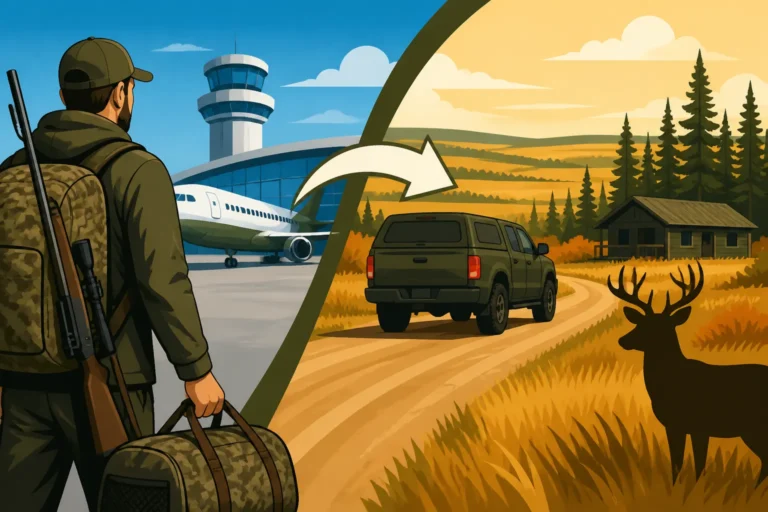
- Flying: For those flying in, you're looking at at least a full day of travel on either end, often more if you have connecting flights or need to rent a vehicle and drive a few hours to your camp. Factor in time for potential delays, dealing with firearms declarations, and getting acquainted with your surroundings. Many outfitters offer airport pickup services, which can streamline this process, but it still means your first and last days are heavily travel-focused, not hunting-focused. For non-residents, navigating Crossing the Border With a Rifle or flying with firearms requires careful preparation and time.
Ultimately, a five-day hunting licence doesn't mean a five-day trip. It's more realistically a 7-day or even 8-day trip when you account for getting there and back, especially if you're coming from a distance.
Budget and Outfitter Packages
Let's be real: hunting in Saskatchewan is a bucket-list trip for many, and budget is almost always a consideration. The cost of a non-resident bird hunt typically scales with the number of days you book.
- Outfitter Packages: Most Saskatchewan waterfowl outfitters, recognizing the five-day licence terms and the travel involved, offer packages built around these durations. You'll commonly see 3-day, 4-day, or 5-day hunting packages, often with 4, 5, or 6 nights of lodging, respectively. These packages generally include guides, decoys, blinds, and often meals and lodging. Comparing Saskatchewan Waterfowl Outfitter Packages will quickly show you the pricing structure. A 5-day hunt will naturally cost more than a 3-day hunt, but it often offers better value per hunting day by spreading out fixed costs like travel and setup. It also significantly increases your odds of success and variety.
- DIY Costs: If you're going the do-it-yourself route, extending your trip means more expenses for lodging, food, fuel, and potentially equipment rentals. You'll also need to factor in the cost of Non-Toxic Shot Requirements for Waterfowl, which can add up quickly over a longer hunt.
- Value Proposition: While more days mean a higher total cost, consider the value. An extra day or two can provide a crucial buffer against bad weather, slow bird movement, or even just allow for a rest day to recharge. It also allows for more diverse hunting experiences, maybe chasing a few different species, or simply enjoying the camaraderie of camp life for longer. Platforms like GoHunt might offer resources for budgeting and planning longer trips, helping hunters optimize their expenses.
Common Trip Lengths and What to Expect
When it comes to non-resident bird hunting in Saskatchewan, there are a few common trip lengths that hunters gravitate towards. Each has its own set of advantages and what you can realistically expect to achieve during your time in the field.
Most hunters are looking for that sweet spot: enough time to have a quality experience and reasonable success, without breaking the bank or taking too much time away from other commitments.
The Standard 5-Day Hunt (and why it's popular)
The five-day hunting package is arguably the most popular choice for non-resident bird hunters in Saskatchewan, largely because it directly aligns with the legal Saskatchewan's Five-Day Game Bird Terms. This usually translates to four or five full days of hunting activity, depending on travel schedules and arrival/departure times.
Why it's popular:
- Legal Alignment: It's a clean fit for the licensing structure, maximizing the use of a single licence term.
- Balance of Time and Cost: It strikes a good balance, offering enough time to experience diverse hunting scenarios without stretching the budget too far. You get multiple opportunities to hunt different fields for geese, perhaps a morning duck hunt over potholes, or an afternoon pursuing upland birds.
- Realistic Success: With five days, you're much more likely to hit optimal conditions for at least a few hunts. If the weather changes, or birds shift their patterns, a good outfitter has time to adjust and find new opportunities. This duration gives hunters a solid chance at good numbers and a variety of birds. You can often try different tactics, such as Setting a Goose Spread in Swathed Barley on one day, and hunting a smaller pothole the next.
- Travel Integration: Most outfitters design these packages to comfortably integrate typical travel schedules, usually including 5-6 nights of lodging. This means you have a solid block of hunting and travel is accounted for.
What to expect: During a five-day hunt, you can expect a comprehensive bird hunting experience. This often involves early mornings setting up goose spreads, followed by decoy hunting for ducks, and potentially some upland bird walks in the afternoons. You should have ample opportunity to reach your bag limits for various species.
Extending Your Stay: 7+ Day Options
Some non-resident hunters choose to extend their stay beyond the standard five-day term, opting for 7 or even 10+ day trips. This usually means purchasing multiple five-day licence terms or combining different types of hunts.
Why hunters opt for more days:
- Increased Variety: Longer trips allow for greater diversity in hunting experiences. You might dedicate several days to geese, then switch to ducks, and spend some time walking for upland birds. This provides a more well-rounded experience.
- Weather Insurance: Saskatchewan weather can be unpredictable. More days in the field mean you're less susceptible to a single day of bad weather (heavy rain, high winds, or deep cold) ruining a significant portion of your hunt. You have buffer days to ride out adverse conditions.
- Relaxed Pace: A longer trip can feel less rushed. You might take a mid-day break, enjoy longer meals, or simply spend more time in camp socializing. It's not just about the kill; it's about the entire experience.
- Multi-species or Combo Hunts: Many hunters combine bird hunting with other opportunities, particularly if travelling a long distance. While big game for non-residents almost always requires an outfitter, you might look into combination packages that offer a bit of everything. However, be aware of the specific regulations for each species.
Considerations: Extending your trip significantly increases the overall cost for licences, guiding fees, lodging, food, and travel. It also requires more time off, which isn't always feasible for everyone. Hunters often book this type of trip when they are making a significant, once-in-a-lifetime journey to Saskatchewan.
Maximizing Shorter Trips (e.g., 3-4 days)
While the five-day term is standard, some non-residents might opt for a shorter 3-day or 4-day bird hunting trip, especially if they are driving relatively short distances, have budget constraints, or are targeting a very specific hunt.
When a shorter trip makes sense:
- Proximity: If you're coming from a neighbouring province or state and driving time is minimal, a shorter, more intense hunt can be appealing.
- Specific Focus: Perhaps you're only interested in a couple of fast-paced morning goose hunts or specifically targeting ducks over a particular type of water. A shorter trip can be highly effective for very focused objectives.
- Budget Conscious: Shorter trips are inherently less expensive in terms of outfitter fees, food, and lodging, making them more accessible for some hunters.
- Quick Getaway: For hunters who can't commit to a full week away, a long weekend of hunting can still provide a thrilling experience.
What to expect: A shorter trip means you have less flexibility. Every hunting day counts, and you'll likely be going hard from dawn until dusk. While success is still very possible, you have fewer opportunities to overcome challenging conditions or shifting bird patterns. You might need to be more realistic about the variety of species you can pursue and the total bag you can achieve. Good planning and an experienced guide are even more critical for these concentrated hunts. Resources like GoHunt can help you research specific areas that might offer a higher concentration of birds for a shorter, more intensive effort.
Planning Your Non-Resident Bird Hunt
Once you've got a handle on the typical durations and what influences them, it's time to get down to the nitty-gritty of planning. A successful Saskatchewan bird hunt, especially for non-residents, is a well-planned hunt. It’s not just about showing up with a shotgun; it involves careful consideration of logistics, preparation, and understanding the legal framework.
Researching Outfitters and Availability
For most non-resident bird hunters, booking with a reputable outfitter is the easiest way to ensure a productive and enjoyable trip. They handle the complex logistics of Scouting Fields for Saskatchewan Waterfowl, securing permissions, and providing equipment.
- Early Booking is Key: Saskatchewan is a world-class destination, and the best outfitters book up well in advance, especially for prime dates in September and October. Start your research at least 9-12 months out, or even more for highly sought-after weeks.
- Ask the Right Questions: Don't be shy about asking specific questions: What is the typical daily schedule? How many hunters per guide? What is included (meals, lodging, transport from nearest town/airport)? What are their success rates, and what do those numbers really mean? What happens in case of bad weather? How do they handle meat and bird processing?
- Check References: A good outfitter will happily provide references from past clients. Take the time to call them and ask about their experience. Platforms like BookYourHunt often include client reviews, which can be helpful, but direct communication is best.
- Deposits and Cancellations: Understand the deposit structure and cancellation policy. Life happens, and you want to know what your options are if you need to reschedule or cancel.
Preparing for Saskatchewan's Conditions
Saskatchewan's weather can be glorious one day and brutal the next. Being prepared for a wide range of conditions is vital for an enjoyable hunt.
- Layer Up: Expect cool mornings, potentially warm afternoons, and cold evenings, especially in the fall. Layers are your best friend. Thermal base layers, fleece, and a good waterproof/windproof outer shell are essential.
- Footwear: Waterproof, comfortable boots are a must. You'll be walking through wet fields, stubble, and potentially muddy conditions.
- Decoys and Blinds: If you're hunting with an outfitter, they'll provide these. If DIY, ensure your gear is ready for transport and setup.
- Shooting Practice: Practice shooting before your trip. Most bird hunting involves fast-paced wing shooting, and you want to be confident with your shotgun.
- Ammunition: Stock up on the correct non-toxic shot. Non-Toxic Shot Requirements for Waterfowl are strict in Saskatchewan for all migratory bird hunting. Make sure you have enough, as local supplies can sometimes be limited, especially in smaller towns.
Legalities and Permits
Beyond the five-day licence term, there are other crucial legal aspects non-residents need to be aware of.
- Habitat Certificate: Every hunter in Saskatchewan, resident or non-resident, needs a Wildlife Habitat Certificate. This helps fund conservation efforts in the province.
- Federal Migratory Game Bird Permit: In addition to your provincial licence, you will need to purchase a federal permit and Canadian Wildlife Habitat Conservation Stamp. This is a separate requirement for all migratory bird hunters across Canada. Details can be found when reading up on The Federal Migratory Game Bird Permit.
- Firearms Declaration: If you are bringing your own firearms across the Canadian border, you must complete a Non-Resident Firearm Declaration Form (CAFC 909) and pay a processing fee. This needs to be done before you arrive at the border. Do not skip this step, as it can lead to significant issues. Always check the most current regulations from the Canadian Border Services Agency.
- Tagging and Transportation: Understand the rules for tagging your birds and transporting them. Evidence of species and sex may be required for certain birds.
- Daily Bag and Possession Limits: Be intimately familiar with the daily bag and possession limits for each species you're hunting. These are clearly outlined in the provincial hunting guide.
By meticulously planning and understanding these elements, non-resident bird hunters can ensure a smooth, legal, and ultimately rewarding experience in Saskatchewan's abundant fields and wetlands.
| Trip Length (Hunting Days) | Typical Overall Trip Duration (incl. travel) | Pros | Cons | Ideal For |
|---|---|---|---|---|
| 3-4 Days | 5-6 Days | More affordable, good for focused hunts, less time off work. | Less flexibility, susceptible to bad weather, fewer species opportunities. | Budget-conscious hunters, quick getaways, targeting specific high-volume hunts. |
| 5 Days | 7 Days | Aligns with licence term, excellent balance of cost/time, good variety, high success potential. | Still tight if major weather issues, requires careful travel planning. | Most non-resident hunters, comprehensive experience, good all-around value. |
| 7+ Days | 9-10+ Days | Maximum flexibility, variety of species, weather buffers, more relaxed pace, deep experience. | Highest cost, requires significant time off, potential for fatigue. | Dedicated hunters, multi-species goals, once-in-a-lifetime trips. |
Disclaimer
This article is for general informational purposes only and does not constitute professional advice. Laws, prices and regulations vary by location and change over time. Consult a qualified professional for guidance on your specific situation.