Hunting a Frozen Slough Crossing
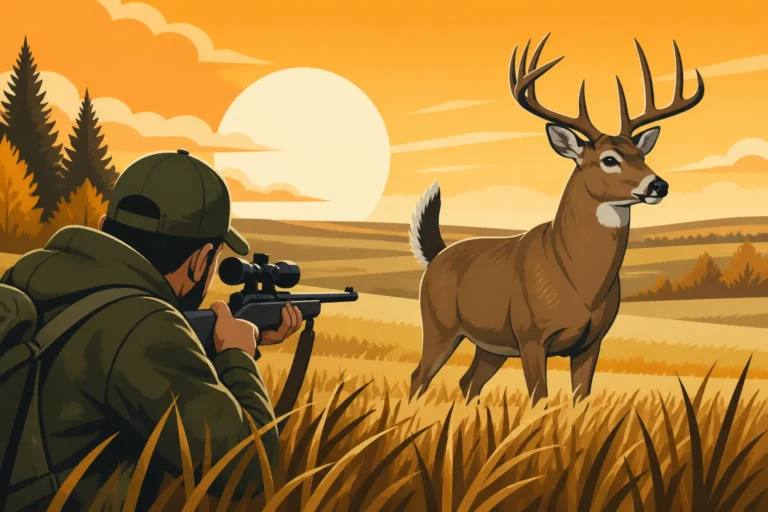
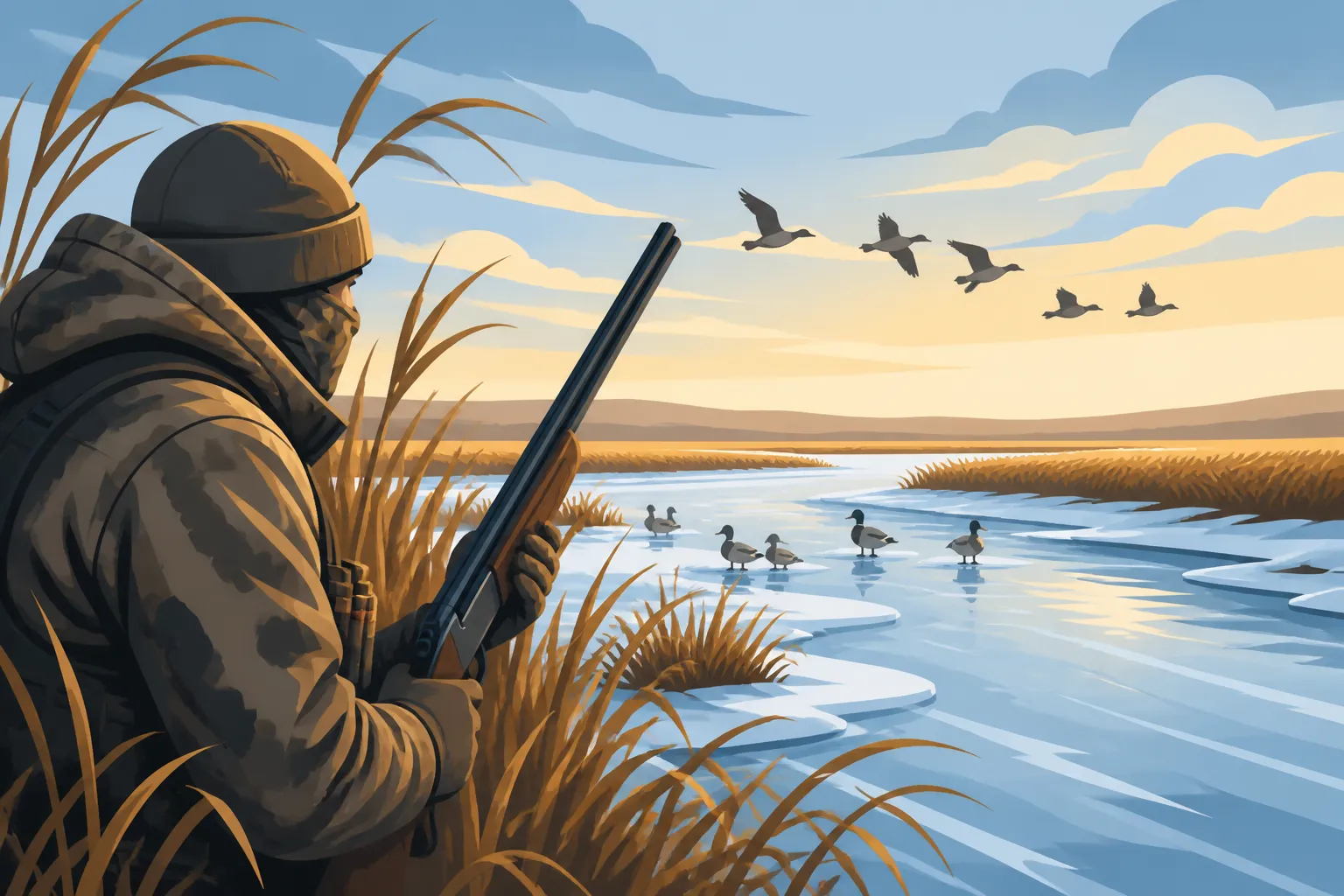
Hunting in Saskatchewan when the landscape freezes solid presents a unique set of challenges and opportunities. Many hunters find themselves frustrated as traditional deer paths and game trails disappear under snow or become less predictable. However, these conditions force animals into specific travel patterns, particularly around frozen sloughs. This guide will walk you through how to effectively identify, set up on, and successfully hunt these critical frozen slough crossings, turning a cold-weather challenge into a strategic advantage.
Understanding the Dynamics of Frozen Slough Crossings
When the mercury drops and the wetlands turn to ice, sloughs transform from watery obstacles into vital arteries for wildlife. Ignoring these changes means missing out on prime hunting opportunities.
Why Frozen Sloughs Are Important Travel Corridors
Think about a typical Saskatchewan slough in the fall: a muddy, water-filled depression, often choked with cattails, bulrushes, and willows. Animals might skirt its edges, find narrow dry crossings, or simply avoid it altogether. But once that slough freezes solid, it becomes an entirely different proposition. For a whitetail deer, a moose, or even a coyote, a frozen slough offers an unobstructed, often flatter, and more direct route between points of interest.
Imagine a large block of aspen parkland cover on one side and a freshly harvested stubble field on the other. During open water season, deer might take a long, circuitous route around the slough, or push through thick, noisy brush. But with a solid sheet of ice, that slough becomes a superhighway. They can cross quickly, silently, and with less energy expenditure. These crossings connect bedding areas to feeding grounds, and in the rut, they become natural funnels for cruising bucks looking for does. Moose, being heavy, prefer solid footing and will readily use frozen sloughs to move between willow thickets and even to access new browsing areas that were previously inaccessible due to soft ground or deep water.
Reading the Landscape for Prime Crossings
Not all frozen sloughs are created equal. Just because it's frozen doesn't mean it's a guaranteed hotspot. You need to read the surrounding landscape to predict where animals are most likely to cross. The key is finding pinch points and natural funnels. Look for narrower sections of a larger slough, or areas where dense cover extends almost to the water's edge on both sides. These create natural bottlenecks that concentrate animal movement.
Another critical factor is the destination on either side. Is there a lush winter wheat field, a standing corn patch, or a sheltered bluff offering prime bedding? Animals will cross the path of least resistance to get to the most desirable location. Pay attention to historical sign: old tracks embedded in frozen mud at the edges, broken cattails, or worn-down paths leading into the brush. These indicate established crossing points. Often, these trails will converge on the narrowest part of the slough, or where the ice meets solid ground most gently. Tools like topographical maps and satellite imagery are invaluable for identifying these connections. For example, using a platform like GoHunt can help you overlay different map layers to see cover density, elevation changes, and potential crossing points, giving you a huge advantage before you even step foot in the field. This kind of pre-scouting, combined with on-the-ground verification, will significantly increase your odds. For more in-depth scouting, check out our guide on Scouting With Satellite Imagery in Saskatchewan.
Strategic Setup for a Frozen Slough Hunt
Once you've identified a promising frozen slough crossing, the next step is planning your approach and setup meticulously. This isn't a "run and gun" scenario; patience and precision are paramount.
Choosing Your Stand or Blind Location
Your setup location is everything. The goal is to be hidden, downwind, and have a clear shot at the crossing, without alerting game during your approach or hunt. For whitetails, a treestand placed on the edge of the timber or brush leading to the slough can be incredibly effective. Position it to offer a good view of the ice surface and the trails leading onto it from both sides. Consider the angle of the sun – you don't want to be silhouetted or have the sun directly in your eyes during prime movement times (early morning and late afternoon). If you're hunting open prairie, where trees are scarce, a well-camouflaged ground blind tucked into a willow clump or a dense patch of tall grass can work. Make sure your blind breaks up your outline and offers good concealment, especially against the stark white of snow and ice. The exact placement will depend on the dominant wind direction. You want the wind blowing from the animals, over the slough, and into your face, or at least a quartering wind that carries your scent away from the crossing. Think about how the deer will approach the slough; often, they will stick to the edge of cover before committing to the open ice. Placing your stand 20-40 yards into the timber along an approach trail can give you a shot before they even reach the slough, or as they step out. Learn more about effective treestand placement in our article on Hanging a Stand on a Saskatchewan Bush Edge.
Scent Control and Approach Tactics
In the cold, still air that often accompanies frozen conditions, scent travels incredibly well. Your scent control regimen needs to be meticulous. This means scent-free clothing, sprays, and careful attention to your boots to avoid tracking human odor. Beyond that, your approach to the stand or blind is crucial. Always approach from downwind, using natural cover to obscure your movement. Avoid walking directly across known game trails if possible. If you must cross them, do so sparingly and with utmost care.
Timing is also key. Get to your stand well before first light, allowing time for the woods to settle down after your disturbance. Similarly, for an evening hunt, get in position several hours before dusk, giving animals time to forget your presence. The less disturbance you create, the more natural the area will feel to passing game. When hunting for species like moose or elk, which are often less wary than a mature whitetail buck, you might have a bit more leeway, but still, caution is your best friend. In the crisp cold air, even a subtle human scent or sound can be carried for hundreds of yards.
Decoys and Calling in Frozen Environments
Decoys can be a powerful tool, but their effectiveness on frozen sloughs depends on the species and conditions. For whitetails, a single doe decoy placed just off the slough edge, facing towards the crossing, can sometimes draw a cruising buck. Ensure it's stable and won't blow over in a gust of wind. However, in open, stark conditions, decoys can also appear unnatural if not placed carefully.
Calling can be very effective. The open, flat surface of a frozen slough can amplify sounds, making your calls travel further. For whitetails, try rattling antlers (especially during the rut, which peaks in early to mid-November) or using a grunt tube. A few soft grunts or aggressive rattling sequences can pique the curiosity of a buck using the slough as a travel corridor. Remember to adjust your rattling volume in open parkland. For moose, calling with cow calls or bull grunts can draw in a bull searching for a mate, especially if you're hunting during the late season when they might still be active. Our guide on Grunt Calls Late in Saskatchewan's Rut offers more specific advice, and if you're targeting moose, our article on Calling a Bull Moose in the Rut provides detailed techniques. Practice your calls to sound natural and be ready for an immediate response, as the sound will carry and alert them quickly.
Gear and Safety Considerations for Ice Hunting
Hunting a frozen slough demands specialized gear and a heightened awareness of safety. The unforgiving Saskatchewan winter can turn a simple hunt into a dangerous situation quickly if you're unprepared.
Essential Cold Weather Gear for Long Waits
Sitting stationary for hours in Saskatchewan's deep cold requires robust cold-weather gear. Layering is paramount. Start with a moisture-wicking base layer, add insulating mid-layers (fleece, down, or synthetic puffies), and top it off with a windproof and waterproof outer shell. Don't forget extremities: an insulated balaclava or hat, heavy mittens (with finger access for shooting), and most importantly, insulated boots specifically designed for extreme cold. Pac boots with thick felt liners are often preferred for their warmth when sitting still. Chemical hand and foot warmers are your best friends, providing crucial heat during long waits. A good thermos filled with hot coffee, tea, or soup can also make a huge difference in morale and core temperature. Staying hydrated is also important, even in the cold. Keep an eye on the forecast and dress for colder than expected temperatures. Our article on Boots for Sitting Still in Deep Cold offers specific recommendations, and general winter hunting safety is covered in Hunting Saskatchewan Winter Weather Safely. Remember, hypothermia can set in faster than you think, even if you feel okay initially.
Ice Safety and Contingency Planning
While a frozen slough can be a game animal's highway, it can also be a hunter's hazard. Never assume the ice is safe. Ice thickness can vary dramatically, even on the same slough, due to factors like springs, flowing water channels, and differing snow insulation. A general rule of thumb for safe walking is at least 4 inches of clear, hard ice. However, always exercise extreme caution. Test the ice with an ice chisel or spud bar as you go, especially in unfamiliar areas. Avoid areas with obvious cracks, slush, or dark spots, which can indicate thin ice or open water.
Always inform someone of your hunting plans, including your location and expected return time. Carry a fully charged cell phone (though service can be spotty in remote areas). It's also wise to carry ice picks (spud bars with handles) around your neck, which can help you pull yourself out if you do fall through. A length of rope can also be useful for rescue. If you're venturing far onto the ice, consider wearing a flotation suit. The consequences of breaking through thin ice, especially in frigid temperatures, can be fatal. This is not a risk to take lightly.
Retrieving Game from a Frozen Slough
Successfully harvesting an animal on a frozen slough presents a new challenge: retrieval. A downed deer or moose on slick ice can be incredibly difficult to move. The animal might slide, making it hard to secure, and the effort to drag it can be exhausting. If the animal drops close to shore, it's easier. If it's out in the middle, you'll need a plan.
First, always re-check ice safety around the downed animal. The sudden weight distribution can stress the ice. Bring a rope or sturdy cord to secure the animal and prevent it from sliding further. A heavy-duty sled, like those made by Shappell or other durable plastic models, is an absolute lifesaver. You can lash the animal onto the sled and pull it across the ice with far less effort than dragging it directly. For larger animals like moose, you might need a snowmobile or ATV (check local regulations for vehicle use on Crown land and ice) to assist. If you harvest a whitetail, our guide on Getting a Deer Out on a Frozen Trail provides helpful tips. For a truly massive animal like a moose, the advice in Getting a Moose Out With a Quad will be essential, but always prioritize ice safety first and foremost. Ensure you have proper footing before attempting to move the animal, as a slip on the ice could lead to injury.
Species-Specific Approaches to Slough Hunting
Different game animals utilize frozen slough crossings in unique ways, and tailoring your strategy to your target species is key.
Whitetails and Mule Deer on Frozen Crossings
Whitetail deer are often more cautious than other species when it comes to open areas. On frozen sloughs, they tend to stick close to the edges, where cover is denser, or use the narrowest points to cross quickly. Look for heavily used trails leading into the brush on either side of the slough. During the rut (typically late October through November), bucks will scent-check these crossings for does. A stand or blind positioned to intercept deer as they enter or exit the timber, rather than directly on the open ice, can be more effective.
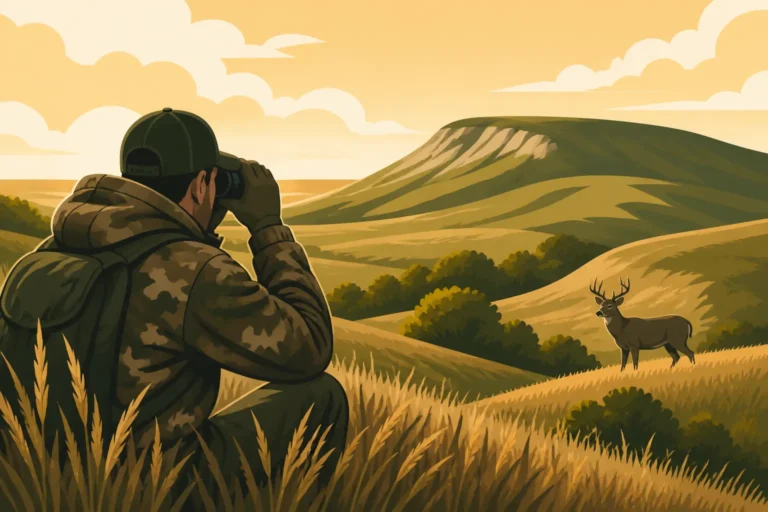
Mule deer, on the other hand, are often more comfortable in open country and might traverse frozen sloughs more boldly, especially when moving between coulees or large blocks of sagebrush and prairie. Their larger size and typical range on the open prairie mean they are less likely to stick to tight cover. When hunting mule deer after a snowfall, you can often spot fresh tracks easily, and they will utilize frozen sloughs to avoid slogging through deep drifts. Our article on Hunting Mule Deer After a Snowfall offers further insights into their winter movements. For both species, glassing the crossing area meticulously before and during your hunt is crucial, as they can sometimes appear suddenly or be obscured by light snowfall.
Moose and Elk Movement Across Frozen Wetlands
Moose are masters of navigating wetlands, and once those wetlands freeze, it opens up a whole new world for them. They will readily use frozen sloughs and even larger lakes as direct travel routes between bedding areas, browse, and sometimes even to reach islands or remote patches of timber. Their sheer size means they prefer solid, unobstructed paths, and frozen sloughs offer exactly that. Look for large, distinct tracks indicating heavily used crossings. A well-placed ground blind near a known moose crossing, especially where willow thickets or aspen bluffs meet the ice, can be very productive. They often move steadily, offering good shot opportunities.
Elk, similarly, will use frozen wetlands to move between different feeding and bedding grounds, particularly if they are in more open parkland or forest fringe environments. If you're hunting farmland moose around Saskatchewan sloughs, these crossings become absolutely critical. Elk often travel in herds, so if you see one crossing, expect more. Pay attention to wind direction, as elk have excellent noses. These animals, while large, can be surprisingly stealthy, so remain vigilant.
Predator Opportunities on Frozen Sloughs
Don't overlook the opportunities for predator hunting on frozen slough crossings. Coyotes and wolves are opportunistic hunters and will readily use these frozen highways to patrol for prey or to travel between territories. They will often follow the same game trails as deer and moose, scent-checking for recent activity.
A frozen slough with good visibility can be an ideal spot for calling coyotes. Set up with the wind in your favor, overlooking the slough, and use distress calls (rabbit, fawn) or howls. The sound will carry well across the open ice. You might draw in a curious coyote looking for an easy meal. For wolves, especially in the northern forest fringe, frozen sloughs and beaver ponds become critical travel routes and ambush points. They are highly intelligent animals, so careful setup and scent control are essential. Consider using a predator decoy further out on the ice to draw their attention away from your position. Our guide on Hunting Coyotes Over a Winter Bait can provide some crossover strategies for calling in cold conditions, even if you're not using bait. The movement of game across these frozen routes inevitably attracts predators, making them prime spots.
Optimal Slough Hunting Strategies by Species
To help you visualize the different approaches, here's a quick summary table:
| Species | Typical Slough Behavior | Ideal Setup Location | Calling/Decoy Strategy | Key Considerations |
|---|---|---|---|---|
| Whitetail | Cautious, sticks to edges, uses narrowest points. | Treestand/ground blind at timber/brush edge. | Rattling, grunts. Doe decoy near edge. | Scent control paramount. Wind direction critical. |
| Mule Deer | More open crossings, especially between coulees. | Ground blind in sparse cover or elevated stand. | Minimal calling, rely on glassing. | Cover is less dense, long shots possible. |
| Moose | Direct travel across, uses larger, open sections. | Ground blind near willow thickets/aspen bluffs. | Cow calls, bull grunts (late season). | Less wary, but still avoid scenting. Heavy animals, strong ice needed. |
| Elk | Travel in herds, use sloughs to access feed/bedding. | Ground blind or strategic cover near crossing. | Bugles (if active), cow calls. | Herds can be noisy, but quick to spook if spotted. |
| Coyote | Patrols for prey, follows game trails across ice. | Ground blind with good visibility across slough. | Distress calls (rabbit, fawn), howls. Predator decoy. | Sound carries far. Wind critical for calling. |
| Wolf | Travel routes, ambush points, highly cautious. | Concealed ground blind in dense cover overlooking slough. | Howls, distress calls (rarely). | Extremely wary. Requires patience and excellent concealment. |
Remember, a hard Saskatchewan winter can significantly impact game animal movement and overall numbers, especially through What a Hard Saskatchewan Winter Culls. Understanding these broader ecological impacts can further inform your hunting strategies around frozen sloughs.
Disclaimer
Hunting is a regulated activity. Always consult the current Saskatchewan hunting regulations guide for specific rules, seasons, and licensing requirements before heading out. This information is for general guidance only and does not replace official provincial regulations or professional safety advice. Stay safe and hunt ethically.