Hunting Coyotes Over a Winter Bait
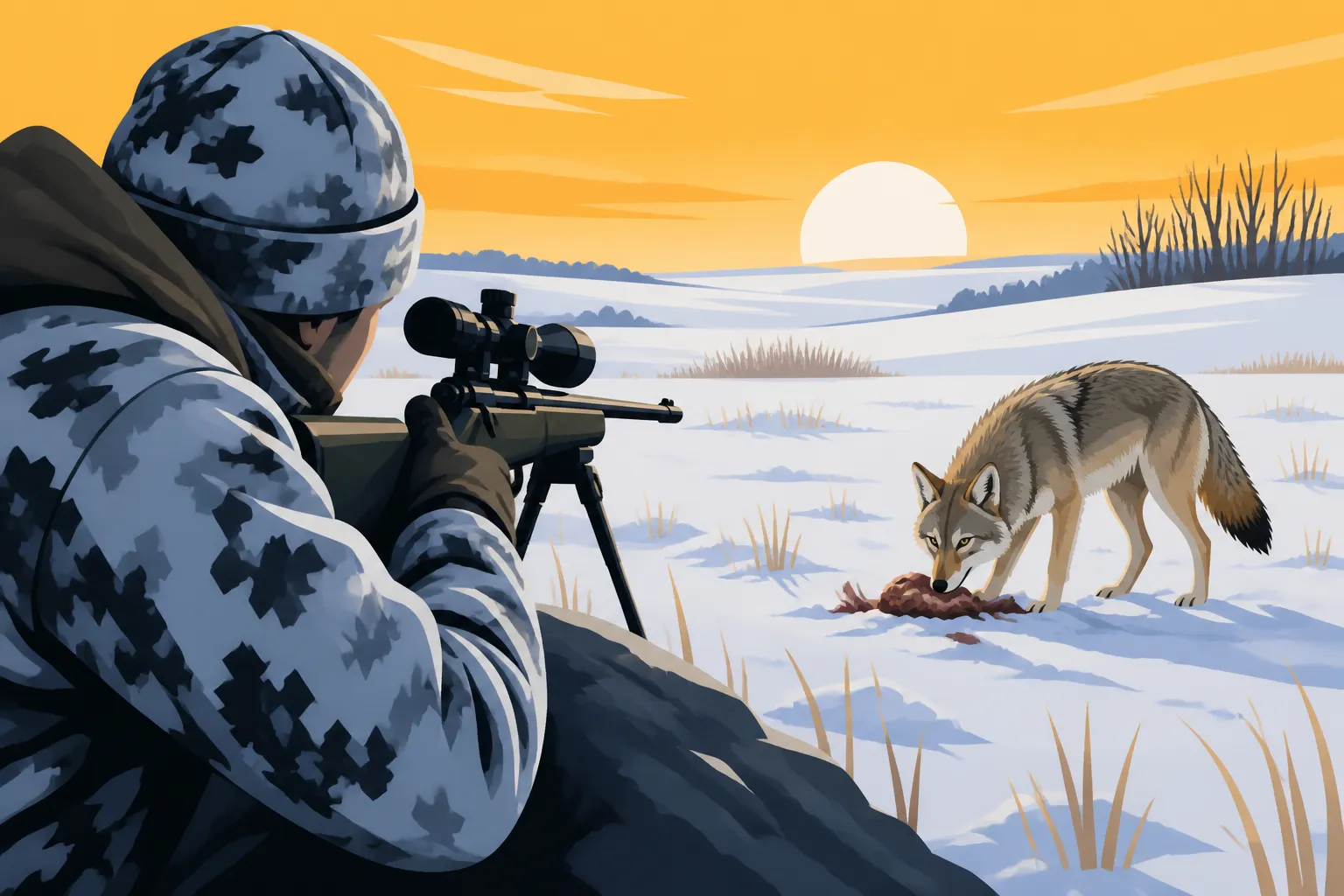
Hunting coyotes in Saskatchewan during the brutal winter months can feel like trying to outsmart a ghost. They're notoriously cunning, blend seamlessly into the snow-covered landscape, and often vanish at the first hint of danger. But when the temperatures plummet and natural food sources become scarce, a well-placed winter bait site can be an absolute game-changer, giving you a consistent advantage against these wily predators. This guide will walk you through everything you need to know to set up and successfully hunt coyotes over a winter bait in Saskatchewan, from choosing your spot to making that crucial shot.
Why a Winter Bait is a Coyote Magnet
Winter in Saskatchewan is harsh, making survival a constant struggle for wildlife. Natural prey, like voles, mice, and even deer, become harder to find and catch under layers of snow and ice. This scarcity drives coyotes to seek out more reliable food sources, and that's precisely where a winter bait site shines. It offers a consistent, high-calorie meal that they simply can't resist, especially when they're burning extra energy just to stay warm.
The Lure of Easy Meals in Winter
Think about it from a coyote's perspective. Every calorie counts. Chasing down a rabbit or trying to dig out a mouse in deep snow expends a huge amount of energy for an uncertain reward. A bait pile, however, represents a guaranteed feast. They can approach it with less effort, feed, and conserve vital energy. This makes them far more likely to visit regularly, creating a predictable pattern that you, as a hunter, can exploit. The consistent draw of an easy meal can overcome their inherent wariness, especially after a few successful visits without incident. Furthermore, the strong scent of decaying meat carries incredibly well on crisp, cold winter air, acting as a beacon across vast distances, pulling in coyotes that might otherwise never pass through your hunting area. It's a prime example of understanding their basic needs and turning it into a hunting advantage.
Challenges of Extreme Cold and Wary Predators
While the bait is a strong draw, winter coyote hunting still presents its own set of formidable challenges. First, there's the extreme cold. Temperatures in Saskatchewan can easily dip to -30°C (-22°F) or colder, with wind chills making it feel even more biting. Staying warm and alert for extended periods is absolutely critical, and it often means investing in top-tier cold-weather gear. You might even find yourself contemplating a heated blind for those truly frigid days, which can make all the difference when you're Hunting Whitetails at Thirty Below. Beyond the weather, coyotes are incredibly intelligent and observant. They've evolved to survive by being cautious. They will circle a bait pile, observe it from a distance, and try to pick up on any inconsistencies or signs of human presence. If they detect danger even once, they might abandon the site altogether. This requires meticulous attention to detail in your setup and hunting approach, ensuring you leave minimal scent and disturbance. Using technology like the GoHunt app for scouting can help you identify remote access points that minimize human sign near the bait, allowing you to approach stealthily and set up without alerting these sharp-eyed canids.
Setting Up Your Coyote Bait Site
A successful bait site isn't just about throwing out some old meat; it's a strategic operation that requires careful planning, adherence to regulations, and a good understanding of coyote behavior and the local landscape.
Choosing the Right Location
Location, location, location! This is paramount. You want a spot that's easily accessible for you (at least by snowmobile or quad in deep snow), but also offers natural cover for coyotes to approach cautiously and for you to hide. Look for areas near bush edges, bluffs, coulees, or natural draws that offer a funneling effect. A remote field edge where a willow run extends out is often ideal, giving coyotes cover to travel. Consider prevailing wind direction; you want the scent to carry to where coyotes are likely to be travelling, but you also want your stand location to be downwind of where they'll likely approach the bait. Think about visibility: an open area will allow you long shots, but too open might make coyotes hesitant.
A good site offers multiple angles of approach for coyotes, which can make it harder for them to pinpoint danger. Ideally, place the bait where there's a backdrop of trees or a hill to prevent bullet ricochets and allow for safe shooting lanes. Satellite imagery, which can be accessed through tools like GoHunt, is invaluable for this initial scouting phase. You can pinpoint potential travel corridors, hidden draws, and ideal stand locations without putting boots on the ground and leaving scent. Don't forget to consider how you'll retrieve the carcass once the hunt is successful; easy access for a vehicle is a major bonus. Remember that a well-chosen spot can significantly increase your chances of success, making the coyotes feel secure enough to approach the bait during daylight hours.
What to Use for Bait and What Not To Use
The best bait for coyotes is typically anything that offers a strong, lingering scent and a substantial meal. Roadkill deer, old cattle carcasses, butcher scraps, or even expired meat from grocery stores can all work wonderfully. The key is volume and freshness (or rather, lack thereof – slightly spoiled is often better for scent). A whole deer carcass, for example, will last longer and attract more attention than just a few pounds of scraps.
However, there are crucial what not to uses. Avoid anything that could pose a risk to other wildlife or domestic animals. For instance, never use meat that has been treated with euthanasia drugs or other chemicals. And while it might seem obvious, resist the urge to use any bait laced with poison – it's illegal, inhumane, and indiscriminately kills other wildlife, including valuable furbearers and raptors. Be mindful of scavenging birds like eagles and ravens, as they will also be drawn to the bait. While not your target, they can help keep the bait active and draw attention, but they might also scare off a nervous coyote. As a general rule, secure the bait to a fixed object like a tree stump or deeply frozen ground to prevent coyotes or other animals from dragging it away entirely. This helps keep your bait site consistent and encourages repeated visits. The more natural and unaltered the bait, the better.
Saskatchewan Regulations for Baiting
Before you even think about setting up a bait site, it's absolutely critical to be aware of and abide by Saskatchewan's hunting regulations. Baiting rules can vary depending on the species you're hunting and the Wildlife Management Zone (WMZ) you are in. For coyotes, baiting is generally permitted, but there are specific considerations. You need to ensure you're not inadvertently attracting or hunting other species that are not open for baiting, such as deer or bears, especially if you're not licensed for them or if their seasons are closed.
It's always best practice to consult the current Saskatchewan Hunters' and Trappers' Guide published by the Ministry of Environment. This document is your ultimate authority on all hunting laws. Pay close attention to rules regarding proximity to roads, residences, and provincial parks, as well as any specific requirements for what constitutes legal bait. For example, some jurisdictions have rules about using certain animal parts. Ensure your baiting practices don't conflict with any local bylaws or land-use agreements, especially if you're on private land (which means you've already secured Getting Permission for a Goose Field or other hunting rights). Non-compliance can lead to hefty fines and loss of hunting privileges, so always do your homework and err on the side of caution.
Hunting Strategies Around the Bait
Once your bait site is established and coyotes are regularly visiting, the real hunting begins. This phase demands patience, stealth, and a keen understanding of coyote behavior.
Concealment and Approach
Coyotes have incredible eyesight, a phenomenal sense of smell, and keen hearing. This means your concealment and approach need to be flawless. For a fixed bait site, a ground blind or elevated treestand can work wonders, especially if set up well in advance to allow animals to get used to its presence. Make sure your blind breaks up your silhouette and doesn't stick out like a sore thumb against the winter backdrop. Hunting a Saskatchewan Bush Bluff or a treeline often provides excellent natural cover.
Your approach to the stand is just as critical. Always approach from downwind, well before daylight or in the late afternoon when coyotes are less active. Use natural cover like tree lines, ditches, or hills to mask your movement. Minimize noise and scent. Wear clean clothes, stored in scent-free bags, and use scent-eliminating sprays. Even though they're coming to a smelly bait, human scent is a major red flag for coyotes. The GoHunt app can be invaluable here, allowing you to mark specific access routes that avoid bedding areas and minimize crossing fresh tracks near the bait. If you spook a coyote on your way in, it might be days before it returns, if at all. Remember that less is more when it comes to disturbance around your bait site.
Timing Your Hunt for Success
When to hunt over a winter bait is often a matter of educated guesswork, but some patterns hold true. Coyotes are often most active during dawn and dusk, making these prime hunting windows. However, in the dead of winter, especially after a particularly cold night, they might venture to the bait in the middle of the day to refuel when temperatures are slightly milder. Overcast days or periods of light snow can also be productive, as these conditions can reduce visibility and make coyotes feel more secure.
After fresh snowfall, coyotes will be on the move, and the bait will be an even stronger draw. You can read the tracks in the snow to confirm their activity patterns around your bait. If you're seeing fresh tracks but no coyotes, it might be worth sitting longer or trying different times of day. Patience is key; sometimes you might sit for hours without seeing anything, only for a coyote to appear out of nowhere. A good rule of thumb is to dedicate full mornings or afternoons to your sit, especially if the weather is stable. Keep a log of your visits and observations – which direction they approached from, what time, what the weather was like – to help refine your strategy.
Using Calls with a Bait Site
Many hunters assume that a bait site means you don't need calls, but that's not always true. While the bait is the primary attractant, strategic calling can be a powerful supplementary tool. If you've been sitting for a while and haven't seen anything, or if you spot a coyote hanging up at a distance, a soft series of distress calls (like a rabbit in distress) can often draw them in for a closer look. They might be curious if another predator is already feeding or if an easy meal is being contested.
However, use calls sparingly and subtly. You don't want to overdo it and educate the coyotes. A few short bursts, followed by long periods of silence, is often more effective than continuous calling. You can also try simple canine vocalizations, like a few subtle whines or challenge howls, if you think there's a coyote nearby but out of sight. Remember that the bait is still the main attraction, so your calling should complement it, not replace it. If you're Rattling Volume in Open Parkland for deer, you might be surprised what else comes investigating. The key is to draw them in that last critical distance without alarming them.
| Bait Type | Scent Strength | Attraction Speed | Durability (Winter) | Best Use Case |
|---|---|---|---|---|
| Whole Deer Carcass | High | Medium | Very High | Long-term, consistent draw, multiple coyotes |
| Butcher Scraps/Offal | Very High | Fast | Medium | Quick attractant, initial site setup |
| Expired Meat (Chicken/Pork) | High | Medium | Low | Supplementary, good for fresh scent bursts |
| Beaver Carcass | Medium | Slow | High | Good for remote sites, attracts other furbearers |
| Hay Bales (soaked in fish oil) | Medium | Slow | Very High | Add scent to established site, visual marker |
Essential Gear for Winter Bait Hunting
Saskatchewan winters are no joke, and being unprepared can quickly turn a hunting trip into a survival situation. Having the right gear isn't just about comfort; it's about safety and effectiveness.
Staying Warm is Non-Negotiable
Seriously, this is the most important factor. If you're shivering uncontrollably, you won't be still, you won't be alert, and you certainly won't enjoy the hunt. Start with a proper layering system: a moisture-wicking base layer, insulating mid-layers (fleece, down, or synthetic puffies), and a waterproof, windproof outer shell. Consider insulated bibs and a heavy parka. Your extremities are critical: high-quality, insulated boots (rated for extreme cold, like Baffin or Kamik) are a must, along with hand warmers, insulated mitts (not just gloves), and a warm hat or balaclava.
A portable propane heater for your blind can be a lifesaver, but always use it with proper ventilation to prevent carbon monoxide buildup. Hand and foot warmers are your best friends on those bone-chilling mornings. A thick foam pad or insulated cushion to sit on will prevent heat loss to the frozen ground. If you're going to be Sitting All Day in a Saskatchewan Blind, you need to be able to do so comfortably and safely. Don't skimp on quality here; good gear is an investment in your success and well-being. And always bring extra layers, more than you think you'll need, just in case conditions change or you end up waiting longer than anticipated.
Optics and Rangefinders for Distant Shots
Coyotes are often hesitant to commit to a bait pile, especially during daylight hours. They'll often hang up 100-300 yards away, circling and observing before deciding to approach. This means you need quality optics and the ability to make accurate shots at extended ranges. A good pair of binoculars (10×42 or 10×50) is essential for scanning the surrounding area and spotting coyotes on the approach. Look for models that perform well in low light, as many of your opportunities will be at dawn or dusk.
A reliable rangefinder is non-negotiable. Knowing the exact distance to the bait and to various landmarks around it will allow you to make precise adjustments for bullet drop, which is critical for clean kills at longer ranges. Practice shooting from various positions you might encounter in your blind, and get comfortable with your rifle and scope at these distances. Consider a scope with a ballistic reticle or a turret system that allows for quick adjustments based on range. Companies like GoHunt often have gear reviews and recommendations for optics suited for various hunting conditions, including long-range predator hunting. Accuracy and confidence in your shot are paramount, as wounding a coyote that escapes will make it even warier and less likely to return.
Disclaimer
Hunting carries inherent risks, and it is the responsibility of each individual hunter to be familiar with and abide by all federal, provincial, and local hunting regulations. This guide provides general information and recommendations but should not be considered a substitute for official hunting guides or professional instruction. Always prioritize safety, respect wildlife, and obtain all necessary licenses and permissions before hunting.