Field Dressing in Saskatchewan’s Deep Cold
There's nothing quite like the rush of a successful hunt in Saskatchewan, but the joy can quickly turn to a daunting challenge when you're faced with field dressing a magnificent animal in the grip of deep winter cold. Numb fingers, frozen blood, and the risk of frostbite can make a necessary task feel impossible. This guide is dedicated to equipping you with the knowledge and practical tips to safely and efficiently field dress your game, even when Saskatchewan's winter air bites hardest.
Preparing for the Arctic Assembly Line
Field dressing in sub-zero temperatures isn't just about getting the job done; it's about doing it safely and efficiently to preserve the meat and protect yourself from the elements. The time to prepare isn't when you're standing over your harvested animal with frozen fingers, but long before you even step foot out the door. Think of it as setting up a mobile, cold-weather surgical suite in the wilderness.
Essential Gear for Extreme Cold Dressing
Your regular hunting kit might cut it for a mild autumn day, but deep cold demands a specialized approach, particularly when it comes to field dressing. This isn't just about comfort; it's about function and safety. Your knives are paramount. You'll want at least two, preferably three, ultra-sharp knives. Why so many? Because cold meat and hide will dull a blade faster than you think, and fumbling to sharpen a knife with freezing hands is a recipe for disaster. Opt for fixed-blade knives with good, textured grips that won't slip when wet or bloody. A gut hook can be incredibly useful for opening the body cavity cleanly without piercing intestines, minimizing mess that quickly freezes. Beyond knives, a compact saw is invaluable for splitting the pelvis or sternum, a task that can be incredibly difficult, if not impossible, with a knife in frozen conditions.
Consider a small, lightweight tarp or heavy-duty plastic sheet. Laying your animal on this can help keep it out of the snow, preventing hair and debris from sticking to the meat, and it also makes cleanup of the field dressing site a bit easier. Ropes or straps are essential not only for dragging but also for positioning the animal if you need to roll it onto its back for easier access. And don't forget a bright headlamp or two with fresh, cold-rated batteries. Daylight hours are short in winter, and you'll often find yourself working in diminishing light or complete darkness. For mapping out the best extraction routes to avoid unnecessary dragging, especially after a successful hunt where you'll be tired, a tool like GoHunt can be incredibly helpful for understanding the terrain and plotting your path.
Personal Protection and Comfort
When the temperature drops, your personal protection becomes just as important as your cutting tools. Layering is always key in Saskatchewan's variable weather, but for field dressing, you need a system that allows for both warmth and dexterity. Start with a moisture-wicking base layer, add insulating layers like fleece or down, and top it off with a waterproof and windproof outer shell. However, the true challenge comes with your hands. Thick, insulated gloves will keep you warm, but they make delicate work like cutting impossible. The trick is to have a system: a thin pair of surgical-style gloves (nitrile or latex) for hygiene and a barrier against blood, covered by a slightly thicker, cut-resistant pair for the actual knife work. Over these, you'll want heavy, insulated mittens or gloves that you can easily slip on and off to warm your hands between tasks.
Hand warmers are your best friend. Stash several in your pockets, inside your mittens, and even tape one to the handle of your knife to keep your grip from freezing. A thermos of hot coffee, tea, or even just hot water can be a lifesaver, providing internal warmth and a much-needed morale boost. Remember that staying hydrated is just as important in cold weather as in warm, so bring ample water, ideally in an insulated container to prevent freezing. Ignoring these comforts can lead quickly to frostbite, especially on exposed fingers and ears, which is a serious risk when you're focused on the task at hand. If you're out there Hunting Saskatchewan Winter Weather Safely, these personal items are non-negotiable.
Planning Your Pack for Quick Access
Organization is paramount when every second counts and your body is losing heat. You can't afford to be fumbling through a disorganized pack for a crucial tool. Before you leave the truck or camp, create a dedicated field dressing kit within your larger hunting pack. A small, brightly colored dry bag or sturdy zip-up pouch is ideal. Inside, place your knives, sharpening steel, gut hook, saw, gloves, and a few hand warmers. This kit should be easily accessible, perhaps in an outer pocket or at the very top of your main pack.
Consider wearing a utility belt or a vest with multiple pockets to keep frequently used items close at hand. Your headlamp, a spare set of thinner gloves, and a lighter or fire starter should always be on your person, not buried in a pack. Think about the sequence of events during field dressing and organize your tools accordingly. You'll need gloves and a knife first, then possibly a saw, and finally materials for cleaning and packing. Having everything in its place minimizes exposure to the cold, reduces the chance of dropping critical items in the snow, and ultimately speeds up the entire process. This meticulous planning is especially crucial when considering longer treks out of the bush, where every ounce and every minute counts.
The Art of the Quick Clean in Frigid Conditions
Once your animal is down, the clock starts ticking faster in deep cold. While rapid cooling is generally a good thing for meat preservation, extreme cold brings its own set of challenges, from quickly freezing blood to making skin and muscle stiff and difficult to cut. Speed and precision are your allies here.
Initial Steps and Positioning
The moment you reach your animal, assess the situation. Is it in a spot where you can work comfortably? Moving a deer alone in deep snow can be an exhausting endeavor, but sometimes a small adjustment can make a world of difference. Try to position the animal on relatively flat ground, preferably on the tarp you brought, to keep it out of direct snow. If you're on a slope, gravity can be your friend, but also a challenge, so think strategically. Many hunters prefer to lay the animal on its back, propping it up with rocks, logs, or even a backpack to keep the cavity open and the legs out of the way. This allows for easier access to the belly and chest.
Before making any cuts, take a moment to clear the area around the animal. Remove any branches, loose snow, or other debris that might contaminate the meat. This isn't just about cleanliness; it's about providing a clear workspace so you're not fighting the environment while trying to make precise cuts. If you're Reading Sign After Fresh Saskatchewan Snow, you know how quickly the landscape can change and present new challenges, so adaptable positioning is key.
Precision Cutting in Frigid Conditions
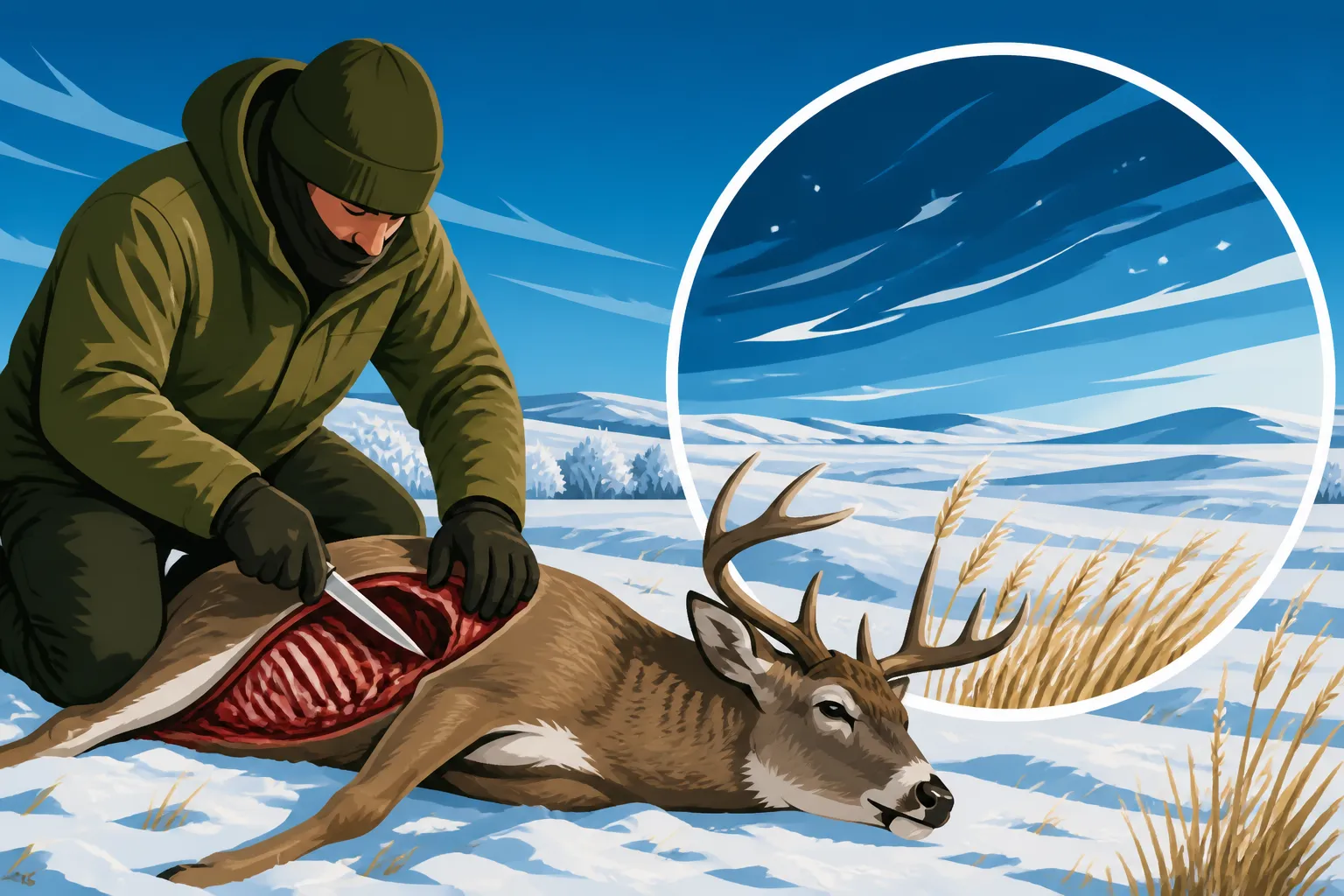
This is where sharp knives and practiced technique truly shine. Cold animal tissue, especially the hide and muscle, can be incredibly tough and resistant to cutting. A dull knife will bind, slip, and become a serious safety hazard when your hands are cold and your focus is split. Start by making a shallow cut through the hide from the sternum to the pelvis, being careful not to puncture the abdominal cavity. Then, invert your knife, using a gut hook or your fingers to guide the blade, and extend the cut deeper. The goal is to open the cavity cleanly with minimal mess.
Once the abdomen is open, you'll need to cut around the anus and rectum. This can be particularly challenging in cold conditions as the tissue is stiff. Make a circular cut, trying to keep fecal matter contained, and then tie off the rectum or pull it through the pelvis. Next, focus on the diaphragm, cutting it where it meets the ribs. This will open the chest cavity. For larger animals like moose, or even some robust whitetails, you might need your saw to split the sternum for full access to the chest cavity. Work deliberately, but quickly. Blood will congeal rapidly in the cold, so try to remove organs efficiently before they freeze to each other or the surrounding tissue.
Dealing with Internal Organs
As you remove the internal organs, be mindful of how the deep cold affects them. Blood will freeze incredibly fast, creating sticky, icy clumps that can complicate the process. Start by reaching deep into the chest cavity, severing the esophagus and trachea as high as possible. Then, work your way down, pulling the entire organ mass out through the abdominal opening. Keep the tarp or plastic sheet nearby to collect the organs. In warmer weather, some hunters might spread the organs out to cool, but in deep cold, they'll freeze solid almost instantly, which isn't a problem for the organs themselves, but can make a mess if you're not careful.
The primary concern is keeping the cavity clean. Avoid puncturing the stomach or intestines if possible, as their contents can contaminate the meat. If you do make a mess, quickly wipe out the cavity with snow or a clean cloth. The cold will help to solidify any remaining blood, making it easier to scrape away. Once the cavity is empty, inspect it for any remaining bits of organ or debris. The extreme cold will act as a natural preservative, but a clean cavity ensures the best quality meat. This step is a critical part of ensuring your Meat Care in Saskatchewan's Cold Snaps is effective right from the start.
Post-Field Dressing and Extraction in Winter
Field dressing isn't the end of the job; it's merely the first crucial step in getting your game from the field to the freezer. In Saskatchewan's deep cold, the post-dressing phase presents its own unique set of considerations, from controlling cooling to physically moving the animal.
Cooling and Freezing Concerns
One of the benefits of cold weather hunting is the natural refrigeration. After field dressing, the internal organs are removed, allowing the carcass to cool rapidly. This rapid cooling helps prevent bacterial growth and is excellent for meat quality. However, there's a fine line between rapid cooling and flash freezing the exterior while the interior is still warm. If the outer layers of meat freeze too quickly, it can create a "heat barrier" that traps residual body heat inside, potentially leading to spoilage or souring of the deeper muscle tissue.
Ideally, you want the meat to cool slowly and thoroughly, reaching a temperature of around 2-4°C (35-40°F) throughout. In deep sub-zero temperatures, the exterior of the animal will freeze very quickly. To mitigate this, once the internal organs are removed, if you have the means, you can prop the cavity open with sticks or spreaders to allow cold air to circulate freely. Avoid letting the carcass freeze solid in an unnatural position if you plan to butcher it later, as this can make processing incredibly difficult. If possible, transport the animal to a slightly warmer, but still cold, environment like a cold garage or shed where it can cool down more evenly before freezing solid. This is a contrast to Hanging Meat in Fall Temperature Swings, where the challenge is preventing too much warmth.
Protecting the Carcass for Transport
After all your hard work, the last thing you want is for your meat to be ruined during transport. In deep snow, a clean, field-dressed carcass can quickly become covered in hair, dirt, and ice. If you've used a tarp for field dressing, it can now serve to wrap the animal, keeping it relatively clean during the drag. If not, consider having a large game bag or a spare tarp specifically for covering the animal.
Prevent snow from accumulating in the body cavity by covering it with a clean game bag or even a piece of plastic. This also helps keep dirt and debris out. For transport on a sled, quad, or in a truck bed, securing the animal is vital. Use ropes or straps to tie it down firmly to prevent shifting, which can cause bruising or damage to the meat. When transporting in the back of a truck, especially over rough terrain, try to pad the animal from bumps. Protecting the meat from physical damage is as important as protecting it from spoilage.
Getting the Game Out
Moving a heavy animal through deep snow is arguably the most physically demanding part of a cold-weather hunt. A deer can feel twice its weight when you're post-holing through drifts. This is where your pre-hunt scouting and planning truly pay off. If possible, try to field dress the animal close to an accessible trail or vehicle access point. This is where mapping tools like GoHunt become invaluable, allowing you to identify terrain features and potential access points before you even step into the field.
A sturdy game sled or a large plastic toboggan can be a lifesaver for dragging. These spread the weight and glide over snow much more easily than dragging directly. For larger animals like a moose, or even big whitetails, a quad or side-by-side (where legal and permissible, check Quad and Side-by-Side Rules on Crown Land ) becomes almost essential. If you're alone and pulling a large animal, consider quartering it in the field. This means breaking the animal down into smaller, more manageable pieces, which can then be carried out more easily. However, quartering in deep cold requires even more specialized tools and skill, particularly if you're not used to Quartering a Moose Alone in the Bush. Always prioritize safety and avoid overexertion, especially in the cold. It's better to make multiple trips than to injure yourself or risk hypothermia. If you're struggling, remember the importance of having a robust Winter Truck Kit for a Saskatchewan Hunt for any contingencies.
Common Pitfalls and Pro Tips for Deep Cold Dressing
Even with the best preparation, Saskatchewan's deep cold can throw curveballs. Anticipating these challenges and having a few tricks up your sleeve can make a significant difference in your success and safety.
Managing Blood and Mess
In typical hunting conditions, blood is messy but manageable. In deep cold, blood quickly turns into a sticky, icy, dark red mess that adheres to everything. It can stain clothing, freeze your gloves to your knife, and make the ground around your animal slippery and hazardous. One of the best ways to manage this is to minimize the mess in the first place by making clean, precise cuts. A gut hook tool is excellent for this, as it allows you to open the hide and body cavity without piercing intestines, reducing spillage.
Have a few dedicated rags or a roll of paper towels specifically for blood cleanup. Wipe down your hands and tools frequently. If blood starts to freeze on your knife, a quick wipe with a snow-covered cloth can sometimes help, or if you have access to hot water from your thermos, use a small amount to clean the blade. Remember that even though it’s cold, blood-borne pathogens are still a concern, so avoid direct skin contact by keeping your surgical-style gloves on. Leaving too much blood on the meat can also affect its flavor and shelf life, so a quick wipe-down of the cavity is always a good idea. Hunters often forget that Rules on Wasting Game Meat can extend to meat that spoils due to improper care, so cleanliness is vital.
Frostbite and Hypothermia Prevention
The most serious pitfall in deep cold field dressing is succumbing to the elements yourself. Frostbite can occur rapidly on exposed skin, especially fingers, ears, and nose, even without realizing it when you're focused on your task. Hypothermia is an even greater threat, as your body loses heat faster than it can produce it, leading to disorientation, loss of coordination, and eventually unconsciousness. This is a genuine risk when you are out Hunting Whitetails at Thirty Below or similar extreme conditions.
To prevent these:
- Layer effectively: As discussed, a good layering system allows you to adjust to your activity level. Remove outer layers if you start to sweat while working, then put them back on immediately once you stop.
- Keep moving: Even small movements or pacing can help keep your blood circulating. Don't stand still for extended periods.
- Warm up periodically: Use your hand warmers liberally. Take short breaks to put your heavy mittens back on and warm your hands. If you have a hunting partner, take turns on tasks to allow one person to warm up while the other works.
- Stay nourished and hydrated: Your body needs fuel to generate heat. Eat high-energy snacks and drink warm fluids.
- Recognize symptoms: Be aware of the early signs of frostbite (numbness, tingling, waxy skin) and hypothermia (shivering, confusion, clumsiness). If you or a hunting partner exhibit these signs, stop immediately, seek shelter, and warm up. This often means returning to your vehicle or camp. This is part of the crucial knowledge covered in Saskatchewan Hunter Education and Firearms Safety.
The GoHunt Advantage
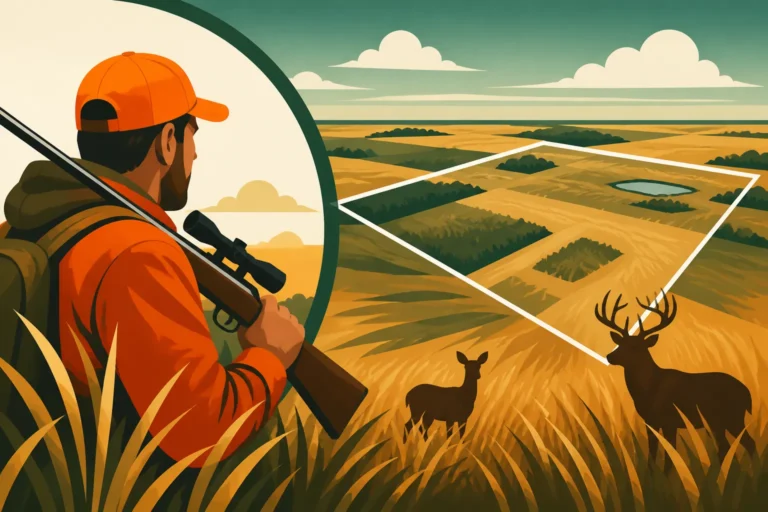
In the demanding environment of Saskatchewan's winter, leveraging modern tools can provide a significant advantage. While traditional skills are irreplaceable, technology can augment your planning and execution. GoHunt, for instance, offers robust mapping features that are particularly useful when planning for cold-weather field dressing and extraction. Before your hunt, you can use GoHunt to meticulously scout potential areas, identifying ideal spots that are both productive for game and offer easier access for retrieval. Look for slight elevations that minimize dragging through deep snow, or proximity to roads or trails.
Furthermore, GoHunt's mapping capabilities can help you visualize the terrain, pinpointing natural breaks or open areas that might be less prone to deep snow accumulation, offering a more manageable site for field dressing. If you're considering a larger animal like a moose, knowing the exact distance to your vehicle or nearest accessible point via GoHunt can influence your decision to quarter the animal in the field versus attempting a full drag. It helps you make informed decisions about your route in, your route out, and your plan for handling the game, greatly reducing the stress and physical toll of deep winter hunting.
Disclaimer
This guide is for informational purposes only and should not replace proper in-person training, local regulations, or professional advice. Hunting in Saskatchewan's deep cold carries inherent risks, and hunters must always prioritize safety, adhere to all provincial hunting laws, and be prepared for rapidly changing weather conditions.