Getting a Deer Out on a Frozen Trail
There’s nothing quite like the thrill of finally getting a deer on the ground, especially after a long, cold hunt in Saskatchewan. But that triumphant feeling can quickly turn to dread when you realize your prize is lying in a spot that requires a significant drag across ground that's frozen solid. Dragging a heavy animal over icy patches, frozen ruts, and rock-hard earth isn't just a workout; it's a monumental challenge that can test your patience and physical limits. This guide is here to walk you through the most effective strategies, essential gear, and practical tips to safely and efficiently get your deer out on a frozen trail, turning a potential nightmare into a manageable task.
Understanding the Challenge of Frozen Trails
Picture this: you've just made a perfect shot on a Saskatchewan whitetail, and it's a truly magnificent animal. You're elated! Then you look around. The thermometer has been well below freezing for days, and what was once soft earth or muddy track is now an unyielding, often slick, obstacle course. This isn't like dragging on fresh powder or soft, dry ground. The unique nature of frozen trails presents a whole different beast when it comes to game recovery.
The Unique Friction and Obstacles
Frozen ground creates an entirely different friction profile than any other surface. Instead of sliding relatively easily, your deer's hide will catch on every frozen clump of dirt, every protruding rock, and every hardened stubble stalk. This isn't a smooth resistance; it's a jarring, stop-and-go battle that can quickly exhaust even the strongest hunter. Add to that the treacherous ice patches that often form in shaded areas or low spots, and you're not just dragging, you're also constantly battling for your own footing.
Consider how a typical deer drag involves a certain amount of give and take with the terrain. On frozen ground, there’s no give. The landscape is rigid, unforgiving, and often sharp. Your deer's hide, especially if it’s a big Saskatchewan buck, will act almost like sandpaper against this rough, frozen abrasive surface, making every inch of progress feel like a mile. You also have to contend with ice-covered roots, frozen mud ruts that act like miniature trenches, and unexpected dips and rises that can send you, and your deer, sliding in unwanted directions. It's truly a test of will.
Assessing the Trail and Your Deer
Before you even think about grabbing your drag rope, take a moment to assess the situation. This isn't about rushing; it's about smart recovery. What's the size of your deer? A mature Saskatchewan moose will require a vastly different strategy than a smaller whitetail doe. What's the distance from where the animal lies to your vehicle or nearest accessible trail? A 50-yard drag through a field edge is one thing; a half-mile trek through brush and over hills is another entirely.
Next, carefully scout your intended extraction path. Are there any steep inclines or declines that will become incredibly dangerous when covered in ice? Are there major obstacles like large fallen trees, deep snow drifts that have frozen solid, or wide-open, slick sections? Knowing these challenges beforehand allows you to plan detours or prepare the necessary tools. Many hunters have found themselves in a bind, pulling a heavy deer onto a deceptively slick slope, only to lose control. Taking a few minutes to walk the route, even without the deer, can save you hours of struggle and potential injury. This crucial step is often overlooked in the excitement of a successful hunt but is absolutely paramount when dealing with frozen conditions.
Essential Gear for a Frozen Trail Recovery
When dealing with frozen trails, having the right gear isn't just a luxury; it's a necessity for both efficiency and safety. Trying to drag a heavy deer on slick, rock-hard ground with inadequate tools is a recipe for exhaustion, frustration, and possibly injury. Thinking ahead about what you might need can make all the difference when it comes time to recover your game.
The Right Dragging Aids
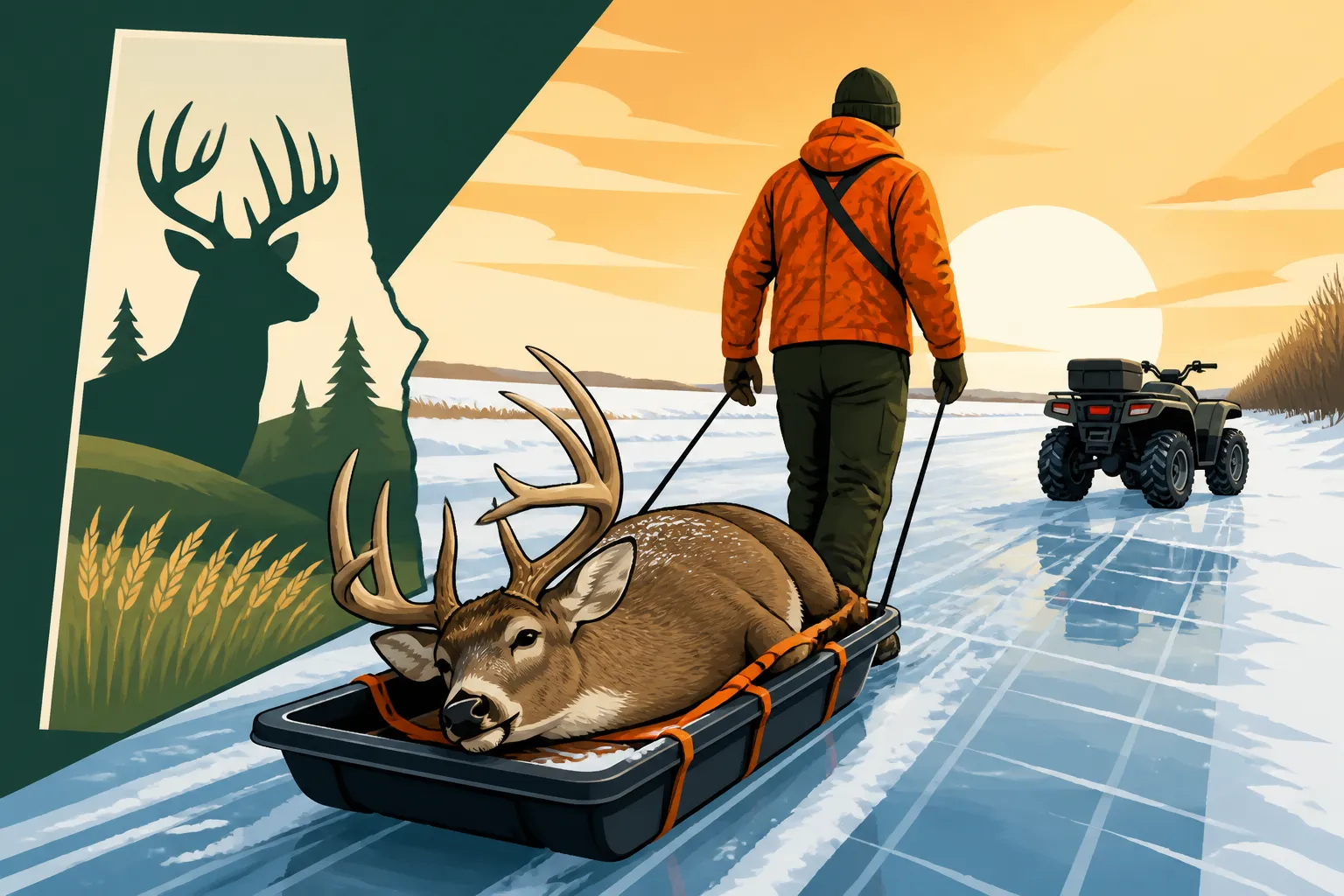
For many hunters, a simple rope is their go-to dragging aid. And while a good rope is still essential, on frozen ground, it often falls short. This is where specialized dragging aids truly shine. Heavy-duty plastic deer sleds or game sleds are incredibly effective. Their slick bottom surfaces glide over frozen ground and ice much more easily than a deer's hide. However, be mindful that on uneven terrain with frozen clumps or brush, a sled can still hang up or tip, so choose one with high sides and a durable construction. Some sleds, like those made by Shappell or other robust brands, are specifically designed to withstand abrasive conditions.
Game carts, while excellent on relatively smooth, hard-packed trails or roads, can become a liability on truly frozen, uneven ground. Wheels can get stuck in frozen ruts, or the cart can become difficult to maneuver on icy slopes. Their advantage typically lies in minimizing friction, but if the terrain is too broken or slick, they can be more trouble than they're worth. For truly challenging frozen conditions, a tough plastic sled is often superior to a wheeled cart. Always ensure your chosen dragging aid has sturdy attachment points for your rope or harness. A robust rope, preferably made of a synthetic material that doesn't absorb water and freeze stiff, around 10-15 feet long, is vital for leverage. Consider a drag harness that allows you to use your body weight, freeing your hands for balance and navigating obstacles.
Personal Traction and Safety
Your own footing is perhaps the most critical element when dragging a deer on frozen ground. Without reliable traction, every step you take to pull the deer forward could send you sliding backward, or worse, onto the hard, unforgiving earth. Ice cleats or traction devices that strap onto your boots are non-negotiable for winter deer recovery. Brands like Kahtoola or YakTraks offer excellent options that provide aggressive grip on ice and packed snow, drastically reducing your risk of slipping. You can't effectively pull a heavy load if you can't stand your ground.
Beyond traction, consider your personal comfort and safety. You'll be exerting a lot of energy, even in cold temperatures. Layered clothing is crucial, allowing you to shed layers as you heat up and add them back if you stop. Breathable base layers and an insulated, yet flexible, outer shell are ideal. Don't forget a warm hat and gloves that offer both dexterity and warmth. If you anticipate being out after dark, which is common with late-season hunts and long retrieves, a reliable headlamp with fresh batteries is absolutely essential for navigating the treacherous terrain. A good Winter Truck Kit for a Saskatchewan Hunt should include extra gloves, a thermos of hot coffee, and emergency supplies, should your recovery take longer than expected.
| Dragging Aid | Best Use Case on Frozen Trails | Pros | Cons |
|---|---|---|---|
| Simple Rope | Short drags over relatively smooth, frozen ground | Lightweight, portable, inexpensive | High friction, difficult for heavy deer, tiring |
| Heavy-Duty Plastic Sled | Most frozen trail conditions, uneven ground, light snow | Reduces friction significantly, protects hide, durable | Can get hung up on large obstacles, still requires effort |
| Game Cart (Wheeled) | Smooth, hard-packed frozen roads or wide trails | Excellent friction reduction, less physical strain | Poor on uneven ground, narrow trails, or deep ruts |
| Shoulder Harness | Combined with rope/sled for heavy loads | Distributes weight, frees hands for balance | Requires strong core and back, can be awkward |
Techniques for a Smooth Deer Extraction on Ice and Hard Ground
Once you've assessed the situation and gathered your gear, it's time to put a plan into action. Getting a deer out on a frozen trail isn't just about brute force; it's about smart techniques, using physics to your advantage, and knowing how to handle specific challenges.
Strategic Gutting and Field Dressing
The very first step to making your drag easier, no matter the terrain, is to lighten the load. A thorough gutting and field dressing immediately removes a significant amount of weight from the animal. For a large Saskatchewan whitetail, this could be anywhere from 30 to 50 pounds, making a noticeable difference in the effort required. Ensure proper draining to prevent any internal fluids from freezing solid, which can make things messy later.
For exceptionally large animals or very long, difficult drags, don't shy away from the idea of quartering your deer in the field. This might sound like a lot of extra work, but breaking down the animal into more manageable pieces can turn an impossible drag into several achievable trips, especially if you have partners to help. Having the right game bags to keep the meat clean and protected is crucial if you choose this method. Even in Saskatchewan's deep cold, proper Meat Care in Saskatchewan's Cold Snaps is essential to preserve the quality of your harvest, whether you gut it whole or quarter it.
Leveraging Physics and Teamwork
On a frozen trail, every bit of leverage and every smart move counts. When possible, always try to use gravity to your advantage. If you have a downhill section, guide the deer carefully, allowing its weight to do some of the work. However, exercise extreme caution on icy slopes; what seems like a gentle grade can become a fast, uncontrolled slide. Use your ropes to slow the descent, not just to pull. For navigating hills, consulting a mapping tool like GoHunt before your trip can help you identify gentler slopes or alternative routes that avoid treacherous pitches.
If you're hunting with a partner or a group, teamwork is absolutely paramount. The "tug-of-war" method, with one person pulling and another pushing or guiding from the back, is incredibly effective. Distribute the weight evenly and communicate constantly. For two people, one can pull the front legs, while the other grabs the antlers or a rope attached to the head. For solo hunters, a shoulder harness combined with a heavy-duty sled is usually the most efficient way to utilize your body weight without putting excessive strain on your back. Mastering a few basic knots for securing your ropes to the deer or sled will also ensure that your efforts aren't wasted by slipping attachments.
Overcoming Specific Obstacles
Frozen trails are rarely perfectly smooth. You’ll encounter icy slopes, fallen trees, and deep, hardened ruts. Each requires a specific approach. When facing an icy slope, try to go around it if possible, even if it adds a little distance. If not, use your cleats, and consider cutting a zigzag path through any snow to create better footing. One hunter might go ahead to clear a path or test the ice, while the other manages the deer.
Fallen trees or large logs can be especially frustrating. Instead of trying to drag the deer straight over, which often results in it getting hung up, try to find a lower spot to cross or pivot the deer to go around the obstacle. A good quality folding saw can be invaluable for clearing smaller brush or branches that constantly snag your deer or sled. For deep, frozen ruts that can trap a sled or cart, try to walk the deer across them at an angle to prevent getting stuck. Knowing your route ahead of time, perhaps by doing some Scouting With Satellite Imagery in Saskatchewan, allows you to anticipate and bypass these obstacles. Remember, patience is key here; rushing often leads to more problems.
Minimizing Damage and Maximizing Efficiency
The hard work of getting your deer out on a frozen trail shouldn't come at the cost of your valuable meat or your own well-being. Smart planning and execution can ensure your harvest is preserved and your efforts are efficient.
Protecting Your Harvest
When dragging a deer directly on frozen, abrasive ground, there's a real risk of damaging the hide and contaminating the meat. The rough surface can tear the hide, exposing muscle to dirt, snow, and ice, which can then melt and further spoil the meat. Using a durable deer sled is your best defense against this. It keeps the carcass off the ground, significantly reducing abrasion and maintaining cleanliness. Even with a sled, be mindful of sharp ice chunks or frozen brush that could puncture the plastic or the deer itself.
If you don't have a sled, consider wrapping the deer in a tarp or a heavy-duty plastic sheet before dragging. This offers a layer of protection, reduces friction, and keeps the animal cleaner. Always drag with the head forward if possible, as the hair on the neck and head can offer some protection, and the antlers (if present) can help lift the front end over minor obstacles, reducing the direct contact of the body with the ground. Once you get the deer to your vehicle, proper Field Dressing in Saskatchewan's Deep Cold techniques and immediate cooling are crucial to prevent spoilage, regardless of how you transported it.
Planning Ahead for Winter Hunts
The best way to handle a frozen trail recovery is to anticipate it. If you're hunting in late fall or early winter in Saskatchewan, assume the ground will be frozen. This mindset allows you to proactively plan for the challenges. Before you even head out, take some time to scout potential extraction routes, especially in the areas you plan to hunt. Look for the easiest paths from likely deer bedding or feeding areas back to accessible roads or trails. This preparation can save you immense time and effort when success strikes. A mapping app like GoHunt can be invaluable here, allowing you to mark potential access points, gentle slopes, and areas to avoid.
Consider the time of day. If you make a kill late in the afternoon, recovering a deer on a frozen trail in the dark is exponentially harder and more dangerous. Try to leave yourself ample daylight for recovery. Additionally, having an appropriate vehicle, like a truck with good ground clearance or an ATV, that can get you as close as legally possible to your animal is a huge advantage. Be aware of Quad and Side-by-Side Rules on Crown Land to ensure you're operating legally. The more you can plan and prepare for the inevitable challenges of Hunting the December Late Season Cold, the smoother your entire hunting experience will be, from shot to freezer.
Disclaimer
Hunting involves inherent risks, and conditions in Saskatchewan can be unpredictable. Always prioritize safety, adhere to all provincial and federal hunting regulations, and ensure you have appropriate licenses and landowner permission. The advice provided in this guide is for informational purposes only and should not replace professional safety training or personal judgment. Be prepared for emergencies, carry communication devices, and inform someone of your hunting plans and expected return time.