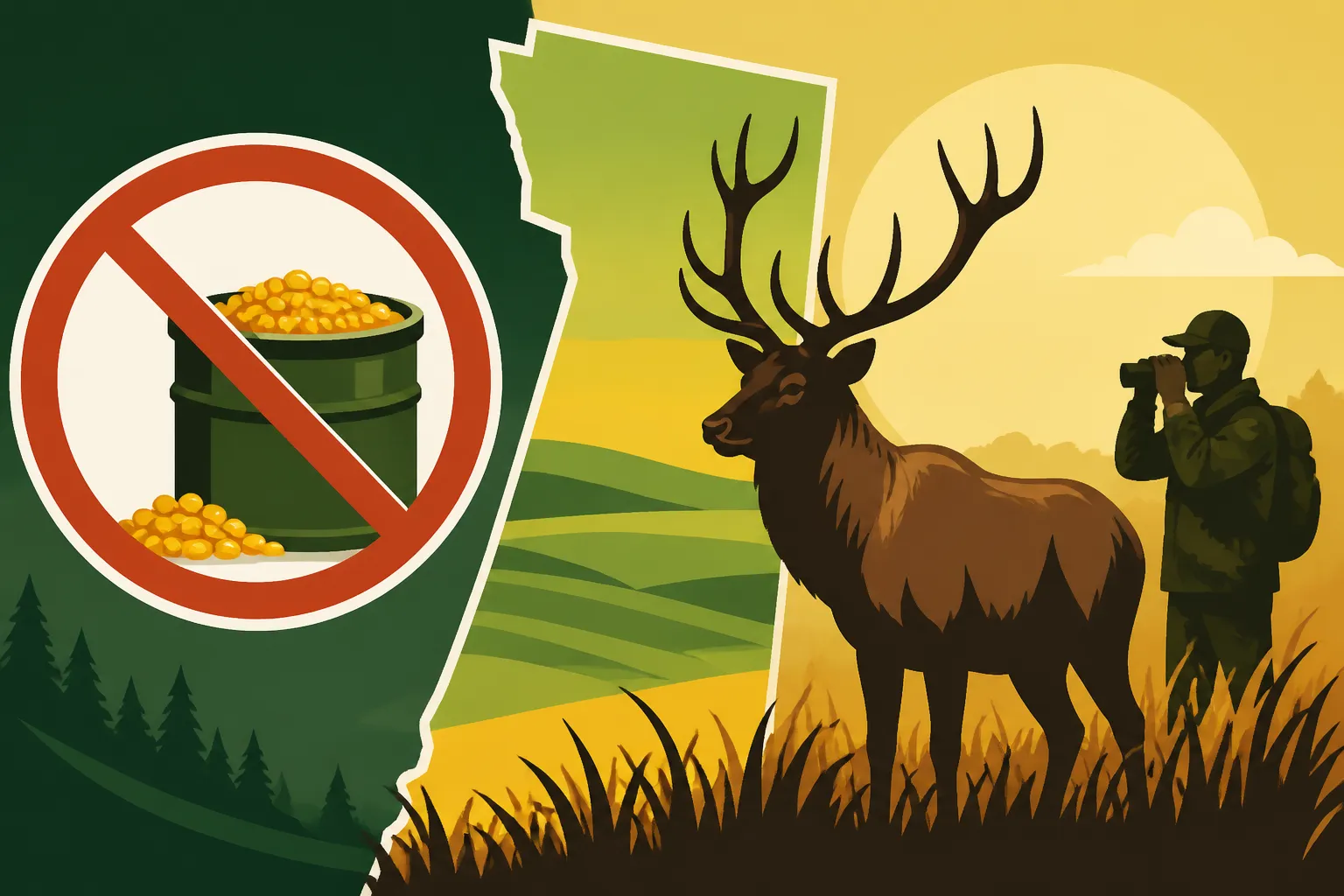
Saskatchewan Rules on Baiting Big Game
The temptation to use bait to draw in a wary buck or a cautious moose can be incredibly strong, especially when you've spent hours shivering in a blind with no action. Many hunters wonder if a pile of apples or a mineral block could be the secret ingredient to success, but navigating these rules in Saskatchewan can feel like deciphering an ancient scroll. This guide will meticulously break down Saskatchewan's regulations regarding baiting for big game, ensuring you stay on the right side of the law and understand the nuances that keep your hunt fair and ethical.
Is Baiting Allowed for Big Game in Saskatchewan? Understanding the Core Regulations
Let's cut right to the chase: for most big game species in Saskatchewan, the answer to "Can I bait?" is a resounding no. This isn't just a casual suggestion; it's a critical legal regulation designed to maintain fair chase principles and manage wildlife populations responsibly. Ignoring these rules can lead to hefty fines, confiscation of equipment, and even loss of hunting privileges, which nobody wants after investing time and effort into their passion.
Understanding the "Attracting Big Game" Regulation
Saskatchewan's wildlife regulations are quite specific about the prohibition of baiting. Generally, it's illegal to feed or bait big game animals, or to place any food, lure, or attractant with the intent to attract big game for the purpose of hunting, observing, or photographing. This isn't just about dumping a pile of grain; it extends to anything that could intentionally draw animals to a specific location where you might then hunt them. The intent is key here. If you're putting something out there because you want a deer or moose to come to it, and you're planning to hunt in that area, you're likely in violation.
This broad prohibition aims to prevent unfair advantages that could disrupt natural animal movement patterns and create an artificial hunting environment. It ensures that hunters must rely on their scouting skills, understanding of animal behavior, and tracking abilities, rather than simply waiting for animals to show up at a feed site. The regulations apply to both residents and non-residents, and it’s always prudent to be familiar with the latest Saskatchewan Hunting Licences and What They Cost and the specifics of the current year's hunting guide.
The Rationale Behind the Rules
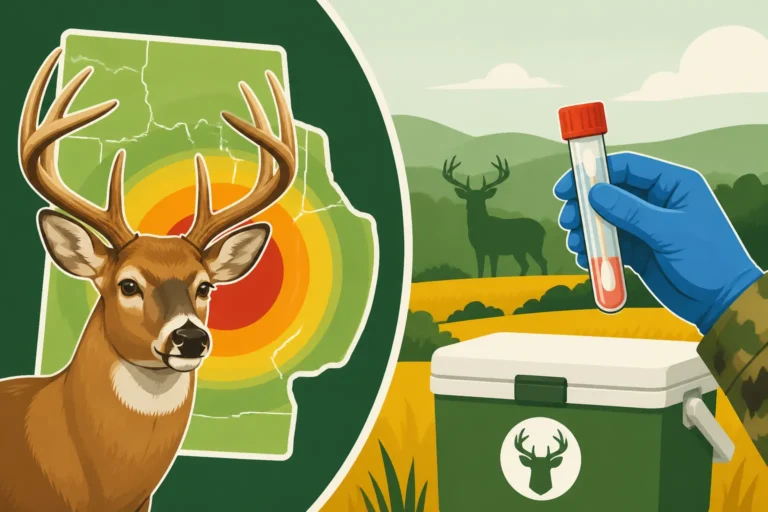
Why does Saskatchewan have such strict rules against baiting for most big game? There are several important reasons, all rooted in wildlife management and ethical hunting practices. Firstly, baiting can concentrate animals in unnaturally high densities, making them more susceptible to disease transmission. For instance, Chronic Wasting Disease (CWD) is a significant concern in Saskatchewan, and areas with high animal concentrations due to baiting could accelerate its spread. Hunters must also be aware of Saskatchewan's CWD Testing Rules to help monitor and manage this disease.
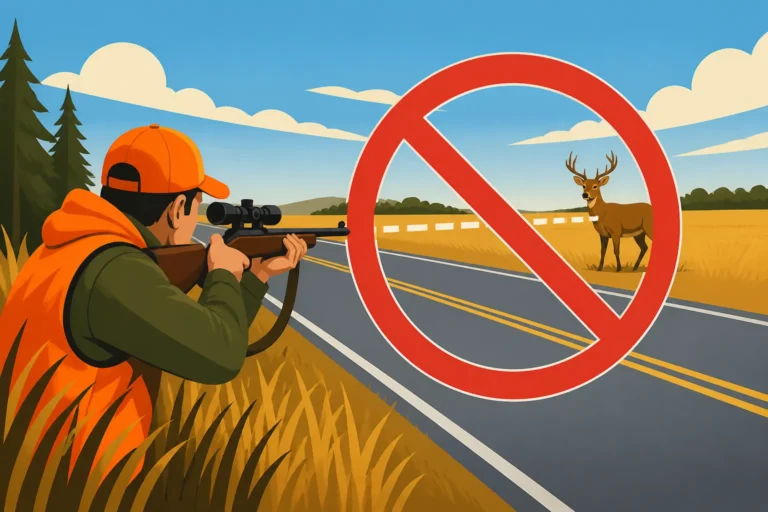
Secondly, baiting can alter natural migration routes and feeding habits, potentially leading to increased human-wildlife conflicts, such as animals becoming habituated to human-provided food sources near agricultural areas or roads. It also undermines the concept of fair chase, where the animal has a reasonable chance of escape. A hunter waiting over a bait pile doesn't always represent the kind of challenge and skill that many traditional hunting ethics uphold. These regulations are in place to preserve the wild nature of the hunt and the health of the wildlife populations for future generations of hunters.
Specific Species and Their Exceptions
While the general rule against baiting big game is quite firm, there's one significant exception that hunters need to be acutely aware of. Knowing which species fall under which category is crucial for staying legal and ethical in the field.
Whitetail and Mule Deer: A Clear No-Go
For Saskatchewan's iconic whitetail and impressive mule deer, baiting is unequivocally illegal. This means no corn piles, no sugar beet blocks, no mineral licks, and no scent dispensers intended to draw deer in for a shot. Even if you're just using a trail camera to scout, placing attractants like these is prohibited if your intent is to hunt those animals. The province is renowned for its trophy whitetails, and maintaining the challenge of pursuing these intelligent animals without artificial attractants is a cornerstone of the hunting culture here.
Hunters pursuing deer in Saskatchewan rely heavily on understanding deer movement patterns, habitat use, and reading sign. Techniques like scouting natural food sources, understanding bedding areas, and knowing how deer use cover like bluffs and bush edges are paramount. For example, if you're Reading Whitetail Sign in Saskatchewan Bluffs, you're engaging in a legal and ethical form of scouting that provides a much more satisfying challenge than relying on bait. The focus is on traditional hunting methods, which emphasize the hunter's skill in finding and approaching the animal in its natural environment.
Moose and Elk: Same Rules Apply
Just like with deer, baiting for moose and elk in Saskatchewan is strictly prohibited. These magnificent animals, whether you're hunting Moose Hunting Saskatchewan's Farmland and Forest or pursuing elk, require significant effort and skill to locate and successfully harvest. The large home ranges of these animals, coupled with their excellent senses, make baiting an ineffective and illegal shortcut. While some jurisdictions might allow calling or antler rattling as methods to attract, these are distinct from placing food or non-natural attractants.
The pursuit of a big bull moose or an antlered elk in Saskatchewan's diverse landscapes, from dense bush to expansive farmland, is a test of endurance, knowledge, and patience. Relying on their natural curiosity, interpreting their vocalizations, and knowing their travel corridors are all part of the legal and rewarding challenge. Again, the goal is to prevent the concentration of these animals, which could impact herd health and distribution, and to preserve the integrity of the hunt.
The Black Bear Exemption: Where Baiting Is Allowed
Here's the critical distinction: black bear hunting in Saskatchewan is one of the very few big game species where baiting is permitted, but under very specific conditions and regulations. This is a common practice for black bear hunting across North America, as bears often frequent baits, allowing hunters to assess the animal's size, sex, and health before taking a shot. This approach aids in selective harvesting and provides a more controlled hunting opportunity for a species that can be difficult to pattern otherwise.
However, just because it's allowed doesn't mean it's a free-for-all. There are strict rules around:
- Baiting periods: Baits can only be active during specific times, usually aligned with the spring and fall bear seasons.
- Distance from dwellings/roads: Baits must be a certain distance from residences, public roads, and sometimes even other bait sites.
- Type of bait: While many foods are allowed, there might be prohibitions on certain items or materials.
- Tagging requirements: The bait site may need to be clearly marked with the hunter's licence number.
- Site clean-up: Bait sites must be completely cleaned up after the season ends.
Always consult the current Saskatchewan Hunters' and Trappers' Guide for the most up-to-date and precise regulations on Black Bear Hunting in Saskatchewan and baiting specifics. Failing to adhere to these rules, even for bears, can lead to serious penalties.
What Constitutes Baiting and Attracting
Understanding what exactly falls under the umbrella of "baiting" or "attracting" is crucial to avoid accidental violations. It's not always as simple as a pile of corn; the intent and the nature of the substance can play a significant role.
Food, Scents, and Mineral Licks: Defining "Attractant"
When the regulations speak of "bait" or "attractant," they are typically referring to any substance, natural or artificial, that is placed specifically to draw wildlife to a location. This includes, but isn't limited to:
- Food products: Grains (corn, oats, barley), fruits (apples), vegetables (carrots, sugar beets), molasses, or commercial deer blocks.
- Scent lures: Synthetic or natural glandular secretions, urines, or food-based scents that are designed to appeal to an animal's sense of smell. These might be sprays, wicks, or granular products.
- Mineral licks: Salt blocks, mineral supplements, or any substance placed on the ground specifically to provide minerals and attract animals. Even if the primary purpose isn't caloric, if it's placed to draw animals in, it can be considered an attractant.
The key thread running through these definitions is the intent to attract. If you're setting out a product with the hope that deer or moose will come to it, you're likely engaging in prohibited activity for those species. For black bears, however, these same items, used within the legal framework, become part of a legitimate hunting strategy.
Accidental vs. Intentional Attraction
This is where things can get a bit muddy, and where common sense and ethical behavior come into play. What if a farmer spills grain during harvest, and deer start frequenting that area? Or what if a natural apple tree drops its fruit? These are instances of accidental or natural attraction and are generally not considered illegal baiting unless a hunter then intentionally augments or manipulates the site with the purpose of hunting over it.
For example, if you find a naturally fallen apple tree that deer are visiting, you are generally allowed to hunt that area. However, if you then start hauling in bags of apples from your orchard to supplement that natural food source, your activity transitions from ethical hunting over a natural food source to illegal baiting. The critical distinction lies in your actions and intentions. A hunter's responsibility includes ensuring their actions do not create an illegal bait site, even if inadvertently. This is why thorough Scouting With Satellite Imagery in Saskatchewan and on-the-ground reconnaissance are so vital – you can identify natural food sources without creating an illegal situation.
Implications for Trail Camera Use and Scouting
Trail cameras are an incredibly valuable tool for scouting, allowing hunters to monitor wildlife activity without constant human presence. However, their use must also adhere to the baiting regulations. You can place a trail camera near a natural travel corridor, a rub line, or an active scrape, but you cannot pair it with an illegal attractant for deer or moose. If you're placing a camera over a pile of corn to pattern deer, that entire setup would be deemed illegal.
Many hunters use mapping software like GoHunt to mark and monitor areas where they've placed trail cameras, ensuring they are adhering to regulations and not infringing on private land or restricted zones. This kind of digital mapping can also help identify natural funnels and food sources, allowing you to place cameras legally and effectively. The general rule of thumb: if you couldn't legally hunt over it, you shouldn't place your camera there with an attractant, especially for species where baiting is prohibited.
Navigating the Rules and Avoiding Violations
Successfully hunting in Saskatchewan involves more than just knowing where the animals are; it means knowing and respecting the rules that govern the hunt. Avoiding baiting violations requires careful planning, responsible conduct, and a clear understanding of what's expected of you as a hunter.
Pre-Season Scouting and Site Clean-up
Before the season even opens, dedicated hunters are out in the field, scouting for sign, identifying game trails, and understanding how animals use the landscape. This is the legal and ethical way to gain an advantage. When scouting, pay close attention to potential natural food sources, bedding areas, and travel corridors. Tools like GoHunt can be invaluable here, allowing you to mark waypoints, plot potential stand locations, and analyze terrain features to predict animal movement.
If you previously had a black bear bait site, or if you're hunting property where previous baiting may have occurred (perhaps from a past season or by someone else), it is your responsibility to ensure the area is completely free of bait or attractants before you begin hunting any other big game species. This means a thorough clean-up well in advance of deer or moose season. Residual bait, even small amounts, could still attract animals and potentially lead to a violation if you are then found hunting in that area for a prohibited species.
Reporting Suspicious Activity
Saskatchewan's wildlife is a shared resource, and protecting it from illegal activities is everyone's responsibility. If you encounter what you believe to be illegal baiting for big game (other than legal bear bait sites), you should report it to the Saskatchewan Ministry of Environment's Turn In Poachers (TIP) line. This isn't about being a "snitch"; it's about protecting ethical hunting and ensuring healthy wildlife populations.
When reporting, try to gather as much detail as possible: the exact location, date and time, a description of the bait, and any vehicle or individual descriptions if safely possible. Do not confront individuals yourself, as this can be dangerous. The authorities are equipped to investigate these matters. Protecting the integrity of the hunt benefits all legal and ethical hunters.
Using Tools Like GoHunt for Legal Planning
In today's hunting world, technology can be a huge asset, and platforms like GoHunt provide valuable mapping and data resources that can help hunters navigate complex regulations and plan legal hunts. While GoHunt doesn't explicitly tell you where to bait (as it's mostly illegal!), it can help in several ways:
- Identifying Property Boundaries: It helps clearly delineate public versus private land, crucial for adhering to Saskatchewan Landowner Permission Law and avoiding trespass issues. This also ensures you're not inadvertently setting up an attractant on land you don't have permission for, or where regulations might differ.
- Locating Wildlife Management Zones (WMZs): Different WMZs can have slightly varied regulations, season dates, and draw odds. Knowing exactly which zone you're in helps you understand the specific rules for that area.
- Scouting for Natural Features: Use GoHunt's satellite imagery and topographical maps to identify natural food sources, water, cover, and travel corridors. This allows you to plan your hunt around legitimate animal patterns rather than relying on artificial attractants.
- Avoiding Prohibited Areas: You can mark known residential areas or other sensitive spots where baiting (even for bears) might be restricted, ensuring your activities are always within the bounds of the law.
By leveraging such tools and meticulously studying the official regulations, you equip yourself with the knowledge needed to have a successful, ethical, and legal hunting experience in Saskatchewan. Remember to always consult the current year's official Saskatchewan Hunters' and Trappers' Guide for the most up-to-date and authoritative information.
Species Baiting Rule Summary
To help clarify the regulations at a glance, here's a quick summary of the baiting rules for common big game species in Saskatchewan:
| Big Game Species | General Baiting Rule | Key Considerations & Exceptions |
|---|---|---|
| White-tailed Deer | Illegal to bait or use attractants | Applies to all food, scent lures, mineral licks. Focus on natural scouting. |
| Mule Deer | Illegal to bait or use attractants | Same restrictions as whitetail deer. No exceptions. |
| Moose | Illegal to bait or use attractants | No food or scent attractants. Legal to use calling or rattling. |
| Elk | Illegal to bait or use attractants | No food or scent attractants. Legal to use calling or bugling. |
| Black Bear | Legal, but with strict regulations and conditions | Permitted only during specific seasons/zones, distance rules, bait types, tagging, and mandatory clean-up. Consult guide. |
| Pronghorn | Illegal to bait or use attractants | Focus on glassing and stalking in open prairie. |
Disclaimer
The information provided in this guide is for general informational purposes only and does not constitute legal advice. Hunting regulations can change frequently. Hunters are solely responsible for understanding and complying with all current federal, provincial, and local hunting laws and regulations. Always refer to the most recent official Saskatchewan Hunters' and Trappers' Guide and consult the Saskatchewan Ministry of Environment for specific and up-to-date regulations before engaging in any hunting activities.