Saskatchewan Landowner Hunting Privileges
One of the most common points of confusion and even frustration for those who own land in Saskatchewan is understanding their exact hunting privileges and how to navigate the rules for themselves and others. It can feel like a maze, trying to figure out what licenses you need, who you can grant access to, and how to protect your property. This guide aims to demystify landowner hunting privileges in Saskatchewan, laying out your rights, responsibilities, and how to effectively manage hunting on your acreage.
Understanding Your Rights as a Saskatchewan Landowner
Owning land in Saskatchewan comes with certain unique responsibilities and, thankfully, some distinct privileges when it comes to hunting. It’s not a free-for-all, but the province recognizes the integral role landowners play in wildlife management and habitat provision. Understanding these foundational rights is the first step to confidently managing hunting on your property.
Hunting on Your Own Property
For many Saskatchewan landowners, the biggest question is simply, "Can I hunt deer, moose, or elk on my own land without jumping through all the hoops?" The answer is generally yes, with some important caveats. If you are a resident landowner, farmer, or rancher primarily involved in agricultural production and you reside on your land, you are generally exempt from needing a big game draw or a specific big game licence to hunt certain species on your own land, during the open season for that zone. This is a significant privilege, allowing you to manage wildlife that might be impacting your crops or simply to harvest game for your family.
However, this isn't a blanket exemption for all game or all landowners. You still need to possess a valid Saskatchewan Wildlife Habitat Certificate, which is a fundamental requirement for all hunters, including landowners, and helps fund crucial wildlife conservation efforts. You must also adhere to the regular season dates, bag limits, and legal methods of hunting for your specific Wildlife Management Zone (WMZ). For instance, if the archery season is open for whitetail deer in your WMZ, you could hunt them with a bow on your land, provided you meet the residency and agricultural criteria and have your Wildlife Habitat Certificate. But you couldn't, for example, harvest a bull moose during a season only open for antlerless moose, even on your own land, unless specific damage control permits were issued.
Permission for Others to Hunt Your Land
Perhaps even more commonly, landowners are approached by other hunters seeking permission to access their property. The Saskatchewan Trespass Act, 2023 has significantly updated the rules around this, placing a stronger emphasis on landowner consent. Now, explicit permission is generally required for anyone to enter or hunt on private land. This is a crucial shift that gives landowners more control over who is on their property.
When granting permission, it's not enough to just verbally agree. Best practice, and often a legal necessity, is to provide written permission. This protects both the landowner and the hunter, clarifying the terms of access, the areas allowed, the species permitted, and the dates of the permission. This written agreement acts as a clear record, preventing misunderstandings or disputes down the line. Many landowners create a simple permission slip form they can use. Remember, even with your permission, hunters must still possess all the required licences and tags themselves, and adhere to all provincial hunting regulations. The guide, Saskatchewan Landowner Permission Law, dives deeper into these specifics.
Agricultural Land vs. Non-Agricultural Land
The distinction between agricultural and non-agricultural land can sometimes play a role in the nuances of landowner hunting privileges, particularly concerning the extent of licence exemptions. Generally, the most extensive privileges are extended to bona fide farmers and ranchers who are actively engaged in agricultural production and reside on the land they own or lease for that purpose. This means if you have a quarter section that is primarily wild bushland with no agricultural activity and you don't reside on it, your hunting privileges might differ from someone actively farming or ranching.
For those who lease Crown land for agricultural purposes, such as a grazing lease, your rights to hunt on that leased land may also mirror those of outright owners, provided you meet the other criteria. However, if you own a small acreage that is primarily residential or recreational and not actively farmed, you might not qualify for all the big game licence exemptions that a full-time farmer would. Always consult the current Saskatchewan Hunters' and Trappers' Guide, or the Ministry of Environment, to confirm the exact definitions and criteria for your specific situation. This guide will also help clarify any rules around Hunting Whitetails on Saskatchewan Crown Land if you lease such property.
Specific Privileges and Exemptions for Landowners
Saskatchewan’s hunting regulations are designed to recognize the unique position of landowners, particularly those actively involved in agriculture. These specific privileges and exemptions are not only a benefit to landowners but also serve to aid in localized wildlife management.
Licence and Draw Exemptions
This is where the most significant landowner benefits truly shine. Resident landowners (and often their spouses and dependent children under certain conditions) who primarily occupy and farm/ranch their land in a specific WMZ may be exempt from the lottery draw process and the associated licence fees for certain big game animals when hunting on their own land in that zone. For instance, a farmer might be able to obtain a resident antlered whitetail deer licence or an antlerless whitetail licence directly, without having to enter the general draw, provided they meet the criteria. This is particularly valuable for species like moose and elk, where draw odds can be very low for the general public.
However, it's absolutely crucial to understand the specific conditions. These exemptions typically apply only to the land you own or lease for agricultural purposes and reside on. They don't extend to hunting on Crown land or other private land, even with permission, unless you purchase the appropriate licence. The exact species and licence types eligible for these landowner exemptions can vary and are detailed in the annual hunting guide. For example, the Saskatchewan Antlerless Draw Rules often provide special considerations or opportunities for landowners to help manage local populations. Always ensure your Saskatchewan HAL account is up-to-date and reflects your landowner status accurately, as covered in Saskatchewan's HAL Account and Licensing.
Wildlife Management and Damage Control
Beyond general hunting privileges, landowners often face the challenge of wildlife causing significant damage to crops or property. Saskatchewan recognizes this and has provisions to assist landowners in these situations. If wildlife, such as deer, elk, or moose, are consistently causing damage to your crops, hay bales, or fences, you can contact the Ministry of Environment. They may issue special permits or implement specific programs to help mitigate the issue.
These damage control permits are often species-specific and zone-specific, allowing the landowner or designated individuals to harvest animals outside of the regular hunting season or beyond normal bag limits, solely for the purpose of reducing damage. It’s a mechanism to help manage local wildlife populations that have become problematic, ensuring agricultural livelihoods are protected while also respecting wildlife. This isn't a hunting opportunity in the traditional sense, but a management tool. The Ministry typically requires documentation of the damage and will assess the situation before issuing permits. This demonstrates a partnership between landowners and the province in managing shared wildlife resources.
Spouse and Dependent Privileges
The hunting privileges extended to landowners often include their immediate family members, which is a great benefit for promoting hunting heritage within families. Typically, a resident landowner's spouse and their dependent children (who meet certain age and residency requirements, usually under 16 or 18 years old, and living with the landowner) may also be eligible for similar licence and draw exemptions when hunting on the family's owned or leased agricultural land in the same WMZ.
This means a farming family can often hunt deer, and sometimes other big game, together on their own property without needing to secure licences through the general draw. This not only makes hunting more accessible for these families but also fosters a deeper connection to their land and the wildlife it supports. However, just like the primary landowner, all family members must possess their own Wildlife Habitat Certificate and adhere to all other hunting regulations, including season dates, bag limits, and legal hunting methods. Specific details about these family privileges are outlined in the annual Saskatchewan Hunters' and Trappers' Guide, and it’s important to confirm the exact definitions of "dependent child" and other criteria each year, as regulations can sometimes see minor adjustments.
Responsibilities and Best Practices for Landowners
While Saskatchewan offers valuable hunting privileges to landowners, these rights come hand-in-hand with important responsibilities. Ensuring safe, ethical, and legal hunting practices on your property not only protects you but also contributes to the positive reputation of hunters and landowners alike.
Posting Your Land Correctly
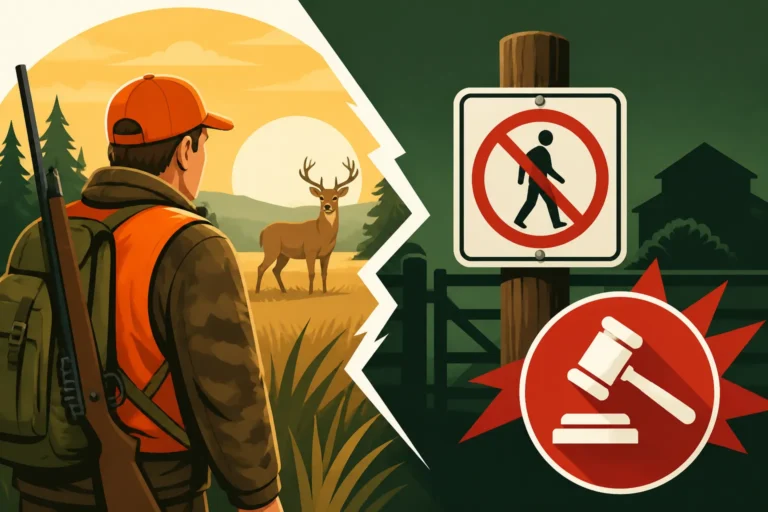
The Trespass Act, 2023 changed the landscape for land access in Saskatchewan. Now, permission is generally required to access private land. However, if you wish to explicitly prohibit hunting or trespassing, or to define specific access rules, effectively posting your land is crucial. Legally, for signs to be considered effective "Posted Land" in Saskatchewan, they must meet certain criteria. These signs typically need to be of a certain size (often a minimum of 60 square inches), clearly legible, and placed at reasonable intervals along the property boundaries, especially at common access points like gates and fence lines. The wording must be clear, such as "No Hunting," "No Trespassing," or "Entry by Permission Only."
Simply having a few old, faded signs won't cut it if you need to enforce trespass laws. Regular maintenance of signs is important, replacing any that are damaged or stolen. Properly posted land provides clear notice to the public and strengthens your ability to enforce your property rights. For a detailed breakdown of the legal requirements, you can refer to Saskatchewan Posted Land Sign Rules and What Saskatchewan's Posted Signs Must Say. Understanding How Big a Posted Land Sign Must Be is also essential for compliance.
Documenting Permission and Communication
If you choose to allow hunters onto your land, documenting permission is arguably the most important best practice you can adopt. Verbal permission, while sometimes accepted, can lead to ambiguity and potential disputes. A written permission slip, signed by both the landowner and the hunter, should clearly outline:
- The hunter's name and contact information.
- The specific dates the permission is valid.
- The exact legal land description or clearly marked areas where hunting is permitted.
- The species of game allowed to be hunted.
- Any specific conditions or restrictions (e.g., "hunt on foot only," no ATV use, specific parking areas, no hunting near buildings).
- Contact numbers for emergencies.
This simple document serves as legal proof that the hunter has permission and protects you if any issues arise. It's also vital to communicate your expectations clearly. Discuss safety rules, boundary lines (perhaps using a mapping app like GoHunt to show specific areas), and any other concerns you might have. For instance, if you have livestock, make sure hunters are aware and take precautions. This open communication fosters a respectful relationship and helps prevent accidents or damage to your property.
Understanding Game Regulations
Even with landowner privileges and exemptions, you are not exempt from the core game regulations of Saskatchewan. All hunters, including landowners, must adhere to:
- Season Dates: Hunting is only permitted during the designated open seasons for each species in your WMZ.
- Bag Limits: You can only harvest the prescribed number of animals per season.
- Legal Hunting Methods: This includes restrictions on weapon types, shooting hours, and methods of pursuit.
- Tagging and Validation: Any harvested big game animal must be immediately tagged and validated according to provincial rules.
- Chronic Wasting Disease (CWD) Testing: If your WMZ is in a mandatory CWD testing area, you must submit heads for testing as required.
It’s easy to assume that because you own the land, you have carte blanche, but this is a common misconception that can lead to significant penalties. Landowner privileges primarily reduce licensing barriers, not regulatory ones. You are still a hunter, subject to the same conservation laws designed to protect wildlife populations for everyone. Always have a current copy of the Saskatchewan Hunters' and Trappers' Guide on hand or readily accessible online. This is especially true for understanding specific season dates by zone, such as Saskatchewan Whitetail Season Dates by Zone or Saskatchewan Moose Season Dates.
Navigating Common Landowner Challenges
Owning land and managing hunting opportunities on it can present unique challenges. From dealing with unwelcome guests to balancing agricultural needs with wildlife presence, landowners often find themselves at the intersection of various interests.
Dealing with Unauthorized Hunters
Despite your best efforts at posting land and communicating, you might still encounter unauthorized hunters or trespassers. This can be incredibly frustrating and even dangerous. Your first priority should always be safety. If you discover someone hunting on your land without permission:
- Do not confront them aggressively. Maintain a safe distance and assess the situation.
- Document everything. Take photos or videos (from a safe distance) of vehicles, licence plates, individuals (if possible), and the location.
- Contact local law enforcement or the Ministry of Environment's Turn In Poachers (TIP) line immediately. Provide them with all the details you’ve gathered. They are equipped to handle these situations safely and legally.
- Do not attempt to detain individuals or confiscate firearms. This can escalate the situation and put you at risk.
The updated Trespass Act, 2023 has increased penalties for trespassing, making it a more serious offense. Knowing Saskatchewan Trespass Penalties for Hunters can give you confidence in pursuing appropriate action if necessary. Remember, enforcement is best left to the authorities.
Balancing Wildlife Management with Farming
Saskatchewan’s rich agricultural landscape is also prime habitat for many game species, leading to an inevitable overlap and sometimes conflict. Deer, elk, and moose can cause significant crop damage, break fences, or pose hazards on roads. For landowners, balancing the desire to support wildlife with the need to protect their livelihood is a constant tightrope walk.
Strategies for managing this balance include:
- Proactive Habitat Management: Sometimes, creating alternative food sources or cover away from valuable crops can draw animals to less sensitive areas.
- Fencing and Deterrents: While often costly, specialized fencing can protect high-value crops or feed storage.
- Damage Permits: As mentioned earlier, working with the Ministry of Environment to obtain damage control permits can be an effective way to reduce problematic populations.
- Strategic Hunting Access: Allowing responsible hunters onto your land can help manage local game populations before they become a major issue. This can be a win-win, providing hunting opportunities while simultaneously assisting with wildlife control.
It’s about finding sustainable ways to coexist, recognizing that wildlife are a shared resource that benefits from healthy agricultural landscapes.
Utilizing Technology for Land Management
In today's digital age, technology offers powerful tools for landowners to manage their property and hunting access more effectively. Mobile apps and online platforms can transform how you understand and control your land. One excellent example is GoHunt, a popular tool for hunters, but equally valuable for landowners.
Apps like GoHunt, or similar mapping platforms, allow you to:
- Visualize Property Boundaries: Accurately see your property lines, leased Crown land, and surrounding land ownership. This is invaluable for communicating exact hunting zones to guests and identifying potential trespass points.
- Mark Key Areas: Pinpoint important features like access roads, parking spots, treestand locations, known game trails, and sensitive areas where hunting is prohibited.
- Grant Digital Permission: Some platforms offer features for sharing property maps with specific permissions, enhancing clarity for guest hunters.
- Scout from Afar: Use satellite imagery to identify cover, food sources, and travel corridors on your property, aiding both your own hunting and management efforts. This is similar to Scouting With Satellite Imagery in Saskatchewan, but applied specifically to your own land.
- Manage Communication: Tools that allow for clear, trackable communication regarding access can be very helpful.
Using such tools not only streamlines the process of granting permission and guiding hunters but also provides an extra layer of protection by making boundaries and rules crystal clear. Knowing how to use Reading a Saskatchewan WMZ Map Before You Go in conjunction with your property's digital overlay can be incredibly empowering.
| Privilege/Responsibility | Description | Key Conditions |
|---|---|---|
| Hunting on Own Land | Resident landowners actively farming/ranching may be exempt from big game draws and licence fees. | Must reside on and actively farm/ranch the land in the WMZ. Still requires Wildlife Habitat Certificate. Must follow season dates, bag limits, and legal methods. Applies only to own land. |
| Granting Permission | Landowners have the right to grant or deny access to others for hunting. | Written permission is strongly recommended (often required) for clarity and legal protection. Hunters must still have their own licences and tags. Landowner defines terms of access. |
| Wildlife Damage Permits | Ability to obtain special permits from the Ministry of Environment to reduce wildlife causing crop damage. | Issued for specific species and locations, usually outside regular seasons/limits. Requires documented damage and Ministry assessment. Not a general hunting opportunity, but a management tool. |
| Family Privileges | Spouse and dependent children may share some landowner exemptions. | Must meet specific residency/age criteria and hunt on the family's owned/leased agricultural land. Each individual still requires a Wildlife Habitat Certificate. |
| Posting Land | Clearly marking property boundaries to prohibit or regulate access. | Signs must meet specific size and wording requirements (e.g., "No Hunting," "Entry by Permission Only"). Must be placed at reasonable intervals at access points. Essential for enforcing trespass laws. |
| Understanding Regulations | Adherence to all provincial hunting rules and seasons. | Landowner exemptions primarily apply to licensing; all other regulations (seasons, bag limits, methods, CWD testing, tagging) still apply. Ignorance of rules is not an excuse. |
| Managing Trespassers | Dealing with individuals hunting without permission. | Prioritize safety. Document details (vehicles, licence plates). Report immediately to law enforcement or TIP line. Do not confront aggressively or attempt to detain. Legal recourse available under the Trespass Act, 2023. |
Disclaimer
Always consult the current year's Saskatchewan Hunters' and Trappers' Guide and the relevant provincial legislation for the most up-to-date and specific regulations regarding landowner hunting privileges, as rules and interpretations can change.