Saskatchewan’s Small Game and Northern Species
You're looking to explore the wilder, less trodden paths of Saskatchewan hunting, venturing beyond the well-known big game pursuits. It can be tricky to figure out where to start with species that often get overlooked, especially when their seasons and habitats are so different from a whitetail hunt. This guide is here to shed light on Saskatchewan's diverse array of small game and northern species, from the quick-footed snowshoe hare to the cunning wolf, and help you understand the opportunities and challenges of pursuing them in our vast province.
What Even Counts as Small Game in Saskatchewan?
When most hunters think of Saskatchewan, their minds jump to big whitetails or a sky full of ducks and geese. But there's a whole other world out there, a vibrant ecosystem teeming with smaller animals and furbearers that offer unique hunting opportunities and challenge hunters in different ways. These species, often found in various habitats across the province, provide incredible experiences for those willing to broaden their horizons.
Defining the Categories: From Fur to Feather
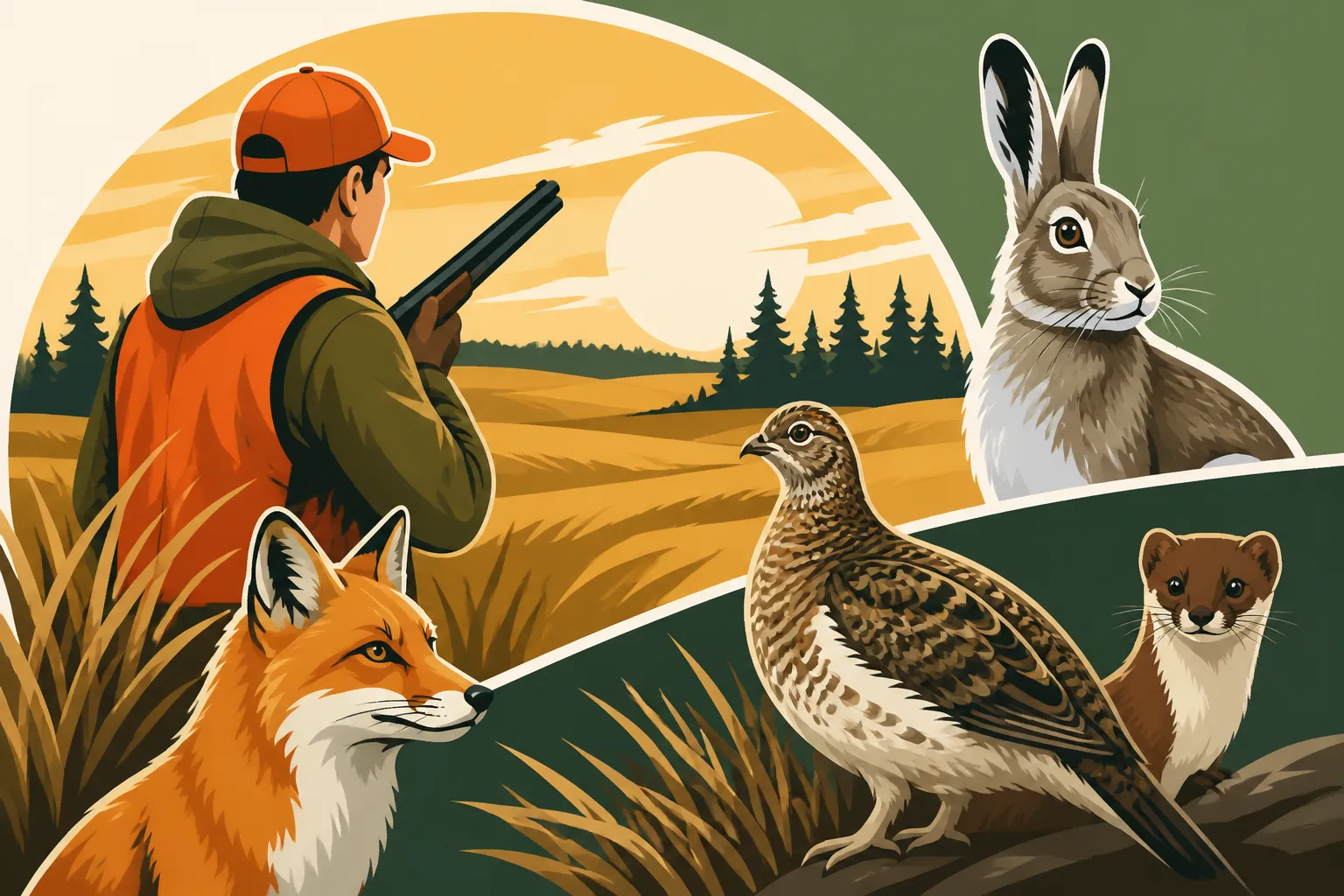
Generally, "small game" refers to a category of animals that are smaller than big game, such as deer or moose, and are often hunted for their meat or for recreation. In Saskatchewan, this includes species like snowshoe hare, and various upland birds like grouse and partridge, though the latter often get their own distinct category due to their unique habitat and hunting styles. Then we have "furbearers," which are animals primarily hunted or trapped for their fur, though many also offer excellent hunting opportunities. This includes coyotes, foxes, beaver, muskrats, marten, fisher, and even wolves. Understanding these distinctions is crucial, as regulations, seasons, and hunting methods can vary wildly between them. Many of these species provide year-round opportunities or seasons that extend far beyond the typical big game rifle rut.
Why Pursue Smaller Species?
Beyond the challenge, hunting small game and furbearers offers a chance to explore diverse landscapes, hone different hunting skills, and extend your time outdoors, often in seasons when other hunts are closed. It's an excellent way to introduce new hunters, especially youth, to the ethics and excitement of the chase without the pressure of a trophy animal. For seasoned hunters, it’s about appreciating the nuances of wildlife behaviour and expanding their repertoire. The thrill of calling in a coyote or tracking a lynx through fresh snow provides a different kind of satisfaction than punching a deer tag. Plus, for many, the meat from species like snowshoe hare or the challenge of trapping provides a deep connection to sustainable harvesting and the province's rich outdoor heritage.
The Elusive Snowshoe Hare: A Cyclical Quarry
The snowshoe hare is a master of camouflage, shifting its coat from brown in summer to brilliant white in winter, making it a ghost in the snow-laden bush. These fascinating creatures are integral to the boreal forest and even parts of the parkland, providing a crucial food source for many predators. Hunting snowshoe hare is often an accessible and enjoyable way to spend time in the woods, especially during the colder months.
Understanding Hare Cycles and Habitat
One of the most remarkable things about snowshoe hares is their dramatic population cycles. These cycles typically last about 10 years, swinging from periods of abundance to periods of scarcity. During peak years, you might see them everywhere in the right habitat; during low years, they can seem to vanish entirely. This boom-and-bust cycle is a natural phenomenon that impacts many predator populations as well. Hares prefer dense cover, such as young coniferous forests, willow thickets, and aspen regeneration areas. These dense areas provide both food and protection from predators like lynx, coyotes, and various raptors. Finding these specific types of cover is key to locating hare, whether you're using a topographical map or an app like GoHunt to identify suitable habitat on public land. They often stick to the edges of clearings or along old logging roads, making them a fun challenge for those willing to venture into thicker bush.
Hunting Methods and Seasons
Hunting snowshoe hare is a relatively straightforward affair, often involving walking through likely habitat and watching for movement. Many hunters enjoy using small caliber rifles or shotguns, depending on whether they're looking for meat or just the sport. For those interested in more active hunting, Beagles or other rabbit dogs can be incredibly effective, flushing hares from cover and providing exciting chases. The season for snowshoe hare is generous in Saskatchewan, typically running year-round for residents, which makes them an excellent target for winter outings when other seasons are closed. Late fall and winter, after the first significant snowfalls, are particularly popular. The white coat of the hare against the brown underbrush of early snow, or against the fresh white blanket of a deeper winter, offers an interesting dynamic. You can find them in many of the same areas where you might be Hunting Snowshoe Hare in Saskatchewan's Bush. Always remember to check the specific regulations for the Wildlife Management Zone you're hunting in, but generally, hares are very accessible.
Upland Furbearers: Red Fox and Coyotes
Saskatchewan's prairie and parkland regions are home to a thriving population of upland furbearers, with the red fox and coyote being among the most common and challenging to pursue. These canids are incredibly intelligent and adaptable, often found roaming agricultural fields, brush lines, and coulees, playing a vital role in the ecosystem as predators of smaller mammals.
The Cunning Red Fox: A Prairie Gem
The red fox, with its fiery coat and bushy white-tipped tail, is a striking animal to encounter on the Saskatchewan landscape. While often associated with the prairie, they are adaptable and can be found in various habitats, from farmland edges to wooded areas. They are incredibly wary, making them a true test of a hunter's patience and skill. Red fox populations can fluctuate, but generally, they are present across much of the southern and central parts of the province. They often utilize shelterbelts, abandoned farmyards, and the edges of fields for hunting mice, voles, and hares. When you're scouting for them, look for tracks along fence lines or near small patches of cover, especially where you've seen signs of their prey. Their keen senses of smell and hearing mean you need to be exceptionally stealthy and pay close attention to wind direction.
Hunting red fox typically involves calling, often using distress calls that mimic small rodents or birds. This can be a high-adrenaline hunt, as a fox can appear silently and quickly, requiring fast reactions. They can also be taken opportunistically while still-hunting for other species. Winter is a prime time to pursue fox, as their fur is at its prime, and their tracks are easily visible in the snow, aiding in scouting and tracking. Hunters often combine fox hunting with other activities, like Calling Coyotes in Saskatchewan Stubble, as many of the same techniques and habitats apply.
The Adaptable Coyote: A Widespread Challenge
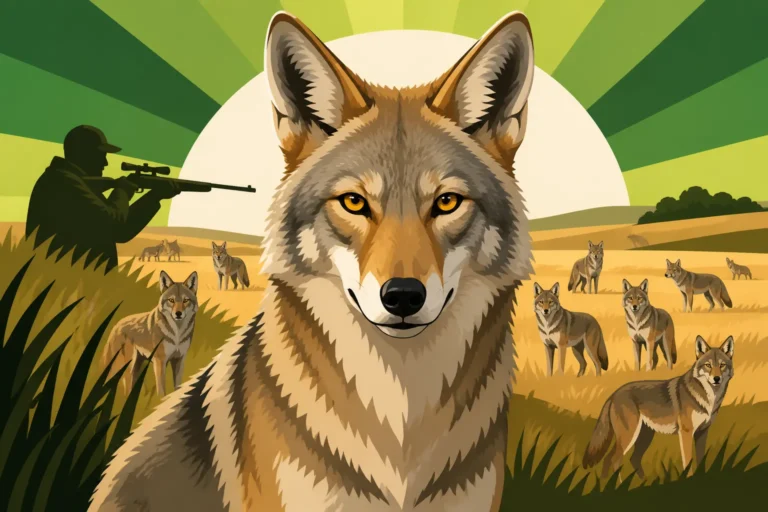
Coyotes are perhaps the most common and widespread furbearer in Saskatchewan, found in virtually every corner of the province from the deepest bush to urban fringes. Their adaptability and intelligence make them a perpetual challenge for hunters. Coyotes are opportunistic predators, feasting on everything from deer fawns and rabbits to rodents and carrion. This makes them a species that many landowners are often keen to see managed, providing more hunting access opportunities. Understanding their habits, territories, and responses to various calling techniques is crucial for success.
Hunting coyotes is a popular year-round activity for many Saskatchewan hunters, with winter being a particularly favoured time due to the quality of their pelts and the ability to track them in snow. Calling is the most common and exciting method, involving the use of electronic callers or mouth calls to mimic prey distress or coyote vocalizations. Successful coyote hunting requires attention to detail: setting up with the wind in your favour, breaking up your silhouette, and being patient. Often, a good spot will be on the edge of a field, overlooking a coulee, or near a bluffy area that offers good visibility. When targeting coyotes, consider specific tactics for Hunting Coyotes Over a Winter Bait which can be highly effective when temperatures drop and natural food sources become scarce.
Wetland Wonders: Beaver and Muskrat
Saskatchewan's countless lakes, rivers, potholes, and sloughs create ideal habitats for a variety of aquatic furbearers. Among the most prevalent and economically significant are the beaver and muskrat, both offering unique hunting and trapping opportunities for those who enjoy spending time near the water. These industrious animals shape their environments, often to the benefit or detriment of other wildlife and human infrastructure.
The Architect of the Waterways: Beaver
Beavers are often called "nature's engineers" for good reason. Their dam-building activities can create new wetlands, alter water flows, and provide habitat for ducks, moose, and countless other species. However, their work can also flood agricultural land, block culverts, or damage valuable timber, leading to demand for population management. Beavers are widespread across Saskatchewan, found wherever there's suitable water and deciduous trees for food and building materials. Their lodges, built from sticks and mud, are easily identifiable in ponds, streams, and lake shores. Hunting or trapping beaver requires an understanding of their aquatic habits, feeding patterns, and the structure of their colonies.
Hunting beaver is most effective when they are active outside their lodges, typically around dawn and dusk. Still-hunting from a vantage point overlooking a dam or lodge, or slowly approaching by canoe or boat, can be productive. Rifles in appropriate calibers are common, often targeting the head to preserve the pelt. Trapping, however, is the more traditional and generally more effective method for harvesting beaver, especially when aiming for multiple animals. The season for beaver typically runs for many months, often extending into late spring, allowing for harvesting when pelts are still prime. Knowing how to locate their runs, feed piles, and dam structures is paramount for successful trapping, a skill often passed down through generations.
The Smaller Wetland Dweller: Muskrat
Muskrats are much smaller than beavers but share similar semi-aquatic lifestyles. These prolific rodents are found in almost every body of water across Saskatchewan, from prairie potholes to the edges of large lakes and slow-moving rivers. They are easily identified by their "push-ups" (small mounds of vegetation and mud in the water) or their "houses" (larger, dome-shaped structures similar to small beaver lodges, but made primarily of reeds and cattails). Muskrats are primarily vegetarians, feeding on aquatic plants, and their abundance makes them a staple food source for many predators, including mink, foxes, coyotes, and various birds of prey.
Hunting muskrats is less common than trapping, but they can be taken with small caliber firearms or even air rifles. They are often seen swimming in open water or feeding along the banks, particularly in the quieter hours of the day. For those interested in harvesting muskrats, trapping is by far the most efficient and traditional method. Due to their high reproductive rate and wide distribution, muskrat populations can provide consistent opportunities for trappers throughout their open seasons, which often span fall, winter, and spring. Trappers will set conibear or body-grip traps near their push-ups, den entrances, or feeding areas. Learning to identify these key spots is crucial for effective Trapping Prairie and Boreal Furbearers like the muskrat. Both beaver and muskrat pelts, when handled correctly, can fetch good prices and represent a sustainable harvest from Saskatchewan's abundant wetlands.
Northern Treasures: Marten, Fisher, and Wolverine
Venturing into Saskatchewan's vast boreal forest reveals a different set of furbearers, species adapted to the deep woods and extreme cold. Marten, fisher, and the legendary wolverine represent some of the most sought-after and challenging furbearers for trappers and, in some cases, hunters in the northern reaches of the province. These creatures are elusive, powerful, and embody the wild spirit of the northern wilderness.
The Agile Marten and Ferocious Fisher
The American marten (often simply called marten) and the fisher are members of the weasel family, known for their slender bodies, agility, and predatory prowess. Marten are slightly smaller, preferring dense coniferous forests, where they expertly hunt red squirrels, voles, and birds. Fishers are larger, more powerful, and are one of the few predators capable of successfully hunting porcupines. Both are highly prized for their luxurious fur and are typically pursued through trapping. Their populations are stable across the northern forest, offering consistent opportunities. These animals are typically solitary and range over large territories, making them a challenge to locate without a well-planned trapping line.
Hunting marten and fisher is rare, as their elusive nature and habitat make direct pursuit difficult. Trapping remains the primary method, with trappers setting baited box traps or coni-bear traps along established trap lines. These trap lines often follow old logging roads, cutlines, or natural travel corridors in the dense forest. Accessing these areas often requires snowmobiles, quads, or even float planes, making them truly northern pursuits. Successful trapping depends on understanding their travel routes, preferred den sites, and food sources, often found in the heart of the Hunting Saskatchewan's Boreal North zones. For those with a passion for wilderness and a knack for woodsmanship, pursuing marten and fisher offers a deeply rewarding connection to the northern environment.
The Legendary Wolverine: Ghost of the North
The wolverine, or "skunk bear" as it's sometimes known, is perhaps the most mythical of Saskatchewan's northern furbearers. Renowned for its incredible strength, tenacity, and solitary nature, the wolverine is a symbol of untamed wilderness. They possess a reputation for ferocity far exceeding their size and are known to take down prey much larger than themselves or scavenge from large kills made by other predators. Wolverines are exclusively found in the deepest, most remote parts of Saskatchewan's boreal forest and tundra transition zones, where human disturbance is minimal. Their numbers are naturally low, and encounters are exceedingly rare, making them a highly sought-after species for experienced trappers.
Hunting wolverine is generally not practiced, given their rarity and the challenges of locating them in such vast, remote areas. Trapping, under very strict regulations, is the only practical way to harvest them. Due to their powerful jaws and relentless determination, wolverines are notoriously difficult to hold in traps. Trappers targeting wolverine must be exceptionally skilled, understand their massive territories, and be prepared for extensive wilderness travel, often requiring remote fly-in access or very long snowmobile treks. While harvesting a wolverine is an incredible accomplishment for a northern trapper, it's also a testament to the wildness of Saskatchewan's farthest reaches. GoHunt's detailed satellite imagery can be surprisingly useful even in these remote areas for identifying potential habitat and travel corridors for these elusive creatures.
The Ghosts of the North: Wolves
For many hunters, the wolf embodies the ultimate challenge and mystique of the northern wilderness. Saskatchewan's boreal forest is home to healthy populations of grey wolves, apex predators that play a crucial role in maintaining ecosystem balance. Encountering a wolf, or even hearing their mournful howls under a northern sky, is an unforgettable experience.
Understanding Wolf Packs and Territories
Wolves are highly social animals, living in complex family units known as packs. Each pack maintains a distinct territory, which can span hundreds of square kilometers in the vastness of the boreal forest. These territories are defined by scent marking, howling, and physical patrolling. A pack's size can vary, typically from 2 to 10 or more individuals, depending on prey availability and other factors. Their primary prey in Saskatchewan includes moose, caribou, and deer, but they are opportunistic and will hunt smaller game or scavenge when necessary. Understanding wolf behaviour – their hunting strategies, travel corridors, and communication – is fundamental for anyone hoping to pursue them. They are masters of their domain, moving silently and efficiently through the dense bush.
The northern areas of Saskatchewan, particularly north of the agricultural fringe, offer the best opportunities for wolves. While elusive, their sign can be found if you know what to look for: large tracks in the snow, scat along trails, or fresh kills. Winter is arguably the best time to pursue wolves, as their thick coats are prime, and snow allows for tracking. Hunters often focus on areas where wolf activity is known, such as around recent moose kills or along natural travel routes like frozen rivers, lakes, or seismic lines.
Hunting Methods for This Apex Predator
Hunting wolves is an incredibly challenging and rewarding pursuit, demanding patience, endurance, and advanced woodsmanship skills. Unlike deer or bear, wolves are constantly on the move, highly intelligent, and incredibly wary. Common hunting methods include tracking, calling, and hunting over bait. Tracking involves following fresh tracks in the snow, often for many miles, until you can intercept the pack or a lone wolf. This can be an arduous physical challenge, especially in deep snow. For those interested in Hunting Wolves in the Northern Bush, patience and suitable winter gear are non-negotiable.
Calling can be effective, using distress calls to lure curious or hungry wolves, or howling sequences to locate and sometimes draw in a pack. Setting up on a vantage point overlooking a large area of open bush or frozen lake can be advantageous for calling. Hunting over bait, often a common method for bear or other furbearers, can also be used for wolves in designated areas. This involves establishing a bait site and waiting patiently in a blind for wolves to visit. Regardless of the method, success often comes down to dedication and a deep understanding of the northern environment and its most formidable predator.
Other Interesting Northern Species: Lynx and Ptarmigan
Beyond the well-known furbearers, Saskatchewan's northern landscape also offers opportunities for hunters to pursue less common, yet equally intriguing, species like the Canadian lynx and various ptarmigan species. These animals are deeply tied to the rhythms of the boreal forest and the extreme conditions of the far north, providing unique hunting experiences for those willing to venture into truly wild country.
The Phantom Feline: Canadian Lynx
The Canadian lynx is a stunning wild cat, perfectly adapted to life in the snow-covered boreal forest. Known for its distinctive ear tufts, large padded paws (like built-in snowshoes), and incredibly thick fur, the lynx is primarily a predator of the snowshoe hare. Its population cycles are intrinsically linked to those of the hare; when hare numbers are high, lynx numbers typically follow suit, and vice versa. This makes them a fascinating species for trappers, as good lynx years often coincide with abundant hare. Lynx are incredibly elusive and primarily nocturnal or crepuscular, making them very difficult to hunt directly. Their secretive nature means most encounters are fleeting glimpses, confirming their status as a true phantom of the bush.
While hunting lynx is legal in Saskatchewan during specific seasons, it's a rare occurrence, largely due to their shy nature and the difficulty of locating them. Trapping is the principal method of harvest, often utilizing specialized snares or box traps placed along known lynx travel routes, such as old cutlines, creek beds, or dense stands of timber. Trappers rely heavily on reading tracks in the snow and understanding lynx behaviour to predict their movements. Finding these tracks in the vastness of the northern forest can be a challenge, but the reward of a prime lynx pelt is highly valued. Apps like GoHunt can help identify potential lynx habitat by highlighting areas of dense coniferous forest or old growth, even if the actual animal is hard to spot.
The Hardy Game Birds: Ptarmigan
For the truly adventurous bird hunter, Saskatchewan's far northern reaches offer the unique challenge of pursuing ptarmigan. These hardy upland birds are masters of cold weather survival and camouflage, changing their plumage seasonally to blend seamlessly with their surroundings. Three species of ptarmigan can be found in Canada, with willow and rock ptarmigan potentially inhabiting the extreme northern fringes of Saskatchewan, especially in the tundra-boreal transition zones. Unlike most upland birds, ptarmigan are adapted to open, treeless arctic and sub-arctic environments, making them a very different quarry.
Hunting ptarmigan involves venturing into rugged, remote landscapes where bush planes or extended wilderness travel are often necessary. In winter, their pure white plumage makes them almost invisible against the snow, requiring keen eyesight and often a good dog to find them. They typically hold tight, flushing explosively when approached, offering challenging wing-shooting opportunities. The experience of hunting ptarmigan isn't just about the bird; it's about the adventure of exploring some of Canada's most untouched wilderness. The season for ptarmigan is generally quite long, extending through the colder months, which is when their white winter plumage is most striking. For those seeking an ultimate northern bird hunting experience, a trip for Ptarmigan Hunting in the Far North can be an unforgettable journey.
Hunting Regulations and Conservation Efforts for These Species
Understanding the rules and the reasons behind them is paramount for any ethical hunter or trapper. Saskatchewan maintains a robust regulatory framework to ensure the sustainable harvest of its small game and northern species, balancing recreational opportunities with ecological health. Ignoring these regulations can lead to penalties and, more importantly, can harm the very populations we cherish.
Navigating Licenses, Seasons, and Limits
Just like with big game or migratory birds, hunters and trappers pursuing small game and furbearers in Saskatchewan must adhere to specific licensing requirements, open seasons, and bag/possession limits. For most residents, a valid Saskatchewan Wildlife Habitat Certificate is the foundational license, with specific endorsements or separate licenses often required for furbearers and some small game. For example, trapping furbearers requires a specific trapping license, often involving educational requirements. It's crucial to consult the annual Saskatchewan Hunters’ and Trappers’ Guide, available online through the provincial government website, before heading out. This guide provides detailed information on:
- Season Dates: These vary by species and Wildlife Management Zone (WMZ). While some small game, like snowshoe hare, have year-round resident seasons, others, like specific furbearers, have much shorter, designated periods.
- Bag and Possession Limits: Many small game species have daily bag limits and possession limits to prevent over-harvesting. Some furbearers may have no limit or specific quotas depending on management goals.
- Legal Methods: This covers permissible firearms, bows, and trap types. For instance, specific trap sizes and styles are mandated for different furbearers to ensure humane capture.
- WMZ Specifics: Pay close attention to rules that might apply only to certain WMZs. What's legal in the northern boreal might be different in the southern prairie. Using tools like GoHunt to overlay WMZ boundaries on maps can be incredibly helpful for planning.
Non-residents face additional restrictions, often requiring the services of a licensed outfitter for certain species, or having limitations on which species they can harvest. For example, non-resident non-Canadians cannot independently hunt most furbearers. Always confirm your specific eligibility and requirements well in advance of any planned hunt. Information on acquiring various licenses and permits, including the Saskatchewan Hunting Licences and What They Cost, is readily available on the provincial website.
Conservation Efforts and Sustainable Practices
The regulations surrounding small game and northern species are not just arbitrary rules; they are rooted in sound wildlife management principles and conservation efforts. Saskatchewan's Ministry of Environment monitors populations of these species through various surveys and data collection, adjusting seasons and limits as needed to ensure healthy, sustainable numbers for future generations.
Key aspects of conservation include:
- Population Monitoring: Understanding the cyclical nature of species like snowshoe hare and lynx, or the stable populations of coyotes, informs management decisions.
- Habitat Preservation: While direct habitat restoration efforts might be less common for widespread species like coyotes, broader initiatives that protect wetlands (crucial for muskrats and beavers) or maintain healthy boreal forest ecosystems (vital for marten, fisher, and wolves) benefit these species immensely.
- Responsible Harvest: Encouraging ethical hunting and trapping practices, such as humane trapping methods, avoiding waste, and respecting fair chase principles, contributes to conservation. Hunters are often the first to notice changes in wildlife populations and play a critical role in reporting unusual observations.
- Disease Monitoring: For furbearers like coyotes and foxes, reporting any animals that appear sick or diseased is important for public and wildlife health.
Hunters and trappers are often the most dedicated conservationists, directly contributing to wildlife management through license fees and participation in data collection. By understanding and respecting the intricate balance of these ecosystems, we can continue to enjoy the diverse hunting and trapping opportunities Saskatchewan's small game and northern species offer for years to come.
Preparing for a Northern Species or Small Game Hunt
Planning for a small game or northern species hunt in Saskatchewan requires a different approach than a typical deer hunt. The challenges might include remote access, extreme weather, and the need for specialized gear. Proper preparation is key to a safe, successful, and enjoyable outing.
Gear Essentials for Diverse Environments
Your gear list will depend heavily on the specific species you're pursuing and the environment you'll be in, but some general principles apply.
For small game like snowshoe hare or upland birds:
- Firearm: A .22 caliber rimfire rifle or a small gauge shotgun (like a .410 or 20 gauge) are common choices. For hares, headshots are preferred if you plan to eat them.
- Clothing: Layers are always crucial. Even in fall, temperatures can swing. Waterproof outer layers are a must, especially in marshy areas for birds or dense brush for hares. Good quality, comfortable boots for walking long distances through varied terrain are essential.
- Navigation: A reliable GPS device or a smartphone app like GoHunt with offline maps is invaluable, especially when walking through dense bush. You can use it to mark your vehicle, track your path, and find your way back.
- Game Vest/Bag: To carry your harvested game comfortably.
- Small First-Aid Kit: Always carry one, no matter how short the trip.
For furbearers and northern species like coyotes, wolves, or marten:
- Firearm: Depending on the species, a flat-shooting rifle in a caliber like .223 Remington, .22-250 Remington, or even a larger deer caliber for wolves, is common. Shotguns with appropriate loads can also be used for coyotes at closer ranges.
- Optics: Good binoculars are essential for spotting distant animals, especially on open prairie or vast northern landscapes. A spotting scope can be useful for identifying animals before attempting a call.
- Clothing: Warm, layered clothing is paramount, particularly for winter hunts where temperatures can drop significantly. Insulated boots, warm gloves, a hat, and a face covering are non-negotiable. Sitting still while calling coyotes or wolves requires much warmer gear than active walking. When you're Hunting Saskatchewan Winter Weather Safely, ensure your gear is up to the task.
- Calling Equipment: Electronic callers pre-loaded with various distress and vocalization sounds are highly effective, as are a variety of mouth calls.
- Transportation: Accessing remote areas for marten, fisher, or wolves often requires a snowmobile or ATV. Ensure your vehicle is well-maintained and you carry emergency repair kits.
Safety Considerations for Remote and Winter Hunts
Hunting small game and northern species often takes you into more remote or challenging environments, especially during the winter months. Safety should always be your top priority.
- Tell Someone Your Plan: Always inform a trusted person of your exact hunting location, your intended route, when you expect to return, and who you are with.
- Emergency Communications: Cell service can be spotty to non-existent in many remote parts of Saskatchewan. Carry a satellite phone, an inReach device, or a two-way satellite messenger for emergencies.
- Survival Kit: A small survival kit containing fire-starting materials, extra food/water, a knife, shelter material, and a whistle is essential for any remote hunt.
- Hypothermia and Frostbite Awareness: In cold weather, understand the signs and symptoms of hypothermia and frostbite and how to treat them. Stay hydrated and avoid getting wet.
- Wildlife Awareness: Be aware of other wildlife in the area, especially if hunting in bear or wolf country. Carry bear spray or other deterrents if appropriate.
- First Aid: Carry a comprehensive first-aid kit and know how to use it. Consider taking a wilderness first-aid course if you frequently venture into remote areas.
By preparing thoroughly, choosing the right gear, and prioritizing safety, you can make the most of Saskatchewan's diverse opportunities for small game and northern species, creating memorable hunting experiences in some of the province's wildest landscapes.
Processing and Utilizing Your Harvest
The hunt is only half the story; knowing how to properly field dress, process, and utilize your small game or furbearer harvest is just as important. Ethical hunting extends beyond the shot, encompassing respectful and efficient handling of the animal to ensure quality meat or fur.
Field Dressing and Meat Care
For species like snowshoe hare or upland birds, immediate field dressing is crucial, especially in warmer weather, to cool the meat and prevent spoilage.
- Snowshoe Hare: After harvest, gut the hare as quickly as possible. Many hunters will also skin them in the field if temperatures are cool, or bring them back to camp to skin. The meat is lean and can be prepared in various ways, from stews to roasts.
- Birds: For ptarmigan or other upland birds, plucking or breasting out the birds promptly helps cool the meat. If temperatures are cold, you can often transport them whole back to camp for processing.
- Small Furbearers (e.g., Coyotes, Foxes): While not typically consumed, if you harvest a coyote or fox for its fur, handling it carefully to avoid damage to the pelt is paramount. If meat is to be taken for consumption (e.g., coyotes for trappers in some cultures), proper field dressing is essential.
- Beaver/Muskrat: These are primarily trapped for their fur, but beaver meat is surprisingly good if prepared correctly. Field dressing involves bleeding and gutting immediately. The tail and liver are often considered delicacies. Muskrat meat is also edible and quite lean.
In cold weather, Meat Care in Saskatchewan's Cold Snaps becomes simpler as natural refrigeration works in your favour, but careful cleaning and prevention of freezing solid before processing are still important. Always ensure you have a clean knife and gloves for field dressing, and suitable bags or game carriers for transport.
Fur Handling and Trapping Considerations
For furbearers, the primary goal is often the pelt. Proper fur handling is an art form, critical for maximizing the value and quality of the fur.
- Skinning: This must be done carefully to avoid cuts or holes in the pelt. Different species require different skinning techniques (e.g., open-skinned for beaver, cased-skinned for coyotes and foxes).
- Fleshing: Removing all fat and meat from the hide is essential to prevent spoilage and ensure a clean, marketable pelt. This is often done with specialized fleshing tools on a beam.
- Stretching and Drying: Pelts are typically stretched on form boards or wire stretchers and allowed to dry in a cool, well-ventilated area. Correct sizing and symmetrical stretching are important for a good presentation.
- Selling Furs: Trappers can sell their furs to licensed fur buyers or through auctions. The market for wild fur fluctuates, but a well-prepared pelt always commands a better price.
For trappers, managing a trap line involves not only setting and checking traps but also understanding how to quickly and efficiently process the animals harvested. This knowledge is usually gained through experience and mentorship, and is a vital part of the trapping tradition in Saskatchewan. Whether you're hunting for meat, sport, or fur, respecting the animal through proper utilization is a hallmark of responsible outdoor stewardship.
| Species | Primary Habitat | Common Hunting/Trapping Method | Best Season for Hunting | Notes |
|---|---|---|---|---|
| Snowshoe Hare | Dense bush, young forest, willow thickets | Walk-up, small caliber, dogs | Year-round (residents), winter best | Population cycles, meat is excellent. |
| Red Fox | Farmland edges, brush lines, shelterbelts | Calling (distress calls) | Fall/Winter | Very wary, prime fur in winter. |
| Coyote | Widespread (prairie, parkland, forest) | Calling (distress, vocalizations), baiting | Year-round | Abundant, challenging. |
| Beaver | Rivers, lakes, ponds (with deciduous trees) | Trapping (snare, conibear), rifle | Fall/Winter/Spring | Engineers of the waterways, edible meat. |
| Muskrat | Potholes, sloughs, marshy areas | Trapping | Fall/Winter/Spring | Small, prolific, good for beginners. |
| Marten | Dense coniferous boreal forest | Trapping | Winter | Prized fur, deep bush access required. |
| Fisher | Mixed coniferous/deciduous boreal forest | Trapping | Winter | Strong, solitary, porcupine predator. |
| Wolf | Remote boreal forest, large wilderness areas | Tracking, calling, baiting | Winter | Apex predator, ultimate challenge. |
| Lynx | Dense boreal forest (following hare cycles) | Trapping | Winter | Elusive, linked to hare populations. |
| Ptarmigan | Extreme northern tundra/boreal transition | Walk-up, shotgun, dogs | Fall/Winter | Remote access, camouflage masters. |
Disclaimer
Please remember that hunting and trapping regulations in Saskatchewan can change. Always consult the most current Saskatchewan Hunters’ and Trappers’ Guide or the Ministry of Environment website before planning any outing. This guide is for informational purposes only and does not supersede official government regulations. Safety in the field is your responsibility.