Why Moose Moved Into Saskatchewan Farmland
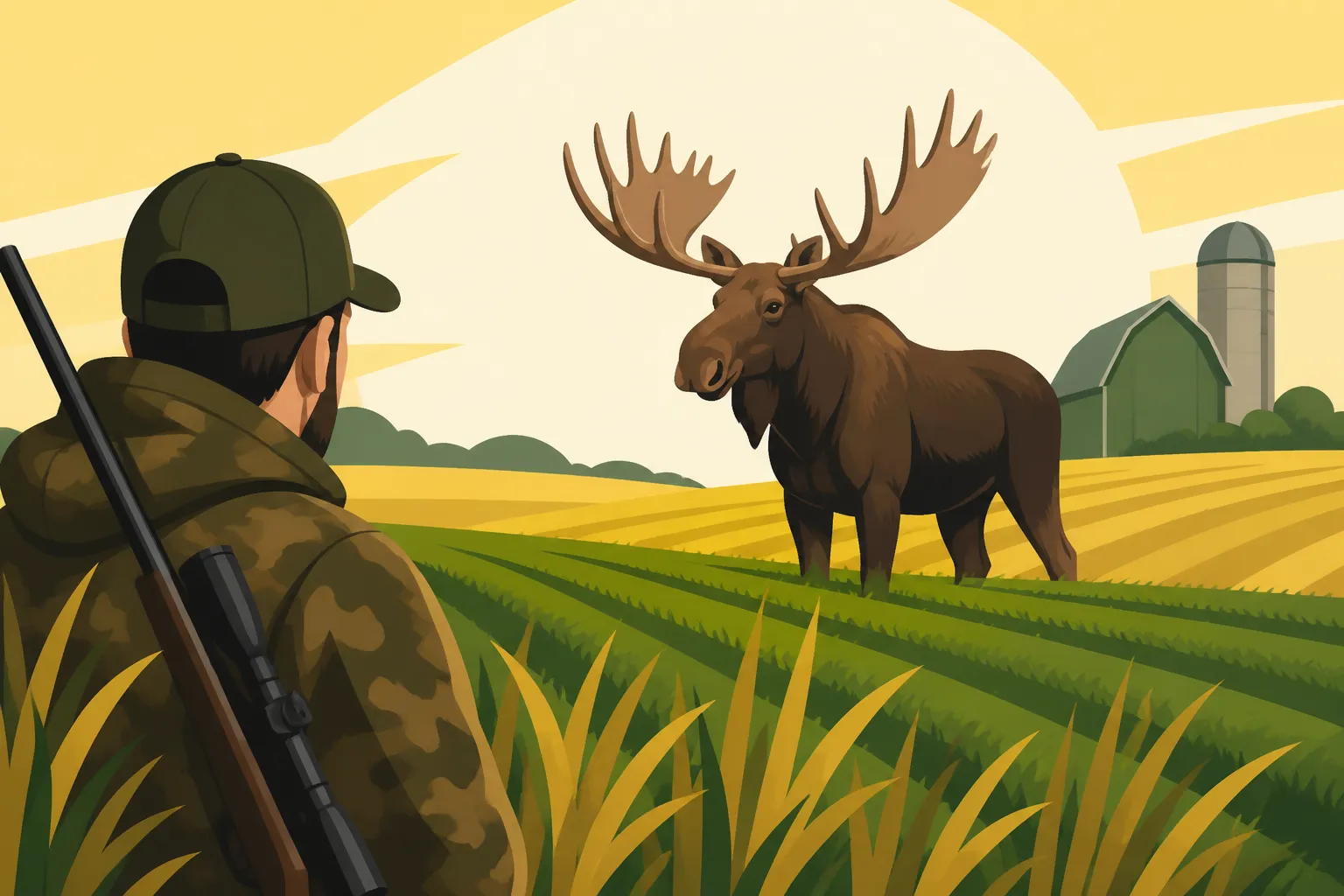
If you've spent any time driving through the agricultural heartland of Saskatchewan lately, you might have done a double-take at the sight of a massive moose ambling along a shelterbelt or even standing knee-deep in a slough right next to a grain field. It’s a scene that used to be rare, something you'd only associate with the deep boreal forest. Hunters and farmers alike are noticing this distinct shift, and it can be perplexing, even frustrating, when these magnificent animals start causing crop damage or appear in unexpected hunting zones. This guide will explore the compelling reasons behind this fascinating and impactful migration of moose into Saskatchewan's farmlands.
A Changing Landscape: The Agricultural Expansion and Its Impact
The face of Saskatchewan's landscape has been continuously sculpted by human activity, primarily agriculture. What was once vast prairie and aspen parkland, interspersed with pockets of bush and wetlands, has been transformed into an immense mosaic of cultivated fields. This expansion, while incredibly productive for food, has inadvertently created new opportunities and incentives for large game animals like moose to move into areas previously considered unsuitable.
Habitat Fragmentation and Edge Effects
As more land is cleared for crops, the remaining patches of natural habitat – bluffs, willow runs, treed creek beds, and slough edges – become fragmented. While this might seem detrimental, it actually creates an abundance of "edge habitat." Moose are animals that thrive on edge environments. They aren't deep-forest dwellers in the same way a woodland caribou might be; they prefer areas where they can browse on new growth in clearings while having dense cover nearby for security.
The interface between a cultivated field and a bush line provides exactly this. It offers easy access to a variety of plant species, many of which are highly nutritious, and the adjacent cover provides escape routes and bedding areas. This checkerboard pattern of fields and bush acts like a magnet, drawing moose out of their more traditional, denser forest homes, especially when those areas become overpopulated or less productive. It’s a stark contrast to how mule deer often use open country; moose are specifically seeking that blend of cover and forage.
Water Sources and Food Availability
One of the most significant draws for moose into agricultural areas is the sheer abundance and accessibility of food and water. While their traditional diet consists of woody browse like willow, aspen, and dogwood, moose are highly adaptable eaters. Farmland offers a surprising buffet. Crops like canola, peas, and even immature cereals provide a high-energy, nutrient-rich forage that is easy to access. Stubble fields after harvest can also offer residual grains.
Beyond the crops themselves, the numerous sloughs, potholes, and dugouts scattered across the farmland provide essential water sources, often with lush aquatic vegetation. Moose are semi-aquatic animals, often feeding on submerged plants, which are rich in minerals and a crucial part of their diet, especially in summer. This year-round availability of both food and water removes a significant barrier to their presence in these areas. It means a moose doesn't have to travel far to satisfy its daily needs, consolidating its home range in the farmland.
Shelterbelt Corridors and Movement
Decades ago, many farmers planted shelterbelts – rows of trees, often caraganas, poplars, or willows – to protect fields from wind erosion, reduce snowdrifts, and provide habitat. These linear strips of cover, often running for miles, have become vital travel corridors and refuge areas for moose. They allow these large animals to move across otherwise open agricultural landscapes with a sense of security, hidden from plain view.
These shelterbelts connect larger bluffs, creek systems, and even isolated woodlots, effectively extending the "forest" into the prairie. Moose use them to browse, bed down, and escape detection. Hunters who understand this often focus their efforts along these linear features. If you're Hunting Whitetails on Saskatchewan Farmland, you'll quickly realize how critical these narrow bands of trees are for all types of big game movement. They are literally the highways and byways of the farmland for deer and moose alike.
The Moose Itself: Adaptability and Population Dynamics
Moose are not just large, lumbering creatures of the north; they are incredibly resilient and adaptable. Their very nature has played a critical role in their expansion into agricultural regions.
Moose's Dietary Flexibility
Unlike some highly specialized herbivores, moose are generalists when it comes to their diet. While they are known for their love of woody browse, particularly willow and aspen, they will readily consume a wide variety of plants. This dietary flexibility is a key factor in their ability to colonize new habitats. In farmland, they quickly learn to incorporate cultivated crops into their diet, finding the high caloric and nutrient content extremely beneficial.
They'll browse on young crops, especially in the spring and early summer when the plants are tender and nutritious. Later in the season, they might target standing corn or even graze on pea and lentil plants. This broad diet means that the transition from a boreal forest setting, where browse is dominant, to a farmland environment, rich in agricultural crops and diverse plant life, isn't as challenging for a moose as it might be for other species. Their ability to switch gears nutritionally has been a major enabler of their southern migration.
Population Growth and Pressure
For decades, Saskatchewan's moose population has been on a general upward trend, especially in central and northern areas. This increase in numbers naturally leads to greater competition for resources within their traditional ranges. When populations reach a certain density, younger animals, or those lower in the social hierarchy, are often pushed out to find new territories. This phenomenon is known as "dispersal."
As these moose disperse, they follow river systems, creek beds, and the aforementioned shelterbelts, gradually pushing further south into areas that were once considered too open or too agricultural. The lure of plentiful food, even if it's "non-traditional," combined with less competition, creates a strong incentive for these pioneering animals to establish new home ranges. It’s a classic example of a species expanding its range when conditions allow. Understanding Saskatchewan's Moose Population Trend helps us grasp the underlying force driving this movement.
Less Predation in Farmland
Another significant factor contributing to the success of moose in farmland areas is the relative absence of large predators. In the dense boreal forest, wolf packs are a primary natural predator of moose, especially calves and weaker adults. Bears, particularly black bears, also predate on calves. While coyotes are abundant in farmland, they pose little threat to a healthy adult moose and are typically only a danger to very young or sick calves.
The agricultural landscape, with its smaller, fragmented patches of cover and human presence, is generally not conducive to large, established wolf packs. This reduction in predation pressure allows moose calves a higher survival rate and contributes to a more stable, growing moose population in these areas. It's a safer environment, allowing moose to thrive with fewer natural checks on their numbers, further encouraging their expansion.
Winter Survival and Energy Needs in the South
Winter is the crucible for big game animals in Saskatchewan. The ability of moose to survive and even thrive in farmland during the harshest months is a testament to the resources available in these areas.
Reduced Snow Depth and Movement
The southern half of Saskatchewan generally experiences less snowfall and milder winter temperatures than the deeper boreal forest. For an animal as large as a moose, snow depth is a critical factor. Deep, heavy snow makes movement incredibly difficult and energy-intensive. A moose expends far more calories trudging through deep drifts than it does walking on shallower snow or even plowed fields.
In agricultural areas, vast fields are often swept clear by wind, or snow is less deep to begin with. This allows moose to conserve vital energy, which is crucial for survival when food resources are less abundant or harder to find. Easier movement also means they can access a wider variety of food sources and escape potential threats more efficiently. It’s a significant advantage that often goes overlooked. Hunters, especially when planning for Hunting Saskatchewan Winter Weather Safely, need to consider how animal movement changes with snow conditions.
Access to High-Energy Forage
When winter really sets in, and natural browse becomes scarce or frozen, the high-energy forage remaining in agricultural fields can be a lifesaver for moose. While not their primary diet, they will readily consume residual grain in stubble fields, particularly if the harvest was rushed or incomplete. Leftover hay bales, silage piles, or even standing corn can provide crucial calories at a time when they are most needed.
This availability of supplemental, high-calorie food sources is a massive boon for moose trying to maintain body condition through the winter. It allows them to enter spring in better health, which directly impacts reproductive success and overall population robustness. It's another aspect where agricultural land offers an advantage over purely wild habitats, especially during harsh winters.
Thermal Cover in Bluffs and Bush Pockets
Even with milder snow conditions, moose still need thermal cover to escape the biting prairie winds and extreme cold. Farmland might seem open, but it's dotted with numerous bluffs, willow rings around sloughs, and patches of bush along creek beds and river valleys. These provide critical shelter from the elements.
Dense stands of trees, even relatively small ones, can create microclimates that are significantly warmer and less windy than the open fields. Moose will bed down in these areas, conserving energy by staying out of the direct cold and wind. These pockets of cover, often overlooked by the casual observer, are indispensable for winter survival and are a key reason moose can establish year-round residency in agricultural landscapes.
Human Factors and Management Considerations
The presence of moose in farmland isn't just about ecology and animal behavior; it's deeply intertwined with human actions, land use, and wildlife management.
Decreased Hunting Pressure in Farm Zones
Historically, moose hunting efforts in Saskatchewan have been concentrated in the boreal forest and forest fringe zones, where moose populations were traditionally highest. As moose have spread into agricultural areas, hunting pressure hasn't always followed at the same intensity. Many of these areas are privately owned, requiring landowner permission, which can be challenging to secure. Additionally, some hunters are simply not accustomed to seeking moose in such environments.
This can result in localized areas within farmland experiencing lower hunting pressure, allowing moose to become more established and less wary. While specific tags for farmland moose have become more common, the overall pressure may still be less than in traditional zones. This can create a positive feedback loop for moose: move to an area with good food, good cover, and fewer hunters, and you're more likely to survive and reproduce.
Landowner Tolerance and Conflict
While some landowners may tolerate a few moose on their property, significant populations can lead to serious conflicts. Moose are large animals with enormous appetites, and their browsing can cause substantial damage to crops, fences, and even stored feed. This crop damage can be a significant financial burden for farmers.
The challenge for wildlife managers is to balance the natural expansion of a valuable game species with the economic realities faced by the agricultural community. This often leads to specific management strategies, such as offering special crop damage permits or encouraging increased harvest in problem areas. It's a delicate balance, and the relationship between moose and landowners is an ongoing conversation in many regions.
Management Strategies and Draw Zones
Saskatchewan's Ministry of Environment recognizes the growing presence of moose in agricultural areas and has adapted its wildlife management strategies accordingly. Many Wildlife Management Zones (WMZs) that were historically thought of as deer-only zones now have specific moose allocations, often through a draw system. This allows for controlled harvest and helps manage populations where conflicts arise.
Hunters interested in pursuing moose in these areas often need to apply for specific draw tags, and competition for these tags can vary. Using tools like GoHunt can provide valuable insights into draw odds and the specific regulations for different zones. For those considering Hunting Farmland Moose in Saskatchewan, understanding these draw rules and zone boundaries is absolutely essential. The province is continually refining these systems to account for the evolving distribution of moose.
The Future of Farmland Moose Hunting
The expansion of moose into Saskatchewan's farmlands presents both exciting opportunities and complex challenges for wildlife management and the hunting community.
Evolving Opportunities for Hunters
For hunters, the presence of moose in more accessible, southern regions means new opportunities. While draw tags can still be competitive, the chance to hunt a moose closer to home, often without the need for extensive northern expeditions, is appealing. These farmland moose can grow to impressive sizes, benefiting from the rich agricultural diet. Just consider What a Bull Moose Weighs in the North and then imagine one that’s been feasting on crops all summer!
Hunting farmland moose often involves different tactics than hunting in dense boreal forest. It might mean more glassing, strategic use of shelterbelts, and careful navigation of private land. Hunters often utilize apps and platforms like GoHunt to scout areas, identify potential public access points, and understand property boundaries, which is crucial for ethical and legal hunting. This evolving landscape requires hunters to adapt their skills and scouting techniques, which can be a rewarding challenge.
Challenges of Coexistence
The long-term success of moose in farmland hinges on managing the delicate balance between wildlife and agricultural interests. As moose populations grow in these areas, so does the potential for crop damage and vehicle collisions. Finding sustainable solutions that protect farmer livelihoods while conserving moose populations is paramount.
This might involve continued monitoring, targeted hunting efforts in problem areas, and potentially exploring non-lethal deterrents. Open communication between wildlife agencies, landowners, and hunters is key to navigating these challenges effectively. The goal is a healthy ecosystem where wildlife can thrive, but not at the undue expense of human activity.
Importance of Data and Observation
Understanding why moose moved into Saskatchewan farmland is one thing; continuing to monitor and adapt is another. Wildlife managers rely heavily on hunter observations, harvest data, and population surveys to track the health and distribution of moose populations. Hunters play a vital role in this by accurately reporting their harvest and participating in surveys.
Every piece of information, from where a moose was spotted to details about its age and health, contributes to a clearer picture of this phenomenon. This ongoing data collection helps ensure that management strategies remain effective and responsive to the dynamic nature of both the moose population and the agricultural landscape. It helps us answer questions like What Moose Eat Through the Year in these new environments and how that affects their overall health.
Disclaimer
The information provided in this article is for general guidance and informational purposes only. Hunting regulations, seasons, and licensing requirements can change frequently. Always consult the official Saskatchewan hunting regulations and local authorities before planning any hunting activity. It is the hunter's responsibility to know and follow all applicable laws and regulations.